
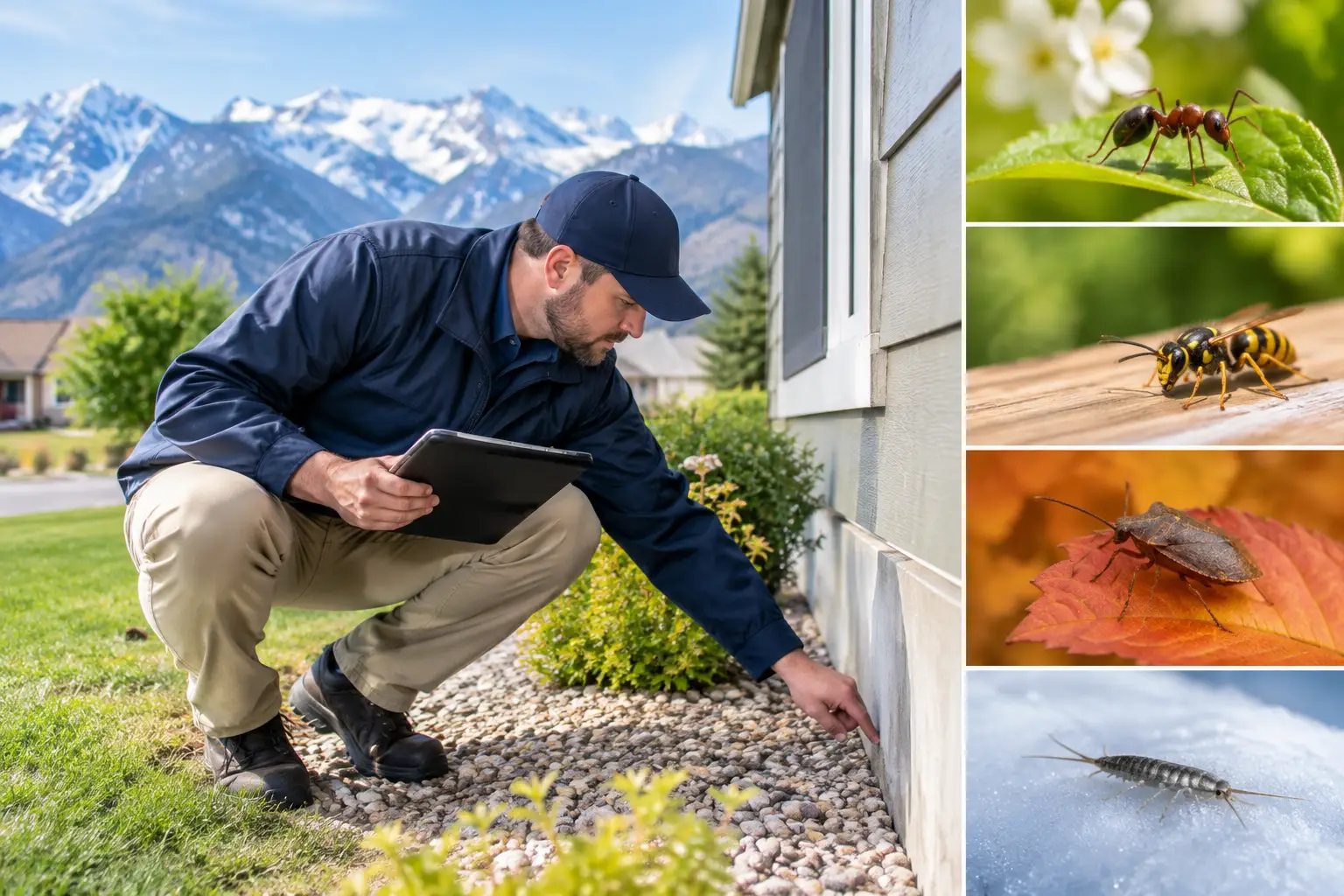
A pest problem rarely begins with the insect or rodent you can see. It often starts with a small gap beneath a door, moisture under a sink, a forgotten food source in the garage, or clutter near the foundation. This Utah home pest inspection guide helps you look for those early conditions before they turn into a stressful infestation.
Utah homes face changing pest pressure throughout the year. Dry summer heat can send spiders and ants indoors for water, while colder weather pushes mice, box elder bugs, and other unwanted guests toward warm shelter. A practical inspection gives you a clearer picture of what is happening around your property and what needs attention now.
Start Outside: Your Home’s First Line of Defense
Begin at the foundation and walk slowly around the entire home. You are looking for entry points, moisture, shelter, and food – the four conditions that make a property more appealing to pests.
Check where utility lines, pipes, cable wires, and dryer vents enter the structure. Small openings around these areas may be enough for ants, spiders, and mice to enter. Look closely along the foundation, around window wells, beneath siding, and near garage-door corners. A mouse can fit through an opening much smaller than most homeowners expect.
Pay attention to the space immediately next to the house. Firewood stacks, construction materials, leaf piles, dense shrubs, and stored boxes create protected hiding areas for pests. They do not always cause an infestation, but they make it easier for pests to stay close to your home and eventually find a way inside.
Inspect Water Sources and Drainage
Water attracts pests even in otherwise clean homes. Look for dripping outdoor faucets, standing water near downspouts, clogged gutters, and sprinklers that regularly soak the foundation. Poor drainage can also create damp conditions that attract insects and contribute to wood damage.
Window wells deserve a close look, especially in homes with finished basements. Remove leaves and debris, confirm the well drains correctly, and check that covers fit securely where appropriate. Spiders, earwigs, crickets, and other insects commonly gather in protected, damp areas before moving indoors.
Check Doors, Screens, and Vents
Exterior doors should close tightly, with intact weatherstripping and door sweeps. Torn window screens and damaged vent covers are easy access points for flying insects and occasional invaders. Make sure dryer and attic vents remain functional while still being properly screened or protected according to their design.
Do not block vents completely. The goal is to prevent pest entry without creating a moisture or ventilation problem for your home.
A Utah Home Pest Inspection Guide for Indoors
Once you move inside, inspect room by room rather than trying to scan the whole house at once. Bring a flashlight, especially for basements, utility rooms, crawlspace access points, cabinets, and the back corners of closets. Pests prefer areas that are dark, quiet, and rarely disturbed.
Start in the kitchen. Look beneath sinks for leaks, moisture stains, and small droppings. Inspect pantry shelves for torn packaging, webbing, insect activity, or food debris. Pulling out appliances occasionally can reveal grease buildup, crumbs, or cockroach activity that is not visible during normal cleaning.
Bathrooms and laundry rooms come next because water is the main concern. Check around toilet bases, supply lines, tubs, floor drains, and washing-machine hookups. Even a slow leak can support silverfish, cockroaches, ants, or other moisture-seeking pests.
In bedrooms and living spaces, inspect along baseboards, behind furniture, in pet-food storage areas, and around windows. Look for insect bodies, shed skins, webbing, or unexplained spotting. One spider in a quiet corner is not automatically a serious issue. Repeated sightings, multiple webs, or insects appearing in several rooms may point to a condition worth addressing.
Know What the Signs Are Telling You
Finding a pest does not always mean you have an infestation. A single ant may have wandered in, and an occasional cricket near a basement window can be seasonal. The more useful question is whether you are seeing a pattern.
Rodent droppings, gnaw marks, shredded nesting material, greasy rub marks along walls, and scratching noises are stronger signs that mice or rats are active. Fresh droppings are usually darker and softer than older ones, but avoid handling any droppings without proper protection. Rodents can contaminate food, damage insulation and wiring, and reproduce quickly indoors.
Cockroaches need prompt attention. Watch for live insects at night, pepper-like droppings, egg cases, shed skins, or a persistent musty odor in cabinets, bathrooms, or appliance areas. Because cockroaches can spread through shared walls and utility spaces, homeowners in townhomes, apartments, and other multi-family properties should report suspected activity early.
Ant trails are another sign to take seriously. Follow the trail if possible. It may lead to a food source, moisture issue, or an entry point around a window, door, or foundation crack. Spraying visible ants without addressing the colony or the conditions attracting them can provide only short-term relief.
Pay Extra Attention to These High-Risk Areas
Some parts of a home deserve a more careful inspection because pests can remain undetected there for longer periods. The attic, garage, basement, crawlspace, and utility room often combine storage, limited activity, and small openings to the outdoors.
In the garage, check cardboard boxes, pet food, birdseed, seasonal decorations, and the seal along the bottom of the garage door. Consider using sealed plastic storage containers instead of cardboard for items that can attract or shelter pests. Keep stored materials raised off the floor when possible so you can inspect behind and beneath them.
Basements may reveal pest activity near floor drains, sump pumps, foundation walls, and unfinished storage zones. If you see insects clustered around a drain, the issue may be moisture, organic buildup, or a plumbing concern. The right solution depends on the pest and source, which is why identification matters before treatment.
For homes along the Wasatch Front, weather shifts can make these areas especially active. A warm spell after a cold period, for example, may bring insects out around sunny foundations while rodents continue looking for protected indoor spaces.
Adjust Your Inspection With the Seasons
A thorough inspection does not need to happen every week. For most homes, a focused walk-through at the start of each season is a sensible prevention habit, with additional checks after water leaks, remodeling projects, or new pest sightings.
Spring is a good time to check for ants, spiders, moisture problems, and winter damage around the exterior. In summer, watch irrigation, outdoor trash, pet-food areas, and wasp activity around eaves, sheds, and play areas. Fall is the time to tighten exclusion efforts before rodents and overwintering insects seek shelter. During winter, concentrate on indoor signs in attics, garages, basements, and kitchen storage.
This schedule is not one-size-fits-all. A home near open fields, water, dense landscaping, or active construction may need more frequent attention. Multi-family properties also benefit from coordinated inspections because pest movement between units can make isolated treatment less effective.
When DIY Prevention Is Enough – and When It Is Not
Simple prevention goes a long way. Repairing screens, sealing obvious gaps, fixing leaks, storing food in sealed containers, reducing clutter, and keeping vegetation from touching the exterior can lower pest pressure significantly.
However, repeated activity usually means there is more to investigate. If you keep seeing cockroaches, find rodent evidence, notice multiple ant trails, suspect stinging insects inside walls, or cannot identify the pest, professional help is the safer choice. Treatment should match the pest, the extent of activity, and the layout of the property – not just the symptom you noticed first.
A trained technician can identify likely entry points, assess conditions that support pest activity, and recommend a plan that protects your household while addressing the source. Pest Xperts uses property-specific consultations because building size, lot conditions, and pest history all affect what effective prevention or treatment looks like.
The best inspection result is not a long list of worries. It is a short, clear set of next steps: correct the moisture issue, close the entry point, remove the shelter, monitor the area, or get help before a small problem gains ground in your home.
continue reading
Related Posts
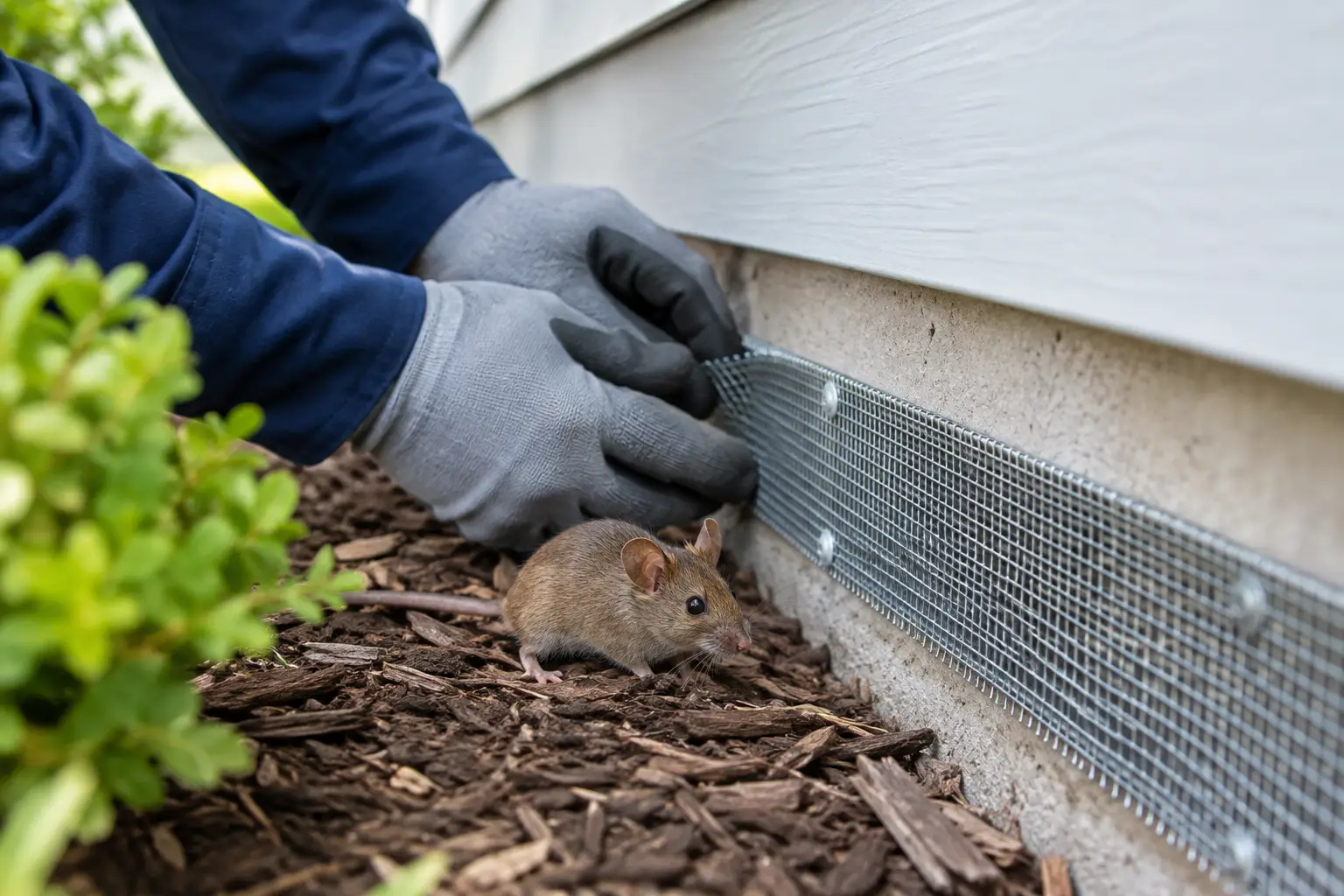
Rodent exclusion for homes helps block mice and rats before they settle in. Learn which gaps to seal, warning signs to watch for, and when to call a pro.
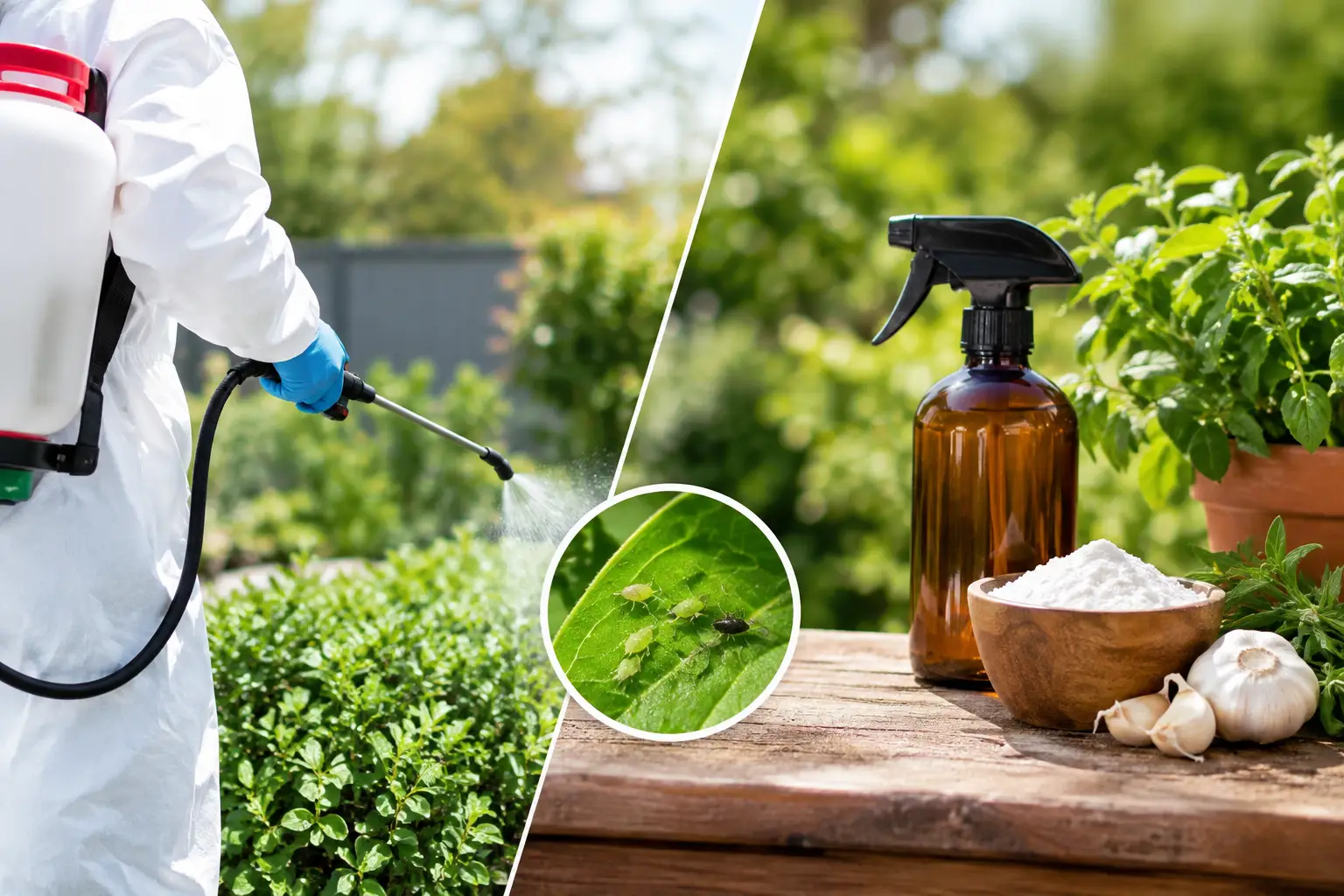
Chemical versus nonchemical pest control has trade-offs. Learn how Pest Xperts builds a safer, targeted plan for Utah homes and properties every day.
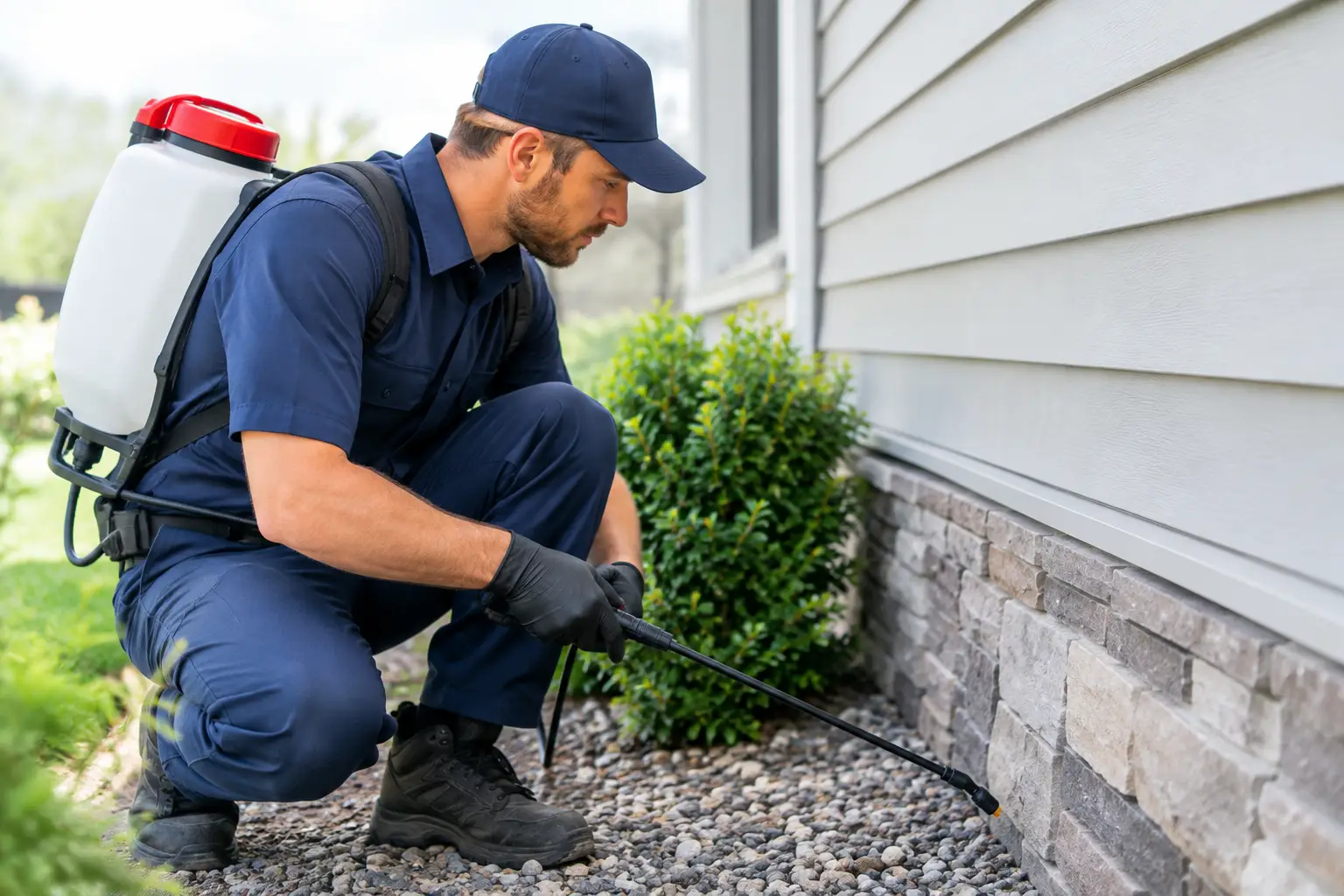
Need ant extermination services Utah homeowners can rely on? Learn how professional treatment stops colonies, protects kitchens, and helps prevent returns.