
A spider in the basement, a trail of ants near the kitchen, or a few wasps around the eaves can feel minor until it is not. A preventative pest control service gives homeowners, landlords, and property managers a plan for addressing those early warning signs before pests establish themselves in the places people live and work.
For Utah properties, prevention is rarely about one spray or one season. Weather shifts, dry conditions, irrigation, landscaping, construction, shared walls, and small access points around a building can all affect pest activity. The right service looks at the property as a whole, then creates practical protection around its specific risks.
What a Preventative Pest Control Service Does
Preventative pest control focuses on reducing the conditions that allow pests to enter, hide, feed, and reproduce. Rather than waiting for an active infestation, a technician inspects likely problem areas and applies targeted treatments designed to create an ongoing barrier.
That can include treating exterior foundation lines, entry points, eaves, cracks around utilities, garages, sheds, and other pest-prone areas. Inside service may be appropriate when there is evidence of activity or when a property has specific vulnerabilities. The goal is not to treat every surface unnecessarily. It is to use a safety-conscious approach that targets the places pests are most likely to travel and settle.
A good prevention plan also accounts for the pest pressure common to the property. A newer home beside open land may face different concerns than an older home with mature trees, a restaurant-adjacent retail space, or a multi-family building with frequent tenant turnover.
Why Waiting Can Cost More
Most pests do not announce themselves when the problem starts. They stay near warmth, moisture, food sources, clutter, wall voids, crawl spaces, and landscaping that provides cover. By the time activity becomes obvious, a small issue may have become more time-consuming to resolve.
Cockroaches are a clear example. Seeing one roach does not always mean a large infestation, but it is a reason to act quickly. Roaches reproduce efficiently, hide in tight spaces, and can spread through shared walls, utility lines, and common areas in apartment buildings. Early inspection and treatment can limit disruption for residents and help property managers avoid a larger tenant-satisfaction problem.
Ants, spiders, wasps, rodents, and other common pests create different risks. Some are primarily a comfort issue, while others can contaminate food, trigger allergies, damage materials, or lead to difficult conversations with tenants and customers. Prevention does not guarantee that no pest will ever appear. It does give the property a consistent line of defense and makes new activity easier to catch early.
Prevention Is Not the Same for Every Property
A one-size-fits-all pest plan can miss the details that matter. The frequency and scope of service should reflect the building, its surroundings, and the people who use it.
Homes need protection around daily life
For homeowners, preventative service is often about protecting the spaces that matter most: kitchens, bedrooms, garages, patios, basements, and play areas. Families may notice pests more during spring and summer, but year-round concerns can exist when pests seek shelter from heat, cold, or changing weather.
Exterior treatments and routine inspections can reduce indoor pest pressure without turning every visit into an invasive event. Homeowners should still take simple steps between services, such as sealing food, managing standing water, trimming vegetation away from the foundation, and reporting new activity promptly. Pest control works best when the service plan and property habits support each other.
Multi-family properties need coordinated action
Apartment communities, condominiums, and other multi-family properties require a broader view. A unit-level issue may have a building-level cause, especially when pests move through plumbing penetrations, shared walls, trash areas, laundry rooms, storage spaces, and maintenance corridors.
For property managers and landlords, prevention supports more than pest reduction. It can protect occupancy, maintenance budgets, online reputation, and resident confidence. Regular exterior protection, common-area service, clear reporting procedures, and targeted follow-up when activity is found can prevent isolated issues from spreading across units.
The trade-off is that multi-family prevention requires coordination. Access, resident communication, sanitation expectations, and maintenance repairs all matter. A treatment plan is strongest when it is paired with practical recommendations that staff and residents can follow.
Commercial properties need service that fits operations
Businesses cannot always pause operations for a pest concern. Offices, retail spaces, warehouses, food-adjacent facilities, and service businesses each have different traffic patterns and risk areas. Loading doors, break rooms, storage areas, dumpsters, landscaping, and gaps around building utilities deserve attention.
A preventative plan should be shaped around the property and its schedule. For some businesses, recurring exterior service and monitoring are enough. Others need more frequent attention or a custom treatment scope because of the building’s size, layout, tenant mix, or industry requirements.
What to Expect From a Property-Specific Plan
The best pest prevention begins with questions, not assumptions. Before recommending service, a technician should consider square footage, lot size, construction type, visible activity, past pest history, nearby vegetation, water sources, and whether the property is residential, commercial, or multi-family.
During an initial visit, the technician may identify potential entry points and conditions that attract pests. Treatment is then matched to those findings. This approach helps avoid two common problems: undertreating a property with significant pressure and overselling services that do not fit the actual need.
Recurring service visits allow the plan to adjust. If seasonal spiders become more active around eaves, treatments can focus there. If ants appear near a patio or irrigation line, the source can be investigated. If a tenant reports roach activity, the response can move beyond the visible area to consider neighboring units and shared access points.
Pest Xperts builds this type of site-specific planning into its consultation process, using property and lot details to recommend the right scope of protection rather than pushing a generic package.
Signs It Is Time to Start Preventative Service
You do not have to wait for a serious infestation to ask for help. It may be time to schedule preventative service when you repeatedly see insects in the same area, move into a new home, prepare a rental for a new tenant, manage a property with shared walls, or notice pest activity near exterior doors, windows, utility lines, or landscaping.
Seasonal changes are another practical trigger. Spring can bring ants and spiders into active areas. Summer often increases wasp activity and outdoor pest pressure. As temperatures change, pests may look for protected indoor spaces. Starting before the busiest period can be easier than reacting after pests have become established.
A recent remodel, construction project, landscaping change, or plumbing repair can also alter pest patterns. New openings, disturbed soil, added mulch, and changes in moisture can create opportunities that were not there before.
How to Get More From Preventative Pest Control
Professional service delivers the strongest results when property owners and managers communicate what they are seeing. Note where pests appear, when activity is most noticeable, and whether it is happening indoors, outdoors, or near a particular feature such as a drain, trash enclosure, or window well.
It also helps to address maintenance issues quickly. Replace worn door sweeps, seal gaps around pipes, repair screens, reduce standing water, and keep exterior clutter away from the building when possible. These steps do not replace professional treatment, but they make the property less inviting between visits.
For multi-family and commercial locations, establish a simple reporting path. Residents and staff should know who to notify, what details to provide, and why quick reports matter. Early information helps technicians respond with more accuracy and keeps small problems from becoming building-wide frustrations.
A preventative plan is an investment in comfort, cleanliness, and fewer unwelcome surprises. Whether you manage a multi-family property or want greater confidence at home, the right time to ask for a property-specific assessment is before pests make the decision for you.
continue reading
Related Posts
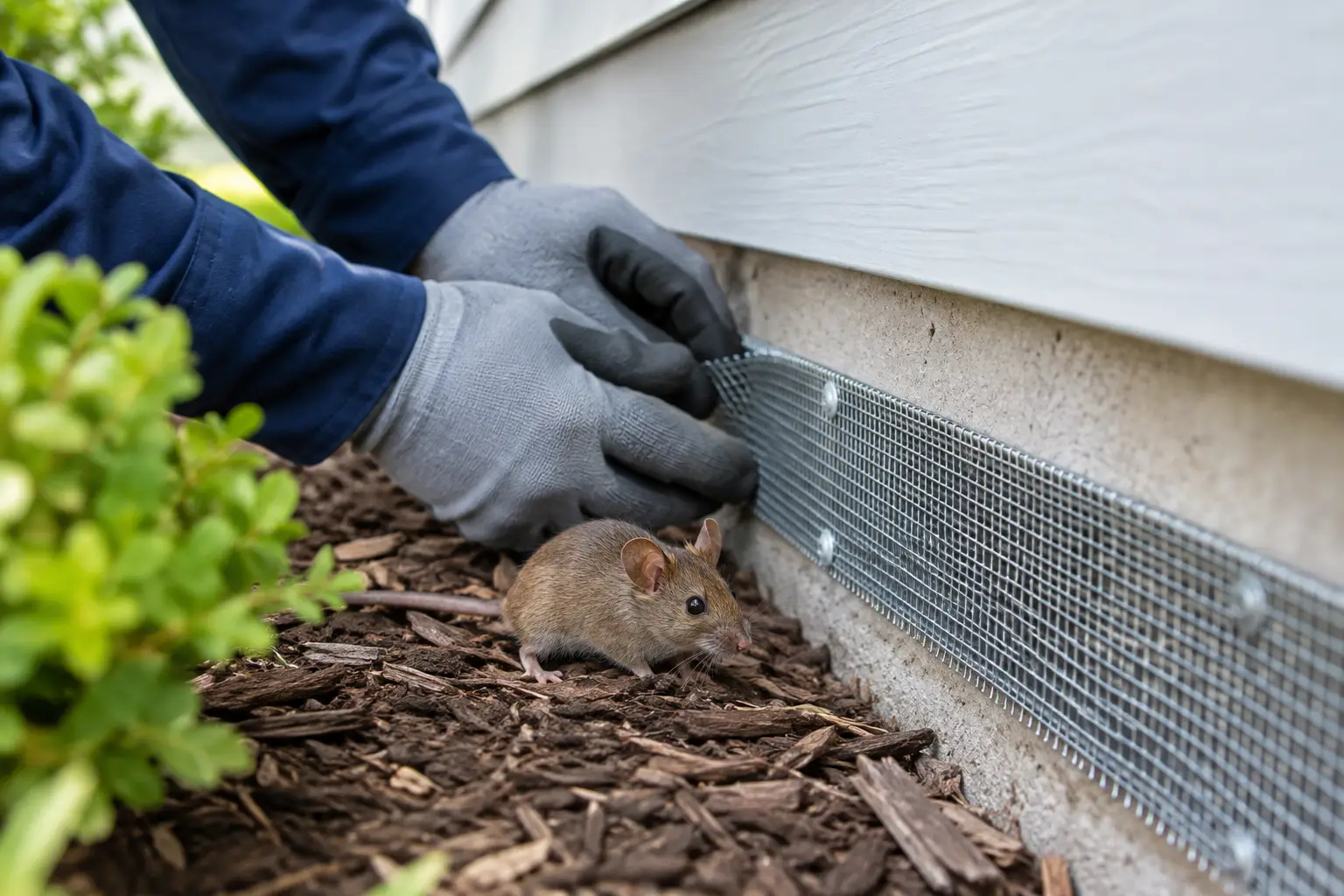
Rodent exclusion for homes helps block mice and rats before they settle in. Learn which gaps to seal, warning signs to watch for, and when to call a pro.

Use this Utah home pest inspection guide to spot pests early, protect your family, and know when professional treatment is the right next step for homes.

Chemical versus nonchemical pest control has trade-offs. Learn how Pest Xperts builds a safer, targeted plan for Utah homes and properties every day.