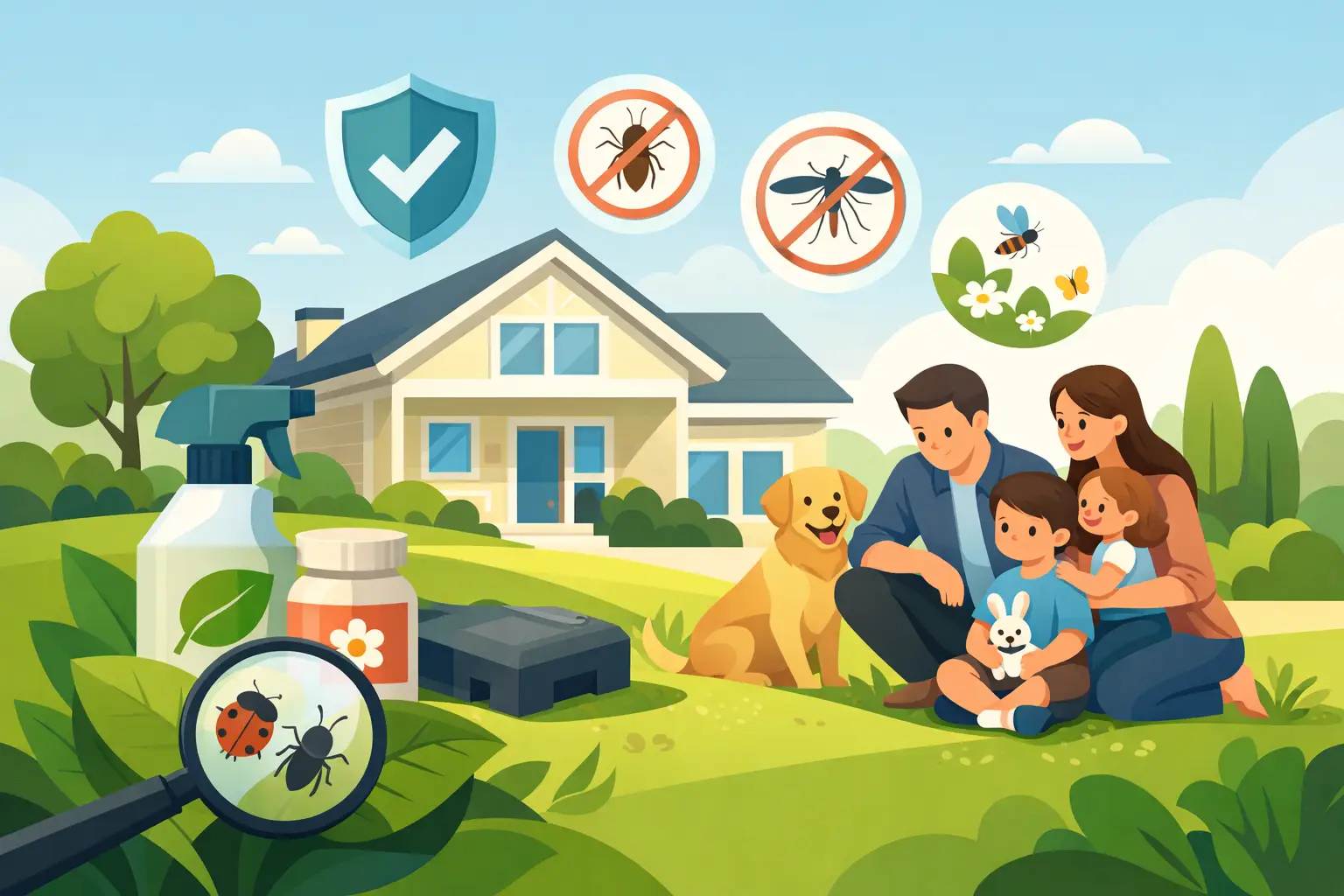
A line of ants across the kitchen floor or a cockroach sighting after bedtime can make any parent want an immediate fix. But safe pest control for families is not about spraying everything in sight. It is about solving the pest problem while making thoughtful choices around children, pets, food, and the places your family uses every day.
The safest approach is also usually the most effective over time: identify the pest, find the conditions allowing it to thrive, reduce access to food and shelter, and use targeted treatment only where it is needed. For Utah families, that approach matters whether pests are entering from dry outdoor areas, seeking warmth in colder months, or finding easy access through a garage, basement, or kitchen.
What Safe Pest Control for Families Really Means
“Safe” does not mean ignoring an active infestation or relying only on a home remedy that is not working. Cockroaches, rodents, and other pests can contaminate food, trigger allergies, damage materials, and multiply quickly when left untreated. A family-safe plan addresses the issue before it becomes larger while keeping exposure and disruption as low as practical.
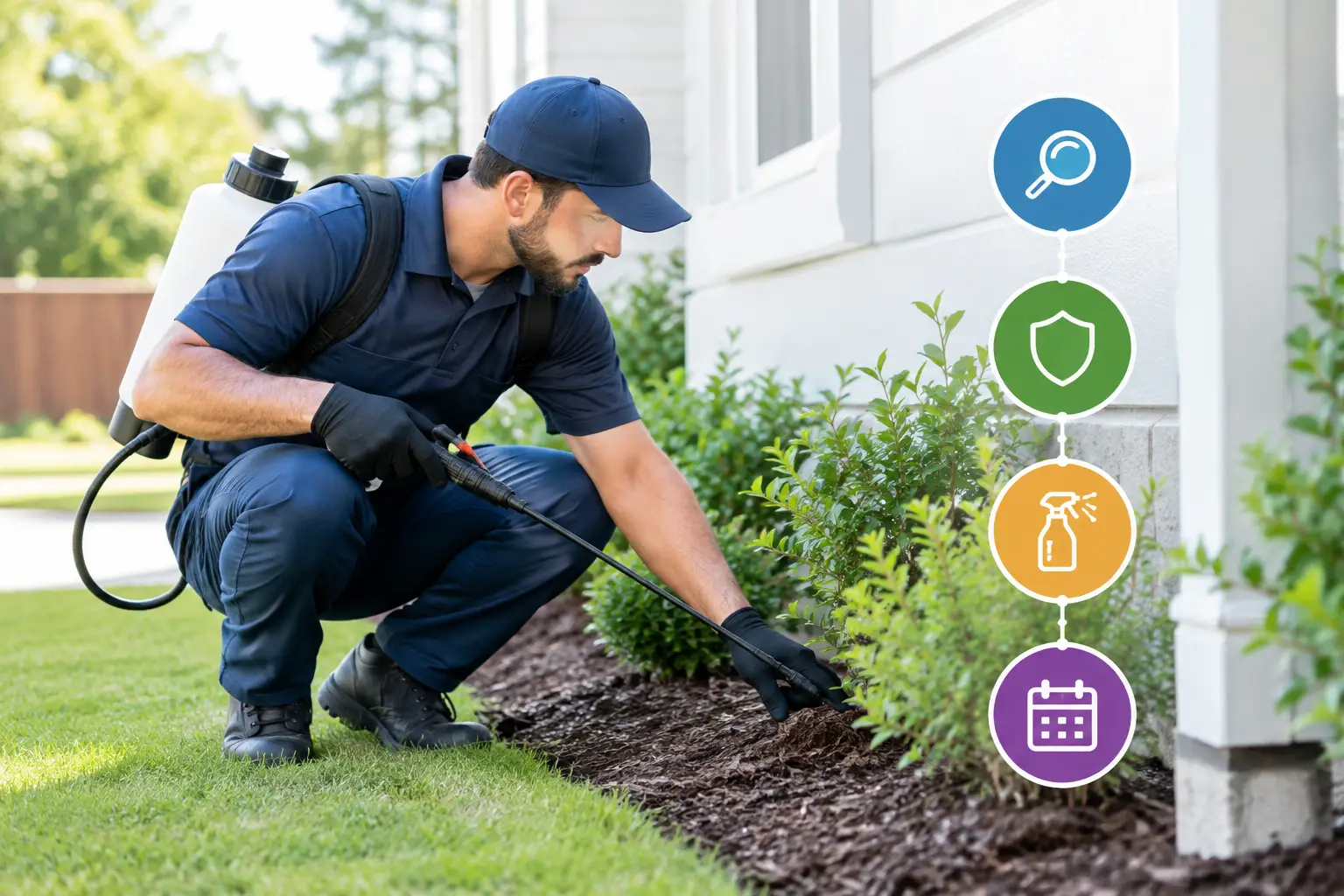
A professional plan should begin with an inspection, not a guess. The technician needs to know what pest is present, where activity is occurring, how pests are getting in, and whether children or pets spend time near the affected areas. Treatment can then be matched to the problem instead of applied broadly throughout the home.
That may involve exterior prevention around entry points, carefully placed baits in inaccessible areas, crack-and-crevice treatments, trapping, exclusion work, sanitation recommendations, or a combination of methods. The right option depends on the pest, the extent of activity, the layout of the property, and the people and animals living there.
Why Prevention Is the First Layer of Protection
Most pest pressure begins before you see a bug indoors. Small gaps around utility lines, worn door sweeps, unsealed vents, standing water, overgrown landscaping, and open food sources can all make a home easier for pests to enter and stay.
Prevention reduces the need for more intensive treatment later. It is especially valuable for families who want confidence that their home is being protected between visits, not just treated after a pest becomes obvious.
Start with the simple areas that make a real difference. Keep pantry foods in sealed containers, wipe crumbs and spills promptly, and avoid leaving pet food out overnight when possible. Repair leaking pipes and check beneath sinks, near water heaters, and around laundry areas for excess moisture. Outdoors, keep vegetation trimmed away from the home and avoid stacking firewood or storage items directly against the foundation.
These steps are not a substitute for professional service during an infestation. They do, however, remove the conditions that often help pests return.
Treatment Should Be Targeted, Not One-Size-Fits-All
Families sometimes assume safe service means no treatment at all. In reality, a targeted approach can be safer and more practical than repeated DIY spraying. Store-bought products are often used in the wrong location, at the wrong amount, or against the wrong pest. They may kill the insects you see while missing nesting areas, entry points, or the source of the infestation.
Targeted pest management focuses treatment where pests travel, hide, feed, or enter. Rather than treating occupied surfaces or open living spaces without a reason, technicians can use pest-specific methods in controlled locations. They can also explain exactly what was used, where it was applied, and whether any temporary precautions are needed.
For example, ant activity may call for locating trails and addressing exterior entry points rather than spraying a kitchen counter. Cockroach control often requires careful placement of professional products in hidden harborages, along with sanitation and moisture control. Rodent service may include traps and exclusion measures, with placement selected to keep devices away from children and pets.
The trade-off is that thoughtful control is not always an instant, one-visit fix. Some pests require follow-up visits because eggs may hatch after the first treatment or because conditions around the home need to change. That extra attention is part of responsible, lasting pest management.
Questions to Ask Before Service Begins
A dependable pest control provider should welcome questions about the plan for your home. Ask what pest has been identified, what treatment method is recommended, and why that method fits the situation. You should also ask where products or devices will be placed, what precautions apply to children and pets, and whether you need to leave the home or avoid certain areas for a period of time.
If a child has asthma, severe allergies, or another health concern, mention it before treatment. The same applies if you have infants who crawl on floors, pets that explore every corner, aquariums, backyard chickens, or a garden near the treatment area. These details help the technician build a plan around your household instead of treating it like a standard address.
Family Habits That Support Professional Pest Control
Professional treatment works best when it is paired with a few consistent household habits. The goal is not perfection. It is making your home less appealing and making early pest activity easier to spot.
Teach children not to touch insects, traps, bait stations, or pest control equipment. If you see an unfamiliar device after service, leave it in place and contact your provider with questions. Moving a trap or bait station can reduce its effectiveness and may place it somewhere less appropriate.
Keep bathroom and kitchen drains clear of buildup, take garbage out regularly, and use lids on indoor trash containers. Vacuuming along baseboards, under appliances, and around pet areas helps remove crumbs and can make pest evidence easier to notice. In garages and storage rooms, reduce cardboard clutter when possible, since many pests use undisturbed items as shelter.
It also helps to report activity early. A few ants near a window, droppings in a pantry, or a cockroach in the bathroom should not be dismissed because you saw only one. Early service is usually simpler, less disruptive, and more cost-effective than waiting for pests to spread.
When an Active Infestation Needs Prompt Help
Some situations should move to the top of the list. Cockroach sightings, rodent droppings, signs of nesting, stinging insect activity near doors or play areas, and recurring bites or unusual insect activity indoors deserve prompt professional attention. So do pest issues in rental homes and multi-family properties, where pests can move between units and affect more than one household.
For property managers and landlords, family safety includes protecting tenants without creating unnecessary disruption. A clear inspection process, coordinated access, targeted treatment, and practical prevention guidance can help resolve problems while supporting tenant confidence and property standards.
Pest Xperts provides property-specific service throughout Northern and Central Utah, from Logan to Spanish Fork and from Grantsville to Park City. A consultation that considers building size, lot size, pest activity, and household needs is a better starting point than a generic treatment plan.
Choose Confidence Over Guesswork
The best pest control plan for a family does not ask you to choose between a comfortable home and a careful approach. It gives you clear answers, sensible precautions, and treatment built around the actual problem. When pests show up, address them early, keep communication open, and let a qualified professional help protect the places where your family eats, sleeps, plays, and gathers.
continue reading
Related Posts
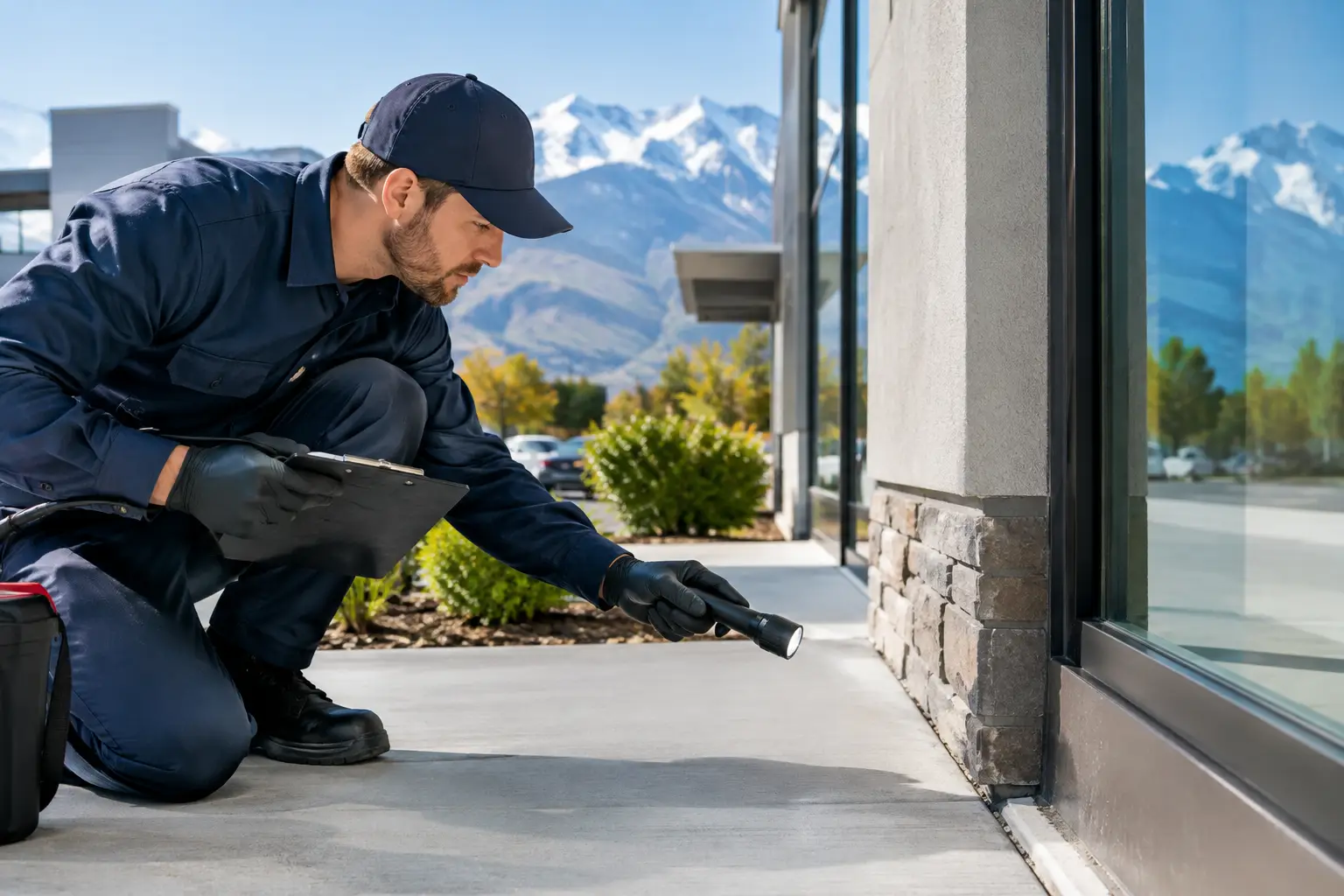
Use this commercial sanitation pest guide to reduce pest pressure, protect tenants and customers, and build a cleaner, safer Utah property year-round.
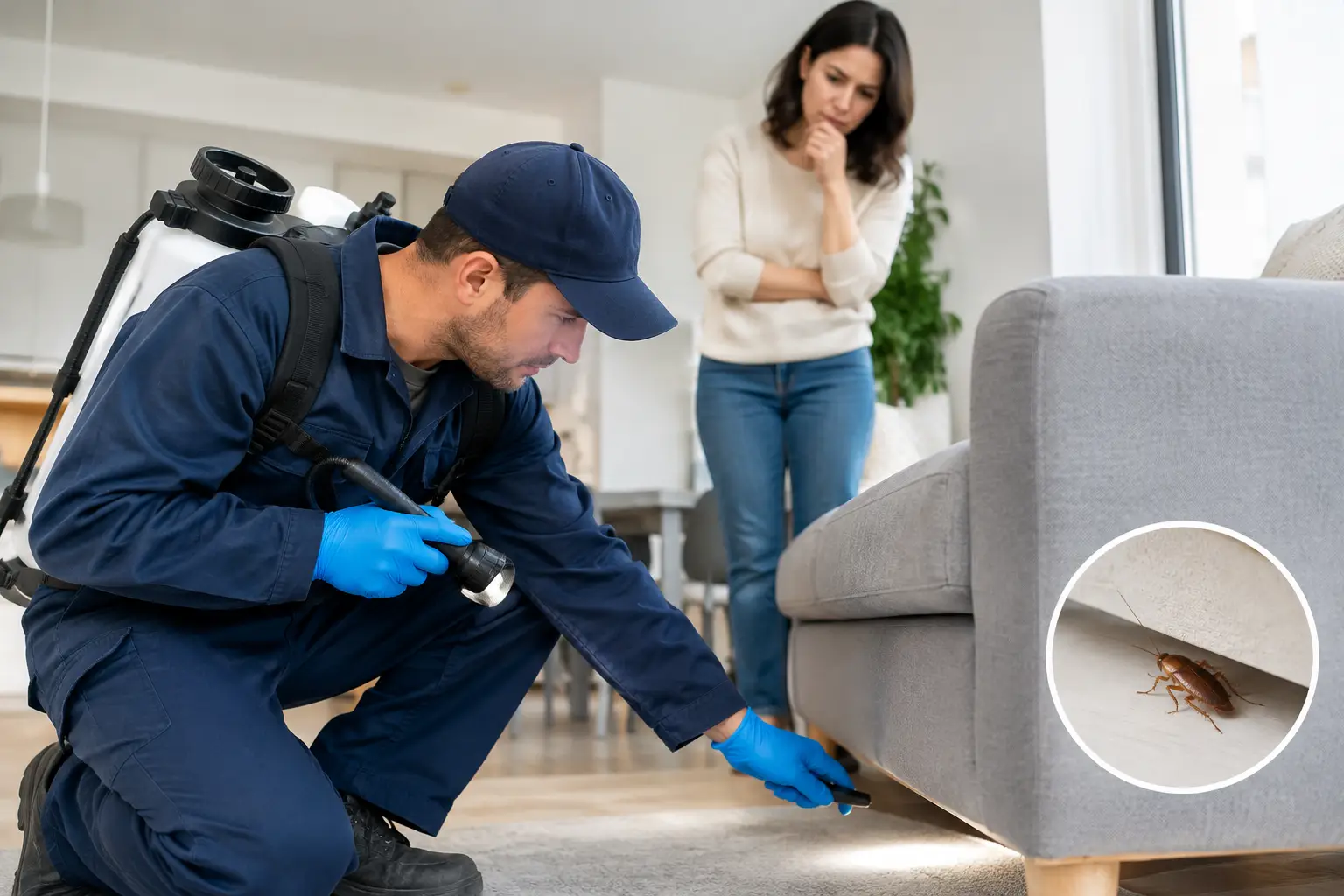
Who handles tenant pests? Learn when a Utah landlord, tenant, or property manager is responsible and how fast action prevents a larger infestation problem.
Follow this pest treatment timeline guide to know what happens before, during, and after service, and when your Utah home or business should improve fully.