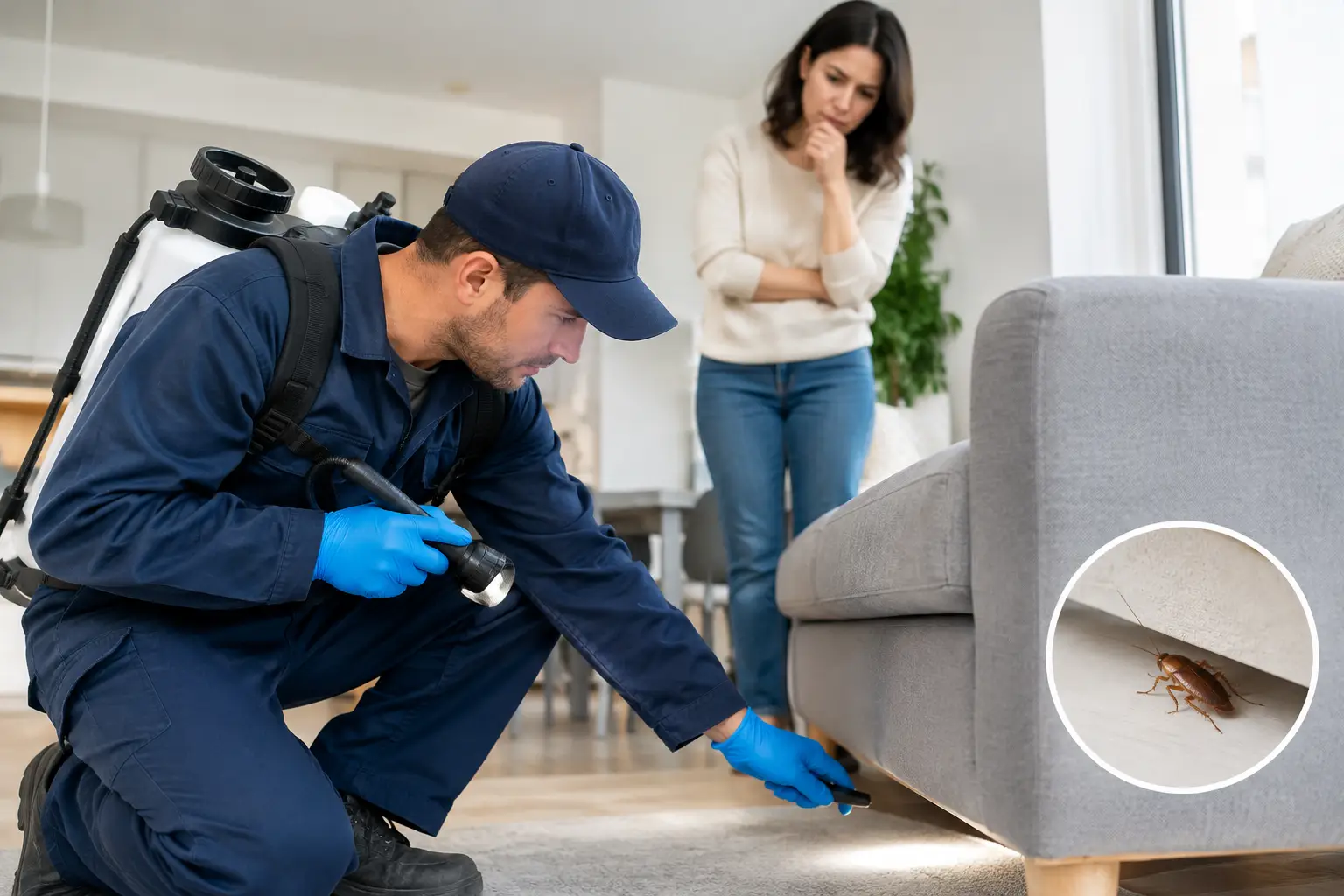
A tenant spots cockroaches under the kitchen sink, hears mice in the wall, or finds ants gathering near a window. The first question is usually: who handles tenant pests? The answer can affect how quickly the problem is treated, who pays for service, and whether a small issue turns into an infestation that affects neighboring units.
In most rental properties, pest responsibility depends on the cause of the problem, the condition of the building, the lease, and how promptly everyone responds. Landlords and property managers generally have a duty to provide habitable housing. Tenants generally have a duty to keep their unit reasonably clean, report problems quickly, and avoid actions that create or worsen pest activity.
The best outcome is rarely an argument over blame. It is a fast, documented response that protects residents, the property, and the rest of the building.
Who Handles Tenant Pests in a Rental Property?
A landlord or property manager is commonly responsible when pests are connected to the property itself. That can include gaps around plumbing, damaged weatherstripping, cracks in the foundation, leaking pipes, unsealed utility openings, shared walls, overflowing dumpsters, or an existing infestation that was present before move-in.
For example, a tenant may keep a clean apartment but still see mice because they are entering through an opening behind the stove. In that situation, the underlying access point is a building maintenance issue. Treating only the mice without sealing the entry point may provide short-term relief, but it will not fully solve the problem.
Responsibility can be different when a pest issue is clearly caused by a tenant’s actions. Leaving food out, failing to remove trash, bringing in infested furniture, or ignoring an early warning for weeks can contribute to an infestation. Depending on the lease and the facts of the situation, the tenant may be charged for treatment or required to correct sanitation issues.
Still, pest problems are not always easy to trace to one person. In apartments, townhomes, and other multi-family properties, pests move through wall voids, plumbing lines, hallways, garbage areas, and shared utility spaces. A cockroach issue in one unit can affect another unit that has done nothing wrong. That is why multi-family pest control usually requires a property-wide view rather than a unit-by-unit blame game.
Habitability Matters More Than a Single Pest Sighting
Seeing one spider or a few ants does not automatically mean a rental home is uninhabitable. Utah homes can experience seasonal pest pressure, especially when temperatures change or dry conditions push insects indoors. A landlord may not be expected to guarantee that no insect ever enters a home.
An ongoing infestation is different. Repeated cockroach activity, rodents nesting inside walls, bed bugs, widespread ants, or other pests that affect health, safety, sanitation, or normal use of the home deserve prompt attention. Landlords should take reports seriously, investigate the source, and arrange appropriate treatment when the issue falls within their maintenance obligations.
Lease language matters, but it does not erase basic habitability responsibilities. A lease may explain routine pest prevention, tenant housekeeping expectations, reporting procedures, or potential charges when tenant-caused conditions lead to service. It should not be treated as permission to ignore a serious infestation or a building defect.
Because legal requirements and lease terms can vary, landlords and tenants should review the written agreement and applicable Utah rental laws when there is a dispute. For urgent health or safety concerns, it may also be appropriate to seek local legal or housing guidance. Pest control professionals can identify pest conditions and treatment needs, but they do not decide legal liability.
The First 48 Hours Make a Difference
Pests reproduce and spread quickly, especially cockroaches, bed bugs, and rodents. A tenant should notify the landlord or property manager as soon as activity is noticed. A written report is best because it creates a clear record of when the issue was reported and what was observed.
The report should be specific. Rather than saying, “There are bugs,” a tenant can describe the pest if known, the exact location, when it was seen, how often activity has occurred, and whether there are photos or videos. Mentioning a water leak, torn screen, hole under a sink, or damaged door sweep can also help identify the likely source.
A property manager should acknowledge the report, ask practical follow-up questions, and set expectations for inspection or service. If treatment is scheduled, residents need clear preparation instructions. Depending on the pest, that may involve emptying cabinets, bagging fabrics, moving items away from walls, reducing clutter, or allowing access to the unit.
Skipping preparation can reduce treatment results. So can treating one apartment while leaving an active source untreated next door. Professional service works best when treatment, sanitation, exclusion, and resident cooperation are handled as one plan.
Common Situations and How Responsibility Can Change
Pests discovered right after move-in
If a tenant sees significant pest activity soon after moving in, the landlord or manager should investigate quickly. The timing may indicate that the issue existed before the tenant took possession or that a structural condition is allowing pests inside. Photos from move-in day and written communication can help establish a clear timeline.
A pest problem caused by a maintenance issue
Leaky plumbing is a common example. Roaches, ants, and other pests are attracted to moisture, and rodents may enter through openings around pipes. The property owner or manager should address both the pest activity and the repair that allowed the conditions to develop.
Tenant housekeeping concerns
Food debris, open pet food, standing water, and overfilled trash can attract pests. A tenant may be responsible for correcting those conditions. However, good housekeeping alone may not eliminate pests that are moving through a multi-family building, so property management should still assess the broader situation before assigning blame.
Bed bugs and used belongings
Bed bugs can be introduced through luggage, guests, shared spaces, or secondhand furniture. Their source is often difficult to prove. The right response is rapid reporting and professional inspection, not assumptions. Delays give bed bugs more time to spread and may increase the cost and complexity of treatment.
Shared buildings and neighboring units
In multi-family housing, pest control is often the manager’s responsibility to coordinate because access, treatment timing, and communication need to extend beyond one unit. A resident may need to prepare their apartment, but the property manager should make sure the treatment scope matches the building’s actual risk.
What Landlords and Property Managers Should Do
A reliable pest response starts with inspection. The goal is to identify the pest, measure the level of activity, locate likely entry points, and determine whether the issue is isolated or affecting multiple units. Guessing can lead to the wrong treatment and recurring complaints.
Property managers should keep written records of tenant reports, inspections, service dates, findings, repairs, and preparation notices. Documentation is useful for maintenance planning, resident communication, and resolving questions about responsibility later.
It also helps to build prevention into routine property care. Sealing exterior gaps, repairing leaks, maintaining trash areas, trimming vegetation away from buildings, and checking common areas can reduce the conditions that attract or shelter pests. For larger apartment communities, recurring professional service can catch activity before it becomes a resident-wide problem.
Pest Xperts works with multi-family properties by assessing the building and pest issue before recommending a treatment plan. That property-specific approach matters because a single-family home, a fourplex, and a large apartment community do not have the same access points, resident coordination needs, or pest pressures.
What Tenants Can Do While Waiting for Service
Tenants should not use foggers, excessive store-bought sprays, or unapproved chemicals in an attempt to solve a serious infestation. These products can create safety concerns, interfere with professional treatment, and drive pests deeper into walls or neighboring areas.
Instead, tenants can keep food in sealed containers, remove trash regularly, clean crumbs and grease, report leaks, avoid moving potentially infested items between rooms, and follow the service preparation instructions exactly. If rodents are present, avoid handling droppings without proper protective precautions. If bed bugs are suspected, do not move bedding or furniture into common areas or another unit.
Tenants should also allow scheduled access when proper notice is provided. Missed service appointments can delay treatment for everyone, particularly in buildings where pests travel between units.
Clear Communication Protects Everyone
Pest responsibility is not always black and white. A landlord may need to repair a structural opening, a tenant may need to improve sanitation, and a pest professional may need access to several units to stop the infestation. The strongest results come when each party handles the part they can control.
If pests appear in a rental, report them early, document what you see, and focus first on stopping the conditions that allow them to stay. Quick, coordinated action gives tenants a safer home and helps property owners protect the building before a manageable problem becomes a much larger one.
continue reading
Related Posts
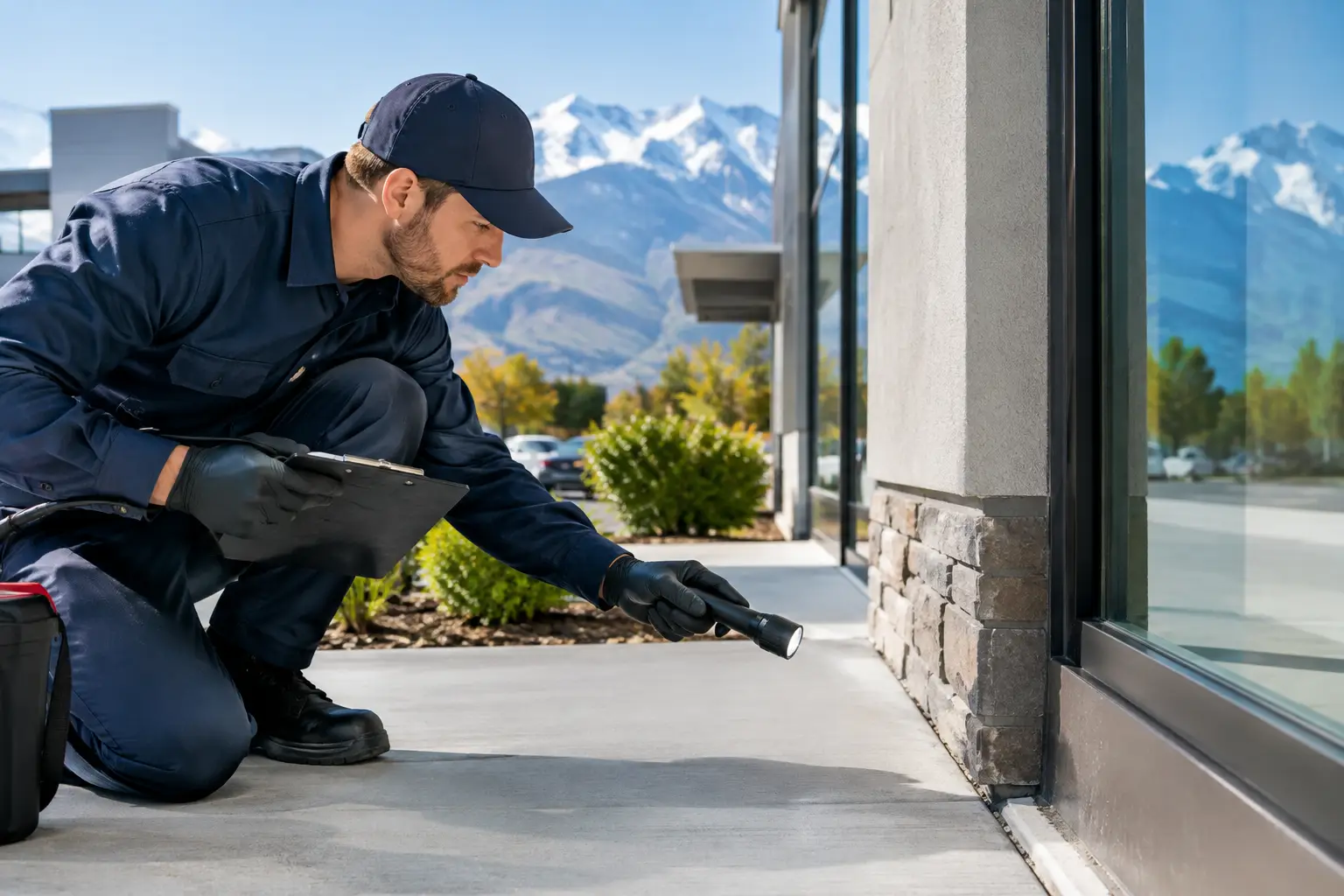
Use this commercial sanitation pest guide to reduce pest pressure, protect tenants and customers, and build a cleaner, safer Utah property year-round.
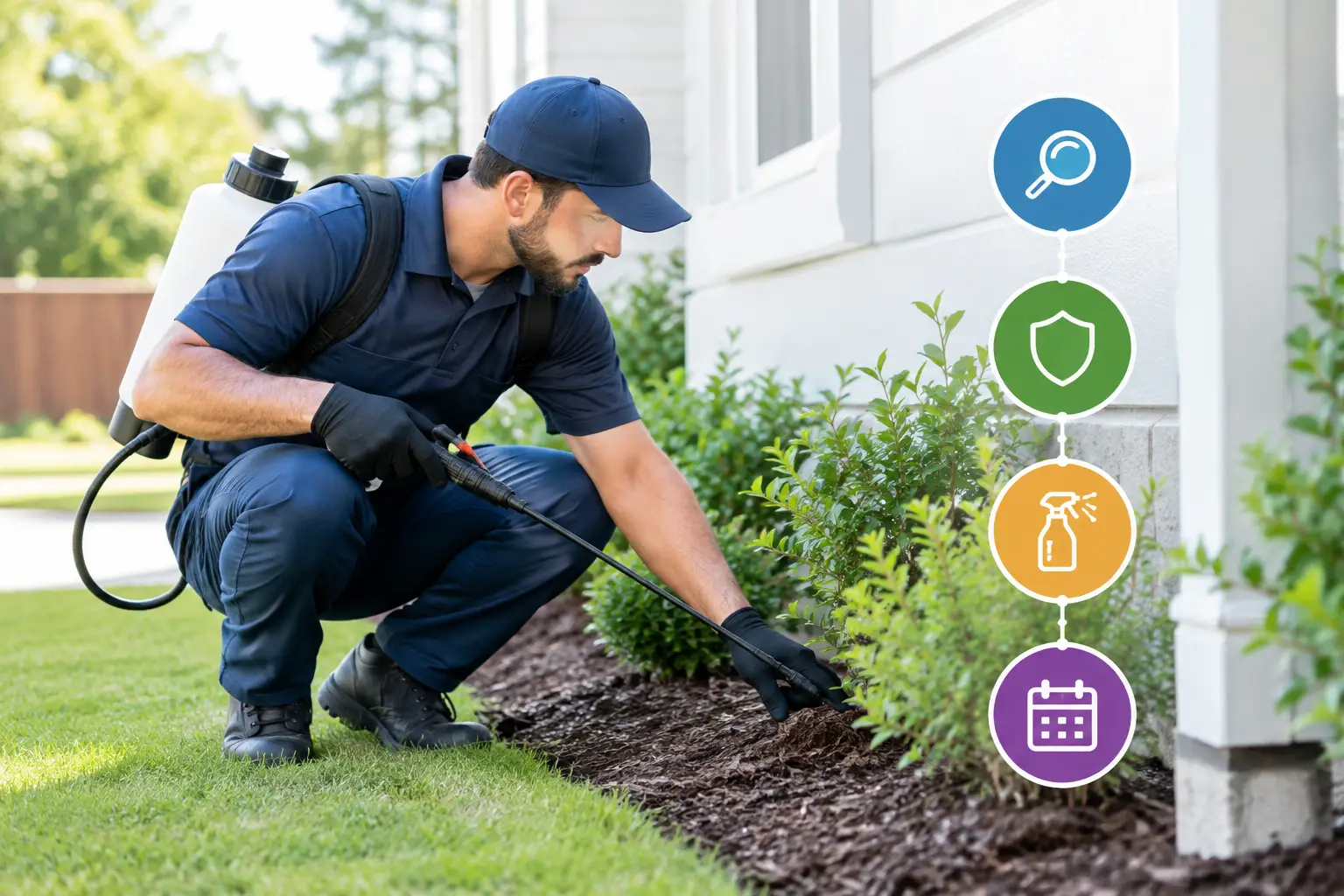
Follow this pest treatment timeline guide to know what happens before, during, and after service, and when your Utah home or business should improve fully.

Use this property pest management guide to identify risks, prevent infestations, and build a plan for homes, rentals, and businesses across Utah today.