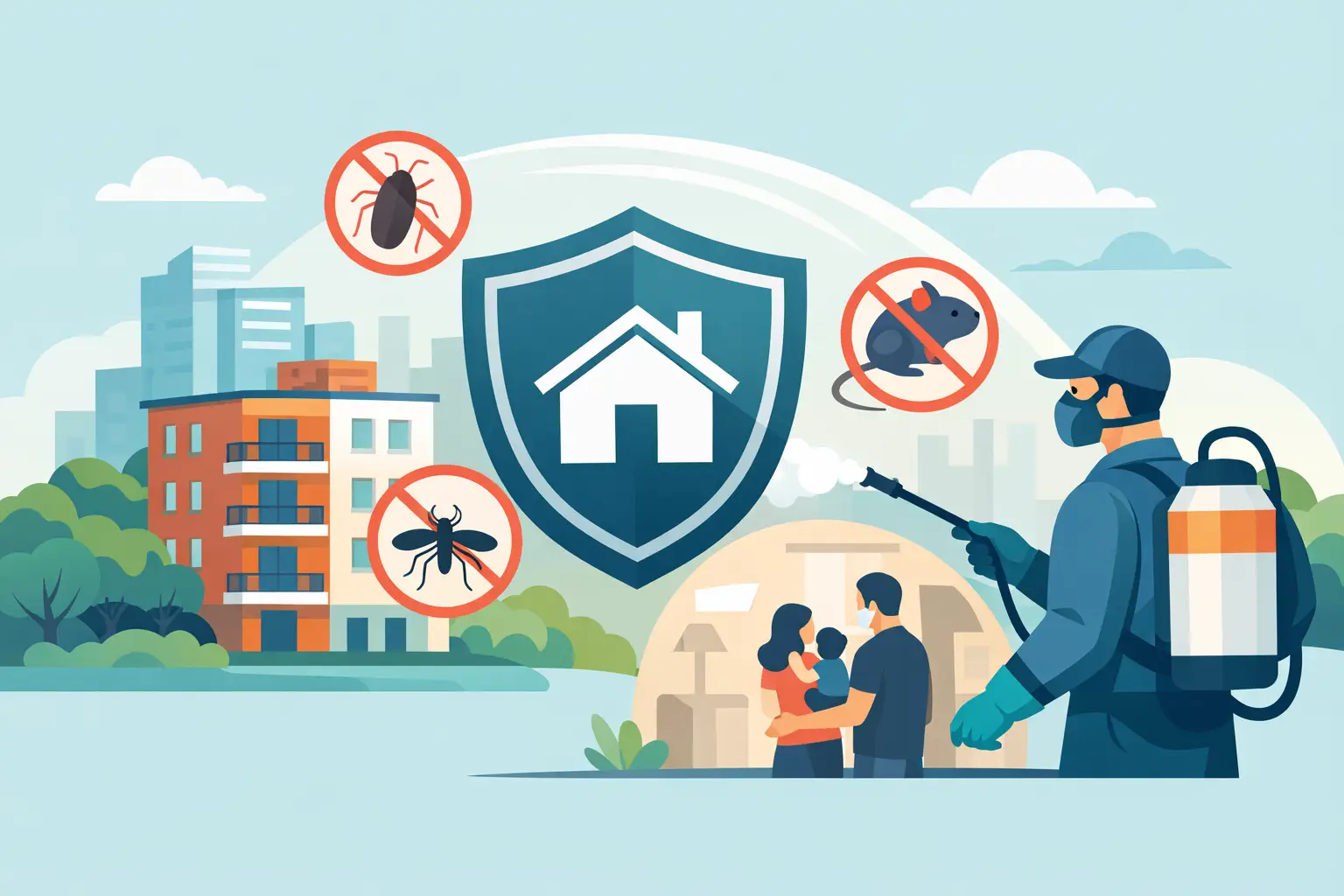
A single cockroach sighting in an apartment can become a dozen maintenance requests, a frustrated resident conversation, and an online review concern by the end of the week. Effective multi family pest control is not just about treating the unit where a pest was seen. It is about protecting the entire property, responding quickly, and stopping conditions that allow pests to move from one home to the next.
For Utah property managers, landlords, and housing operators, pest control has a direct connection to tenant comfort, retention, maintenance budgets, and the reputation of the community. A reliable plan should account for the building layout, occupancy, shared spaces, exterior conditions, and the pest pressure affecting the property.
Why Multi Family Pest Control Needs a Different Approach
A single-family home is one environment with one household’s habits, entry points, and sanitation routines. Multi-family properties are different. Apartments, townhomes, condominiums, and mixed-use buildings have shared walls, utility lines, hallways, trash areas, laundry rooms, storage spaces, and landscaping that can all contribute to pest activity.
That means treating only the reported unit may provide temporary relief without solving the larger issue. Cockroaches can travel through wall voids and plumbing penetrations. Ants may forage across several units while nesting outdoors or beneath a slab. Rodents can move through attics, crawl spaces, garages, and utility chases before a tenant ever sees one.
The right response depends on the pest and the property. An isolated spider concern may need a focused treatment and exterior prevention. Repeated cockroach reports in neighboring units call for a coordinated inspection, targeted treatment, tenant communication, and follow-up. One-size-fits-all service can leave management teams dealing with the same calls month after month.
What a Strong Multi Family Pest Control Plan Includes
A dependable program begins with a property-specific assessment. Building square footage, lot size, unit count, construction style, landscaping, trash placement, and previous pest history all affect the service plan. A large community with detached garages and extensive grounds has different needs than a fourplex with a shared basement.
Inspection Beyond the Reported Unit
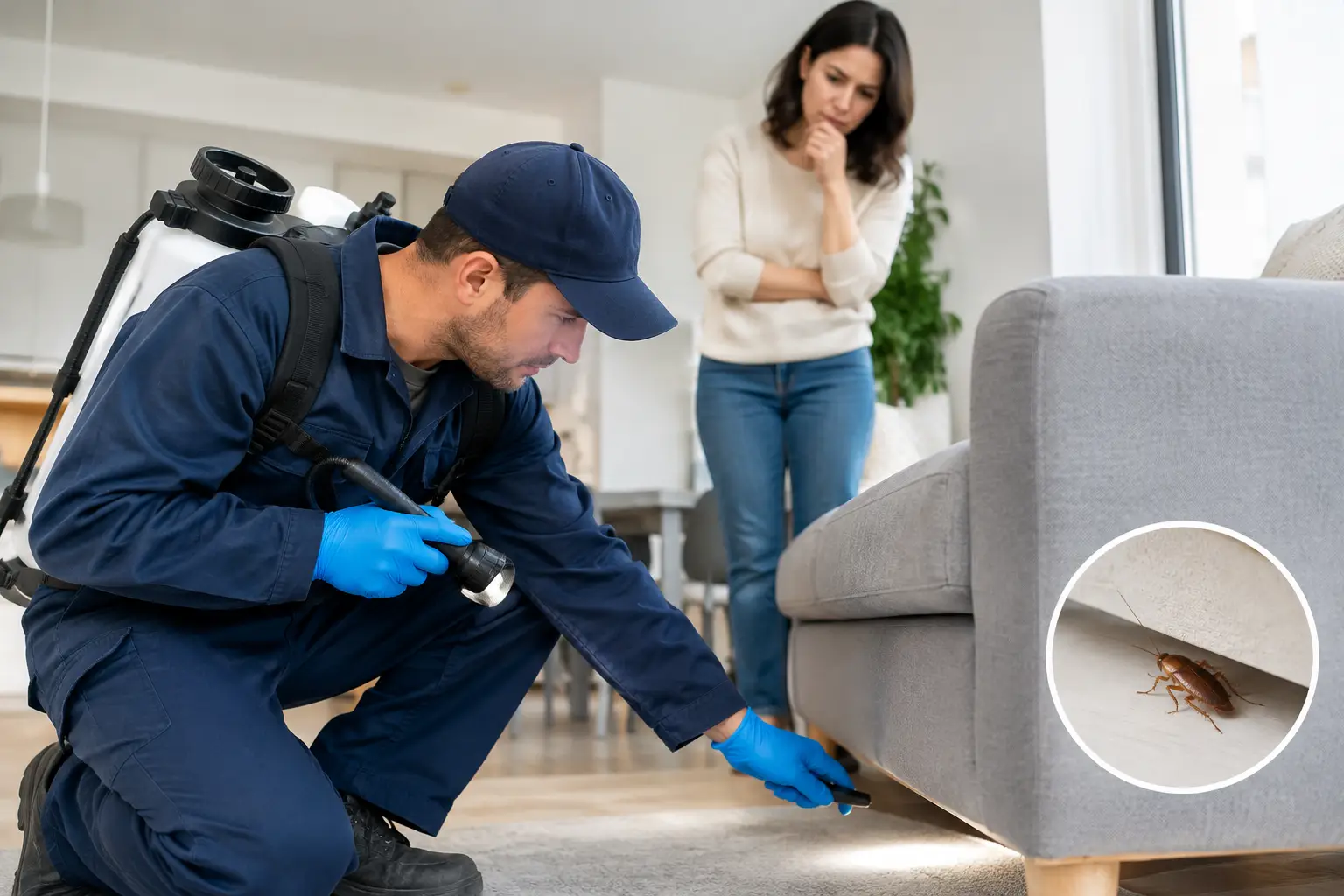
When a tenant reports activity, the technician should identify what the pest is, where it may be entering, and whether nearby areas could be affected. This is particularly important for pests that spread through connected living spaces, including cockroaches, bed bugs, ants, and rodents.
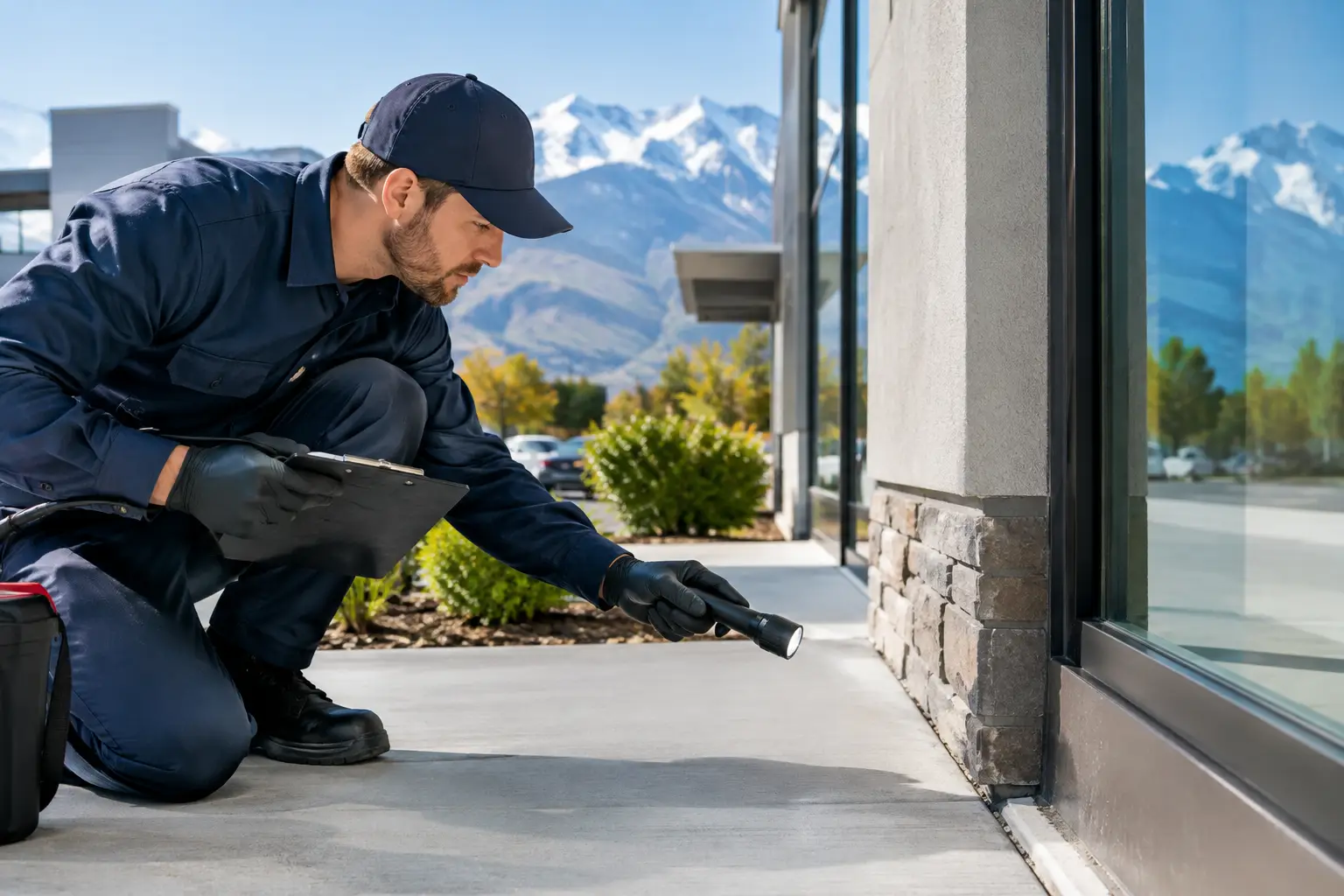
Inspections may include the affected unit, adjacent units when appropriate, common areas, utility access points, garbage enclosures, exterior foundations, and landscape features. The goal is not to create unnecessary disruption. It is to find the source of the problem before it expands.
Targeted Treatments With Prevention Built In
The most effective service combines active treatment with prevention. Active infestations need prompt, pest-specific control. Prevention reduces the conditions and access points that invite a new problem.
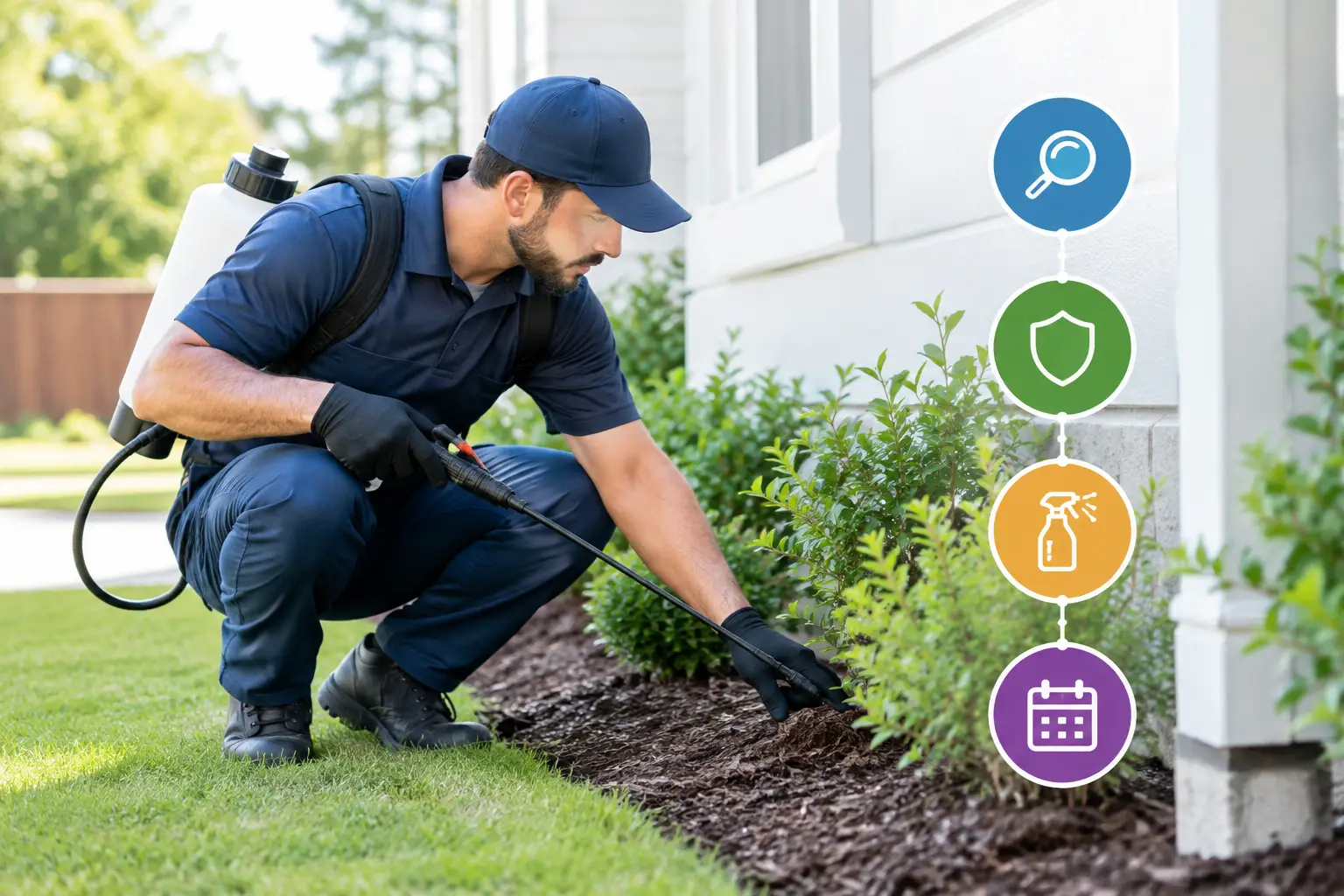
For example, cockroach control may involve carefully placed products in harborage areas, monitoring, sanitation guidance, and scheduled follow-up visits. Ant prevention may focus on exterior barriers, treatment around entry points, and reducing moisture or food sources. Rodent work may require trapping along with recommendations for sealing gaps, repairing damaged screens, or addressing vegetation that gives rodents cover near the building.
Safety should guide every decision. A professional plan uses products and application methods appropriate for occupied housing, while giving residents and staff clear instructions when preparation or temporary precautions are needed.
Consistent Service for Common Areas and Exteriors
Common areas are often overlooked until they become the source of recurring pest complaints. Dumpster pads, mailrooms, laundry facilities, clubhouses, storage rooms, maintenance shops, and playground-adjacent landscaping all deserve attention.
Regular exterior service can reduce the pest pressure that reaches buildings in the first place. In Utah, seasonal shifts matter. Warmer months can bring more ants, spiders, wasps, and other crawling insects, while cooler weather may push rodents toward warm structures. Ongoing prevention helps a property stay ahead of those changes instead of reacting after tenants report activity.
Communication Makes Pest Service More Effective
Property managers should not have to chase down answers after submitting a service request. Clear communication between the pest control team, management staff, maintenance personnel, and residents helps treatments work better and keeps concerns from escalating.
Residents may need simple preparation instructions, such as clearing a cabinet area, reducing clutter near a treatment location, securing food, or allowing access for a follow-up visit. These requests should be straightforward and tied to the reason they matter. A tenant is more likely to cooperate when they understand that preparation helps protect their home and prevents pests from spreading.
Management also benefits from service records that identify recurring concerns, treated areas, and recommended repairs. When the same building or unit repeatedly shows activity, that pattern can point to a structural issue, moisture problem, sanitation concern, or gap in the current prevention schedule.
When Recurring Service Is Worth It
Recurring service is usually the best fit for larger properties, communities with common areas, buildings with a history of pest activity, or locations near open fields, waterways, restaurants, or high-traffic commercial spaces. It gives the provider a chance to monitor changes, refresh preventive treatments, and address small concerns before they turn into resident-wide issues.
That does not mean every property needs the same visit frequency. A newer, well-sealed condominium building may need a different schedule than an older apartment complex with mature landscaping and multiple trash enclosures. The best schedule is based on inspection findings, pest trends, resident reports, and the time of year.
Reactive-only service can appear less expensive at first, but repeated emergency calls, vacant-unit delays, resident concessions, and maintenance coordination can quickly cost more than a planned program. Prevention is often the more predictable option for budgeting and tenant care.
Steps Property Teams Can Take Between Visits
Pest control works best when the property team supports the plan between professional visits. Maintenance staff play a particularly valuable role because they often spot building issues first.
Keep trash areas clean and lids closed, address leaking pipes and standing water quickly, repair torn door sweeps and window screens, and keep shrubs or mulch from pressing against exterior walls. In vacant units, inspect for food debris, plumbing leaks, and open utility penetrations before the next resident moves in.
It also helps to encourage early reporting. Tenants sometimes wait because they worry a pest issue will be blamed on them. A calm, responsive reporting process gives management a better chance to inspect and treat a problem while it is still contained.
Choosing a Pest Partner for Your Property
Multi-family service should feel organized, responsive, and tailored to the actual property. Look for a provider that understands connected living spaces, can handle both prevention and active infestations, and is prepared to coordinate with management when access, scheduling, or tenant communication is involved.
Ask how the company builds its quote, what is included in routine service, how urgent pest reports are handled, and whether technicians can recommend practical exclusion or sanitation improvements. A consultation-led approach is especially valuable because the size and layout of a property matter as much as the pest itself.
Pest Xperts provides customized pest-management service for multi-family properties throughout the Wasatch Front and surrounding Utah communities. The right plan starts with understanding your buildings, your residents, and the concerns that need attention now.
A well-managed property should give residents one less thing to worry about when they close their front door. Address pest concerns early, keep communication clear, and build prevention into routine property care so small signs do not become larger disruptions.
continue reading
Related Posts
Use this commercial sanitation pest guide to reduce pest pressure, protect tenants and customers, and build a cleaner, safer Utah property year-round.
Who handles tenant pests? Learn when a Utah landlord, tenant, or property manager is responsible and how fast action prevents a larger infestation problem.
Follow this pest treatment timeline guide to know what happens before, during, and after service, and when your Utah home or business should improve fully.