A successful pest treatment begins before the technician arrives. The right extermination preparation steps give treatment access to the places pests hide, protect your family’s belongings, and help your technician focus on the source of the problem instead of working around clutter or obstacles.
Preparation is not about making your home perfect. It is about making it workable. Whether you are dealing with cockroaches, ants, spiders, rodents, or another active pest issue, your instructions may vary based on the pest, treatment method, and layout of your property. Always follow the directions provided for your specific service first.
Why Preparation Makes a Difference
Pests rarely stay in the open. They travel through wall voids, gather around plumbing, hide behind appliances, and settle into quiet, undisturbed areas. When those locations are accessible, your pest control technician can inspect more thoroughly and apply treatment where it will be most effective.
Good preparation also helps limit disruption. Putting away food, clearing targeted areas, and planning for pets or children in advance allows treatment to move efficiently and safely. For property managers and landlords, this is especially important in multi-family buildings, where one unprepared unit can make a larger pest issue harder to control.
Extermination Preparation Steps to Complete First
Confirm the service details
Read the service confirmation and any preparation instructions as soon as you receive them. Check the appointment window, identify the pest being treated, and ask whether you need to leave the property for a period of time. A cockroach treatment may require more kitchen and bathroom access than a general exterior service, while rodent work may involve attics, garages, utility rooms, or crawlspace entry.
If you are unsure what applies to your home or facility, ask before the appointment. It is better to clarify whether bedding needs to be removed, cabinets need to be emptied, or pets need to be relocated than to guess on treatment day.
Clear access to active areas
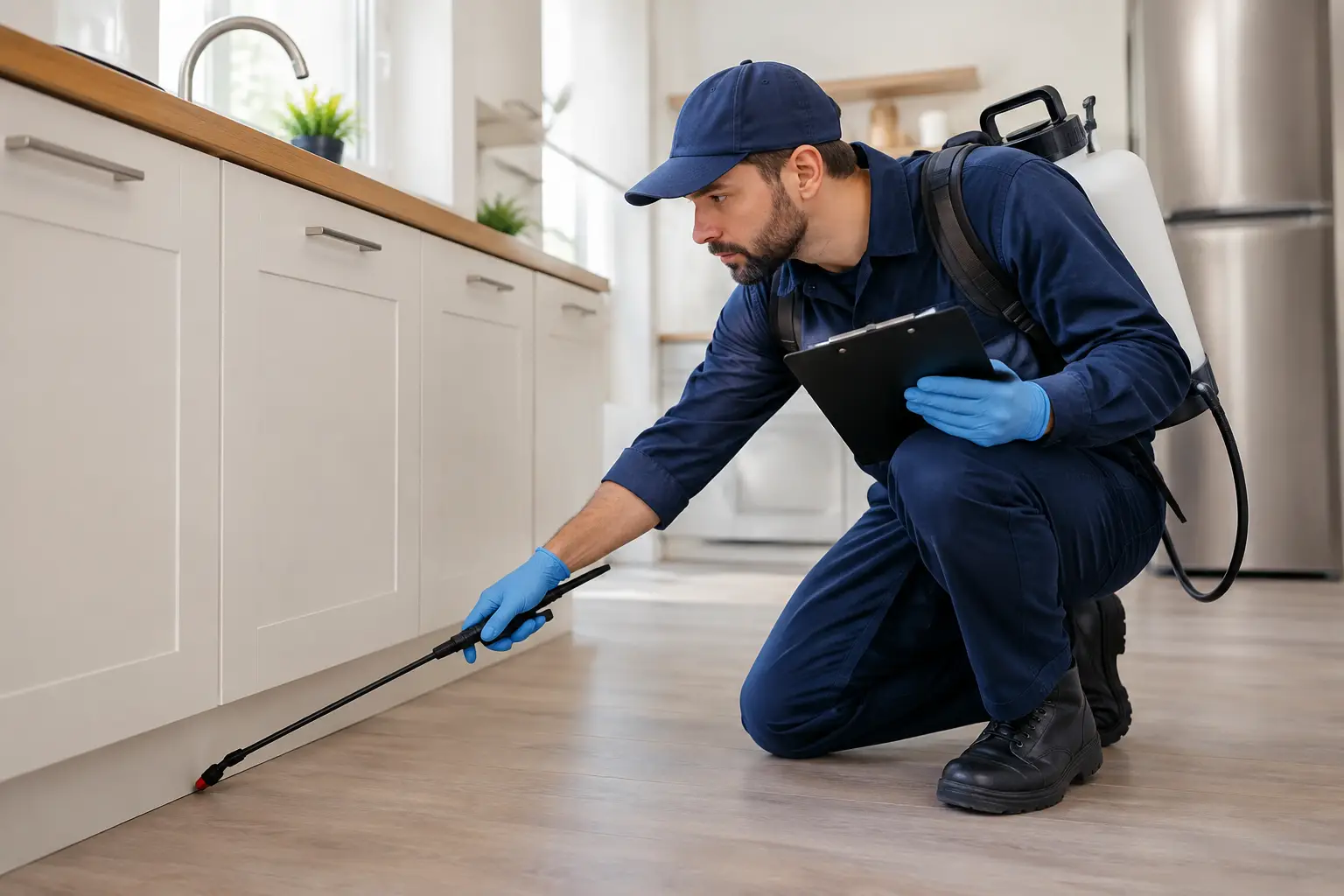
Move items away from the areas where pest activity has been seen. Focus on baseboards, under sinks, behind toilets, inside lower cabinets when instructed, and around appliances such as refrigerators and stoves. Technicians do not need an empty house, but they do need a reasonable path to inspect and treat targeted locations.
In kitchens, remove loose items from countertops and give special attention to the spaces around the stove, dishwasher, and refrigerator. In bathrooms, clear products from beneath sinks and make the floor area accessible. For garages, storage rooms, and utility areas, move boxes or stored items away from walls when possible.
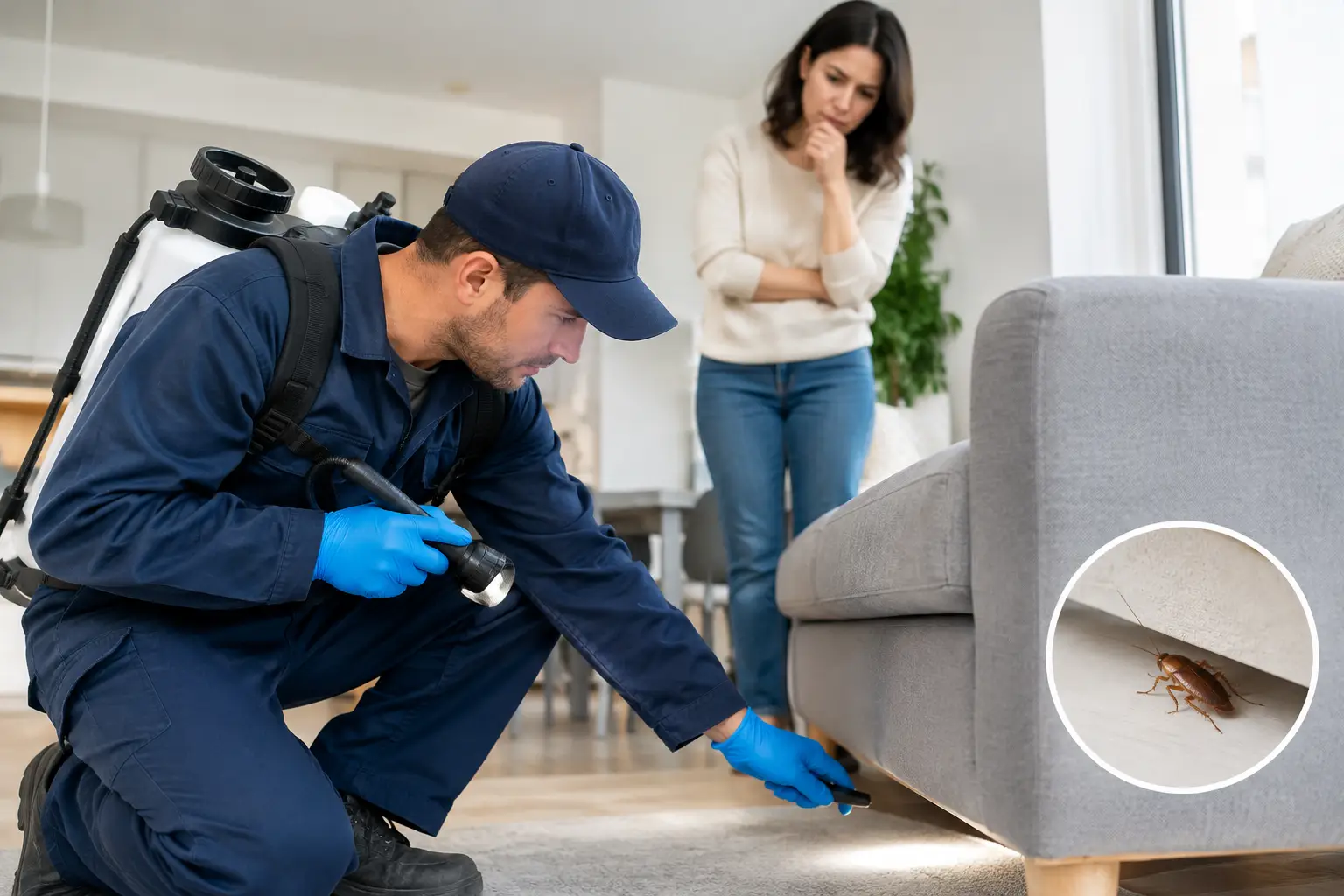
Avoid shifting pest activity from one room to another by carrying infested items through the home unnecessarily. If you have seen cockroaches in a particular drawer, cabinet, or appliance area, point it out to your technician rather than trying to solve it with a last-minute deep clean alone.
Store food and protect food-contact items
Put food away in sealed containers, cabinets, or the refrigerator. This includes pet food, fruit on the counter, bread, snacks, and open pantry items. Remove dishes, cookware, and utensils from treatment areas if your service instructions call for it, then cover or store them until the treatment is complete.
Wipe crumbs, spills, grease, and standing water from counters and floors. Sanitation will not replace professional treatment, but it removes the easy food and moisture sources that keep many pests active. This is one of the most useful steps homeowners can take after a treatment as well.
Plan for children, pets, and sensitive spaces
Your family’s safety comes first. Keep children and pets away from the work areas during service, and follow the technician’s directions on when it is appropriate to reenter. Fish tanks, reptile enclosures, bird cages, and other sensitive pet environments may need extra care, so mention them before treatment begins.
If someone in the home has allergies, respiratory concerns, or other health considerations, share that information with the technician. The same applies to a commercial setting with tenants, employees, customers, food preparation, or regulated areas. A clear conversation helps the technician choose the right approach for the site.
Do not apply extra products right before service
It can be tempting to spray every insect you see before professional treatment. In many cases, that can make the job more difficult. Store-bought sprays may repel pests deeper into walls or push them into untreated areas, especially with cockroaches and ants.
Do not mix chemicals or use foggers unless your technician specifically advises it. Let your pest control professional know about any products you have already used, including sprays, baits, powders, or essential-oil products. That information helps prevent overlapping treatments and supports a safer, more effective plan.
Prepare the Outside of the Property Too
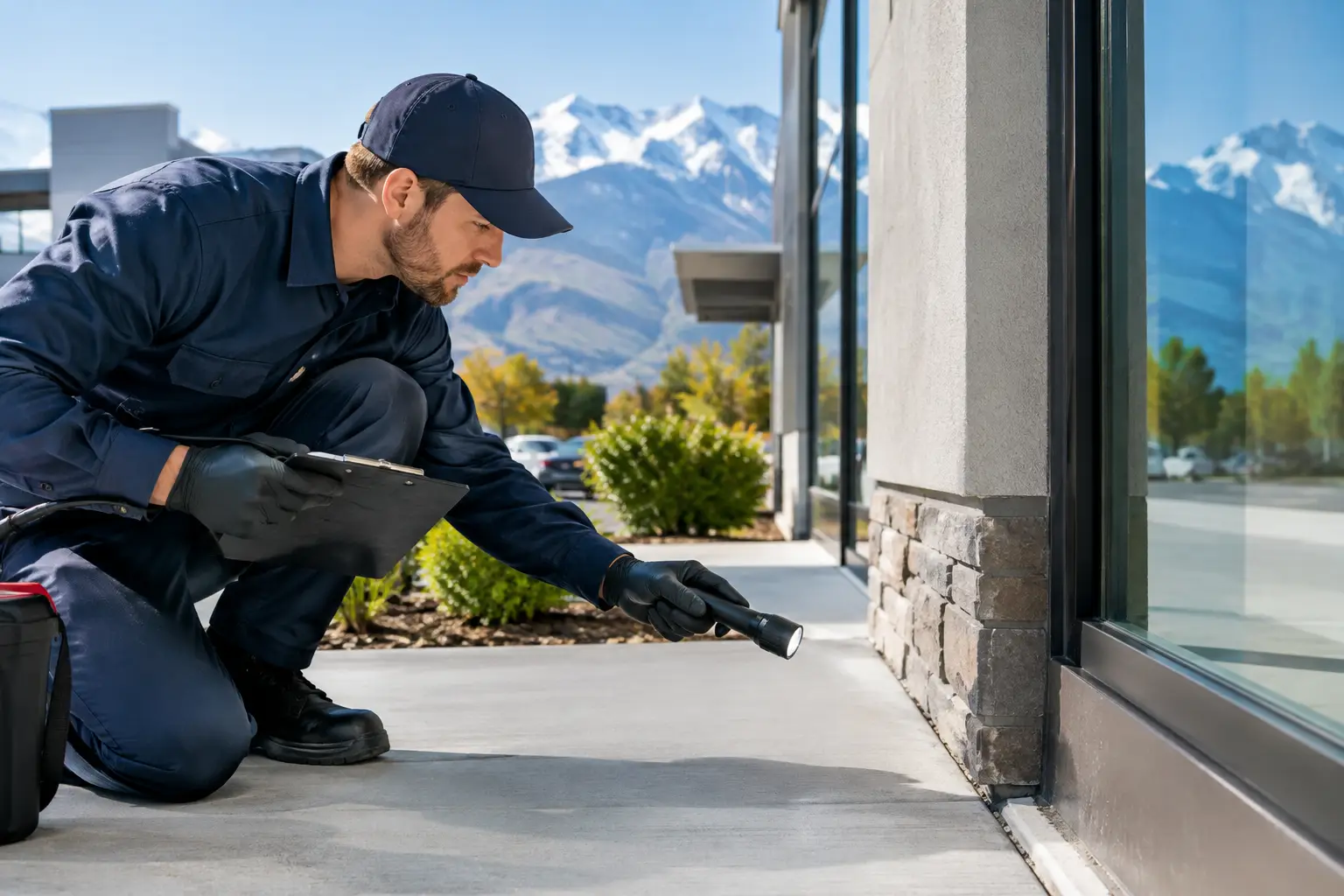
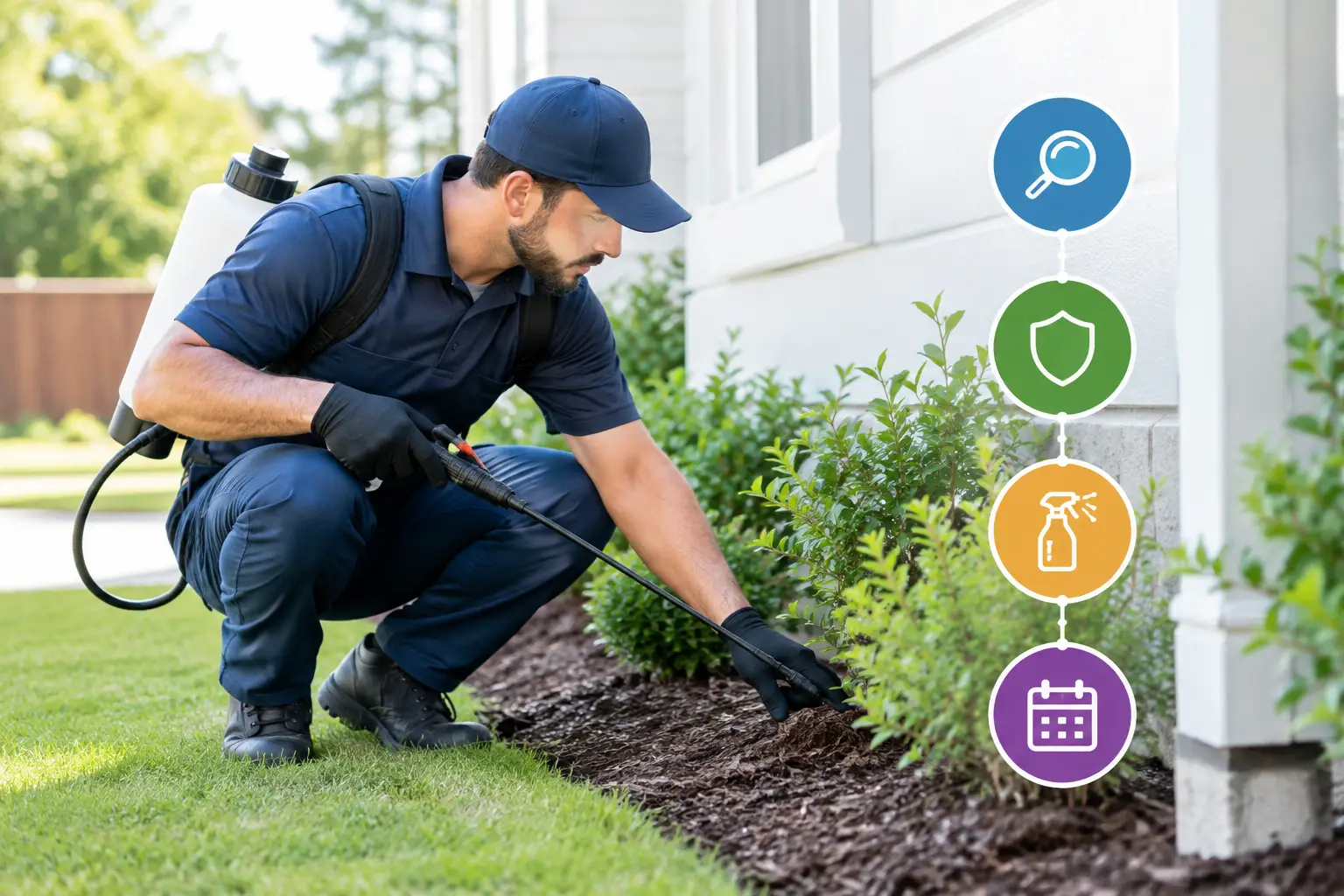
Exterior conditions can contribute to indoor pest pressure. Before your appointment, unlock gates, secure pets, and make sure the technician can reach exterior foundation walls, entry points, window wells, and utility areas. Trim back vegetation that is pressed against the home when practical, and move stored materials away from the foundation.
Standing water, overflowing bins, and clutter near the building can give pests food, shelter, or a travel route indoors. You do not have to complete a major landscaping project before treatment, but addressing obvious conditions helps with long-term prevention.
For apartment communities and commercial properties, make sure the technician has access to mechanical rooms, trash areas, common spaces, and any unit or suite where activity has been reported. Coordinating access ahead of time protects the schedule and helps avoid gaps in treatment.
What to Expect After Treatment
The work does not always end when the technician leaves. Depending on the pest and the treatment, you may see increased activity for a short time as pests move out of hiding places. That does not automatically mean the treatment failed. Follow the instructions you receive about cleaning, reentry, ventilation, monitoring, and when to expect results.
Avoid immediately washing treated baseboards, cracks, or other targeted areas unless directed to do so. Routine cleaning of food-preparation surfaces is still appropriate once you have been told it is safe, but removing a treatment too soon can reduce its effectiveness.
Continue practical prevention habits: keep food sealed, repair leaks, empty trash regularly, and report new activity early. With rodents, watch for fresh droppings, gnaw marks, or noises in walls. With cockroaches, note where and when you see them. Specific observations give your technician better information if follow-up service is needed.
When Preparation Needs to Be More Detailed
Some services require specialized preparation. Bed bug treatment, flea treatment, heavy cockroach activity, and certain commercial pest issues often involve more detailed instructions because pests can be spread through fabrics, clutter, food storage, or shared building areas.
The right plan also depends on the property. A single-family home, restaurant, office, warehouse, and multi-family community each have different access needs and safety considerations. Pest Xperts uses a property-specific approach because effective extermination is never one-size-fits-all.
If you manage a rental property, communicate the preparation requirements clearly and early. Residents are more likely to cooperate when they understand that access, sanitation, and follow-up protect their home as well as neighboring units.
A little preparation gives your treatment the best possible start. Clear the areas that matter, protect food and pets, share what you have seen, and let your technician know about any concerns before service begins. That partnership is one of the strongest defenses your property can have against recurring pest problems.
continue reading
Related Posts
Use this commercial sanitation pest guide to reduce pest pressure, protect tenants and customers, and build a cleaner, safer Utah property year-round.
Who handles tenant pests? Learn when a Utah landlord, tenant, or property manager is responsible and how fast action prevents a larger infestation problem.
Follow this pest treatment timeline guide to know what happens before, during, and after service, and when your Utah home or business should improve fully.