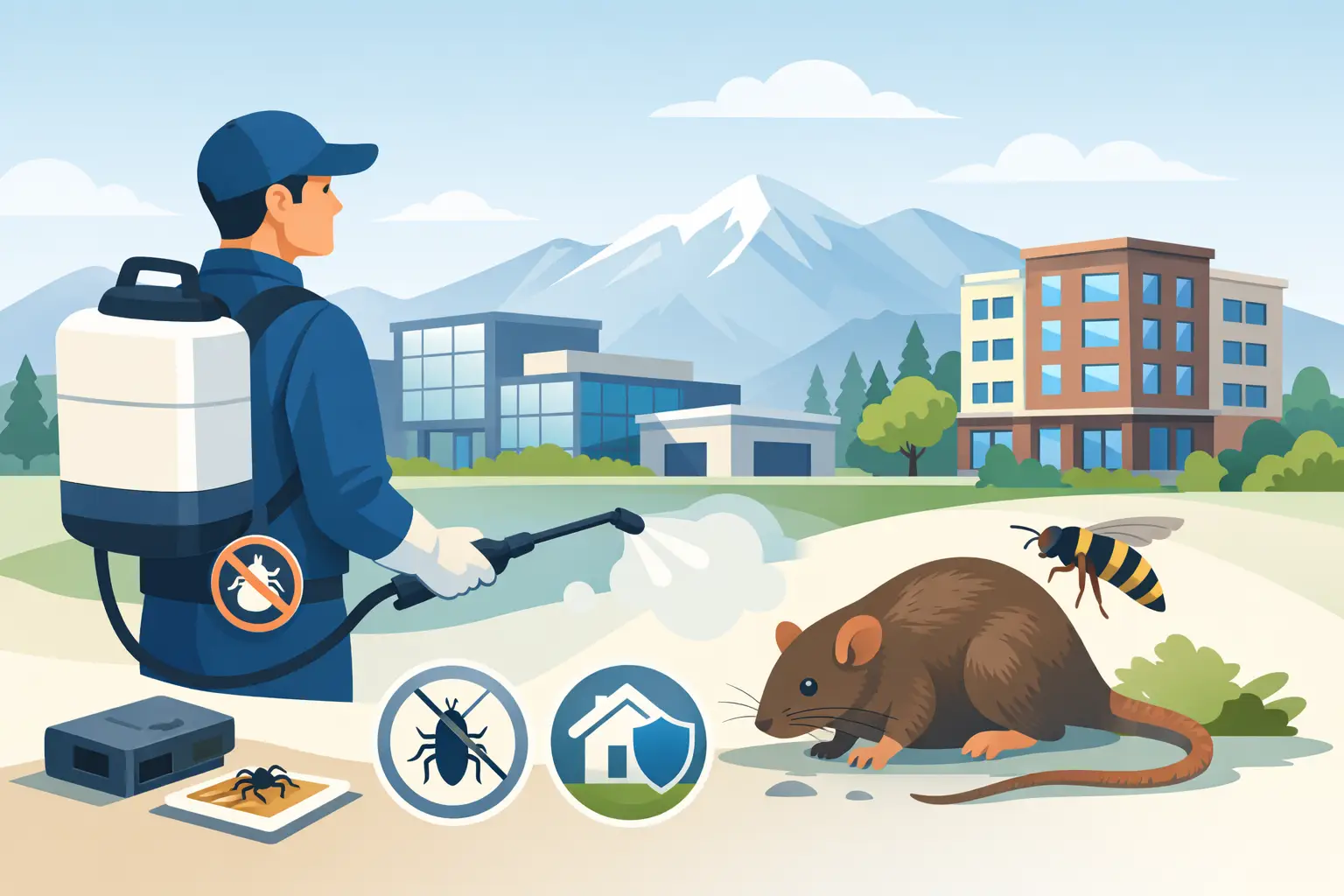
A tenant sees a cockroach in a shared hallway. A restaurant employee finds droppings near dry storage. A facility manager notices wasps gathering around an entrance before the morning rush. These are not small concerns to set aside until next week. Commercial pest control Utah property owners rely on should address the immediate problem while preventing the next complaint, failed inspection, or costly spread.
For businesses and multi-family properties, pests affect more than comfort. They can disrupt operations, damage a reputation that took years to build, create sanitation concerns, and place extra pressure on maintenance teams. The right plan is not a one-time spray with a generic schedule. It starts with how your property is used, where pests can enter, and what needs protection.
Why Commercial Pest Problems Need a Different Approach
A home may have one household and a relatively consistent routine. Commercial properties are more complex. Apartments have many kitchens, shared walls, storage spaces, trash areas, utility rooms, and residents with different habits. Offices, retail spaces, warehouses, and food-service locations each have their own traffic patterns, moisture sources, deliveries, and sanitation needs.
That complexity changes how pest activity should be handled. Treating only the unit, room, or corner where a pest was reported may provide short-term relief, but it can leave the source untouched. A cockroach issue in one apartment, for example, may be connected to neighboring units, plumbing penetrations, cluttered storage, or a shared dumpster area.
Effective service considers the full site. That means looking at pest pressure around the building, possible entry points, landscaping, garbage handling, moisture conditions, food sources, and areas where people or products move in and out. It also means coordinating with the people who manage and use the property.
What a Property-Specific Pest Plan Should Include
Commercial pest control works best as an ongoing management process, not a reaction after pests become visible. The scope should fit the building size, lot size, pest history, industry, and level of activity. A small office suite does not need the same service schedule as a large apartment community, and a food-related business may need closer monitoring than a low-traffic professional office.
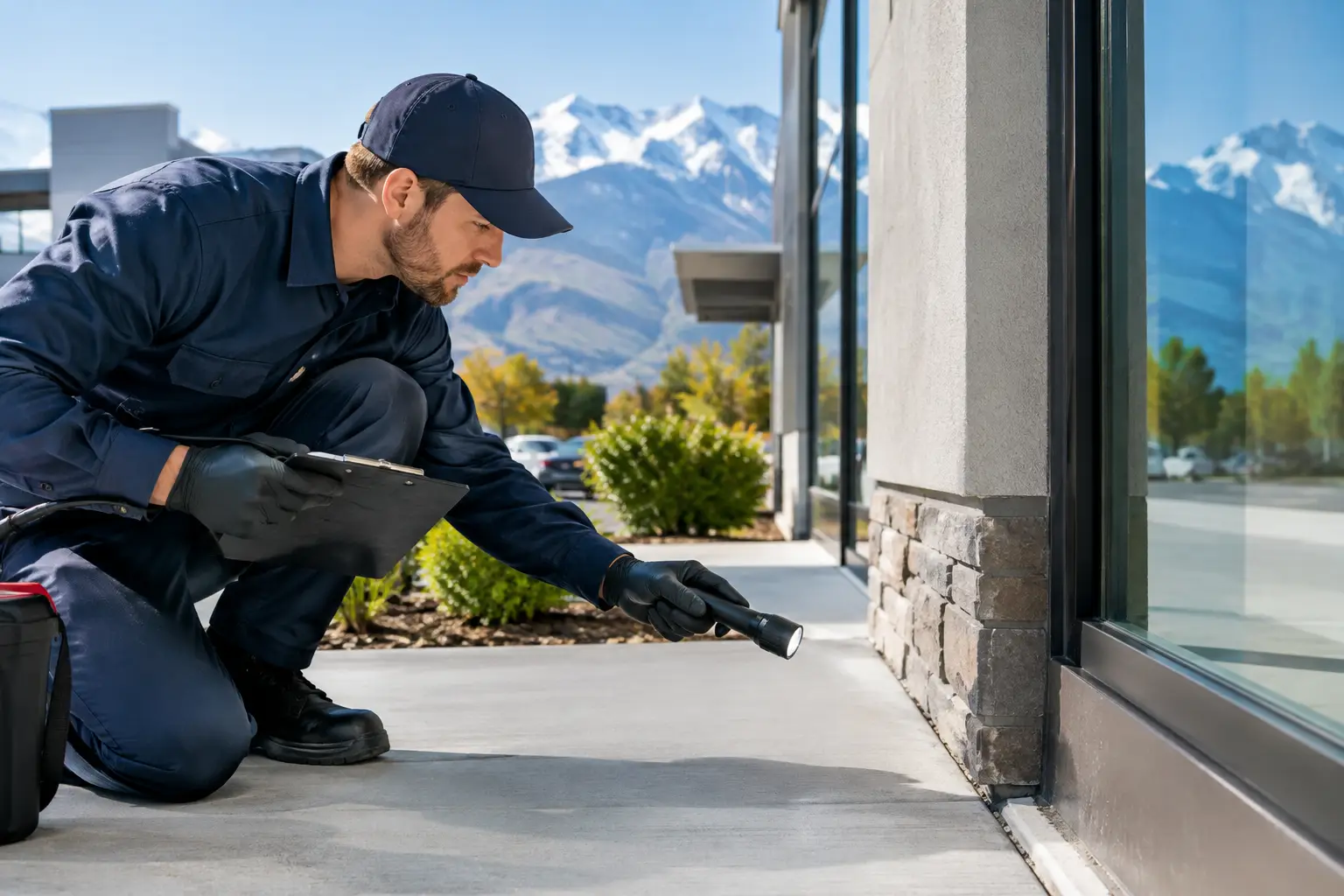
A strong plan typically begins with a detailed assessment. A technician should identify the pest involved, inspect likely harborages and entry points, and ask practical questions about past treatments, cleaning schedules, tenant reports, deliveries, and recent building changes. Accurate identification matters because ants, cockroaches, rodents, spiders, and stinging insects each require different control methods.
Prevention comes next. Sealing gaps around utility lines, repairing door sweeps, correcting moisture issues, improving dumpster practices, and reducing outdoor harborage can make a meaningful difference. Treatment is still important when there is active activity, but exclusion and sanitation help reduce the conditions that keep bringing pests back.
Monitoring and documentation complete the picture. Regular inspections can catch activity before it becomes a larger infestation. Clear service notes also help property managers track recurring trouble spots, communicate with staff or tenants, and make informed maintenance decisions.
Commercial Pest Control Utah Seasons Can Change the Pressure
Utah properties face shifting pest pressure throughout the year. Warmer months often bring more ants, spiders, wasps, and other insects around entrances, landscaping, patios, and exterior lighting. As temperatures drop, rodents may look for warm indoor shelter, especially in facilities with loading doors, storage areas, or openings around pipes and utility lines.
Multi-family communities can experience pest activity in every season because shared walls, indoor food sources, laundry rooms, trash chutes, and plumbing corridors create year-round opportunities. Cockroaches in particular can spread quickly when early reports are missed or when treatment is limited to a single unit.
This is why a predictable prevention schedule is valuable. Waiting until a tenant, guest, or customer sees a pest puts your team in response mode. Routine inspection lets you address developing conditions on your schedule, with less disruption and fewer surprises.
High-Risk Areas Worth Checking Regularly
Pests usually take advantage of ordinary parts of a commercial property. A dumpster enclosure with overflowing bags, a propped-open receiving door, a slow plumbing leak, or a neglected utility closet can become a starting point for a bigger issue.
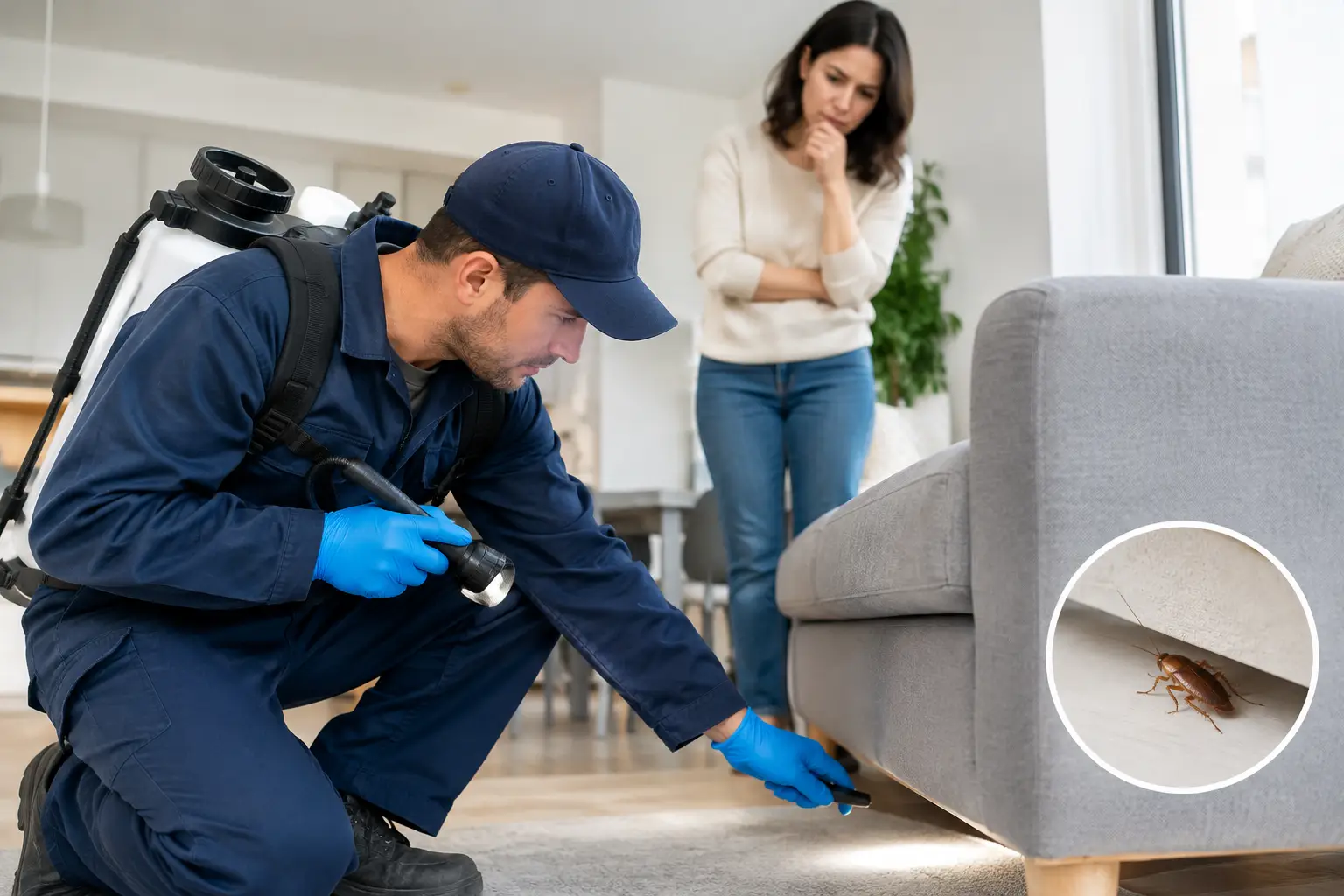
For multi-family managers, shared infrastructure deserves special attention. Inspect laundry rooms, mechanical rooms, hallways, storage areas, trash rooms, exterior foundations, and units with repeated reports. When a resident reports cockroaches, prompt communication and coordinated access are often as important as the treatment itself. Delays give pests more time to spread through cracks, voids, and shared plumbing routes.
For retail, office, and warehouse properties, look closely at break rooms, receiving areas, floor drains, inventory storage, ceiling voids, and exterior doors. Food crumbs, cardboard clutter, standing water, and open deliveries can all increase risk. There is no need to create a complicated checklist for every employee, but staff should know who to notify when they see droppings, insects, gnaw marks, nests, or unusual odors.
When to Call for Professional Service
A single ant near an exterior door may be manageable with good cleaning and a quick inspection of the entry. Repeated sightings, visible droppings, active nesting, bites or stings, damaged goods, or tenant complaints are different. Those signals call for professional evaluation before the issue affects more of the property.
The same is true after a change that increases risk. Construction work, landscaping changes, new tenants, moisture damage, a nearby vacancy, or a change in garbage collection can alter pest activity. A preventative inspection after these changes may be less expensive and less disruptive than waiting for an infestation.
Safety should remain central to every treatment decision. Commercial sites may have residents, children, pets, employees, customers, food, inventory, or sensitive equipment on-site. A qualified provider should explain what is being treated, why the method fits the pest issue, what preparation is needed, and when areas can be used normally. Clear instructions help protect people while allowing treatment to work as intended.
Choosing a Provider for Commercial Pest Control
The lowest quote is not always the lowest long-term cost. A service plan that misses the source of activity can lead to repeated callbacks, unhappy tenants, damaged inventory, and more extensive treatment later. Ask whether the provider will assess the actual building and lot rather than offer a one-size-fits-all package.
It is also reasonable to ask how they handle active infestations, follow-up service, documentation, and multi-unit coordination. Property managers need a partner who can communicate clearly, respond when the situation changes, and build a plan around the realities of the site.
Pest Xperts works with Utah property owners and managers by starting with a consultation and developing service around the scale and needs of the property. For commercial and multi-family sites, that practical approach helps focus service where it will make the greatest difference.
A clean, well-managed property sends a message to every tenant, customer, and employee who walks through the door. If pest activity is appearing more than once, treat it as useful information about the building and act early. A timely assessment can protect your property, your people, and the confidence others place in your business.
continue reading
Related Posts
Use this commercial sanitation pest guide to reduce pest pressure, protect tenants and customers, and build a cleaner, safer Utah property year-round.
Who handles tenant pests? Learn when a Utah landlord, tenant, or property manager is responsible and how fast action prevents a larger infestation problem.

Follow this pest treatment timeline guide to know what happens before, during, and after service, and when your Utah home or business should improve fully.