
A few ants near the kitchen sink or a spider in the garage may seem minor. But when pest activity is repeated, spreads to new areas, or appears in a rental unit, it is usually a sign that the property is giving pests what they need: food, moisture, shelter, or access. This property pest management guide helps homeowners, landlords, property managers, and business owners recognize those conditions and respond before a small issue becomes a larger disruption.
Pest control is not just about treating what you can see. A lasting plan looks at the whole property, including exterior entry points, landscaping, trash areas, plumbing, storage, tenant habits, and the way a building is maintained over time. That approach is especially valuable along the Wasatch Front, where changing seasons can drive pests indoors for shelter, water, and warmth.
Start With a Property Pest Management Assessment
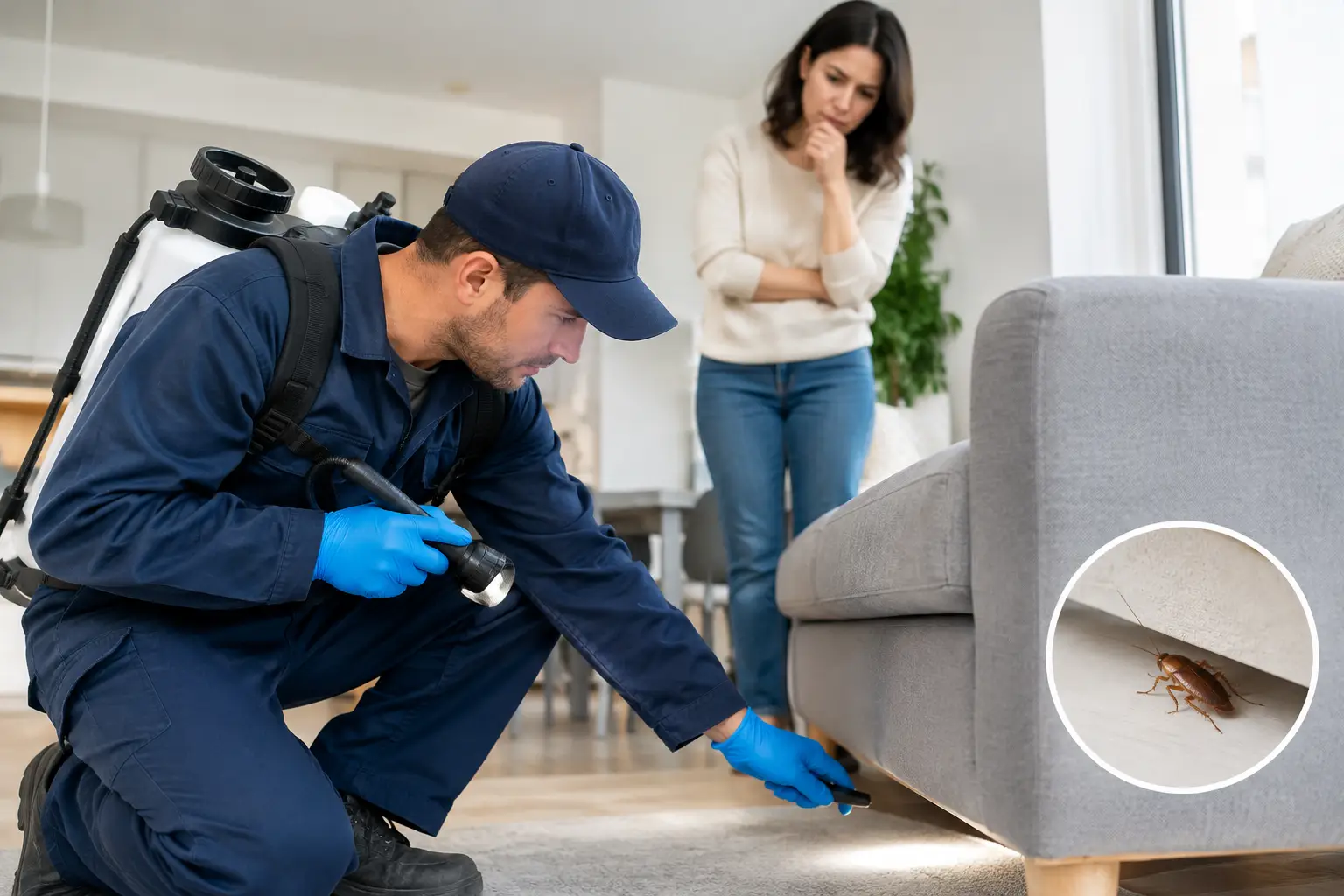
The right treatment starts with a clear picture of what is happening. Different pests leave different clues, and the location of those clues matters. Ant trails near a window can point to an exterior entry route. Cockroach activity around a dishwasher, refrigerator, or utility room may indicate moisture and hidden harborage. Rodent droppings in a garage or mechanical space often suggest an opening nearby.
Walk the property with purpose. Look beyond the room where activity was first reported and inspect the areas connected to it. In a home, that may include the pantry, basement, garage, crawl space, attic, and exterior foundation. In a commercial or multi-family setting, add trash enclosures, laundry rooms, utility chases, shared walls, storage areas, kitchens, and vacant units.
Document the basics: what you saw, where you saw it, when it appeared, and whether the activity is increasing. Photos can be useful, particularly for property managers coordinating maintenance and pest service across several units. This record also helps distinguish an occasional outdoor pest from an active indoor infestation that needs immediate attention.
Know When Activity Is More Than Occasional
A single insect does not always mean an infestation. Some pests wander inside from outdoors, especially during weather changes. Repeated sightings, however, deserve attention. You should move quickly when you see cockroaches during the day, rodent droppings, gnaw marks, nesting material, bed bug signs, insect activity around food storage, or pests appearing in multiple rooms or units.
For apartment communities and other multi-family properties, one report can affect more than one resident. Pests may travel through wall voids, plumbing lines, shared hallways, and utility spaces. Treating only the unit that reported the problem can reduce visible activity without addressing the source. A broader inspection and coordinated plan are often necessary.
Remove the Conditions Pests Depend On
Most prevention work comes down to making the property less useful to pests. This is practical maintenance, not a complicated checklist. When food, water, and hiding places are limited, pests have fewer reasons to stay.
Keep food in sealed containers, clean crumbs and spills promptly, and avoid leaving pet food out overnight when possible. Garbage should be contained, removed regularly, and kept away from exterior doors. In businesses, break rooms, employee lockers, kitchen areas, and delivery zones need the same attention as customer-facing spaces.
Moisture control is equally important. Repair dripping pipes, watch for leaks under sinks, keep drains functioning properly, and address condensation around appliances or HVAC equipment. Cockroaches, ants, and other pests can thrive in damp, protected spaces that receive little attention until there is a problem.
Clutter creates another challenge. Cardboard boxes, stacked paper, unused equipment, and crowded storage rooms give pests quiet places to hide. You do not need an empty garage or spotless maintenance room, but stored items should be organized, elevated when practical, and inspected periodically. This makes pest activity easier to spot and treatment more effective if service is needed.
Seal Entry Points Before the Season Changes
Pests do not need a large opening to get inside. Gaps around pipes, utility lines, doors, windows, vents, and foundations can provide easy access. Check door sweeps, screens, weatherstripping, and caulking, particularly around older buildings or properties with recent utility work.
Outside, keep vegetation trimmed back from siding and rooflines. Avoid allowing mulch, leaves, or stored materials to build up directly against the foundation. These areas can hold moisture and create protected pathways close to the structure. Good exterior maintenance does not replace professional pest service, but it can significantly reduce pressure on the building.
Match Treatment to the Pest and Property
There is no one-size-fits-all pest plan. A preventive residential service may focus on the exterior, known entry points, and seasonal pest patterns. An active cockroach infestation may require detailed interior treatment, sanitation recommendations, follow-up visits, and close cooperation from occupants. Rodent control can require exclusion work as well as trapping and monitoring.
The same principle applies to commercial properties. A small office suite, restaurant-adjacent retail space, warehouse, and multi-family community all have different risk areas and service needs. Building size, lot size, occupancy, maintenance schedules, and the type of pest activity should shape the scope of work.
This is why consultation-led service matters. A good provider asks where activity has been reported, how long it has been occurring, what changes have happened on the property, and whether there are vulnerable areas such as children’s spaces, pet areas, food preparation zones, or tenant units. The goal is not simply to apply a product. It is to create a safe, targeted plan that addresses the actual issue.
Build a Routine Instead of Waiting for a Crisis
Reactive treatments are sometimes necessary, but prevention is usually less disruptive than dealing with a full infestation. A routine plan gives the property regular attention before pests establish themselves. For homeowners, that may mean seasonal service combined with simple upkeep between visits. For landlords and commercial operators, it can mean scheduled inspections, service documentation, clear reporting procedures, and maintenance follow-through.
Communication is a major part of pest management in shared properties. Residents and staff need to know how to report activity quickly, what information to provide, and what preparation may be required before service. They should also understand that sanitation and access matter. A technician cannot inspect behind a blocked utility closet or treat a kitchen effectively when food debris and standing water remain in place.
For property managers, consistency protects tenant satisfaction and helps prevent small reports from becoming recurring complaints. It also creates a more reliable record of service, maintenance needs, and trends across the property. If one building or unit has repeated activity, that pattern can point to a structural issue, moisture source, or operational gap that needs correction.
Choose Professional Help at the Right Time
Do-it-yourself products can have a place for minor, isolated pest activity, but they have limits. Improper use can expose people and pets to unnecessary risk, scatter pests into new areas, or mask a developing infestation. This is especially true with cockroaches, rodents, bed bugs, and pests in multi-family buildings.
Professional help is the right call when activity is persistent, widespread, difficult to identify, or affecting tenants, customers, food areas, or family living spaces. It is also wise when a property has unique needs, such as multiple structures, large lots, sensitive areas, or recurring issues that have not responded to basic prevention.
Pest Xperts works with Utah homes, businesses, and multi-family properties using property-specific plans built around the pest issue and the site itself. A qualified technician can identify contributing conditions, recommend practical corrections, and set expectations for treatment and follow-up without treating every property the same way.
A protected property is rarely the result of one visit or one product. It comes from noticing early signs, correcting the conditions pests use, and getting experienced help when the problem calls for it. If activity is growing or you are responsible for a property with multiple occupants, a timely inspection can bring clarity before the issue becomes harder to manage.
continue reading
Related Posts

Use this commercial sanitation pest guide to reduce pest pressure, protect tenants and customers, and build a cleaner, safer Utah property year-round.
Who handles tenant pests? Learn when a Utah landlord, tenant, or property manager is responsible and how fast action prevents a larger infestation problem.

Follow this pest treatment timeline guide to know what happens before, during, and after service, and when your Utah home or business should improve fully.