A line of ants across the kitchen counter or cockroaches in a tenant’s unit creates one urgent question: what will actually get rid of them? Chemical versus nonchemical pest control is not a simple choice between “strong” and “safe.” The right answer depends on the pest, the size of the problem, where it is happening, and who uses the property. A dependable plan protects people and property while addressing the conditions that let pests return.
For many Utah homes and multi-family properties, the best result comes from combining carefully selected treatments with practical prevention. That approach avoids unnecessary product use without relying on methods that may be too limited for an active infestation.
Chemical Versus Nonchemical Pest Control: The Real Difference
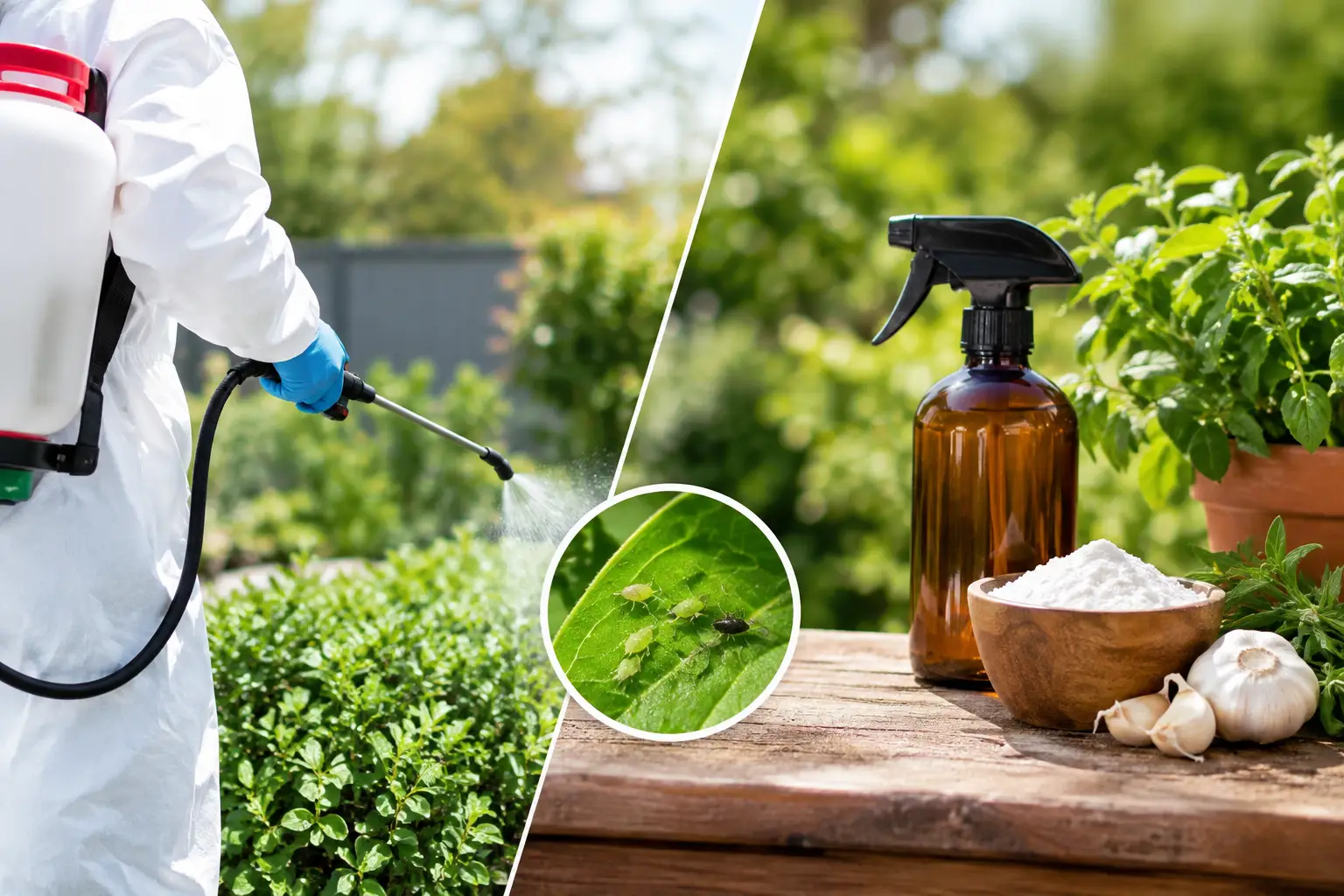
Chemical pest control uses products designed to repel, disrupt, or eliminate pests. Depending on the situation, that can include targeted liquid applications, baits, dusts, or other professional products. When applied correctly, these treatments can quickly reduce active pest populations and reach hiding areas that are difficult to treat by hand.
Nonchemical pest control relies on changing the environment, blocking access, removing food and moisture sources, trapping pests, and physically removing them where possible. It is often called exclusion, sanitation, or mechanical control. Examples include sealing exterior gaps, repairing screens, storing food in sealed containers, correcting leaks, vacuuming visible insects, and using traps in strategic locations.
Neither category is automatically better in every situation. A homeowner noticing a few spiders near windows may get meaningful results from exclusion and exterior cleanup. A restaurant, apartment building, or home with established cockroach activity usually needs a more comprehensive response. Waiting on nonchemical methods alone can allow a fast-breeding pest population to spread farther into walls, appliances, neighboring units, or storage areas.
When Nonchemical Methods Make Sense
Nonchemical measures are the foundation of long-term prevention. They reduce the reasons pests enter and stay on a property, which makes any future treatment more effective. They are also especially useful for customers who want to minimize product use around children, pets, food-preparation areas, or sensitive spaces.
Exclusion is one of the most valuable steps. Small openings around utility lines, doors, foundation cracks, vents, and window frames can become entry points for insects and rodents. A tight-fitting door sweep, repaired weatherstripping, and sealed gaps may seem minor, but they can make a significant difference over time.
Moisture control matters just as much. Cockroaches, ants, and many other pests are drawn to water sources. A slow leak under a sink, condensation around plumbing, standing water near a foundation, or cluttered damp storage areas can keep a problem going after visible pests have been removed. Property managers also benefit from identifying these conditions early, before an issue affects additional units or tenant satisfaction.
Traps and monitoring devices can help identify where activity is concentrated and whether a treatment plan is working. They are practical tools for occasional invaders and for ongoing monitoring in commercial or multi-family settings. Still, traps generally capture only the pests that encounter them. They do not always address hidden harborages, eggs, nesting sites, or a larger source outside the building.
Where Nonchemical Control Has Limits
Prevention cannot erase an established infestation overnight. For example, cleaning crumbs and sealing food will help with cockroach control, but it may not eliminate roaches already living behind cabinets, inside appliance motors, or in wall voids. The same is true when ants have established an active trail to a hidden colony. Removing the visible trail alone does not necessarily eliminate the colony.
Nonchemical measures also require consistency. A sealed gap needs to stay sealed. Trash needs regular removal. Standing water needs to be corrected, and tenants or household members need clear expectations around food storage and sanitation. Those steps are worthwhile, but they work best when paired with professional inspection and a plan based on the specific pest.
When Chemical Pest Control Is the Better Tool
Targeted chemical treatment is often appropriate when pests are active, multiplying, or creating a health, comfort, or property-maintenance concern. Professional products and application methods are selected based on the pest species, its habits, and the treatment area. The goal should not be to apply more product than necessary. It should be to place the right product where it can do the most good.
Baits are a useful example. Rather than broadly spraying an area, a technician may place bait in locations where certain pests feed or travel. The pest consumes the bait and carries the active ingredient back to hidden areas, helping address activity that is not visible. For cockroaches, this targeted approach can be a critical part of a larger plan that also includes sanitation, moisture reduction, and follow-up service.
Exterior perimeter applications may be helpful when pests are consistently entering from outside. Treatments around entry points, foundations, and other high-risk areas can create a layer of protection while exclusion work reduces the number of access points. Inside, treatments should be more precise, especially around living spaces, food areas, children, and pets.
Chemical treatment comes with responsibilities. Products must be used according to their labels, and the treatment plan should account for occupants, pets, ventilation, and the purpose of the space. That is one reason professional assessment matters. A treatment suited to a detached home may need adjustment for an apartment community, daycare-adjacent business, restaurant, or office building.
A Safer Approach Is a Targeted Approach
“Chemical-free” may sound reassuring, but safety is not determined by a label alone. It comes from choosing the appropriate method, using it correctly, and avoiding unnecessary exposure. A poorly managed infestation can also create real concerns, including contamination, allergic triggers, bites, damage, and tenant complaints.
Integrated pest management is the practical middle ground. It starts with inspection, identifies the pest and conditions supporting it, uses nonchemical controls first where they can solve the issue, and adds targeted treatment when needed. It also includes monitoring and follow-up, because a single visit may not resolve every pest problem.
For a home, that might mean sealing a garage gap, reducing harborage around stored items, treating a focused ant entry point, and checking activity afterward. For a multi-family property, it may include inspecting connected units, coordinating sanitation and repair needs, monitoring common areas, and treating affected spaces with a consistent plan. The scale of the property changes the strategy, but the principle remains the same: address both the pests and the conditions that support them.
How to Choose the Right Pest Control Plan
Start with the evidence, not the method. What pest are you seeing? How often? Is activity limited to one room, or has it appeared in multiple areas? Are there signs of moisture, food access, clutter, entry gaps, or activity in neighboring units? These details help determine whether prevention alone is likely to work or whether active treatment is needed.
A few occasional insects may call for exclusion, cleanup, and monitoring. Repeated sightings, droppings, nesting evidence, bites, cockroach activity, or pests showing up in several units are signs to act more quickly. The longer an established infestation continues, the more difficult and expensive it can become to correct.
For commercial and multi-family properties, communication is part of control. Residents, maintenance teams, and managers may each have information that reveals where the issue began and how it is moving. A property-specific inspection can turn scattered reports into a clear course of action.
Pest Xperts builds treatment recommendations around the actual property, pest pressure, and safety needs rather than offering a one-size-fits-all answer. That means homeowners, landlords, and business owners can make decisions with a clearer understanding of what is being treated and why.
The most effective pest control plan is usually the one that makes pests less likely to return. Whether that requires exclusion, sanitation improvements, monitoring, targeted treatment, or a combination of methods, acting early gives you more options and helps keep a small problem from taking over your space.
continue reading
Related Posts
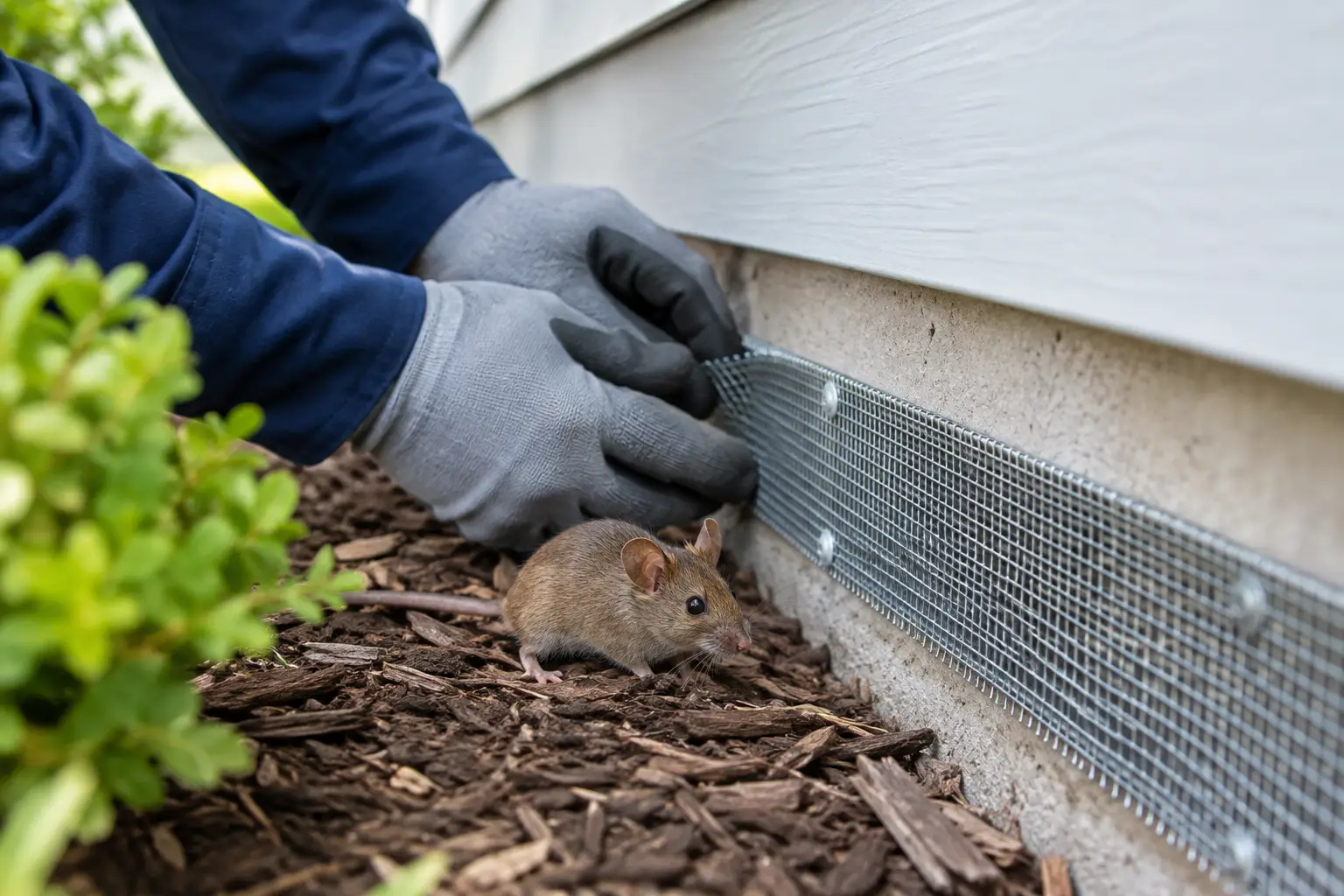
Rodent exclusion for homes helps block mice and rats before they settle in. Learn which gaps to seal, warning signs to watch for, and when to call a pro.
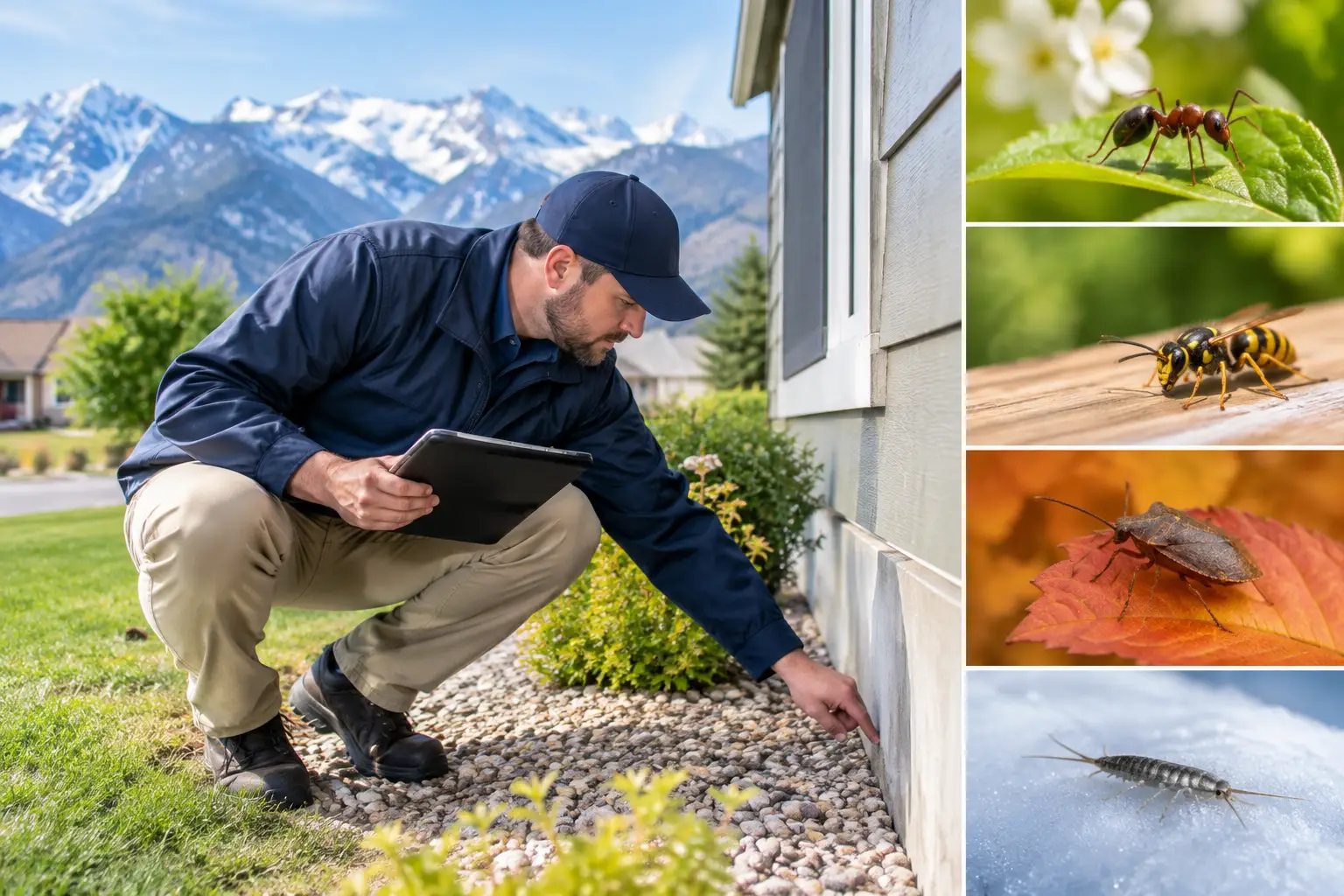
Use this Utah home pest inspection guide to spot pests early, protect your family, and know when professional treatment is the right next step for homes.
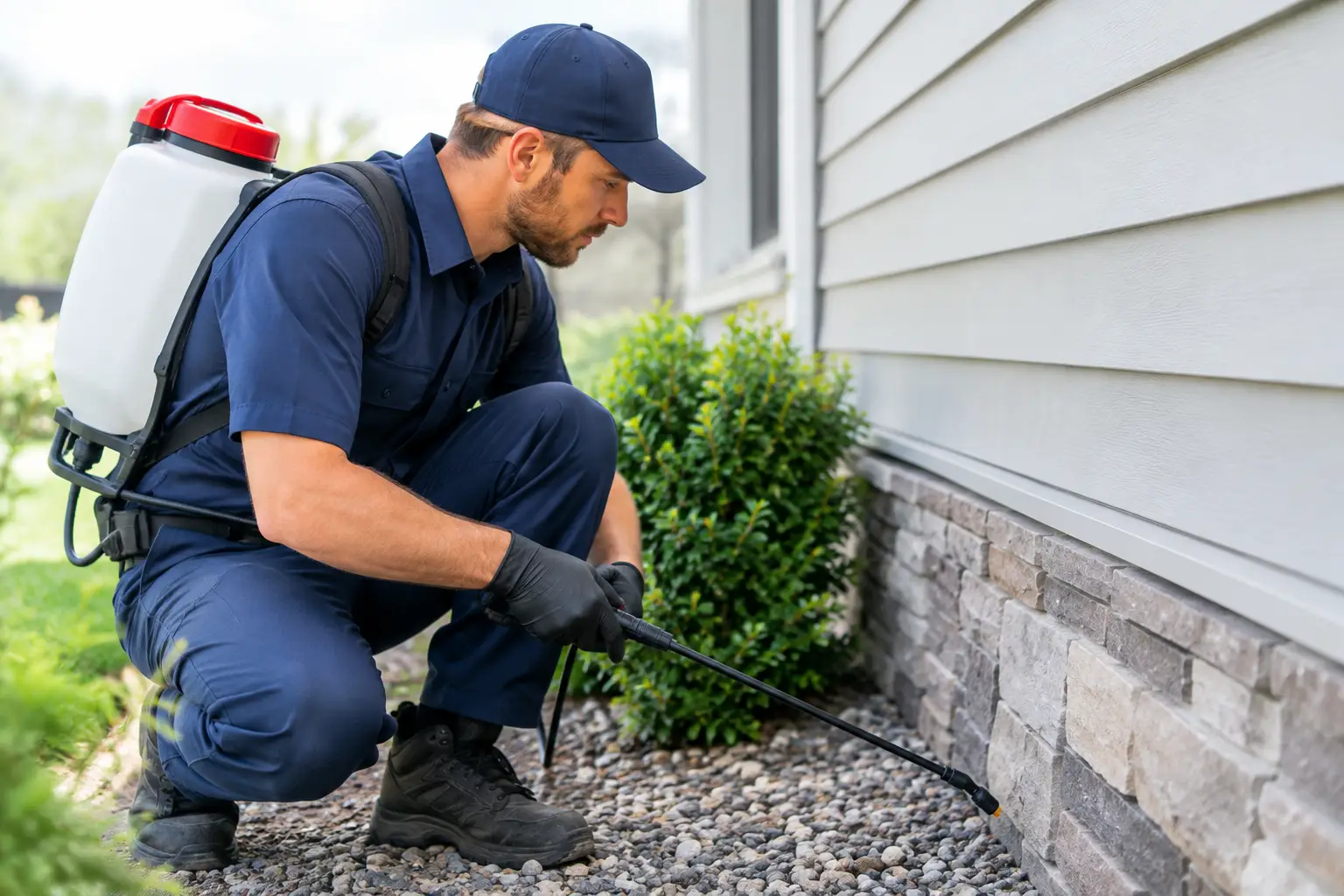
Need ant extermination services Utah homeowners can rely on? Learn how professional treatment stops colonies, protects kitchens, and helps prevent returns.