
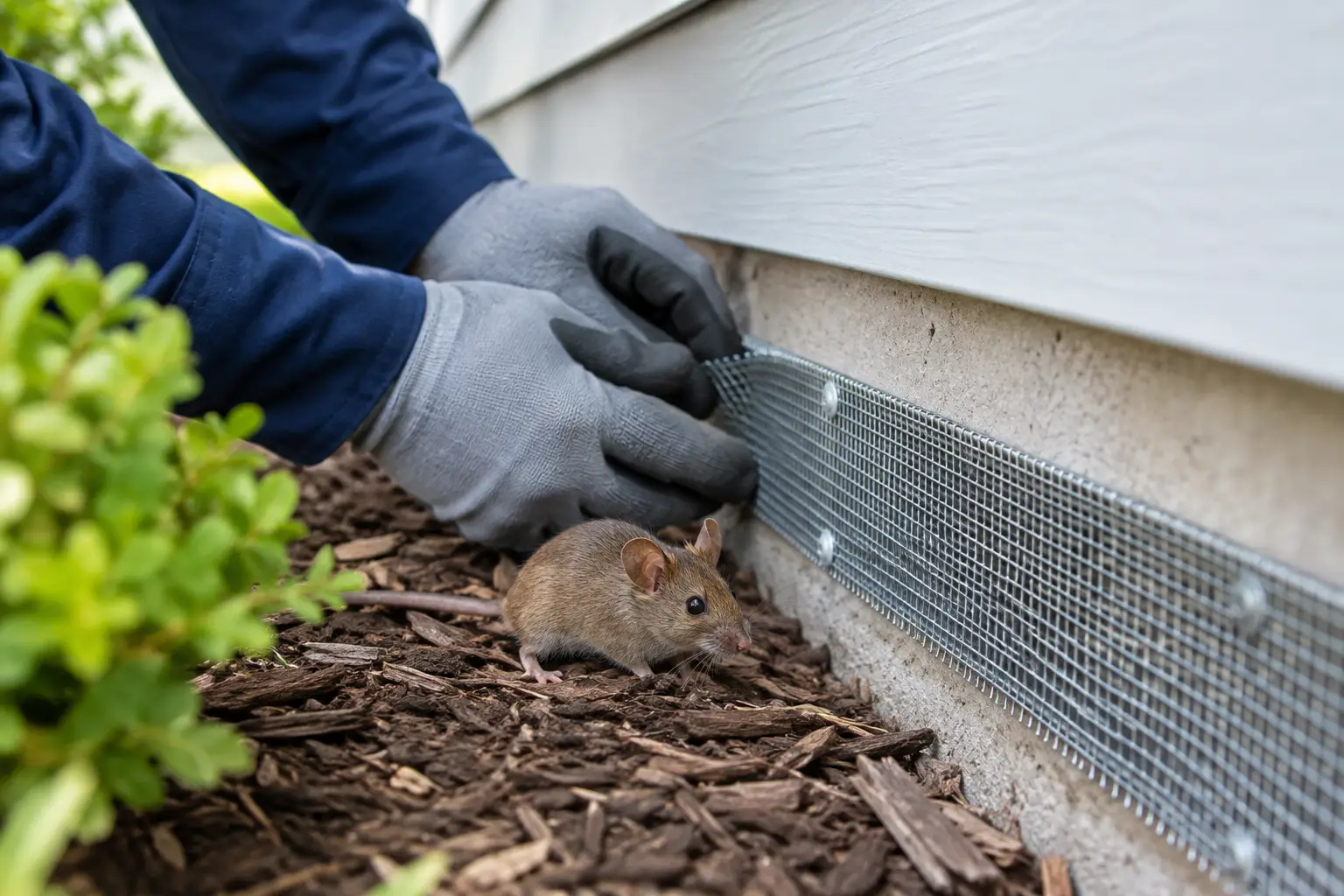
A mouse does not need an open door to get inside. It can slip through a gap about the width of a pencil, often around utility lines, garage corners, foundation penetrations, or a worn door sweep. Once temperatures drop along the Wasatch Front, those small openings can become an invitation to a warm attic, pantry, crawl space, or wall void. Rodent exclusion for homes is the work of finding and closing those entry points before mice or rats turn your property into shelter.
Traps can help with rodents already inside, but they do not solve the reason the problem started. Exclusion protects the home at its edges, where a lasting rodent-control plan begins.
Why rodents choose homes
Mice and rats are looking for the same basics any animal needs: food, water, warmth, and cover. A home can offer all four without showing obvious signs from the outside. Pet food in a garage, a dripping irrigation connection, birdseed near the foundation, or cluttered storage areas can make a property more appealing.
In Utah, rodent pressure can rise when outdoor food sources become scarce or weather changes drive animals toward protected spaces. New construction, nearby open land, and seasonal yard cleanup can also disturb rodents and send them searching for another place to settle. Even clean, well-maintained homes can have an issue if there is a route inside.
The concern goes beyond the occasional scratching sound. Rodents can contaminate stored food, chew insulation and wiring, damage belongings, and leave droppings in areas where children and pets may be present. In multi-family buildings, one overlooked opening can affect more than one unit and make tenant concerns harder to manage.
The weak points around a home
Effective exclusion starts with a careful inspection, not a quick sweep around the exterior. Rodents rarely use just one route. A home may have several gaps, and the most active entry point is not always the most visible one.
Gaps at the foundation and exterior walls
Walk slowly around the base of the home and inspect where siding meets the foundation. Look closely behind shrubs, near porches, under steps, and around hose bibs. Small cracks, missing mortar, warped siding, and gaps around pipes or cables can all provide access.
Pay particular attention to utilities entering the structure. HVAC lines, plumbing pipes, electrical conduit, cable lines, and dryer vents often pass through larger openings than necessary. Foam alone is usually not a reliable long-term barrier because rodents can chew it. A durable exclusion repair typically calls for rodent-resistant materials properly fitted to the opening.
Doors, garages, and attached spaces
Garage doors are a common problem area because bottom seals wear down and side gaps can be easy to miss. Check whether daylight is visible beneath a closed garage door. Also inspect the service door between the garage and the home, since rodents that enter the garage may eventually find their way farther inside.
Door sweeps, weatherstripping, and thresholds need occasional attention. If a door does not close squarely or the sweep is cracked, flattened, or missing, it may offer a simple entry route. This is especially relevant for storage sheds, detached garages, and utility rooms that hold nesting materials and are rarely disturbed.
Rooflines, vents, and attic access
Some rodents climb surprisingly well. Overhanging branches, stacked materials near walls, trellises, and dense vines can create a path to upper areas of the home. Inspect roofline intersections, soffits, fascia, chimney gaps, attic vents, and damaged screens.
Vent covers must still allow proper airflow, so sealing them without considering their purpose can create moisture or ventilation problems. The goal is not to block every opening. It is to protect openings with properly sized, durable screening or covers that keep rodents out while allowing the system to function as intended.
Crawl spaces and under-deck areas
Crawl-space vents, access doors, and openings under decks deserve close attention. These areas are often shaded, quiet, and overlooked, which makes them appealing to rodents. Damaged vent screens, loose access panels, and gaps where the foundation meets additions are frequent trouble spots.
If you see fresh soil disturbance, droppings, gnaw marks, greasy rub marks, or shredded insulation, assume there may be active traffic. Sealing an opening while rodents are still inside can trap the problem within walls or attic areas. That is why timing matters.
Rodent exclusion for homes works best with active control
Exclusion is most successful when it is part of a complete plan. If rodents are actively using the home, the first step may include targeted trapping or other professional control methods to reduce activity. Once the structure is clear or activity is under control, entry points can be sealed to prevent the next group from moving in.
This order is not identical for every property. A single mouse in a garage may call for a straightforward inspection, cleanup, and repair. Repeated attic noises, widespread droppings, or signs of rats around a yard can require a more detailed treatment and monitoring plan. Large homes, older properties, and multi-family buildings often need a property-specific approach because there are more potential entry points and more places for rodents to hide.
A professional inspection can also separate rodent evidence from signs left by other pests or wildlife. That distinction matters. The repair materials, trapping approach, and safety considerations can change depending on what is actually entering the building.
Practical steps that make exclusion stronger
Closing gaps is the priority, but everyday property habits support the work. Keep garbage containers closed, clean up fallen fruit and birdseed, and avoid leaving pet food accessible overnight. Store pantry items, animal feed, and bulk dry goods in sturdy containers rather than thin bags or cardboard boxes.
Outside, reduce cover close to the structure. Trim vegetation away from siding and rooflines, keep firewood and stored materials elevated and away from the home, and address leaking outdoor faucets or standing water. These steps will not replace structural repairs, but they make the property less comfortable for rodents while helping you spot new activity sooner.
Inside, inspect quiet areas periodically. Garages, utility rooms, under-sink cabinets, storage spaces, and attics are common places to find early warning signs. Watch for small dark droppings, chewed packaging, nesting material, unusual pet behavior, or scratching after dark. Responding early is usually simpler and less disruptive than waiting for activity to spread.
When to bring in a rodent professional
DIY sealing can be useful for a clearly visible, minor gap, but it has limits. It is easy to miss hidden access points, choose a material rodents can chew through, or seal a route before confirming the animals are out. Roofline gaps, crawl spaces, contaminated attics, and recurring rodent activity are situations where professional help is often the safer choice.
For homeowners and property managers, a consultation-led inspection provides a clearer view of what is happening at the property. Pest Xperts can assess the structure, the signs of activity, and the scale of the issue to recommend a rodent plan that fits the home or facility. For multi-family properties, coordinated service can help address shared exterior conditions before the issue moves between units.
A home does not need to show major damage before it deserves attention. If you notice a new gap, fresh droppings, or the faint sound of movement overhead, act while the problem is still small. A careful inspection and the right exclusion repairs can help keep your home protected, comfortable, and far less welcoming to rodents.
continue reading
Related Posts
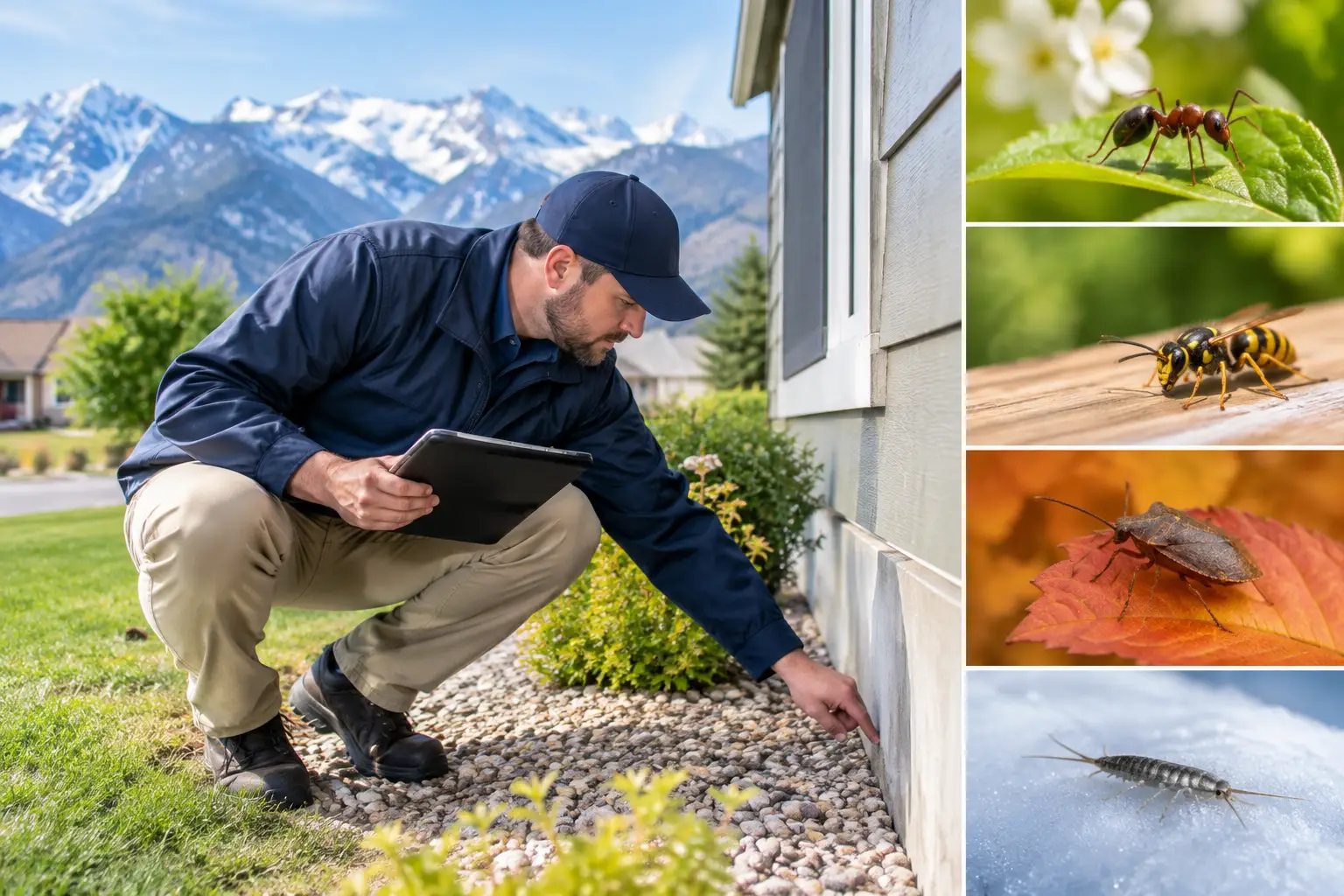
Use this Utah home pest inspection guide to spot pests early, protect your family, and know when professional treatment is the right next step for homes.

Chemical versus nonchemical pest control has trade-offs. Learn how Pest Xperts builds a safer, targeted plan for Utah homes and properties every day.
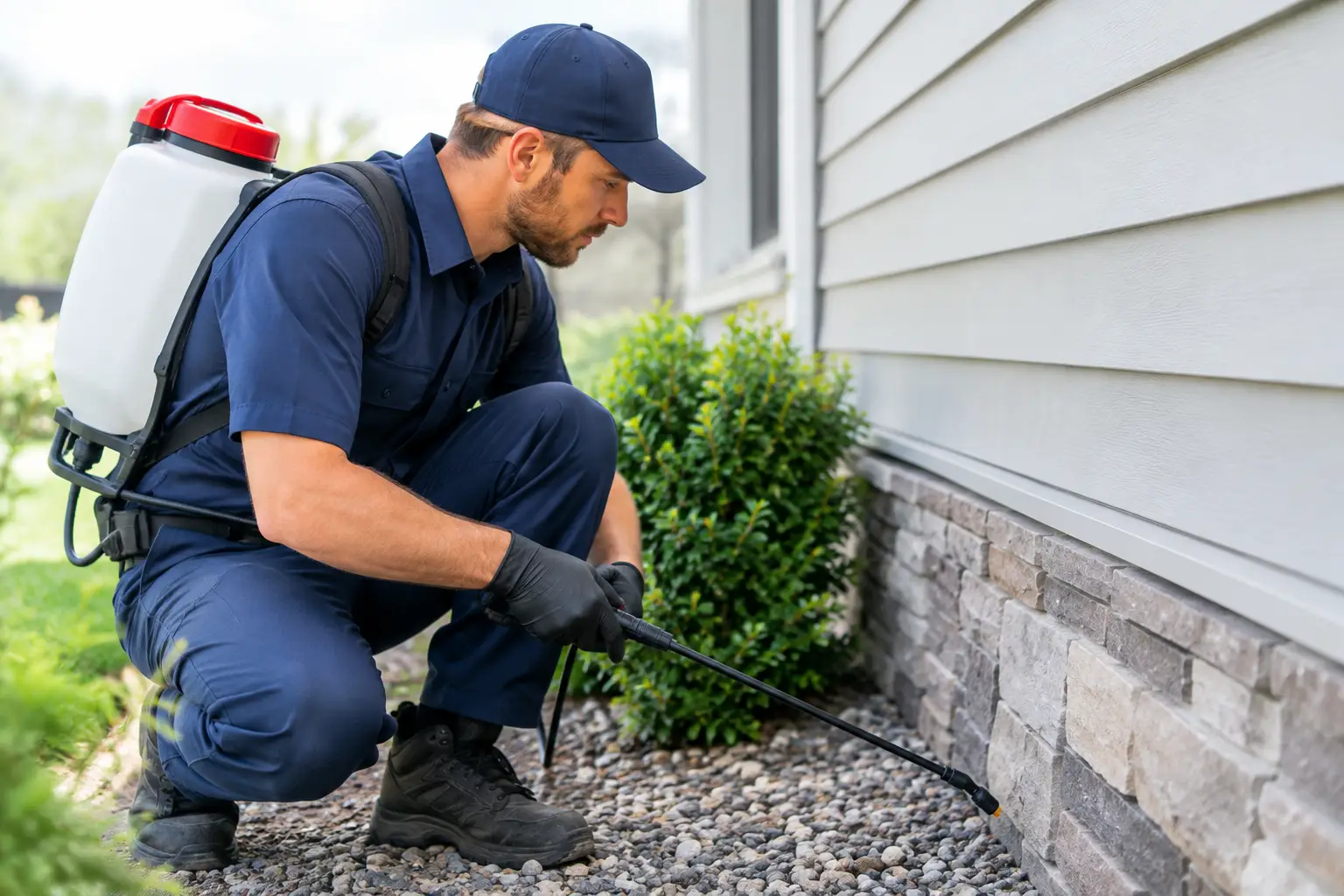
Need ant extermination services Utah homeowners can rely on? Learn how professional treatment stops colonies, protects kitchens, and helps prevent returns.