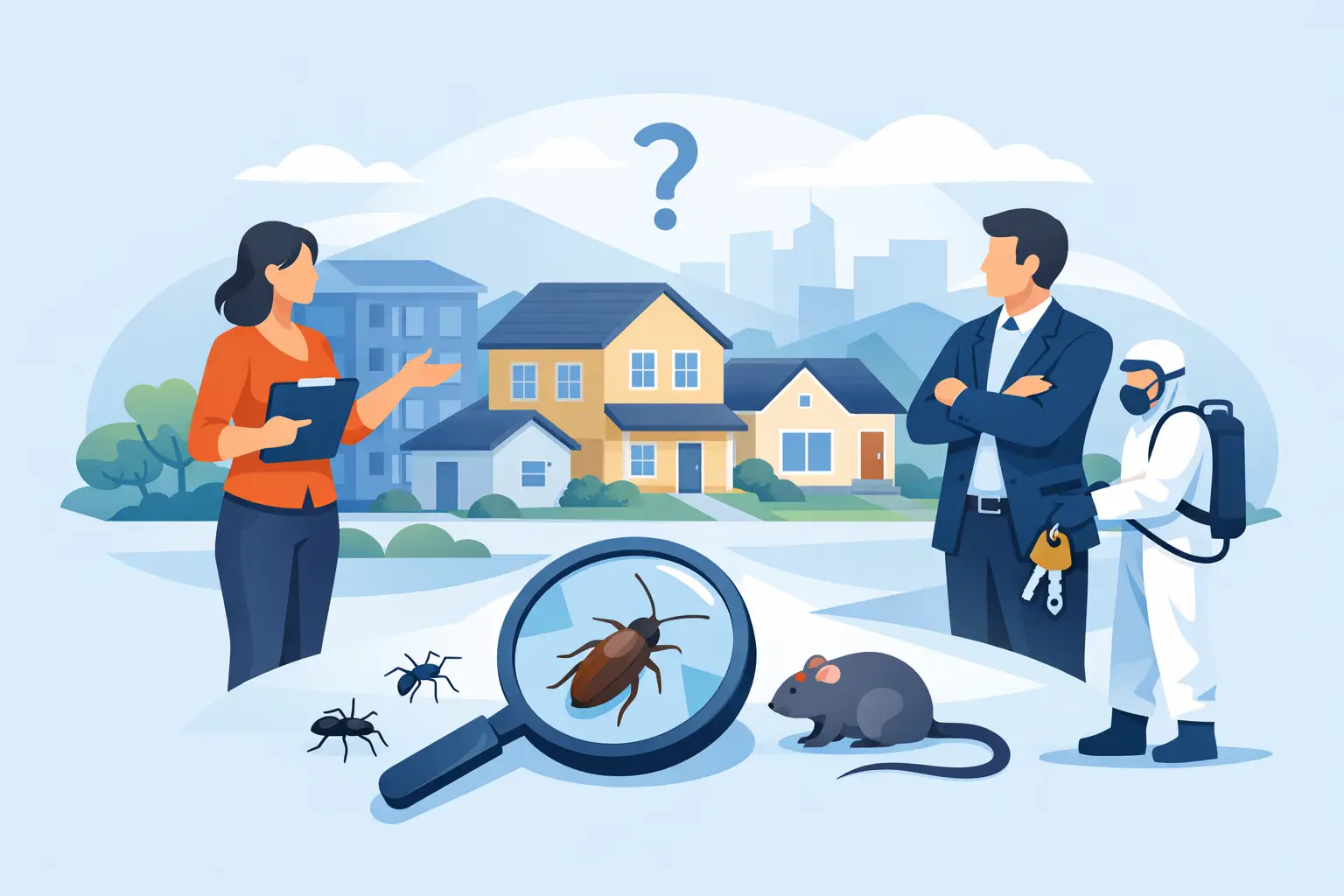
A tenant reports cockroaches in the kitchen two days before move-in. Another resident says they saw mice near the dumpster. For a landlord or property manager, the immediate question is not only how to get rid of the pests. It is also how to respond quickly, protect the property, and handle pest control for rental properties fairly.
A delayed response can turn a manageable issue into tenant complaints, damaged finishes, lost rent, negative reviews, and a much broader infestation. The best approach combines a clear lease, regular prevention, accurate documentation, and professional treatment tailored to the building rather than a one-size-fits-all spray.
Start With Clear Responsibility in the Lease
Pest responsibility is not always as simple as “landlord pays” or “tenant pays.” It can depend on the lease terms, the type of pest, the condition of the property at move-in, local housing requirements, and whether a tenant’s actions contributed to the issue.
In general, landlords are responsible for providing a habitable rental and addressing conditions that allow pests to enter or thrive. That commonly includes sealing exterior gaps, repairing leaks, maintaining common areas, correcting trash problems, and treating an infestation that existed before the tenant moved in.
Tenants also have a role. They should keep the unit reasonably clean, report pest activity promptly, dispose of garbage properly, avoid leaving pet food out overnight, and cooperate with preparation instructions before treatment. When evidence shows an infestation resulted from avoidable tenant behavior, the lease may allow the property owner to recover some costs. That decision should be handled carefully and consistently, with documentation rather than assumptions.
For Utah rental properties, make sure lease language aligns with applicable state and local requirements. A clear clause is useful, but it does not replace an owner’s obligation to keep the property in safe, livable condition.
What a Strong Pest Clause Should Cover
Your lease should explain how tenants report pest activity, what cleaning and access responsibilities they have, and what happens when treatment is scheduled. It should also state that tenants need to disclose visible pest concerns at move-in instead of waiting until the problem becomes severe.
Avoid overly broad language that automatically blames a tenant for every pest issue. Ants may enter through a foundation gap, mice may follow a seasonal change, and cockroaches can travel between units through walls, plumbing penetrations, and shared utility spaces. Fair terms recognize the difference between a building-level issue and a preventable housekeeping concern.
Prevention Is the Best Pest Control for Rental Properties
Waiting for a complaint is expensive. Preventive service is especially valuable in multi-family housing, where pests can move from one unit to the next long before a manager receives the first call.
A prevention plan should start outside. Technicians look for conditions that make a property appealing or accessible, including gaps around pipes and doors, damaged weatherstripping, dense vegetation touching the building, standing water, overflowing dumpsters, and clutter near exterior walls. In Utah, seasonal pest pressure can change quickly, so exterior protection should not be treated as a one-time project.
Inside, regular inspections of vacant units, utility rooms, laundry areas, storage spaces, and common areas help identify activity early. A unit turnover is an ideal time to inspect beneath sinks, behind appliances, around baseboards, and inside cabinets. Treating or sealing an issue before the next tenant arrives protects the new resident and reduces the chance of a dispute over who caused the problem.
For larger properties, consistency matters more than occasional emergency service. A recurring plan gives managers a record of inspections, treatments, reported conditions, and recommendations. That documentation can be helpful when communicating with owners, residents, and maintenance teams.
Respond Quickly When a Tenant Reports Pests
A resident who reports pests wants to know that someone has heard them and that a plan is in motion. Even when the source is unclear, a fast, professional response helps protect tenant confidence.
First, gather useful details. Ask what was seen, where it was seen, when the activity began, whether there are photos, and whether neighboring units have reported similar concerns. The answers can help distinguish a single-unit problem from a broader building issue.
Next, schedule an inspection or treatment promptly. Do not rely on a resident to identify the pest correctly. Cockroach sightings, for example, require a different response than occasional outdoor ants, and rodent activity may point to entry points that need maintenance attention as well as treatment.
Finally, give the tenant clear preparation instructions. Depending on the pest and treatment method, they may need to empty cabinets, remove food from certain areas, clean grease buildup, move furniture away from walls, secure pets, or provide access at a specific time. Preparation is not busywork. It gives treatment the best chance of reaching the areas where pests hide and breed.
Treat the Source, Not Just the Sightings
A single pest sighting can be a warning sign, but spraying where it was seen does not always solve the problem. Effective treatment considers pest behavior, building construction, sanitation, moisture, entry points, and activity in adjoining units.
Cockroach control in an apartment building is a good example. Treating only the unit that reported the issue may provide temporary relief while activity continues next door or through shared plumbing lines. A professional plan may include targeted treatment, monitoring, follow-up visits, resident preparation, and inspections of nearby units when appropriate.
The same principle applies to rodents. Trapping may reduce the immediate activity, but openings around foundations, vents, utility lines, or doors need to be addressed to prevent the next rodent from entering. Pest service works best when property maintenance and pest management support each other.
Build Pest Prevention Into Property Operations
The strongest rental pest programs are not handled by one person alone. Leasing staff, maintenance teams, cleaners, vendors, and residents all need to know what to report and what to do next.
During turnovers, make pest checks part of the standard checklist. During maintenance visits, train staff to note leaks, droppings, gnaw marks, damaged screens, and unsealed gaps. Near dumpsters and common areas, maintain consistent trash removal and reduce clutter that gives pests food or shelter.
For multi-family properties, it is also wise to track complaints by building, floor, and unit. Repeated reports in one area can reveal a shared source that would be missed if each work order were treated as an isolated event. This is where a property-specific plan becomes more valuable than reactive, per-call treatments.
Pest Xperts works with rental and multi-family properties by evaluating the building size, lot conditions, and active pest concerns before recommending a treatment scope. That approach helps property managers focus resources where they will protect residents and the property most effectively.
Communicate Without Creating Unnecessary Alarm
Residents deserve direct communication, especially when treatment may affect access to their unit. Give proper notice, explain what preparation is required, and let them know what they may see after service. For some pests, a brief increase in visible activity can occur as treatment disrupts hiding places. Setting expectations helps prevent confusion and repeat calls.
Keep the message calm and practical. You do not need to share private details about another resident’s unit, but you can explain when a building-wide inspection, common-area treatment, or coordinated access is necessary. A professional tone reassures tenants that the issue is being managed rather than ignored.
Know When the Problem Needs a Larger Plan
A one-time service may be enough for an isolated exterior pest issue. It is usually not enough when cockroaches are recurring, rodents are entering through multiple locations, bed bugs are suspected, or several units report activity. These situations require inspection, coordinated treatment, follow-up, and often repairs or sanitation changes.
The trade-off is straightforward: a broader plan may require more access, tenant coordination, and upfront expense, but it can prevent repeated service calls and escalating damage. For owners and managers, the goal is not simply to close a pest complaint. It is to protect a clean, safe rental environment that tenants are comfortable calling home.
When pest concerns are addressed early, documented clearly, and treated at the source, rental properties stay easier to manage and more welcoming for every resident.
continue reading
Related Posts

A preventative pest control service helps Utah homeowners and property managers stop pests early, protect buildings, and avoid costly infestations now.
Safe pest control for families combines careful inspection, targeted treatment, and prevention to protect Utah homes, children, pets, and peace of mind.
Multi family pest control protects tenants, property value, and your reputation. Learn how a tailored prevention plan keeps Utah communities protected all year.