
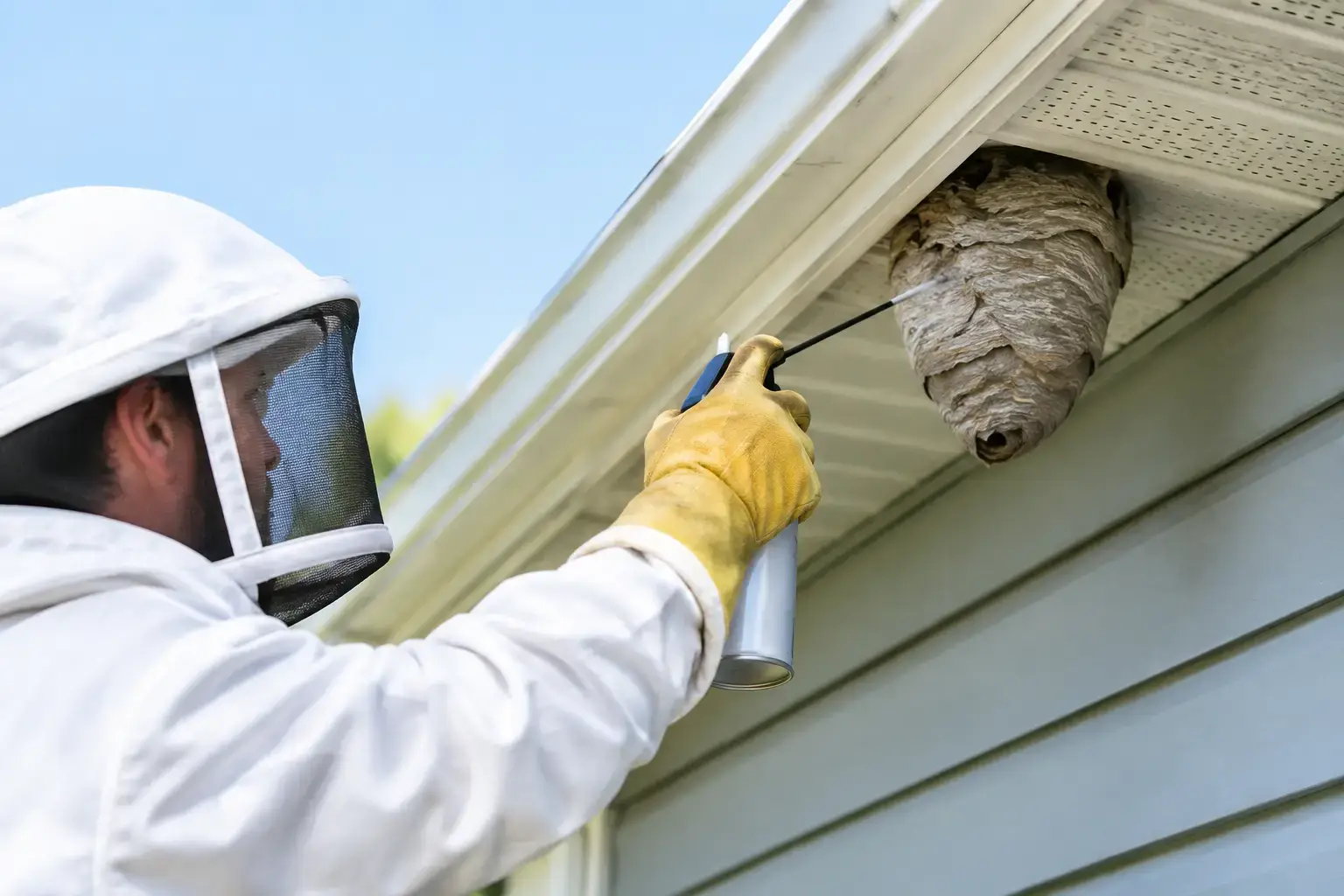
A few wasps circling the patio can quickly turn into a concern when they begin using an eave, deck, shed, or wall opening as a nesting site. Knowing how to remove wasps safely starts with recognizing that the goal is not simply to get rid of insects you can see. It is to protect your family, guests, pets, tenants, and property without provoking a defensive colony or creating a bigger problem inside the structure.
Wasps are most active during Utah’s warm months, and nests can grow surprisingly fast. A small paper nest under an eave may be manageable early on, but a large nest, ground nest, or colony inside a wall is a different situation. The safest solution depends on the species, nest location, colony size, and the people who use the property.
Start by Identifying the Risk
Not every flying insect near your home is a wasp. Honey bees, native bees, paper wasps, yellowjackets, and hornets can all appear around flowers, trash bins, outdoor meals, and water sources. Bees are valuable pollinators and should not be treated like nuisance wasps. If you are unsure what you are seeing, keep your distance and avoid disturbing the nest while you assess the situation.
Paper wasps commonly build the familiar open, umbrella-shaped paper nests under soffits, porch ceilings, railings, and outdoor furniture. Yellowjackets may build enclosed paper nests in shrubs, crawlspaces, attics, or wall voids. They also commonly nest underground, often using an old rodent hole or gap in the soil. These ground nests are easy to disturb with a lawn mower, trimmer, foot traffic, or a curious pet.
A nest becomes high risk when it is near a doorway, play area, deck, mailbox, walkway, HVAC equipment, or another place people pass regularly. Treat it as urgent if anyone in the household has a known insect-sting allergy. Multiple stings can also be dangerous for people without a prior allergy, especially children, older adults, and pets.
How to Remove Wasps Safely: Know When Not to DIY
The safest decision is often knowing when to call a professional rather than attempting removal yourself. Do not attempt DIY treatment if the nest is large, active, difficult to reach, inside a wall or attic, underground, or located close to a frequently used entrance. Avoid DIY removal when you cannot clearly identify the insect or when you have any allergy concerns.
Never knock down, burn, flood, or seal over an active nest. Knocking it down can trigger a concentrated attack. Fire creates an obvious risk to siding, landscaping, and roofs. Flooding a ground nest may force angry insects out through other openings. Sealing an active wall entry can trap wasps indoors or cause them to chew toward interior living spaces.
Professional treatment is especially valuable for multi-family properties and businesses. A nest near a shared stairwell, dumpster area, playground, patio, or entryway can affect many people at once. Property managers need a treatment plan that addresses the active colony while reducing future nesting around the building.
If the Nest Is Small and Easily Accessible
For a very small, exposed nest in a low-traffic location, some property owners may choose to handle it themselves. This approach still carries risk, so wait until evening or early morning, when many wasps are back at the nest and temperatures are cooler. Do not rely on the idea that wasps are harmless at night. They can still defend the colony when disturbed.
Wear closed-toe shoes, long sleeves, long pants, gloves, and eye protection. Keep children, pets, and other adults indoors and away from the treatment area. Have a clear path back inside before you begin, and do not stand on a ladder while treating a nest. A sudden swarm can cause a fall.
Use only a product specifically labeled for wasp or hornet nests, and follow the label directions exactly. Stand as far back as the product allows, treat the nest according to instructions, and leave the area promptly. Do not return to inspect it right away. Give the treatment time to work, then check from a safe distance the next day for ongoing activity.
If you still see consistent traffic entering or leaving the nest, do not keep spraying repeatedly or move closer to investigate. That may mean the colony is larger than expected, the nest is hidden, or the treatment did not reach the source. This is the point to bring in a trained technician.
Treat the Nest, Then Remove It Carefully
A visible nest should only be removed after activity has stopped. Waiting 24 to 48 hours after a successful treatment is often prudent, but follow the product label and use caution. Wear protective clothing when removing the nest, place it directly into a sealed trash bag, and dispose of it in an outdoor garbage container.
Removing an inactive nest helps restore the appearance of the area, but it is not the main factor that prevents future wasps. The bigger issue is whether the location still offers protected shelter, access to food, water, or an entry point into a wall or attic.
Wall voids require more care. If wasps have been entering through siding, a roofline, vent, or utility opening, the colony should be treated before the opening is sealed. Once activity is gone, repair the access point with appropriate exterior materials. This timing matters. Sealing too soon can send surviving wasps into the home or leave dead insects and nesting material where they may attract other pests.
Reduce the Conditions That Attract Wasps
Wasps are hunters, scavengers, and opportunists. They are often drawn to exposed food, overflowing trash, sweet drinks, fallen fruit, pet food, and water. During late summer and early fall, yellowjackets can become particularly persistent around outdoor meals and garbage areas.
Keep trash lids closed and clean spills from bins, patios, and outdoor tables. Rinse recyclable containers before placing them outside. Cover food and drinks during barbecues, and avoid leaving pet food outdoors. If a hummingbird feeder is attracting wasps, consider moving it farther from your main outdoor seating areas.
Inspect likely nesting spots in spring, when colonies are still small. Look beneath eaves, inside sheds, around deck framing, behind shutters, under porch furniture, and near outdoor lighting. On commercial and multi-family properties, include loading areas, dumpster enclosures, breezeways, utility rooms, and exterior stairwells in regular inspections.
Once existing activity has been resolved, seal cracks around utility lines, repair damaged screens, secure loose soffits, and cover exterior vents with appropriate screening that does not restrict necessary airflow. Trim branches that touch the roof or create easy access to sheltered building edges. These practical repairs make your property less inviting without relying on gimmicks or constant spraying.
What to Do If Someone Is Stung
Move away from the area immediately. Wasps can release alarm pheromones that draw other colony members toward the perceived threat. Wash the sting site with soap and water, then use a cold pack wrapped in cloth to reduce pain and swelling. Over-the-counter pain relief, antihistamines, or anti-itch products may help when used as directed.
Seek emergency medical help right away for trouble breathing, swelling of the face or throat, dizziness, widespread hives, vomiting, fainting, or multiple stings. If someone has been prescribed an epinephrine auto-injector for severe allergic reactions, follow their medical plan and seek emergency care. Do not wait to see whether serious symptoms improve.
Get Help Before a Nest Becomes a Property Problem
Wasps do not always stay outside. A small point of activity near a soffit or siding gap can indicate a colony building inside a wall, where it is harder and riskier to address. Early service can prevent repeated stings, damage from improvised removal attempts, and disruption for your household or tenants.
For homes and properties across the Wasatch Front, Pest Xperts can assess the nest location, activity level, and building conditions before recommending a treatment plan. The right approach is not always the fastest-looking fix. It is the one that resolves the active wasp problem while helping keep the people on your property safe.
continue reading
Related Posts
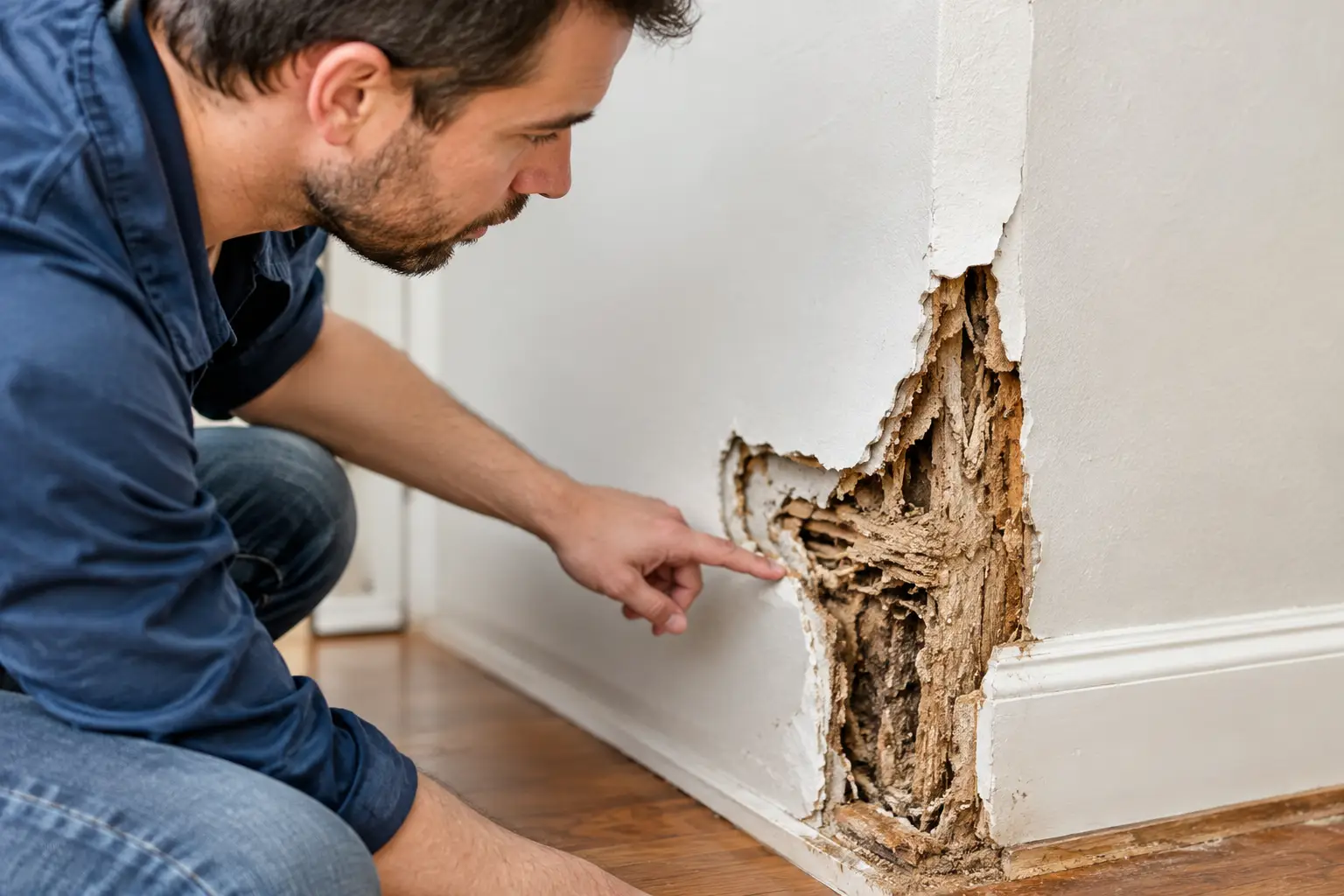
Learn the termite damage signs that merit a professional inspection, from mud tubes and hollow wood to stuck doors, bubbling paint, and swarmers indoors.
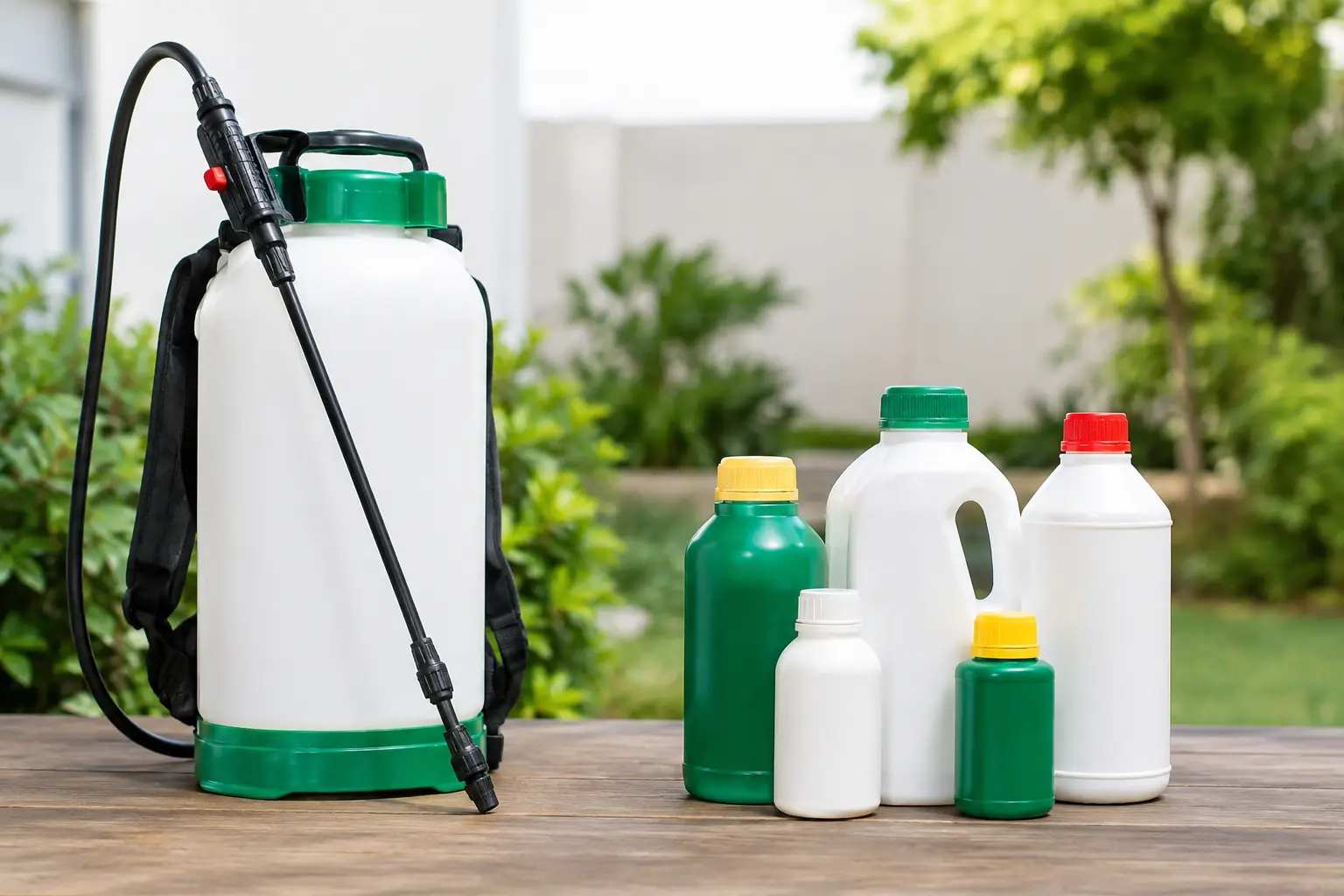
Professional versus store pesticides differ in more than strength. Learn when DIY products help and when expert pest treatment better protects Utah homes.
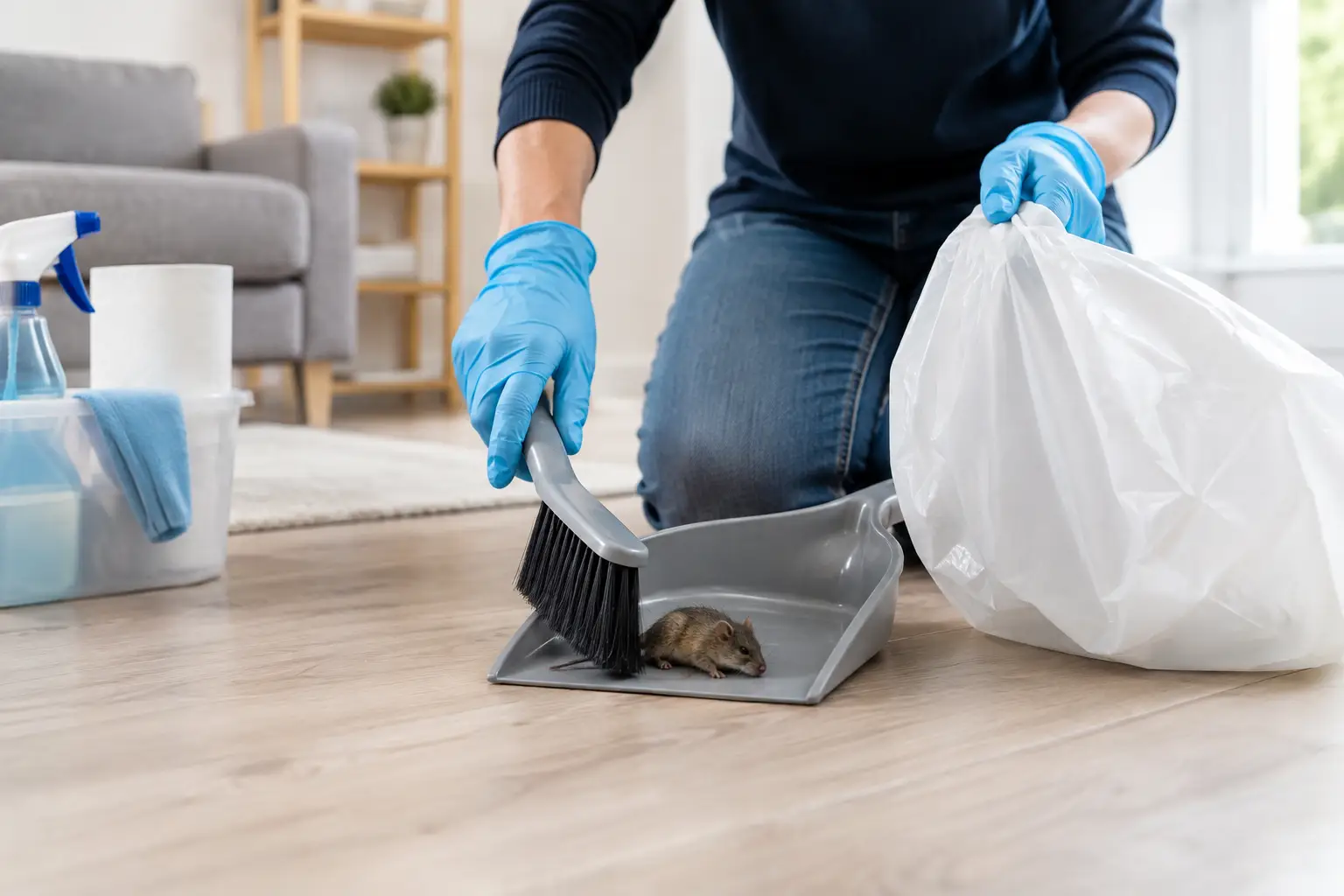
Rodent cleanup means more than sweeping droppings. Learn safe cleanup steps, ways to prevent repeat activity, and when to call a Utah pest pro for help.