
A line of ants along the kitchen counter, a spider in the basement, or a cockroach sighting after dark can send anyone straight to the store aisle. But professional versus store pesticides is not simply a question of buying a stronger spray. The right choice depends on the pest, where it is living, how widespread the activity is, and whether you can treat the source without creating unnecessary risk for people, pets, or the property.
For some minor pest activity, a carefully selected store product can be useful. For recurring, hidden, or fast-growing infestations, professional service often delivers a more reliable result because the treatment begins with inspection and a plan – not just a product.
Professional Versus Store Pesticides: What Is Different?
Store-bought pesticides are designed for broad consumer use. They are available without a pest control license, usually come in ready-to-use packaging, and are made to address common situations such as a visible ant trail, a wasp nest, or occasional spiders. Used according to the label, they can be a reasonable first response to a small, isolated issue.
Professional products may use different active ingredients, formulations, concentrations, or application methods than retail products. However, “professional” does not automatically mean “stronger” in the way many people assume. The advantage is often precision. Licensed technicians are trained to identify the pest, understand its habits, select an appropriate product, and place it where it can work effectively with limited exposure in living areas.
A professional also looks beyond the insect you can see. One cockroach in a kitchen may point to harborages behind appliances, moisture around plumbing, or activity spreading through shared walls. A few ants near a window may be connected to an outdoor nest, a gap around the foundation, or a food source indoors. Treating only the visible pest can provide short-term relief while leaving the cause untouched.
When Store Products Can Make Sense
Retail products can be helpful when the pest issue is small, easy to identify, and accessible. For example, an individual wasp nest in an open, reachable area may be manageable with an appropriate labeled product. A homeowner may also use a targeted ant bait for a light, clearly defined trail, provided children and pets cannot access it.
The label is the law. It tells you where a product may be applied, which pests it targets, how much to use, how often to apply it, and what safety precautions to follow. More product does not mean better control. Overapplying can create avoidable exposure, contaminate surfaces, repel pests away from bait, or make a future professional treatment more difficult.
Store products tend to work best when paired with simple prevention. Clean up food residue, seal pantry goods, repair leaks, reduce clutter, and close obvious gaps where pests enter. If activity stops and stays gone, a DIY solution may have been enough.
Why DIY Treatments Often Fall Short
The most common DIY problem is not choosing the wrong brand. It is treating the wrong place. Pests spend much of their time in wall voids, cracks, utility penetrations, attics, crawl spaces, drains, landscaping, or areas behind appliances. Surface spraying where insects are noticed may kill a few pests while missing the nest, breeding site, or travel route.
Some pests also respond poorly to a spray-first approach. Cockroaches can avoid treated surfaces or move deeper into hidden areas. Ant colonies may split or relocate when disturbed. Bed bugs are easily spread when belongings are moved without a treatment plan. Rodent control requires exclusion and sanitation as much as trapping or baiting.
Repeatedly applying different store pesticides can create another issue: it becomes hard to tell what is working, what is repelling pests, and what conditions are allowing the problem to continue. This is especially frustrating when the activity appears to disappear, then returns a few weeks later.
A recurring pest problem is a clue
If you have treated the same area more than once and pests keep coming back, the problem is likely larger than the visible activity. Recurrence can point to a hidden harborage, exterior entry point, moisture issue, neighboring unit, or seasonal pressure around the property. At that point, another can from the shelf may cost more in time and materials than a focused inspection.
The Value of Professional Application
Professional pest control starts with identifying what is actually present. Different pests require different strategies, and even closely related species can behave differently. A technician considers the pest’s life cycle, feeding habits, nesting locations, entry routes, and the layout of your home or business before recommending treatment.
Application methods matter as much as product selection. Depending on the situation, treatment may involve targeted crack-and-crevice applications, baits, dusts, exterior barriers, monitoring devices, exclusion recommendations, or follow-up visits. The goal is to place material where pests encounter it while avoiding broad, unnecessary application throughout occupied spaces.
This approach is particularly valuable for homes with children or pets, food-service areas, medical environments, and multi-family properties. Safety is not achieved by avoiding all pest control. It comes from using the right method, in the right location, at the right time, with clear instructions for the people who live or work there.
Professional Versus Store Pesticides for Apartments and Businesses
In apartments, condominiums, offices, and other shared buildings, one unit’s pest issue can become a property-wide concern. Pests may travel through walls, utility lines, hallways, trash areas, loading zones, and shared plumbing spaces. A tenant using a retail spray may reduce activity in one room while the source remains elsewhere in the building.
Property managers need a plan that considers the whole site: unit history, tenant communication, sanitation conditions, common areas, exterior pressure, and documentation. Professional service can coordinate treatment across affected units, identify contributing conditions, and build preventive service around the size and needs of the property.
For businesses, the stakes can include customer confidence, employee comfort, inventory protection, and health or compliance concerns. A quick retail fix can be tempting, but it may not provide the documentation, consistency, or inspection process needed for an ongoing commercial pest-management program.
How to Decide Which Option Fits Your Situation
Start with the scale of the problem. A single, identifiable pest in an accessible location is different from daily sightings, droppings, bites, damage, or activity in multiple rooms. Also consider how long the issue has been present. Pests that return after treatment usually need a closer look.
Professional help is usually the better choice when you are dealing with cockroaches, bed bugs, rodents, stinging insects near high-traffic areas, termites, or pests affecting multiple units. It is also a smart step when you are unsure what pest you have. Correct identification prevents wasted money and helps avoid treatments that make control harder.
For Utah homeowners, seasonal shifts can change pest pressure quickly. Ants, spiders, wasps, and rodents often seek food, water, or shelter as weather conditions change. Preventive service can address likely entry points and outdoor conditions before an occasional sighting becomes an established problem indoors.
Pest Xperts builds treatment recommendations around the property and the pest concern rather than forcing every home or facility into the same service plan. That matters when a small home, a large multi-family building, and a commercial space each have different risk areas and treatment needs.
A Safer, More Practical Next Step
If you choose a store pesticide, use only a product labeled for the pest and location, follow every direction, and give it time to work. Avoid mixing products or applying extra material because the first application did not produce immediate results.
If the problem is recurring, hidden, spreading, or affecting your peace of mind, a professional inspection can replace guesswork with a clear plan. The best pest-control decision is the one that protects your family, tenants, customers, and property while addressing the reason pests showed up in the first place.
continue reading
Related Posts
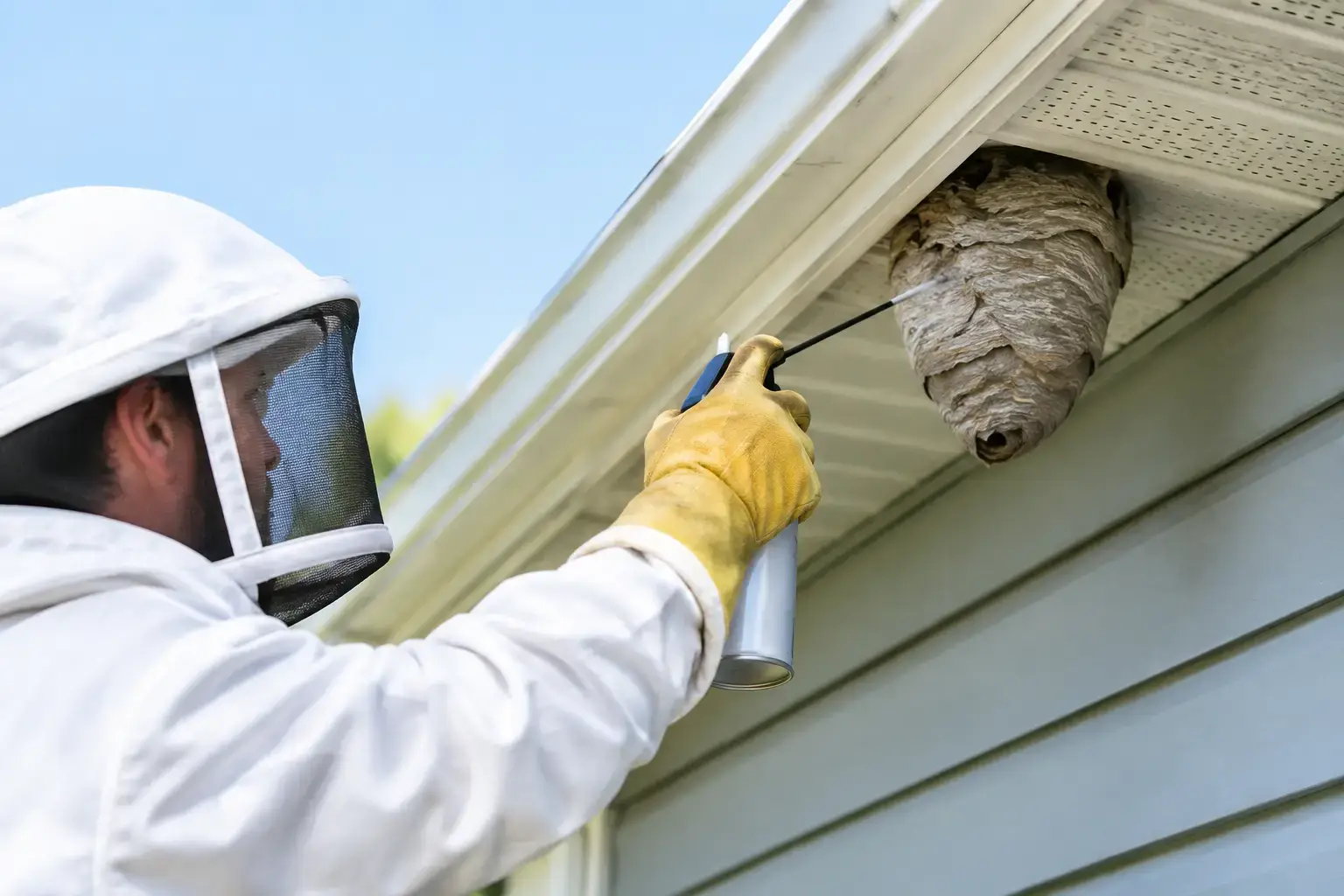
Learn how to remove wasps safely, recognize high-risk nests, and prevent repeat activity around your Utah home, rental property, or business quickly.
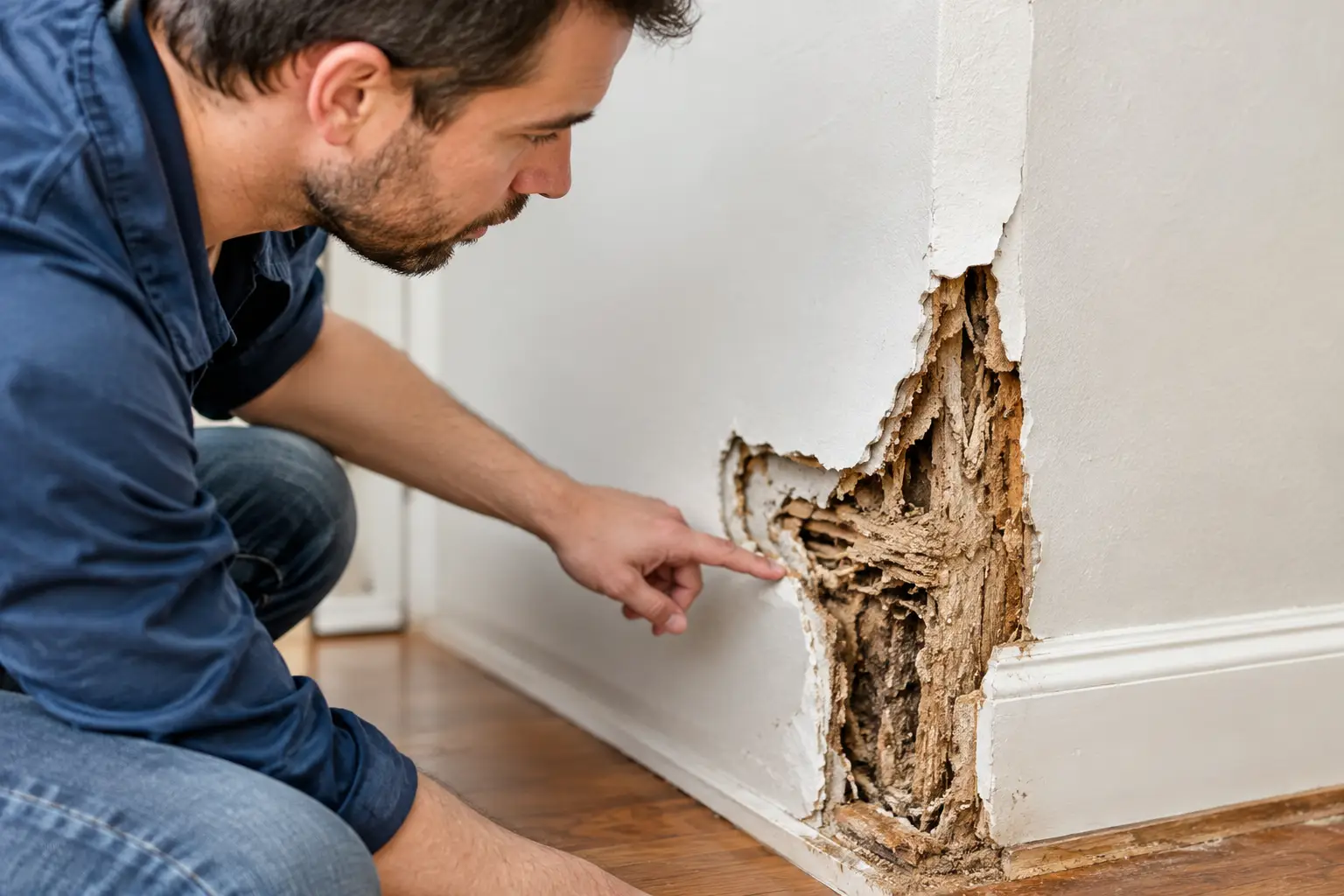
Learn the termite damage signs that merit a professional inspection, from mud tubes and hollow wood to stuck doors, bubbling paint, and swarmers indoors.
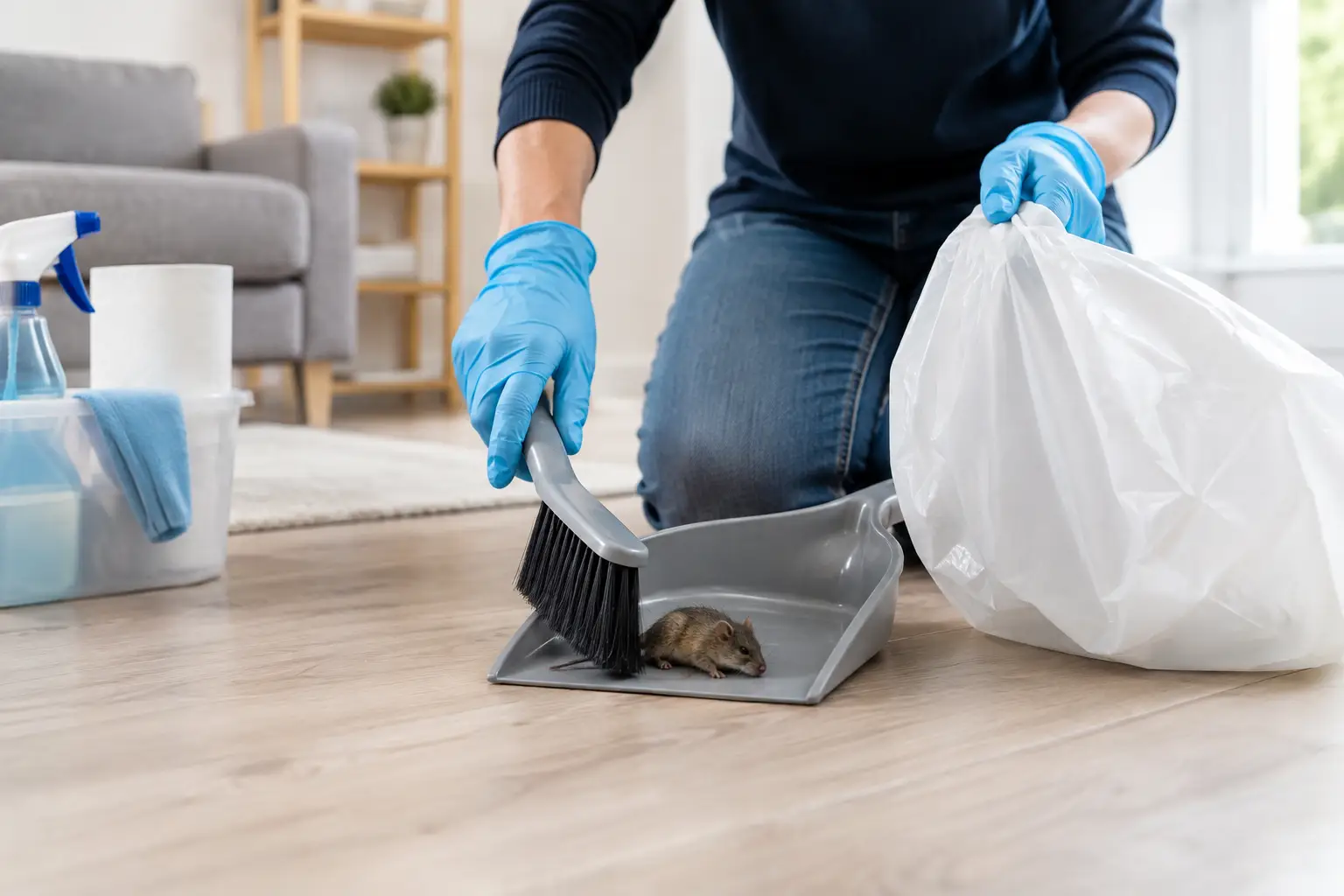
Rodent cleanup means more than sweeping droppings. Learn safe cleanup steps, ways to prevent repeat activity, and when to call a Utah pest pro for help.