Seeing a cockroach cross the kitchen floor after dark can make an apartment feel instantly less safe and comfortable. Knowing how to treat cockroaches in apartments starts with one key fact: the problem is rarely limited to the unit where a roach was seen. Roaches can travel through wall voids, plumbing openings, shared utility lines, hallways, and neighboring apartments. Effective control requires prompt action inside the affected unit and coordinated work across the property when needed.
For tenants, that means reporting activity early and preparing the apartment for treatment. For landlords and property managers, it means treating cockroach control as a building-wide maintenance and tenant-satisfaction issue, not simply a one-unit complaint.
Start by Identifying the Scope of the Problem
A single cockroach does not always mean a large infestation, but it should never be ignored. German cockroaches, one of the most common indoor species, reproduce quickly and tend to stay close to food, water, warmth, and hiding places. Kitchens, bathrooms, laundry areas, utility closets, and spaces behind appliances are common activity zones.
Look for more than live insects. Small dark droppings that resemble pepper, shed skins, egg cases, and a stale or musty odor can all point to active cockroach activity. Check cabinet hinges, drawer tracks, under sinks, behind the refrigerator, around the dishwasher, and along gaps where pipes enter walls.
For apartment managers, document where reports are coming from and when. Activity in stacked units, units sharing plumbing walls, or apartments near trash rooms can indicate a connected issue. Treating only the apartment that reported the problem may reduce sightings temporarily while allowing the infestation to continue elsewhere.
Remove Food, Water, and Hiding Places
Sanitation is not a substitute for professional treatment, but it makes every treatment more effective. Cockroaches need remarkably little food and moisture to survive. A few crumbs under a stove, pet food left overnight, a leaking pipe, or residue in recycling can support activity.
Residents should keep food in sealed containers, wipe counters after meals, rinse cans and bottles before placing them in recycling, and take garbage out regularly. Do not leave pet food or water bowls out overnight if cockroach activity is present. Clean grease buildup around stovetops and remove clutter from under sinks, pantry floors, and cabinet corners.
Moisture control matters just as much. Report leaking faucets, slow drains, condensation around pipes, and water collecting beneath sinks or appliances. In multi-family properties, maintenance repairs are part of pest control. A bait treatment will have a harder time succeeding if roaches have easy access to water behind a leaking dishwasher or under a bathroom vanity.
Use Targeted Cockroach Treatments, Not Random Sprays
When people first see roaches, they often reach for aerosol sprays. Those products may kill the insect in view, but they usually do not reach the nest or the hidden roaches that are causing the larger problem. Heavy or repeated spraying can also drive roaches deeper into wall voids and make baiting less effective.
Baits are often a more strategic tool for indoor cockroach control. Roaches feed on the bait, return to harborages, and can spread the active ingredient through the population. Gel baits or enclosed bait stations are commonly placed in concealed areas where roaches travel, such as cabinet corners, behind appliances, under sinks, and near plumbing penetrations.
Placement matters. Bait should be kept out of reach of children and pets and used according to the product label. It should not be applied on food-preparation surfaces. Avoid spraying repellent insecticides directly around bait placements, because roaches may avoid the areas where they need to feed.
Sticky monitoring traps can also help. They do not solve an infestation alone, but they show where activity is concentrated and whether treatment is working. Place them along walls, behind appliances, beneath sinks, and in other protected areas, then check them consistently.
Why professional treatment is often the safer choice
Apartment infestations can require products, equipment, and access to areas that are difficult for residents to manage safely on their own. A trained technician can identify likely harborages, choose treatments appropriate for the situation, and address the conditions allowing roaches to persist.
Professional service may include targeted baiting, insect growth regulators that interrupt the roach life cycle, crack-and-crevice applications, monitoring, and follow-up visits. The right plan depends on the species, level of activity, building layout, sanitation conditions, and whether adjacent units are affected.
For property managers, professional documentation and a consistent treatment plan also help create clear communication with residents. Tenants need to know what preparation is required, when access is needed, and what steps to take after service. A coordinated process reduces missed appointments and prevents one untreated unit from undermining work in the rest of the building.
Seal Entry Points and Address Building Conditions
Cockroaches can fit through surprisingly small gaps. Once active treatment is underway, reduce their travel routes by sealing cracks around baseboards, cabinets, plumbing lines, electrical openings, and wall penetrations. Door sweeps can help where gaps under entry doors lead to common hallways or exterior areas.
In an apartment setting, this work should be balanced with building needs. Some utility gaps require proper materials and maintenance expertise, especially around plumbing, gas lines, or electrical components. Do not block ventilation openings or make repairs that create moisture problems.
Trash management is another major factor. Dumpster areas, trash chutes, recycling rooms, and shared compactors need regular cleaning and dependable pickup schedules. Overflowing garbage and food residue can turn a localized apartment issue into a recurring property-wide concern.
Coordinate Treatment Between Tenants and Management
Cockroach treatment works best when everyone has a defined role. Tenants should report sightings quickly, follow preparation instructions, reduce food and moisture sources, and allow access for scheduled service. Management should respond promptly, repair conditions that support pest activity, communicate clearly, and arrange inspection of neighboring units when the pattern calls for it.
Privacy and respect matter during this process. Roach activity is not always a cleanliness issue. Cockroaches can enter through shared walls, deliveries, used furniture, grocery bags, boxes, or neighboring apartments. Blaming residents can delay reporting and make a manageable problem worse.
If a resident is moving in or out, inspect carefully. Empty units can still harbor cockroaches in appliances, cabinets, and wall gaps. Treating and monitoring vacant units before turnover can help protect the next resident and avoid an immediate complaint after move-in.
Know When the Problem Needs Immediate Attention
Call for professional help when roaches are seen during the day, multiple roaches are appearing each week, egg cases are present, activity is spreading beyond the kitchen or bathroom, or do-it-yourself efforts have not made a clear difference. Daytime sightings can mean the population is large enough that roaches are competing for hiding space.
For multi-family properties, act quickly when reports come from connected units or when activity occurs around shared trash, laundry, maintenance, or utility areas. Waiting allows reproduction and movement between apartments, making the eventual treatment scope larger and more disruptive.
Pest Xperts helps Utah residents and multi-family property managers build treatment plans around the actual apartment layout, level of activity, and conditions on site. That property-specific approach is especially valuable when roaches may be moving between units.
A cockroach issue can feel urgent, but the answer is not panic or a can of spray. Fast reporting, careful sanitation, targeted treatment, maintenance repairs, and follow-up monitoring give apartments the best chance of becoming clean, comfortable spaces again.
continue reading
Related Posts
Use this commercial sanitation pest guide to reduce pest pressure, protect tenants and customers, and build a cleaner, safer Utah property year-round.
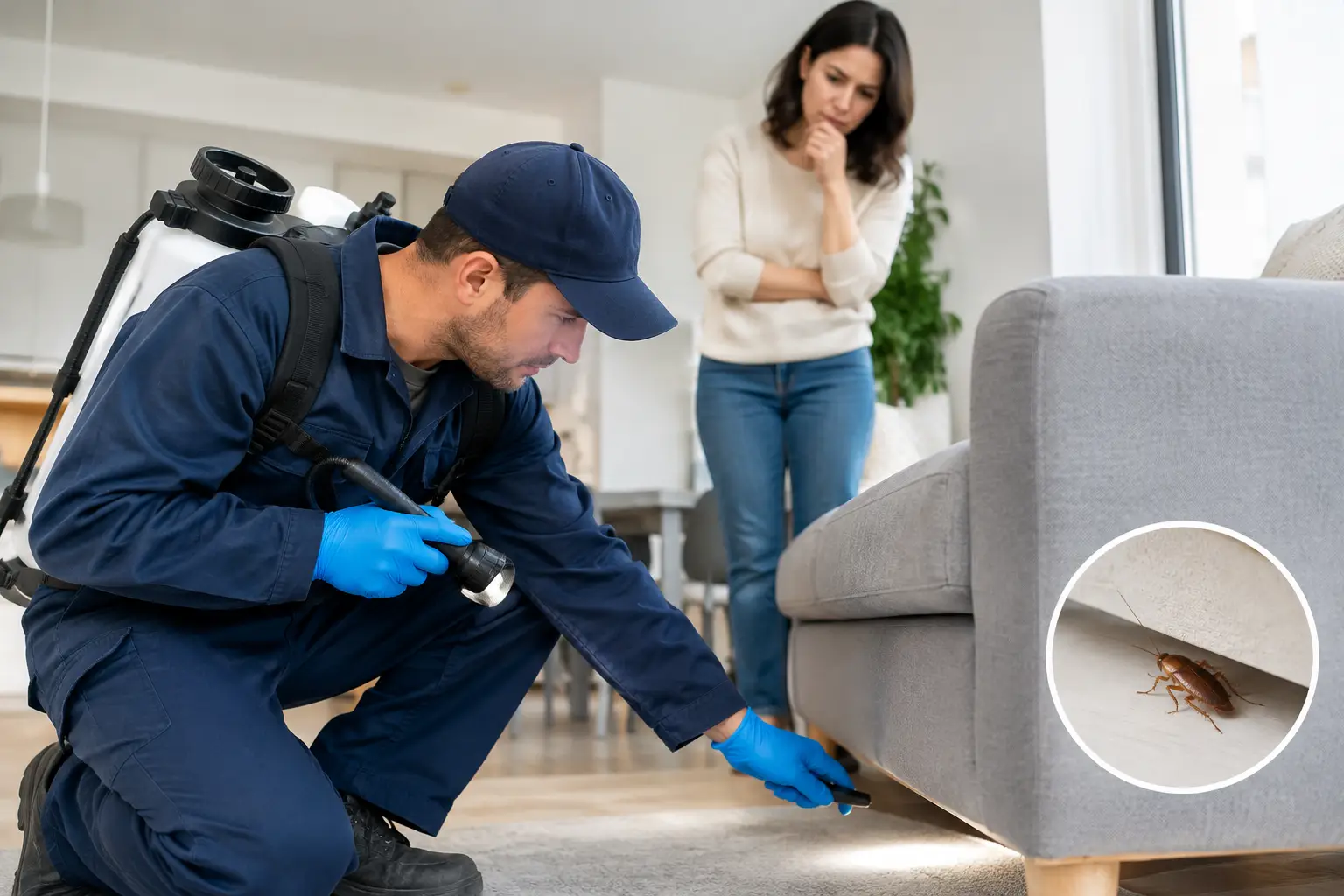
Who handles tenant pests? Learn when a Utah landlord, tenant, or property manager is responsible and how fast action prevents a larger infestation problem.
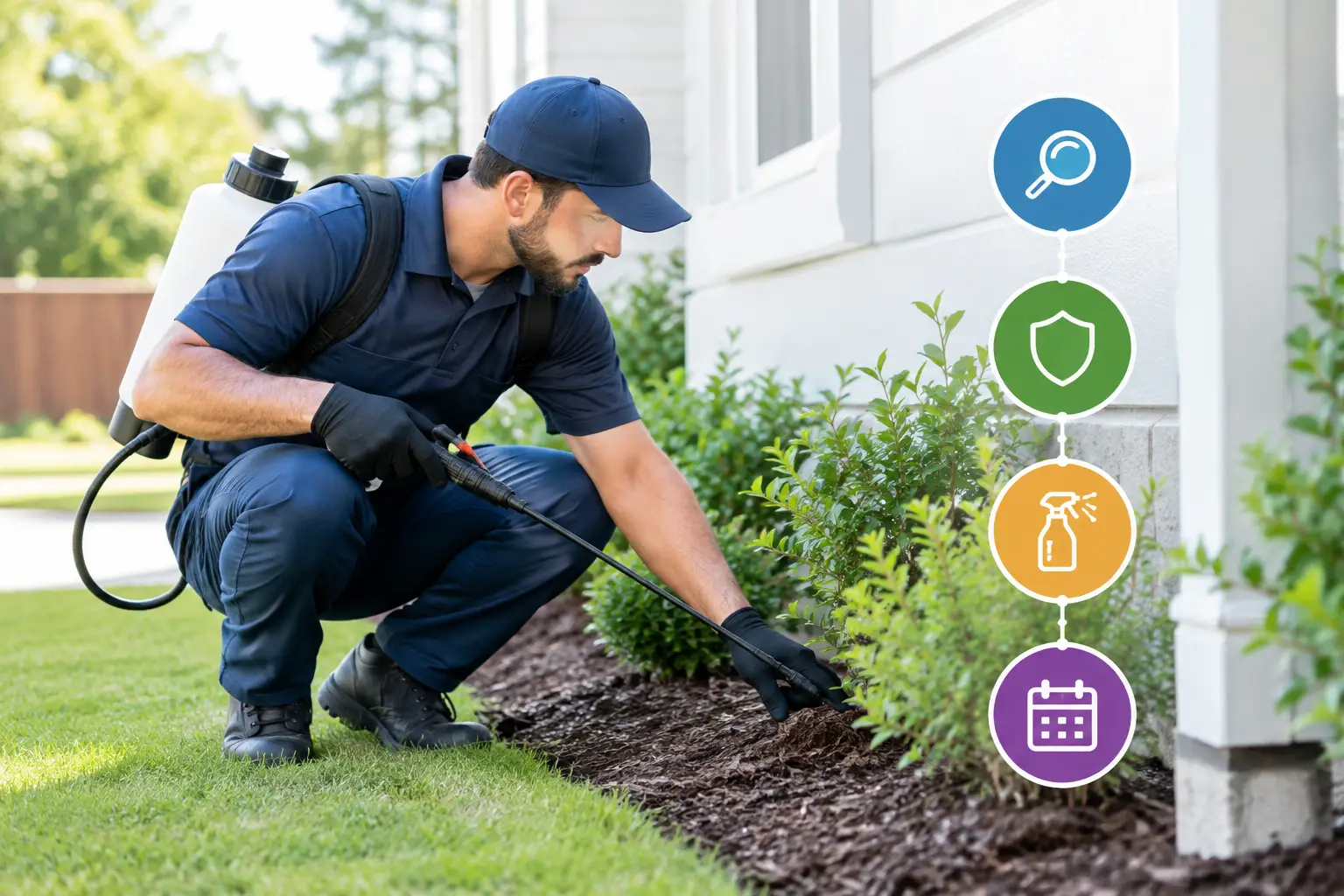
Follow this pest treatment timeline guide to know what happens before, during, and after service, and when your Utah home or business should improve fully.