

Utah pest problems do not follow a single schedule. A warm spring afternoon can bring ants to the kitchen, dry summer conditions can push spiders and wasps closer to buildings, and the first cold snap can send mice looking for a gap around the foundation. Effective seasonal pest control in Utah accounts for those shifts before a small issue becomes an infestation.
For homeowners, that means protecting the places where your family eats, sleeps, and relaxes. For landlords, property managers, and business owners, it means fewer tenant complaints, less disruption, and a cleaner, more dependable property. The best plan is not the same treatment repeated every month. It is a property-specific approach that changes with Utah’s weather, pest activity, and the way your building is used.
Why Utah Pests Change With the Seasons
Utah’s climate creates distinct pest pressures. Our cold winters, spring moisture, hot summers, and dry fall conditions all affect where pests live and what draws them indoors. Elevation matters too. A property near Logan or Park City may see a different timeline than one in Spanish Fork, even when the pest concerns are similar.
Pests are usually looking for one of three things: food, water, or shelter. Seasonal changes alter where those resources are easiest to find. When outdoor conditions are comfortable, pests may stay near landscaping, exterior walls, and nesting areas. When conditions become too hot, dry, wet, or cold, they often move closer to homes and commercial buildings.
That is why waiting until you see pests indoors can be costly. Visible activity is often the last part of the problem, not the first. Preventive service focuses on entry points, conditions around the property, and the pests most likely to become active next.
A Seasonal Pest Control Plan for Utah Properties
Spring: Stop Ants, Spiders, and Early Activity
Spring is when many Utah property owners first notice pest activity. Melting snow, rain, and warming temperatures wake up insects that have been inactive through winter. Ants begin foraging, spiders become more visible, and insects gather around foundations, patios, windows, and landscape beds.
This is a strong time to inspect the exterior of a property. Cracks around utility lines, gaps beneath doors, torn weatherstripping, and unsealed openings near the foundation can all become easy access points. Moisture also deserves attention. Leaking irrigation, clogged gutters, and standing water can attract insects and create favorable conditions near the building.
For multi-family properties, spring service can prevent a small exterior issue from becoming a repeated indoor complaint across several units. Shared walls, utility penetrations, trash areas, and landscaping need coordinated attention. Treating one unit without considering the surrounding building may provide only short-term relief.
Summer: Manage Wasps, Spiders, and Outdoor Pressure
Summer is when outdoor pest activity can affect how people use a property. Wasps may build nests in eaves, sheds, play structures, grills, and gaps around exterior features. Spiders can become more noticeable around lights, window wells, garages, and storage spaces because insects gather there.
Summer pest control should balance effective treatment with the way your family, tenants, customers, or employees use the space. A technician should consider patios, playgrounds, pet areas, garden beds, entryways, and loading zones rather than applying a one-size-fits-all plan.
Food and garbage management make a major difference in the summer. Keep trash lids closed, clean spills around outdoor eating areas, and avoid leaving pet food outside. These steps do not replace professional service, but they reduce the conditions that keep pests close to the building.
Fall: Keep Rodents From Moving In
Fall is one of the most important prevention windows for Utah homes and businesses. As nights get cooler, mice and other rodents begin looking for warmth, nesting material, and reliable food. A gap that seems too small to matter can be enough for a mouse to enter.
Look closely at garage-door corners, foundation vents, pipe openings, damaged screens, roofline gaps, and areas where siding meets brick or concrete. Indoors, keep stored items elevated and organized when possible. Rodents prefer quiet, cluttered areas where they can travel unnoticed, especially in garages, basements, storage rooms, and utility spaces.
If you hear scratching, find droppings, notice gnaw marks, or see a rodent during the day, act quickly. Rodent activity can grow fast once nesting begins. Trapping may be part of the solution, but exclusion is what helps prevent the next rodent from taking the same route inside.
Winter: Address Hidden Indoor Pest Issues
Winter does not mean pest problems disappear. It means many are less visible. Rodents may remain active inside walls, attics, crawl spaces, and storage areas. Cockroaches can continue reproducing indoors where warmth, water, and food are available. In multi-family buildings, pests can move through shared plumbing lines, wall voids, and utility connections.
Winter is a practical time to address recurring problems that have been difficult to solve during busier seasons. Cockroach service, for example, requires more than a quick spray. It may involve inspecting harborages, identifying moisture and sanitation concerns, treating the right areas, and scheduling follow-up service based on the level of activity.
Commercial kitchens, break rooms, apartment trash areas, and laundry spaces deserve particular attention. Consistent monitoring in winter helps prevent a hidden issue from becoming a larger spring problem.
What Makes Seasonal Service Effective
The right frequency depends on the property and the pest pressure. A newer home with good sealing and low activity may need a different plan than an older home near open land, a restaurant, or a large apartment community. Square footage, lot size, landscaping, building age, nearby construction, and previous pest history all matter.
A useful seasonal pest-control program should include inspection, targeted treatment, and practical prevention guidance. Treatment alone may reduce what you see today, but inspection reveals why pests are showing up. Prevention work helps reduce the chance that they return through the same opening or gather around the same food or moisture source.
For a home, that may mean focusing on the foundation, garage, kitchen, and exterior entry points. For a commercial or multi-family property, it may also mean evaluating common areas, dumpsters, maintenance rooms, tenant turnover procedures, and communication between managers and residents.
There is a trade-off to consider: infrequent service can cost less upfront, but it can leave long gaps when pest populations are building. More frequent prevention can reduce surprises and help catch seasonal changes earlier. The best choice depends on your property, your tolerance for pest activity, and whether you are dealing with an active infestation or looking to prevent one.
When to Call for Professional Help
Some pest issues are straightforward to spot but difficult to resolve completely. Repeated ants in the kitchen, active wasp nests near doors, cockroach sightings, rodent evidence, or spiders appearing throughout the home are all reasons to request an inspection. The same applies when a business or multi-family property receives recurring complaints from different areas of the building.
Professional service is especially valuable when the source is unclear. Treating only the visible pests can miss nests, entry points, harborage areas, or the building conditions that support them. A consultation-led assessment helps match the treatment plan to the actual scale of the issue instead of guessing.
Pest Xperts serves properties across the Wasatch Front and surrounding communities with prevention and extermination plans built around the site, season, and pest concern. For homes, apartments, and commercial properties, timely action can protect comfort, property condition, and peace of mind.
The most effective time to prepare for the next pest season is usually before it arrives. A careful inspection and a plan that fits your property can keep seasonal changes from becoming a year-round problem.
continue reading
Related Posts
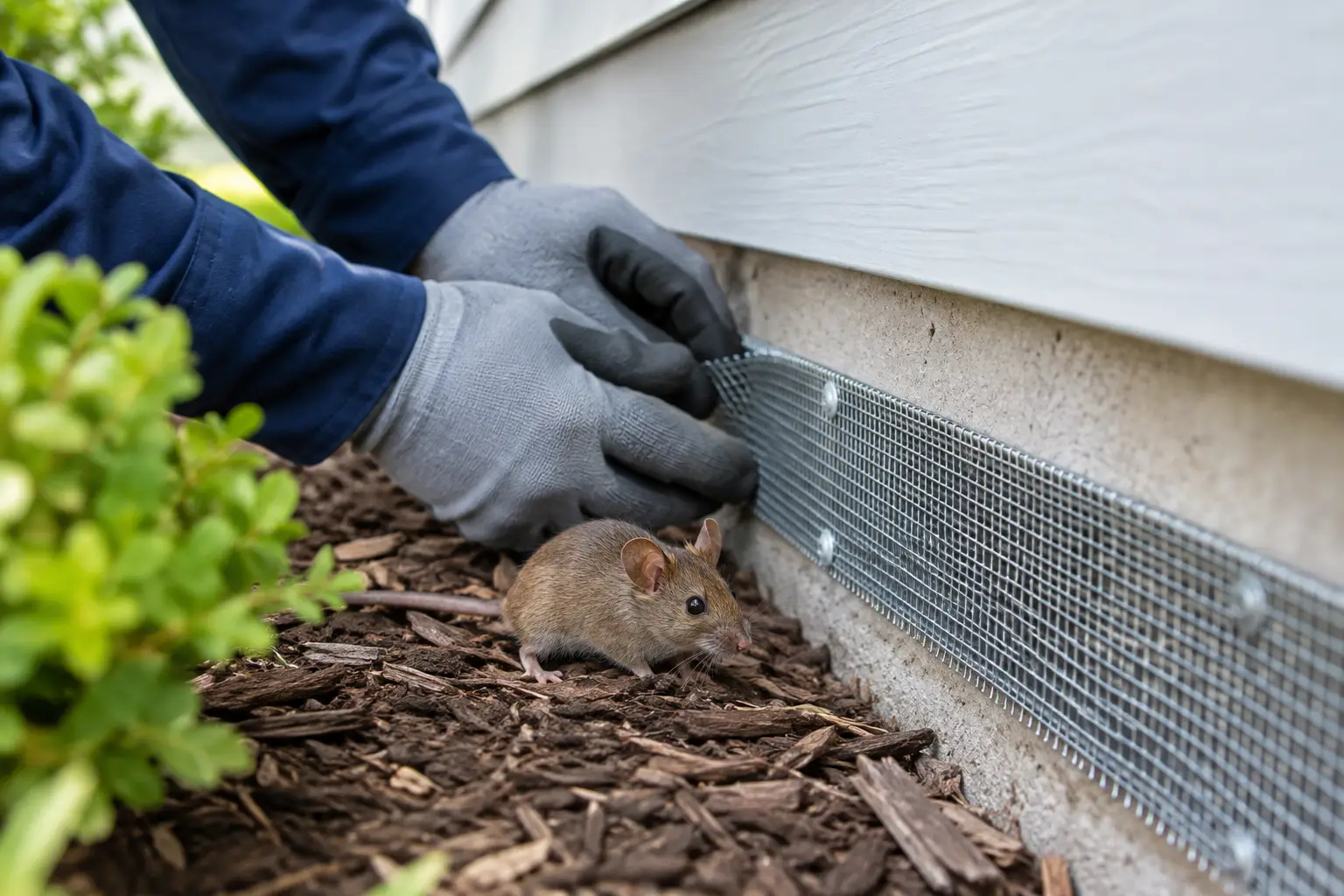
Rodent exclusion for homes helps block mice and rats before they settle in. Learn which gaps to seal, warning signs to watch for, and when to call a pro.

Use this Utah home pest inspection guide to spot pests early, protect your family, and know when professional treatment is the right next step for homes.
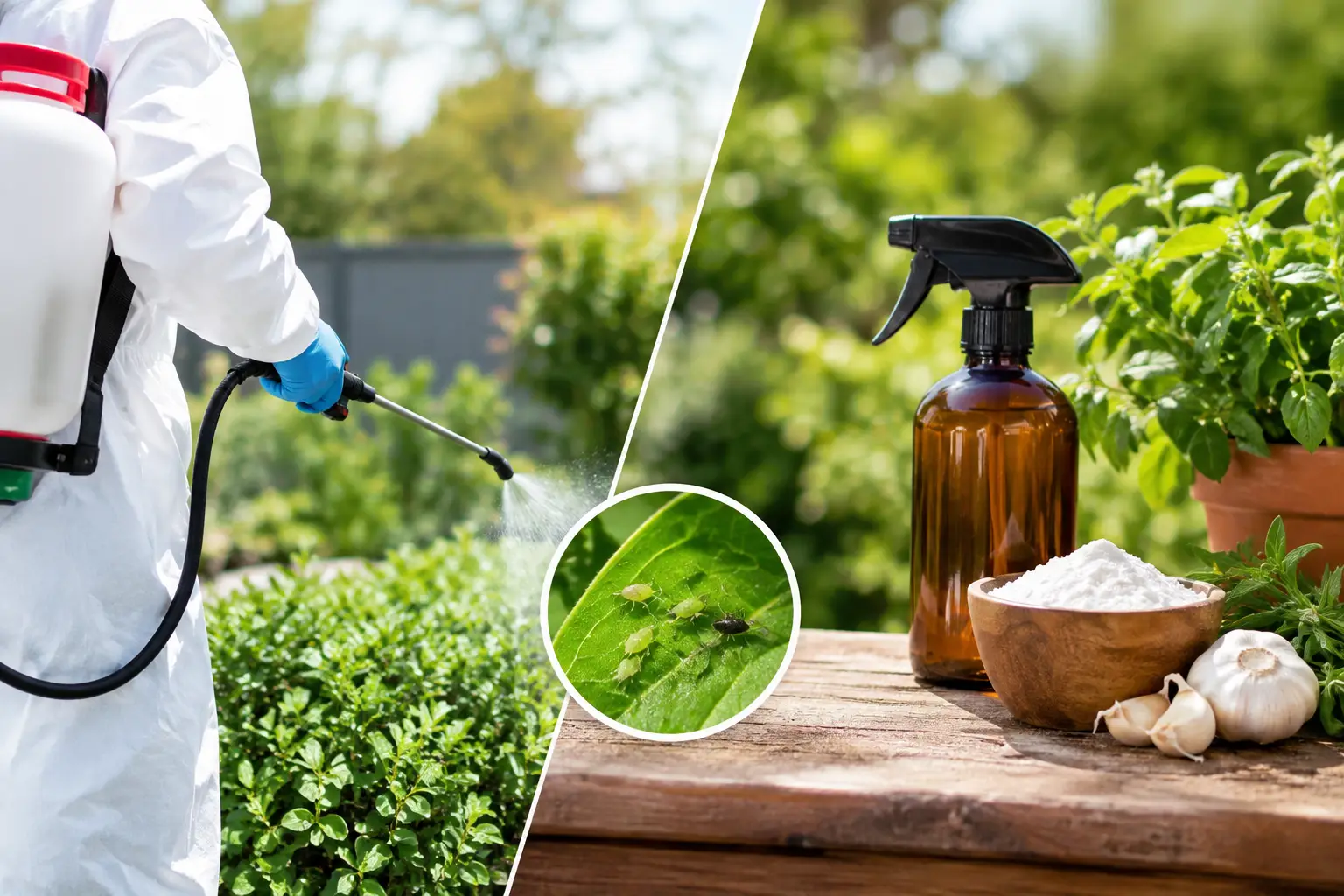
Chemical versus nonchemical pest control has trade-offs. Learn how Pest Xperts builds a safer, targeted plan for Utah homes and properties every day.