
A spider in the basement, a line of ants near the sink, or a cockroach sighting after dark can make pest control feel urgent. But the best response is not always the same. Choosing between single versus recurring treatments depends on what is happening at the property, why the pest is there, and how likely it is to return.
For some Utah homes and businesses, a targeted one-time service is the right way to solve a specific problem. For others, ongoing protection is the more dependable choice because seasonal pest pressure, nearby activity, or the property’s layout keeps creating new opportunities for pests. A professional assessment should lead the decision, not a one-size-fits-all package.
What a Single Pest Treatment Is Designed to Do
A single treatment is a focused service for an identified pest issue or a specific area of concern. It may be appropriate when activity is limited, the source can be addressed directly, and there is no strong reason to expect repeated pressure after treatment.
For example, a homeowner may notice wasps building a nest near an entryway, ants gathering around one exterior crack, or spiders concentrating in a storage area. In these cases, the technician can inspect the site, identify conducive conditions, treat the affected areas, and recommend practical steps such as reducing moisture, sealing entry points, or moving stored materials away from walls.
A one-time visit can also make sense when a property is preparing for a sale, reopening after a vacancy, or completing a custom project with a defined scope. The value is in addressing the immediate concern without committing to visits that the property may not need.
That said, “single” does not necessarily mean “instant and finished forever.” Some pest problems require follow-up because eggs can hatch after an initial treatment, pests may be entering from an area that was not apparent at first, or conditions around the property may change. An honest recommendation accounts for the pest’s life cycle and the level of activity, rather than promising that one visit solves every situation.
When a One-Time Treatment May Be Enough
A single treatment is often worth considering when the issue is isolated and the property has a low history of recurring pest activity. A recent, clearly located issue is different from finding pests in multiple rooms, seeing them repeatedly over several weeks, or receiving complaints from several tenants.
It can be a good fit when the underlying cause is corrected at the same time. If ants are drawn to a spill, a leaking fixture, or an accessible food source, treatment works best alongside cleanup and repair. If spiders are concentrated around exterior lighting, adjusting the lighting or reducing insect attraction can help limit future activity.
The limitation is that a single treatment is reactive by nature. It addresses the pest pressure visible now. It may not provide the consistent exterior barrier, monitoring, or seasonal adjustments that help prevent new pests from becoming established later.
Why Recurring Treatments Work Differently
Recurring pest control is a prevention-focused plan built around regular inspections and treatments. Instead of waiting for pests to become noticeable indoors, service is scheduled to address changing conditions through the year and reduce the chance of pests gaining a foothold.
This approach is especially useful along Utah’s Wasatch Front, where pest behavior changes with the weather. Warmer months can bring ants, spiders, wasps, and other exterior activity. As temperatures cool, pests often look for sheltered indoor spaces, gaps around utilities, garages, basements, and wall voids. A property that appears quiet in one season may face very different pressure in the next.
Recurring service gives technicians an opportunity to spot developing issues before they become major infestations. They can monitor pest trends, refresh treatment in key areas, and adjust recommendations as landscaping, moisture conditions, construction, occupancy, or weather changes. That continuity matters because prevention is rarely one action. It is a pattern of inspection, treatment, exclusion, and property care.
Single Versus Recurring Treatments for Active Infestations
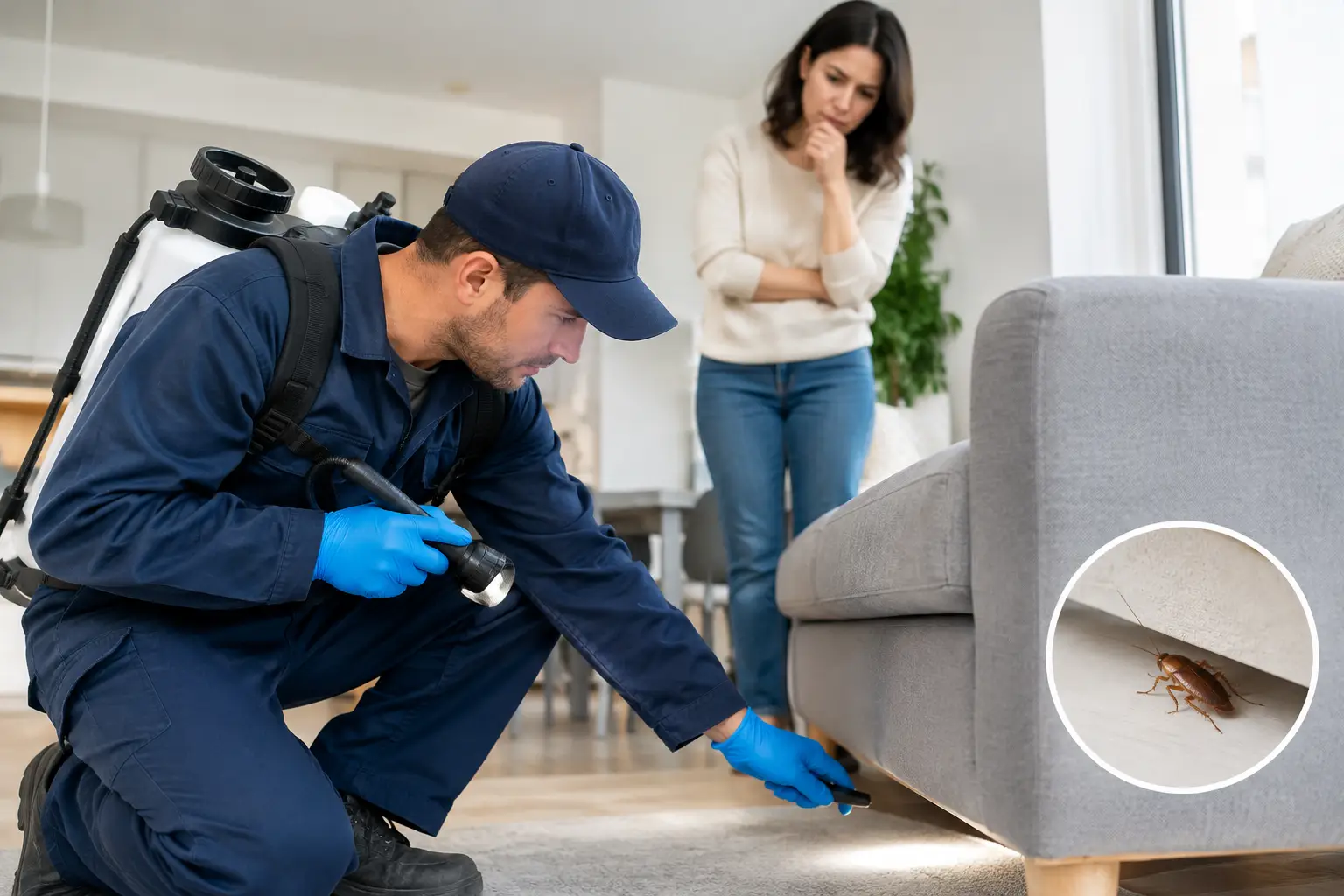
The choice becomes more urgent when the pest is known to reproduce quickly or spread through a building. Cockroaches are a clear example. A sighting may represent more activity than a resident can see, particularly in kitchens, bathrooms, utility areas, shared walls, and cluttered storage spaces. A quick surface treatment without inspection, sanitation guidance, and follow-up may leave the larger issue untouched.
For active infestations, the right answer may begin with an intensive initial treatment and continue with scheduled follow-up visits. This is not simply recurring prevention. It is a treatment plan designed to interrupt the infestation, monitor results, and respond to conditions that could lead to reinfestation.
Multi-family properties often need this more structured approach. Pests do not respect unit boundaries. They can move through wall voids, plumbing penetrations, hallways, trash areas, laundry rooms, and shared utility spaces. Treating one apartment without considering adjacent units or common areas can create a temporary improvement without resolving the property-wide risk.
Property managers and landlords benefit from a plan that documents activity, identifies recurring conditions, and supports consistent communication with residents. Regular service can protect tenant comfort and help prevent isolated reports from becoming a larger maintenance, reputation, or occupancy problem.
The Factors That Should Guide the Decision
The most useful pest control recommendation starts with the property itself. Square footage, lot size, landscaping, age of the building, nearby open space, construction gaps, sanitation conditions, and the type of pest all affect the scope of service.
History matters too. A homeowner who sees a few occasional spiders may not need the same plan as a family that has dealt with ants every spring and fall. A restaurant, office, warehouse, or multi-family community has different risk factors than a single-family home because people, deliveries, waste handling, food storage, and shared spaces can create more pest entry points and hiding areas.
Think about the cost of disruption as well. For a business, pest activity can affect customer confidence, employee comfort, inventory, and operations. For a rental property, it can lead to tenant complaints, added maintenance calls, and urgent scheduling challenges. Recurring treatment may cost more over time than one visit, but it can be the more practical investment when prevention avoids repeated emergencies.
Prevention Still Requires Property Partnership
Neither single nor recurring treatment replaces basic pest prevention around the property. Pest control works best when treatment is paired with conditions that make the structure less inviting.
Keep food sealed, clean crumbs and grease from kitchen areas, manage trash promptly, and repair moisture issues where possible. Outdoors, reduce standing water, keep vegetation from resting against the structure, and watch for gaps around doors, pipes, vents, and utility lines. In multi-family settings, clear expectations around trash, food storage, and reporting pest activity early can make a meaningful difference.
These steps are not meant to place blame on residents or staff. Pests can enter clean, well-maintained properties. They simply reduce the food, water, shelter, and access that allow a small issue to grow.
Choosing a Plan With Confidence
The best plan should match the problem, not pressure you into more service than necessary. A targeted treatment can be an effective solution for a contained issue. Recurring service is often the stronger option when seasonal pressure is predictable, the property has a history of activity, or the consequences of an infestation are high.
At Pest Xperts, the scope of service is based on the property and pest concern, including the size of the building and lot. That approach helps homeowners, landlords, and business owners choose protection that fits their actual risk.
If you are unsure which path makes sense, start by paying attention to what you are seeing, where it is happening, and whether it has happened before. Early action gives you more options, protects the people who use the property, and keeps a minor pest concern from becoming the problem everyone notices.
continue reading
Related Posts

Use this commercial sanitation pest guide to reduce pest pressure, protect tenants and customers, and build a cleaner, safer Utah property year-round.
Who handles tenant pests? Learn when a Utah landlord, tenant, or property manager is responsible and how fast action prevents a larger infestation problem.

Follow this pest treatment timeline guide to know what happens before, during, and after service, and when your Utah home or business should improve fully.