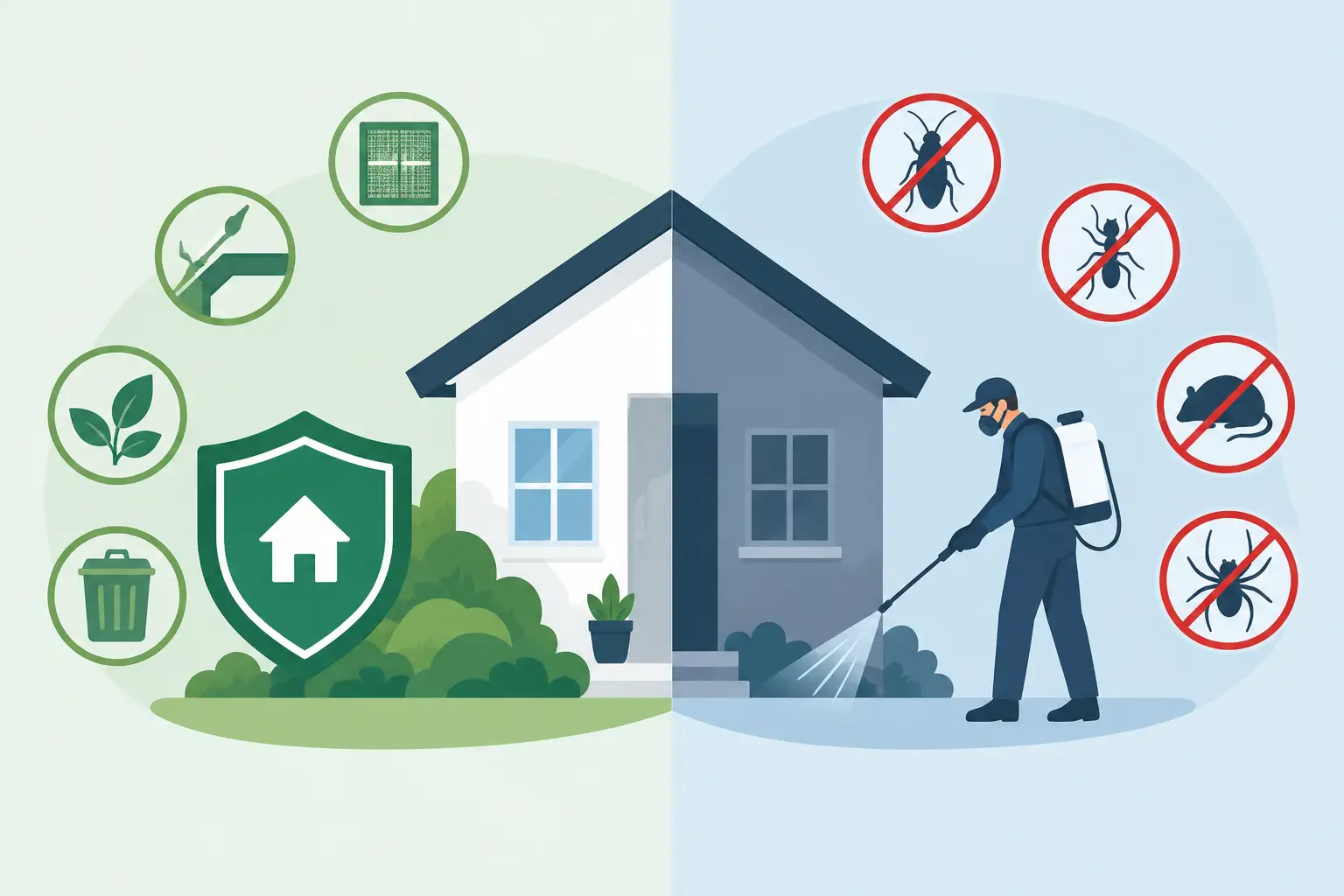
A few ants near the kitchen window can feel like a small problem. Cockroaches in a cabinet, spiders appearing daily, or rodent signs in a utility room are different. The choice between pest prevention versus extermination comes down to what is happening on your property right now, how likely the problem is to return, and how much protection you need going forward.
For Utah homeowners, landlords, property managers, and business owners, pest control is rarely one-size-fits-all. A home in Logan faces different seasonal pressures than a multi-family property in Salt Lake County or a facility near Park City. The right service begins with an honest look at the pest activity, the building, and the conditions attracting pests.
What Pest Prevention Is Designed to Do
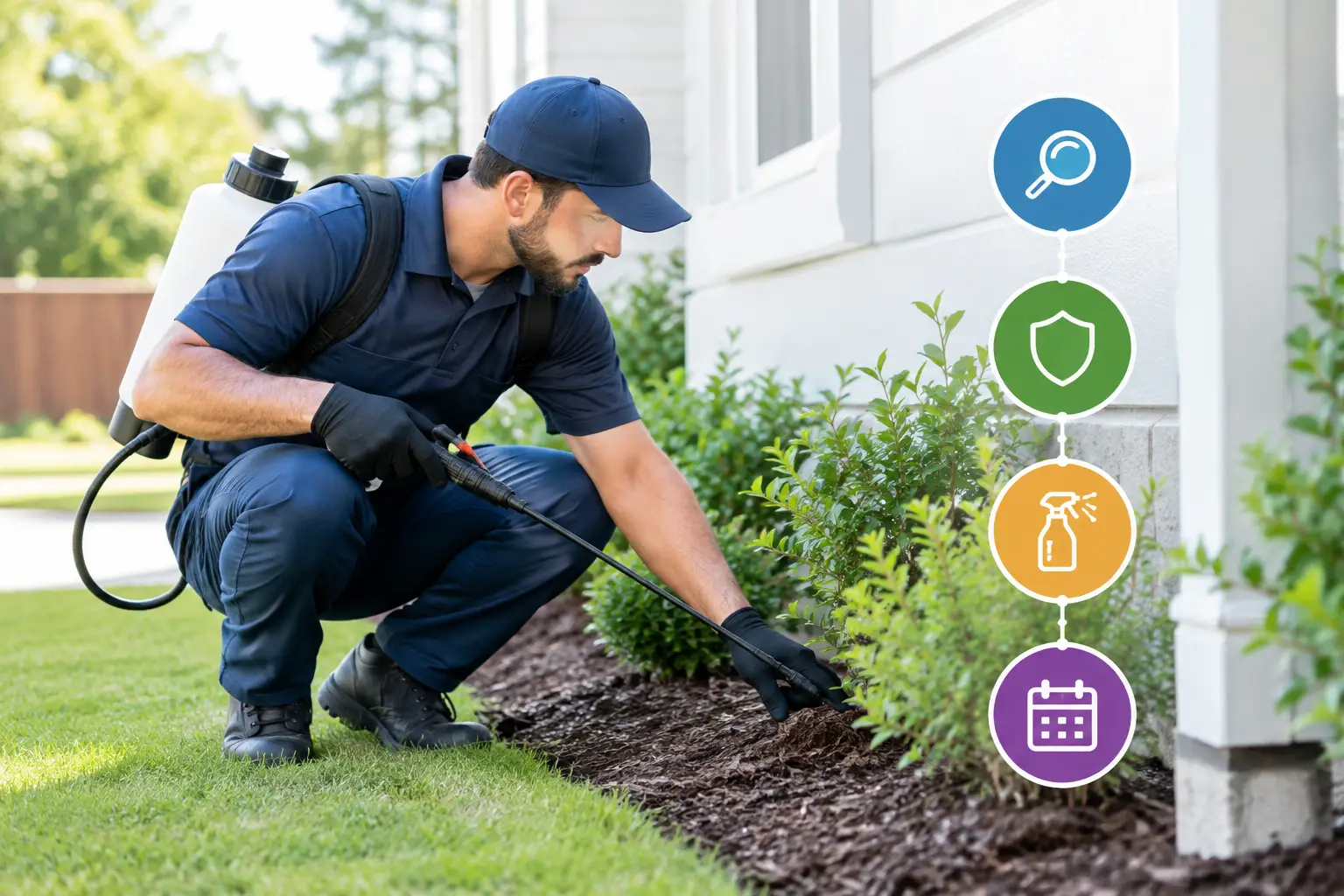
Pest prevention is ongoing, proactive service intended to keep common pests from becoming established. Rather than waiting for visible activity indoors, a technician inspects likely entry points and harborage areas, then applies a treatment plan around the property and where appropriate inside it. The goal is to create a protective barrier while reducing the conditions pests use to enter, feed, and shelter.
For many residential properties, prevention focuses on pests that become more active as temperatures change. Ants may follow moisture and food sources indoors during warmer months. Spiders may move around exterior eaves, garages, and storage areas. Wasps can build nests around rooflines, decks, and sheds. In colder weather, rodents look for warmth and cover near homes, garages, and utility penetrations.
A prevention plan usually works best on a recurring schedule. That schedule allows a technician to monitor changes at the property, refresh protection as needed, and respond before a seasonal pest pattern turns into a larger issue. It is especially useful for families who want to protect living spaces before pests become a source of stress, cleanup, or repeated store-bought treatments.
Prevention is not simply spraying around a building. Effective service considers the property’s square footage, lot size, landscaping, exterior gaps, moisture sources, trash areas, and the types of pests common in the area. At a multi-family community, it also considers shared walls, trash enclosures, utility rooms, vacancies, and the way pest activity can move between units.
What Extermination Is Designed to Do
Extermination addresses an active pest problem. It is the right approach when pests are already established, reproducing, or creating an immediate concern for residents, tenants, customers, or staff. The priority is to identify the pest, locate the likely source, reduce the current population, and stop the conditions that allow it to continue.
A treatment for an active infestation may require more than one visit. Cockroaches are a clear example. Seeing one cockroach does not always confirm a major infestation, but repeated sightings, activity during the day, droppings, or egg cases deserve prompt attention. Roaches can hide in tight spaces near plumbing, appliances, cabinets, and wall voids, so treatment may need targeted products, sanitation guidance, follow-up inspections, and coordinated work across affected units.
Extermination can also be necessary when stinging insects build a nest near an entrance, rodents are getting into a structure, or bed bugs are suspected in a rental, hotel, or multi-family setting. In these cases, delaying treatment can increase discomfort, property damage, tenant complaints, and the scope of the work required.
The word “extermination” can suggest a single treatment that solves every problem immediately. Sometimes one targeted service is enough. More often, dependable results come from a plan that matches the pest’s life cycle and behavior. Eggs may hatch after an initial treatment, pests may be entering through a specific gap, or activity may be connected to an untreated neighboring area. A qualified technician should explain what treatment is needed, what to expect afterward, and whether follow-up is recommended.
Pest Prevention Versus Extermination: The Practical Difference
The simplest distinction is timing. Prevention works before pests establish a foothold. Extermination responds after active activity is found. Both can involve inspection, targeted treatment, and recommendations for reducing pest pressure, but their immediate goals differ.
Prevention is often the better value when your property has a history of seasonal pests, you manage multiple units, or you want fewer surprises throughout the year. It can reduce the chance that a small outdoor issue becomes an indoor infestation. For businesses, it also supports a cleaner customer experience and helps avoid the disruption that visible pest activity can cause.
Extermination is the priority when there is evidence of a current infestation. If you are seeing cockroaches several times a week, hearing rodents in walls, finding fresh droppings, or receiving tenant reports from more than one unit, a standard preventive visit may not be enough by itself. The immediate infestation needs a focused solution.
The strongest long-term approach is often both: active treatment first, followed by prevention. Once the existing pest population is under control, recurring service helps protect the investment made in resolving it. This is particularly true for properties with recurring exterior pressure, older construction, high tenant turnover, shared walls, or nearby food and waste sources.
Signs You Should Start With Active Treatment
Not every pest sighting means you need an infestation treatment. A single spider in a basement or one ant near an exterior door may be handled through a preventive service and simple property adjustments. But the following signs should prompt a timely professional assessment:
- Repeated sightings of cockroaches, rodents, bed bugs, or other pests inside the structure
- Droppings, gnaw marks, nesting materials, shed skins, egg cases, or unexplained odors
- Pest activity in food storage, kitchens, break rooms, tenant units, or customer-facing areas
- Multiple complaints from residents, employees, or visitors
- A visible nest or pest activity that presents a stinging, biting, or contamination concern
These signs do not all point to the same treatment. That is why identification matters. Treating ants like cockroaches, or applying a general treatment when rodents are entering through an unsealed gap, can leave the real issue unresolved.
Why Property Conditions Matter
Pests are usually responding to something the property provides: food, water, shelter, or an accessible entry point. A leaky irrigation line can support ant activity. Unsealed utility openings can give rodents a path indoors. Overflowing trash, grease buildup, cluttered storage, and pet food left out overnight can all raise pest pressure.
Professional pest control should not place the full burden on the customer, but good results are a partnership. A technician can treat active areas and create a prevention plan, while the property owner or manager can address sanitation, moisture, repairs, and access recommendations. On multi-family properties, clear resident communication is often just as important as treatment timing.
Choosing the Right Service for Your Property
Start with three questions: Are pests currently active inside? Has this happened before? Is the building likely to support repeated pest activity? Your answers point toward the right next step.
If there is no active indoor problem but you want dependable protection through Utah’s changing seasons, prevention is a practical choice. It is also a smart fit for homeowners who have dealt with recurring spiders, ants, or wasps and would rather not wait for the next surge.
If there is confirmed activity, choose an inspection and treatment plan built for the specific pest. Ask what areas will be inspected, whether follow-up is necessary, how occupants should prepare, and what steps can reduce reinfestation. Property managers should also ask how the provider will coordinate access, document service, and handle activity that crosses unit lines.
Cost should reflect the actual scope of the job, not a guess based on a quick description. Building size, lot size, pest type, level of activity, and the number of affected areas all matter. A free consultation is useful because it gives the provider a chance to recommend the service your property needs instead of selling a generic package.
Protection That Continues After the Immediate Problem
The best time to think about prevention is not always before the first pest appears. It can be right after an extermination treatment, when the property is clean, activity is reduced, and the next goal is keeping pests from returning. For a family home, that means more peace of mind. For a rental community or business, it means fewer disruptions and a more dependable experience for the people who rely on the property.
Pest Xperts can assess the conditions at your home, business, or multi-family property and recommend a safety-focused plan that fits the situation. Whether you need immediate help or want ongoing protection, acting while the issue is manageable can make the next season far less stressful.
continue reading
Related Posts
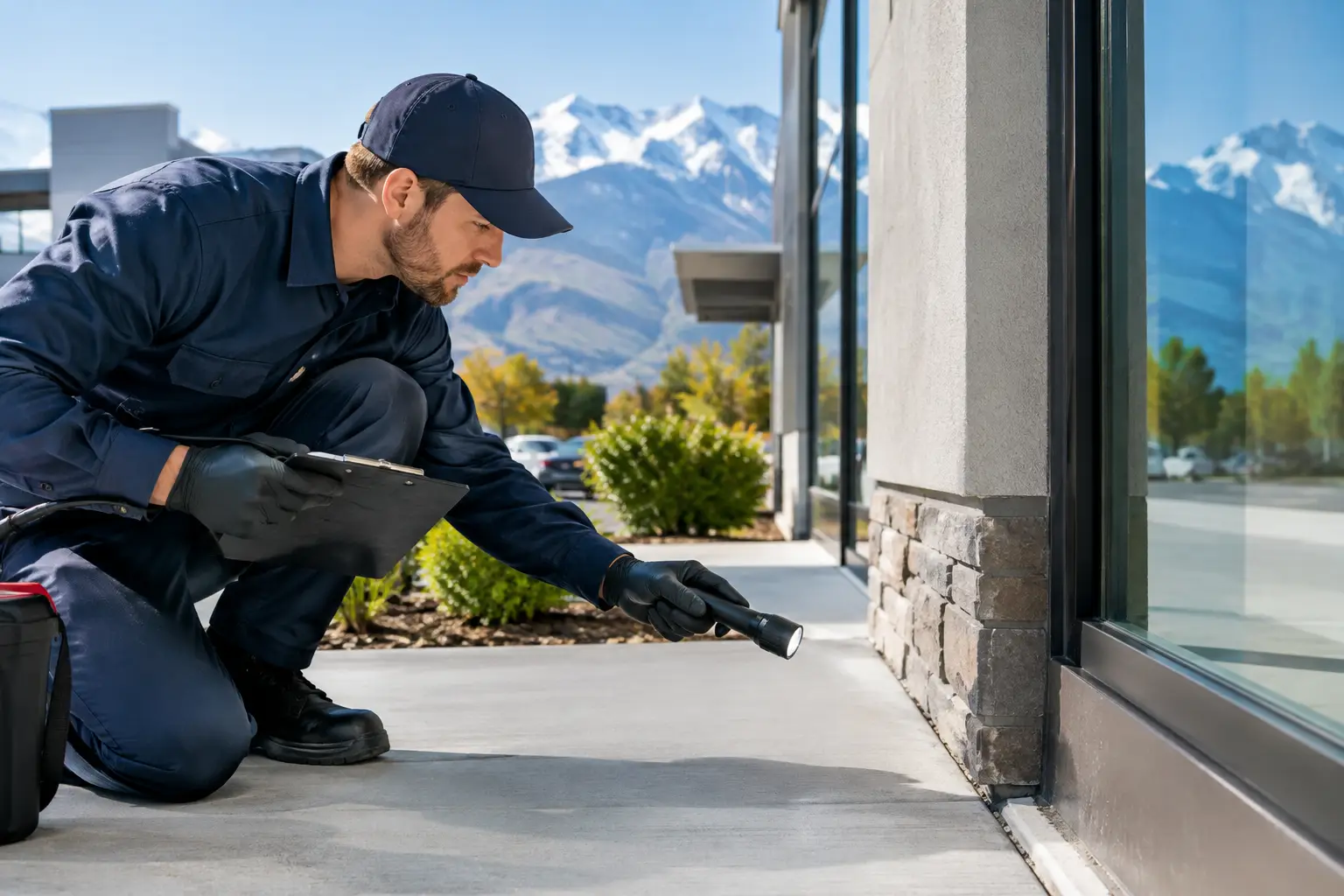
Use this commercial sanitation pest guide to reduce pest pressure, protect tenants and customers, and build a cleaner, safer Utah property year-round.
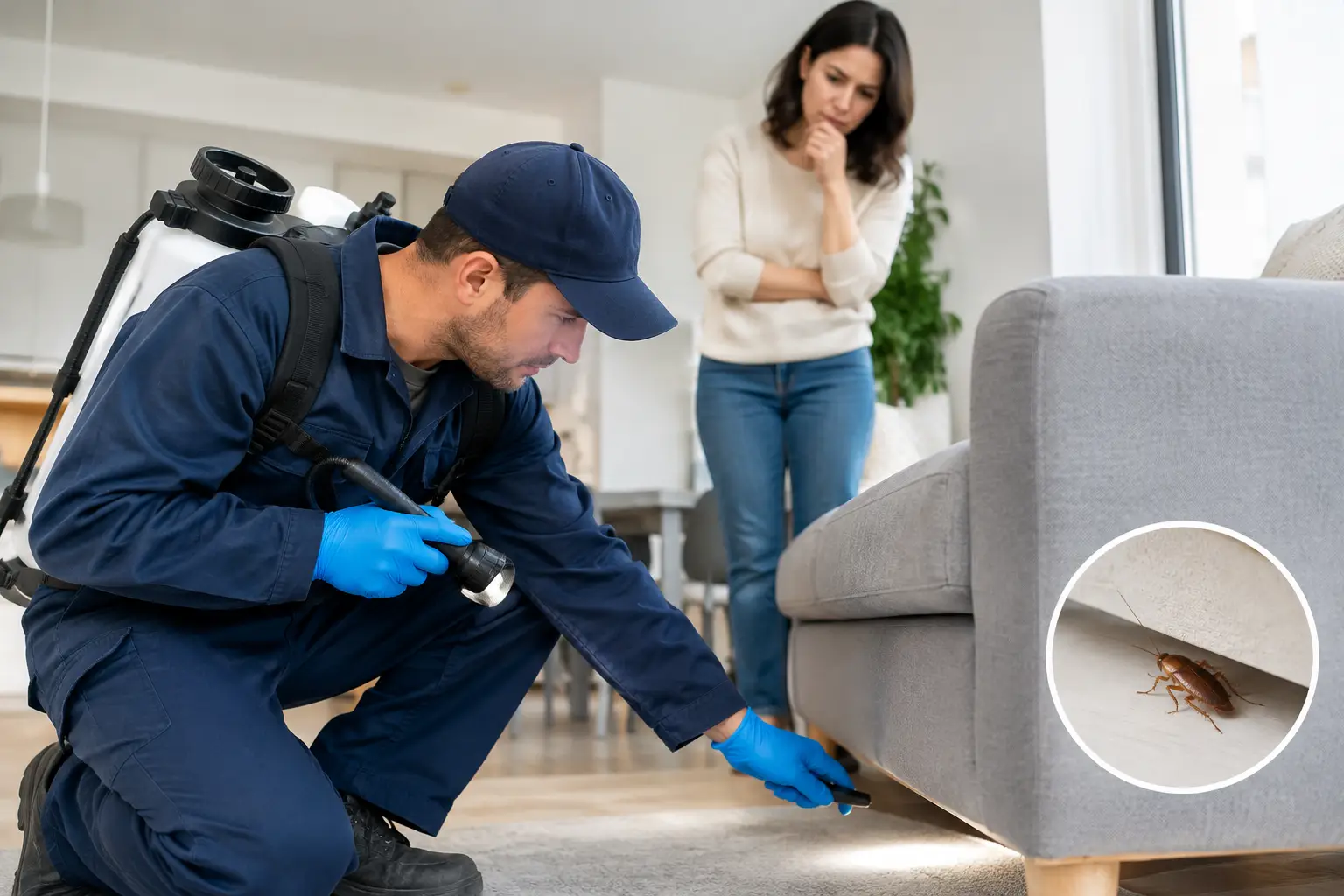
Who handles tenant pests? Learn when a Utah landlord, tenant, or property manager is responsible and how fast action prevents a larger infestation problem.
Follow this pest treatment timeline guide to know what happens before, during, and after service, and when your Utah home or business should improve fully.