
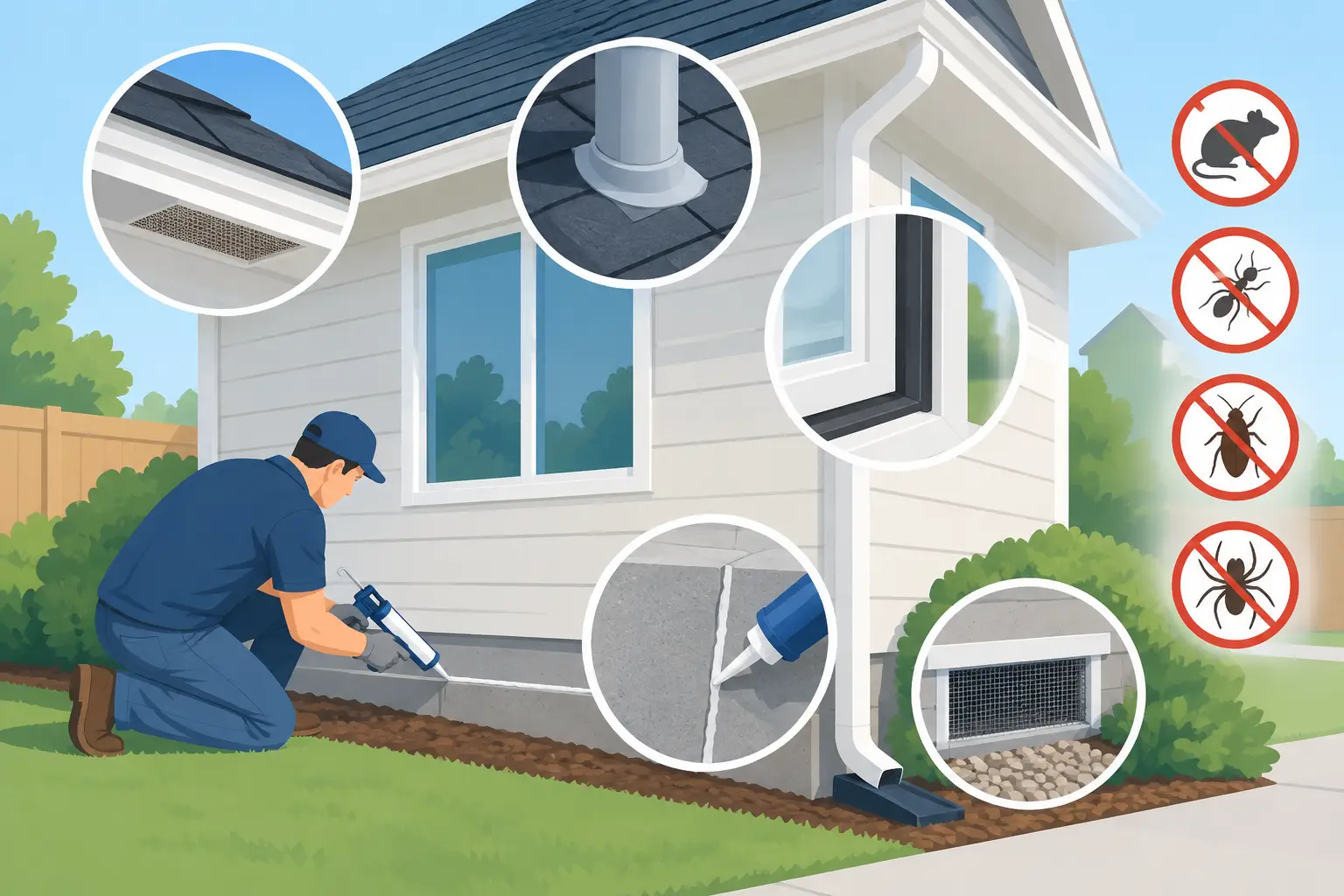
A mouse can fit through an opening about the size of a dime, and many insects need far less room than that. To seal pest entryways effectively, look beyond obvious holes in siding or foundation walls. The small gaps around pipes, doors, vents, utility lines, and garage openings are often the routes pests use first.
For Utah homeowners and property managers, exclusion is one of the most practical forms of pest prevention. It helps reduce opportunities for spiders, ants, mice, wasps, cockroaches, and other unwanted pests to move indoors. A well-sealed building also supports ongoing pest treatments by limiting the paths pests can use to return.
Start Outside When You Seal Pest Entryways
Pests usually enter from the exterior, so begin your inspection by walking slowly around the entire structure. Bring a flashlight, even during daylight, to inspect shaded areas beneath decks, around foundations, and behind landscaping.
Pay close attention to places where two materials meet. Siding and foundation, brick and trim, roofline and fascia, and concrete and utility lines can all develop gaps over time. Utah’s temperature swings, wind, dry conditions, and seasonal freeze-thaw cycles can cause caulk to crack and building materials to shift.
Look for these common signs of an entry point: daylight visible around a door or window, loose weatherstripping, torn screens, gaps around plumbing or electrical penetrations, damaged vent covers, or chewed material near the foundation. Small piles of debris, droppings, grease marks, and insect activity near a crack can also tell you an opening is being used.
Check the places pests use most
Garage doors deserve special attention. A worn bottom seal can leave a long opening that allows spiders, crickets, rodents, and other pests into the garage. Once inside, they may reach storage areas, wall voids, or the living space through gaps around the connecting door and utility lines.
Doors leading outside should close tightly against their frames. Replace flattened or brittle weatherstripping, and add a door sweep where light is visible below the door. Make sure the sweep contacts the threshold without dragging so heavily that it prevents the door from closing properly.
Utility penetrations are another frequent problem. Air-conditioning lines, cable wires, plumbing pipes, dryer vents, and electrical conduits often leave irregular openings in exterior walls. These spots may be hidden behind shrubs or equipment, which makes them easy to overlook during routine maintenance.
Choose Materials That Match the Opening
Not every gap should be sealed with the same material. The right choice depends on the size of the opening, the surface around it, whether it moves with temperature changes, and the type of pest you are trying to exclude.
For narrow cracks around trim, siding, and stationary exterior joints, a high-quality exterior-grade sealant is often appropriate. Clean out loose dirt and failing caulk first, then apply a continuous bead that fully bridges the gap. Caulk adheres better to clean, dry surfaces, so plan the work for suitable weather when possible.
For larger holes, especially around pipes and foundation penetrations, use a durable backing material before sealing. Copper mesh or other pest-resistant material can help fill irregular voids, followed by an exterior-rated sealant or patching material. Avoid relying on expanding foam alone in locations that rodents can reach. Foam can be useful as part of a repair, but mice and rats may chew through it.
Damaged screens need more than a quick patch if the frame is bent or the mesh has several weak points. Repair or replace window, attic, and crawlspace screens with properly fitted mesh. Vent covers should allow air to move as intended while keeping pests out.
Be careful with openings designed for drainage or ventilation. Do not seal weep holes in brick, required attic vents, dryer vents, or other building features that manage moisture and airflow. Blocking them can create a moisture problem that costs far more than a pest issue. Instead, use a pest-appropriate cover or screen that preserves the opening’s intended function.
Don’t Forget the Roofline and Foundation
Pest entryways are not limited to ground level. Wasps, spiders, birds, squirrels, and rodents can use damaged soffits, roof gaps, attic vents, and openings near chimney flashing. From the ground, inspect the roofline for loose fascia boards, missing screens, or visible gaps. If the area is unsafe to reach, leave repairs to a qualified professional.
At the foundation, remove leaves, mulch, stacked wood, and stored items that sit directly against the home. These materials do not create a hole by themselves, but they can hide cracks and give pests a sheltered route to the structure. Keep vegetation trimmed back enough to make inspections possible and reduce branches that touch the roof or siding.
For multi-family properties, inspections need to go beyond a single unit. Shared utility chases, laundry rooms, trash areas, storage rooms, common walls, and exterior corridors can allow pests to travel between apartments. A gap repaired in one unit may not solve the larger problem if pests still have access through a neighboring void or common area.
Exclusion Works Best With Pest Prevention
Sealing openings is highly effective, but it is not always a complete answer. If pests are already established inside a wall, attic, crawlspace, kitchen, or storage area, closing an entry point without addressing the active population can trap pests indoors or push them into another part of the building.
For example, a homeowner may seal a gap around a pipe after seeing cockroaches in a bathroom. That repair is worthwhile, but cockroaches may still be living near plumbing, appliances, or wall voids. Ants may have more than one route to food and water. Rodents may have several entry points, including roofline gaps that are not visible from the ground.
The most dependable approach combines exclusion with sanitation, moisture control, and targeted treatment when needed. Store food in sealed containers, clean spills promptly, repair leaks, and reduce clutter in garages, basements, and storage areas. Outside, keep garbage containers closed and avoid leaving pet food accessible overnight.
This approach also helps clarify the source of continued activity. If a technician treats an active pest problem and the property remains open around doors, pipes, or vents, new pests can continue to enter. If the building is sealed but activity persists, the focus can shift to locating nests, harborage areas, or conditions supporting an infestation.
When to Call a Pest Professional
Some sealing projects are straightforward, especially replacing door sweeps or caulking small trim gaps. Others call for a more careful inspection. Consider professional help when you see recurring rodent activity, hear noises in walls or ceilings, find evidence of cockroaches, notice wasps entering a wall or roof area, or manage a property with multiple affected units.
A pest professional can identify likely entry points while considering the pest involved, the building layout, and the conditions around the property. That matters because the correct repair for ants may not be the correct repair for mice, and a solution that works for a single-family home may not address pest movement through a multi-family building.
At Pest Xperts, a property-specific consultation can help determine where prevention work, active treatment, or custom exclusion support makes the most sense. The goal is not simply to close a visible crack. It is to protect the spaces where your family, tenants, employees, or customers should feel comfortable.
A careful exterior walk-through each spring and fall can catch small gaps before they become an open invitation. Address what you can safely repair, preserve necessary ventilation and drainage, and get help when pest activity suggests there is more happening behind the walls.
continue reading
Related Posts
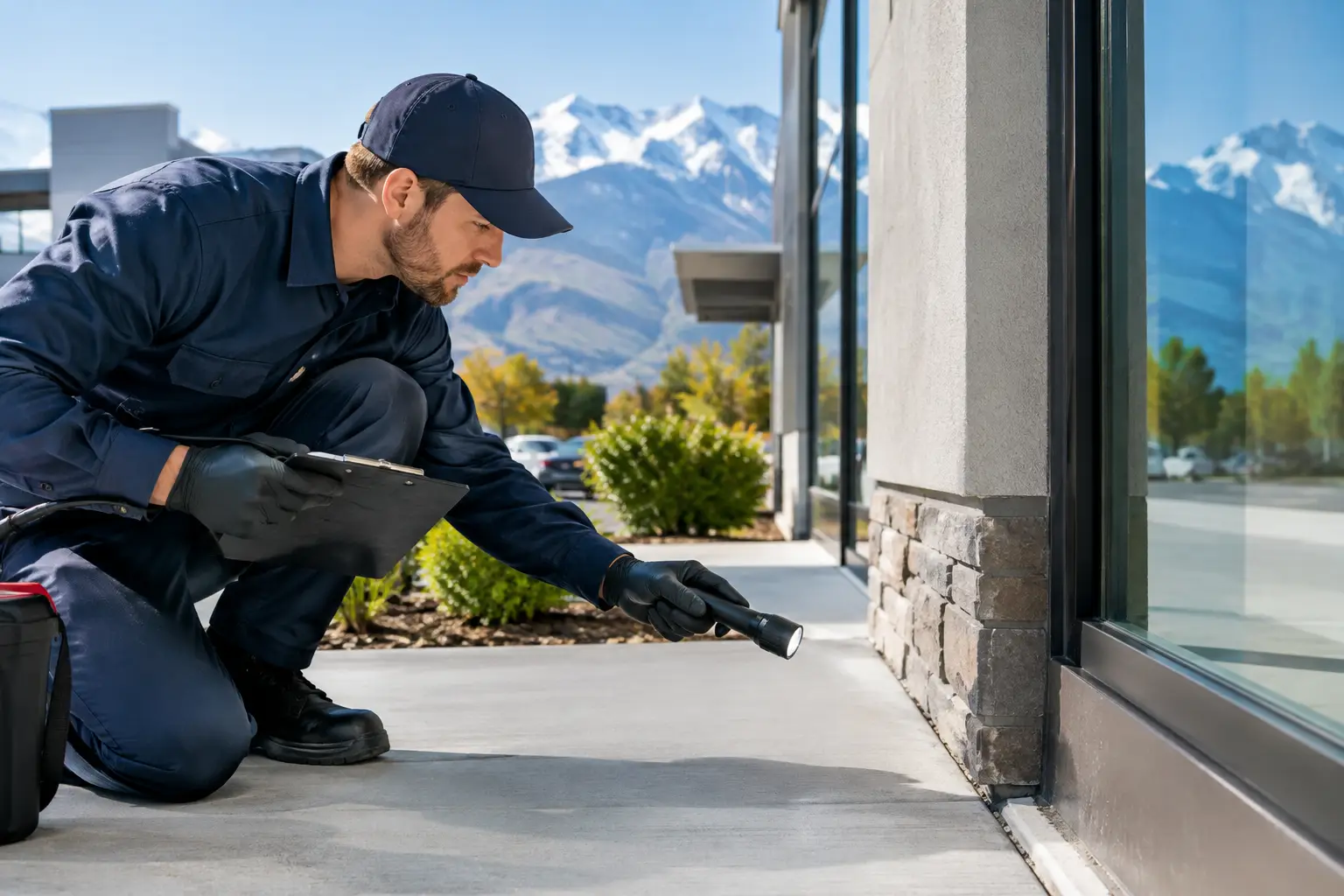
Use this commercial sanitation pest guide to reduce pest pressure, protect tenants and customers, and build a cleaner, safer Utah property year-round.
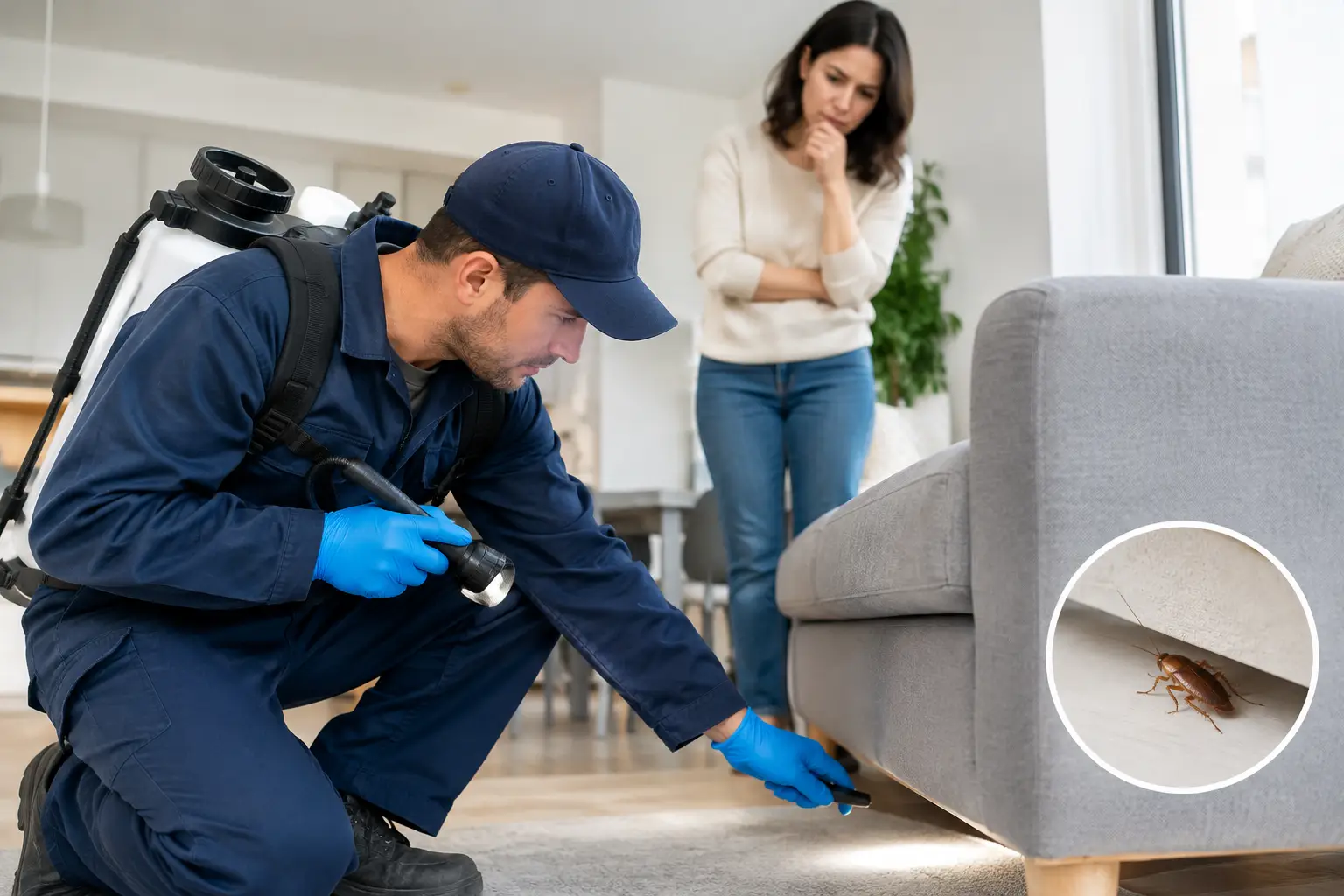
Who handles tenant pests? Learn when a Utah landlord, tenant, or property manager is responsible and how fast action prevents a larger infestation problem.
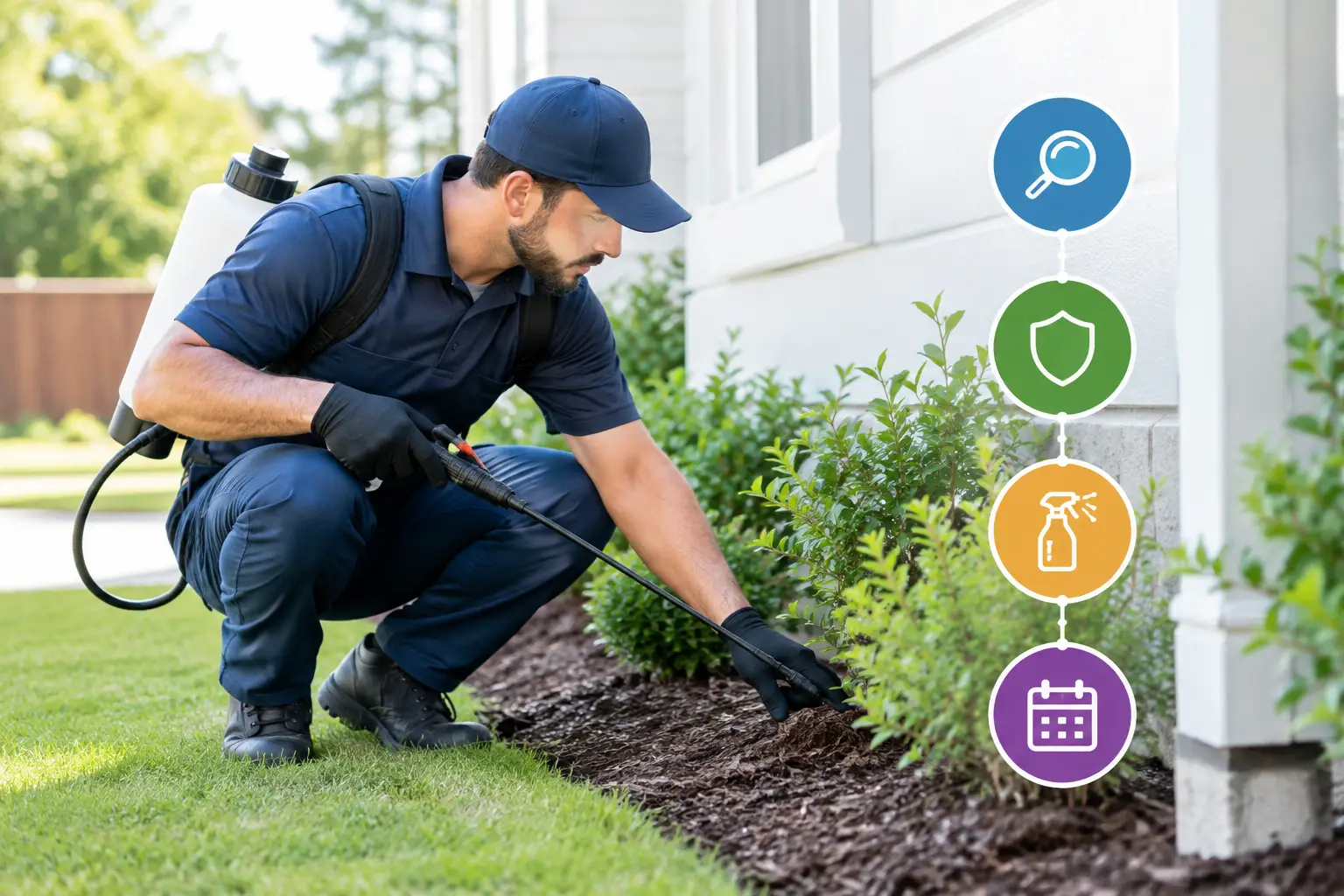
Follow this pest treatment timeline guide to know what happens before, during, and after service, and when your Utah home or business should improve fully.