
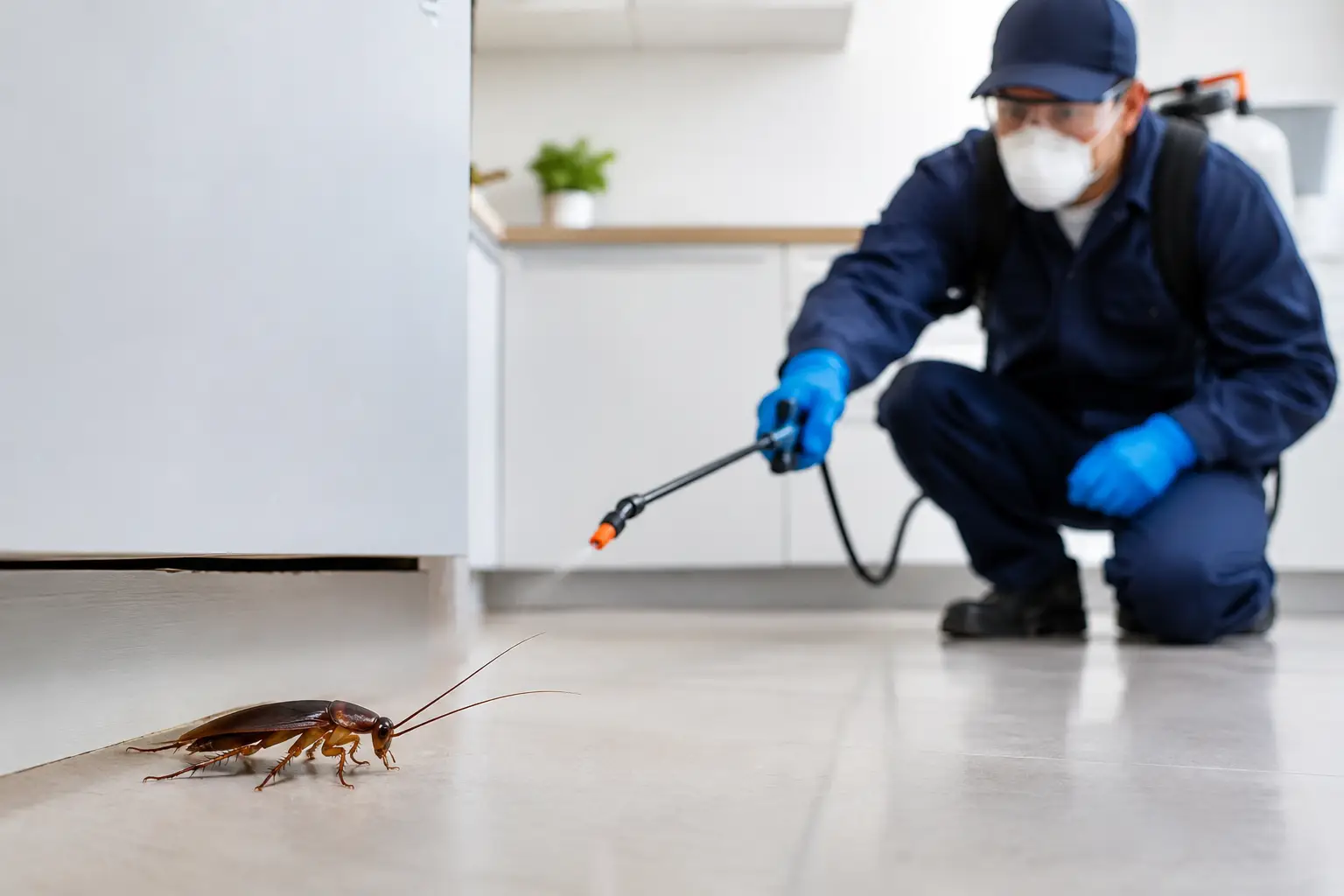
A cockroach spotted at night is rarely a one-roach problem. Roaches spend daylight hours tucked behind appliances, inside cabinet gaps, around plumbing, and in wall voids. The right cockroach treatment options address the hidden population, not just the insect that crossed the kitchen floor.
For Utah homeowners, landlords, and property managers, the fastest path to control is usually a plan that combines targeted treatment with practical changes around food, moisture, and entry points. The best approach depends on the species, the size of the infestation, and whether the activity is contained to one unit or moving through a multi-family property.
Start by Identifying the Scope of the Problem
Cockroaches are drawn to what every occupied building provides: warmth, water, food, and shelter. A few small, light-brown German cockroaches in a kitchen or bathroom can reproduce quickly and often signal an indoor infestation. Larger roaches may enter from drains, garages, crawlspaces, or exterior gaps, especially when conditions outside become hot, dry, or wet.
Look beyond the live insects. Small dark droppings that resemble pepper, shed skins, egg cases, and a musty odor can all point to established activity. Check under sinks, behind refrigerators and stoves, near dishwashers, inside pantry corners, around floor drains, and behind bathroom vanities.
In apartments and other multi-family buildings, identifying the scope is especially important. Treating only the unit where roaches were reported may provide short-term relief, but shared plumbing penetrations, utility lines, hallways, neighboring units, trash areas, and laundry rooms can allow activity to continue. A property-wide inspection helps determine whether the issue is isolated or connected.
Cockroach Treatment Options for Active Infestations
Targeted gel baits
Gel baits are one of the most effective tools for many indoor cockroach infestations. Roaches feed on the bait and return to their harborages, where the treatment can affect other roaches in the population. Proper placement matters more than simply using a large amount. Small placements near cracks, hinges, plumbing openings, appliance voids, and other active areas are generally more effective than bait placed in open, exposed locations.
Baits need time to work, and they should not be paired carelessly with strong repellent sprays in the same areas. If a roach is driven away from the bait, it may never feed on it. This is one reason a professional treatment plan can outperform do-it-yourself products: the products and placement are selected to work together.
Insect growth regulators
Insect growth regulators, often called IGRs, interrupt normal roach development and reproduction. They do not usually deliver the immediate knockdown people expect from an aerosol spray, but they can be valuable for breaking the life cycle of an established infestation. IGRs are commonly used as part of a broader treatment plan rather than as a stand-alone answer.
This option is particularly useful when egg cases, young roaches, and repeated sightings suggest a breeding population. It takes patience, because control improves as immature roaches fail to develop or reproduce normally.
Crack-and-crevice treatments and dusts
Professional technicians may apply carefully selected products into cracks, voids, wall penetrations, and inaccessible spaces where roaches hide. In some locations, a light dust application can provide long-lasting control when it is placed correctly and kept dry.
These treatments are not intended for broad application across countertops, floors, or living areas. A safety-centered approach focuses treatment where roaches travel and harbor while limiting unnecessary exposure in the spaces where families, tenants, pets, and employees live or work.
Traps and monitoring devices
Sticky monitors do not eliminate a major infestation on their own, but they are useful for locating activity and tracking progress. Place them along walls, behind appliances, under sinks, and near suspected entry points. Because roaches commonly travel along edges, a monitor placed in the middle of a room is less likely to tell the full story.
For property managers, monitoring can help document which units or common areas need attention. It also provides a practical way to verify whether treatment is reducing activity between service visits.
Why Sprays Alone Often Fall Short
Store-bought sprays may kill roaches on contact, which can feel reassuring in the moment. The limitation is that contact sprays rarely reach the eggs and hidden roaches that make up most of the infestation. Repeated use can also scatter roaches deeper into walls, appliances, or neighboring units.
Foggers and bug bombs are another common frustration. They often fail to penetrate the tight crevices where roaches spend their time, and they can spread pesticide residue across surfaces where it is not needed. In apartments, they can also push activity into adjacent spaces without solving the source.
If you use any over-the-counter product, follow the label exactly and avoid mixing products. Never apply sprays directly to food-preparation surfaces, dishes, or electrical equipment. When there are children, pets, sensitive individuals, or a significant infestation, professional guidance is the safer choice.
Sanitation and Moisture Control Make Treatment Last
Cleanliness alone does not cause or prevent every roach infestation. Roaches can survive in very clean homes and businesses if they find moisture and a hidden route inside. Still, reducing food and water sources makes treatment more effective and lowers the odds of a return.
Focus on the conditions roaches rely on. Clean grease and crumbs from under appliances, avoid leaving pet food out overnight, store dry food in sealed containers, and take trash out regularly. Repair dripping faucets, clear standing water from sink areas, and dry wet sponges or dish rags before bed. Cardboard boxes and clutter near kitchens, utility rooms, and storage areas should be reduced because they create protected hiding places.
For restaurants, offices, retail spaces, and multi-family properties, the same principle applies at a larger scale. Dumpster areas, janitor closets, break rooms, floor drains, and plumbing leaks should be included in the inspection. Consistent housekeeping helps, but coordinated maintenance is what closes the conditions that keep roaches active.
Exclusion Helps Stop New Roaches From Entering
Treatment handles the population already inside. Exclusion helps prevent the next one.
Seal gaps around pipes under sinks, repair damaged door sweeps, screen vents where appropriate, and close openings around utility lines. Pay attention to garage doors, foundation gaps, exterior doors, and areas where plumbing enters the building. In multi-family housing, sealing openings around shared plumbing and utility penetrations can be one of the most valuable long-term steps.
Exclusion is not always a complete answer for German cockroaches, which are often introduced through boxes, used appliances, bags, or neighboring units. But it is an essential part of controlling larger outdoor roaches and reducing movement between spaces.
When Professional Cockroach Treatment Is the Right Choice
A single sighting may be manageable with monitoring and prompt sanitation. Professional service becomes the smarter option when you see roaches during the day, find droppings or egg cases, notice activity in multiple rooms, or continue seeing roaches after trying store-bought products. Daytime sightings can indicate that hiding areas are crowded enough to force roaches into the open.
Professional treatment is also strongly recommended for rental properties and commercial facilities. Roach issues can affect tenant comfort, inspections, reputation, and ongoing maintenance costs. A technician can inspect the property, identify likely harborages and entry points, choose products suited to the setting, and build follow-up visits into the plan when needed.
At Pest Xperts, cockroach service begins with the actual property conditions, including the building size, activity level, and whether nearby units or common areas may be involved. That site-specific approach is especially helpful for Utah homes and multi-family properties where a one-size-fits-all spray treatment is unlikely to hold.
What to Expect After Treatment
It is common to see some roach activity shortly after a targeted treatment. As products begin working, roaches may leave their harborages before the population drops. The timeline depends on the species, the size of the infestation, sanitation conditions, and whether roaches are entering from another unit or exterior source.
Follow any preparation instructions from your technician, especially around kitchen access, clutter removal, food storage, and pet areas. Do not apply additional sprays unless your technician recommends them. Extra products can interfere with baits and make it harder to measure treatment progress.
The goal is not simply fewer sightings this week. It is a home, rental community, or business where roaches have fewer places to hide, less access to food and water, and no easy path back inside. Address the first signs quickly, and a manageable issue is far less likely to become a larger one.
continue reading
Related Posts
Use this commercial sanitation pest guide to reduce pest pressure, protect tenants and customers, and build a cleaner, safer Utah property year-round.
Who handles tenant pests? Learn when a Utah landlord, tenant, or property manager is responsible and how fast action prevents a larger infestation problem.
Follow this pest treatment timeline guide to know what happens before, during, and after service, and when your Utah home or business should improve fully.