
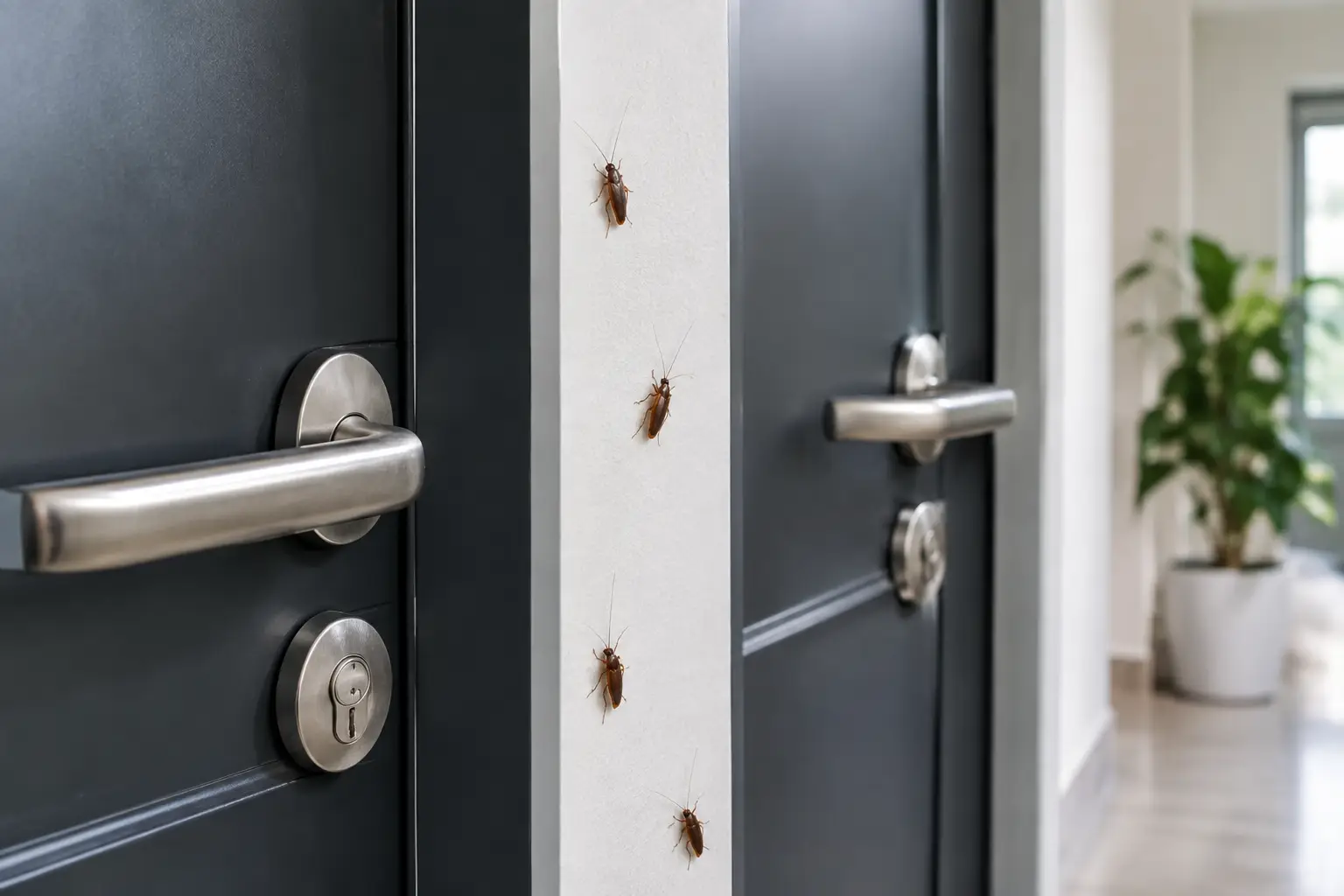
A cockroach in one apartment or a mouse in the utility room can feel like an isolated problem. In a multi-family building, it rarely stays that way. Do pests spread between units? Yes. Many common pests can travel through shared walls, plumbing gaps, hallways, vents, and other connected parts of a property. The sooner that movement is identified and addressed, the easier it is to protect tenants, prevent repeat activity, and avoid a building-wide infestation.
How pests move from one unit to another
Apartments, condos, townhomes, and other multi-family properties give pests more travel routes than a single-family home. A pest does not need an open front door to move between neighbors. Small openings around pipes under sinks, cracks at baseboards, gaps behind appliances, utility penetrations, and shared wall voids can all create access.
Some pests also move through common areas. Hallways, laundry rooms, trash rooms, storage areas, loading zones, and mechanical spaces can provide food, water, shelter, or a pathway to the next unit. Residents may unknowingly carry pests between spaces in boxes, bags, used furniture, clothing, or deliveries.
The exact risk depends on the pest, the building’s age and layout, sanitation conditions, maintenance needs, and how quickly activity is reported. A newer building can still have a pest issue if food sources and entry points are available. An older building may need more exclusion work, but age alone does not determine whether pests will spread.
Which pests are most likely to spread between units?
Cockroaches
Cockroaches are one of the most common multi-family pest concerns because they thrive where food, moisture, and tight hiding places are available. German cockroaches, in particular, can move through wall voids and plumbing areas, often concentrating around kitchens and bathrooms. They may also hitchhike in grocery bags, cardboard boxes, small appliances, or furniture.
Treating only the unit where roaches are first seen can sometimes reduce activity temporarily, but it may not solve the source. If nearby units, shared utility spaces, or a connected trash area have activity, roaches can return. Effective control often requires a coordinated plan that identifies where activity is happening and addresses the conditions supporting it.
Bed bugs
Bed bugs do not fly or jump, but they are skilled hitchhikers. They can travel on luggage, backpacks, clothing, furniture, and moving boxes. In attached housing, they may also move through gaps around pipes, electrical outlets, baseboards, and shared walls when an infestation grows or when their food source is no longer available.
Bed bug concerns deserve quick, discreet attention. Waiting to report suspected bites, spotting live bugs, or finding small dark marks near bedding can give the problem more time to spread. It is also wise to avoid moving furniture or belongings into common areas or another unit before a professional inspection, since that can expand the affected area.
Rodents
Mice can fit through openings about the size of a dime, making connected buildings especially vulnerable when gaps are present. They may enter through exterior openings, then travel along utility lines, behind cabinets, above ceilings, or within walls. A mouse seen in one unit may indicate an entry point or nesting area elsewhere in the building.
Rodent control is not just about placing traps. Lasting results require finding and sealing entry points, reducing food access, and monitoring for activity. In a multi-family setting, building-wide maintenance and communication are often just as important as treatment inside one apartment.
Ants and occasional invaders
Ants can move from outside into multiple units as they follow moisture and food sources. Carpenter ants may point to moisture-damaged wood, while pavement ants and odorous house ants can enter through tiny cracks around foundations, windows, and plumbing. Spiders, earwigs, and other occasional invaders may also appear in several units when exterior conditions drive them indoors.
These pests are not always a sign that one resident has done something wrong. Seasonal weather, landscaping, water leaks, and structural gaps can all contribute to activity.
Why treating one unit may not be enough
A single-unit treatment can be appropriate when activity is clearly limited and there are no signs of movement beyond that space. However, pest control in multi-family housing is rarely one-size-fits-all. Treating only the visible problem may leave nesting sites, travel routes, or pest pressure in nearby units untouched.
For property managers and landlords, the goal is to balance a fast response with a practical scope of work. That may mean inspecting adjacent units, checking units above and below, reviewing trash and maintenance areas, or focusing on a specific plumbing stack. The right approach depends on the pest and the evidence found during inspection.
Communication matters, too. Residents are more likely to report early signs when they understand that reporting helps protect the building and will be handled professionally. Clear guidance on preparation, access, and follow-up can make treatment more effective while reducing stress for tenants.
What tenants can do when they see pest activity
Tenants should report pest activity promptly, even if they have seen only one insect or one mouse. A photo, the location, the date, and the time of day can help identify the pest and reveal patterns. For example, roaches found under a kitchen sink call for a different inspection focus than ants appearing near a window.
Keep food in sealed containers, clean crumbs and spills promptly, avoid leaving pet food out overnight, and take trash out regularly. These steps do not replace professional service, but they remove resources that can help pests survive and spread.
It also helps to limit clutter, especially cardboard boxes, paper bags, and crowded storage areas that give pests places to hide. Before bringing in used furniture, mattresses, or appliances, inspect them carefully. If bed bugs are suspected, do not move items to another room, a neighbor’s unit, or a shared hallway.
Tenants should not rely on foggers or use pesticides beyond label directions. In attached housing, improper products can push pests deeper into walls, create safety concerns, or make professional treatment more difficult. Reporting the issue and following the property’s treatment instructions is the safer path.
What property owners and managers should prioritize
The most effective multi-family pest programs combine treatment, prevention, and building maintenance. That begins with a timely inspection and a plan matched to the property rather than a generic response.
Property teams should address leaks, standing water, damaged weatherstripping, loose door sweeps, cracks around utility lines, and openings around pipes. Kitchens, bathrooms, laundry areas, trash rooms, and mechanical rooms deserve regular attention because they often provide the moisture and food pests need.
When activity is confirmed, documentation helps. Tracking unit numbers, pest types, treatment dates, resident reports, and recurring locations makes it easier to spot connected issues. A cluster of reports along the same plumbing line, for instance, may call for a broader inspection than separate one-off treatments.
For larger properties, coordinated access is often the difference between short-term relief and dependable control. Pest Xperts can assess the building layout, pest pressure, and affected areas to build a treatment and prevention plan that fits the property.
When to call for professional help
Call for professional service when pests are seen repeatedly, when activity appears in more than one unit, or when residents report bites, droppings, nesting material, damaged food, or persistent odors. Immediate attention is especially worthwhile for cockroaches, bed bugs, and rodents, since these problems can grow quickly and affect comfort, health concerns, and tenant satisfaction.
A professional inspection can identify the pest, locate likely entry points, evaluate adjacent areas, and recommend the proper treatment scope. It may include targeted treatments, monitoring, exclusion work, sanitation recommendations, and follow-up visits. No two buildings have the same layout or pest pressure, so the plan should reflect what is actually happening on site.
Pests can move quietly through the connections that make multi-family living work. Prompt reporting, careful maintenance, and a coordinated response give residents and property teams the best chance to stop that movement before a small sighting becomes a larger problem.
continue reading
Related Posts
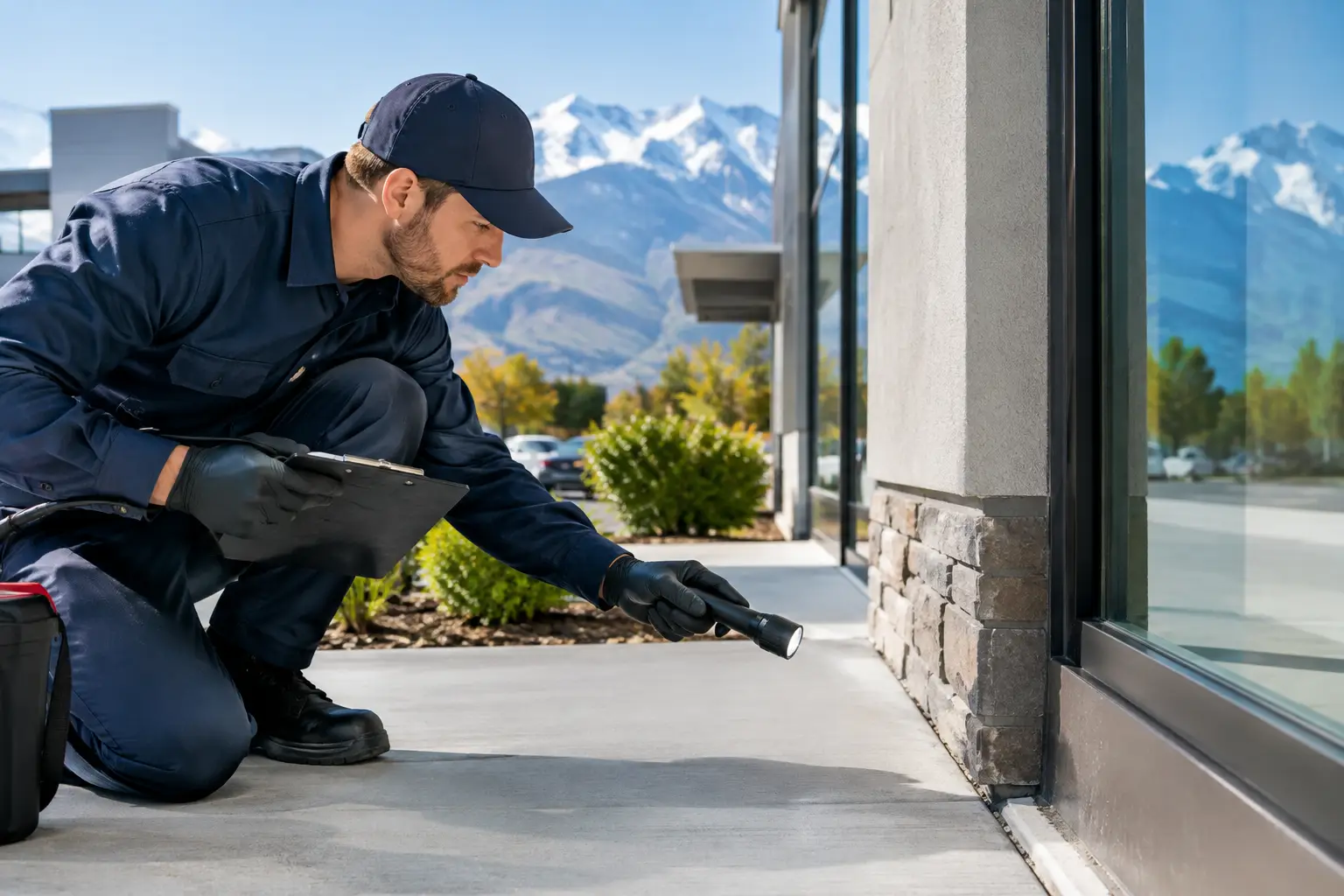
Use this commercial sanitation pest guide to reduce pest pressure, protect tenants and customers, and build a cleaner, safer Utah property year-round.
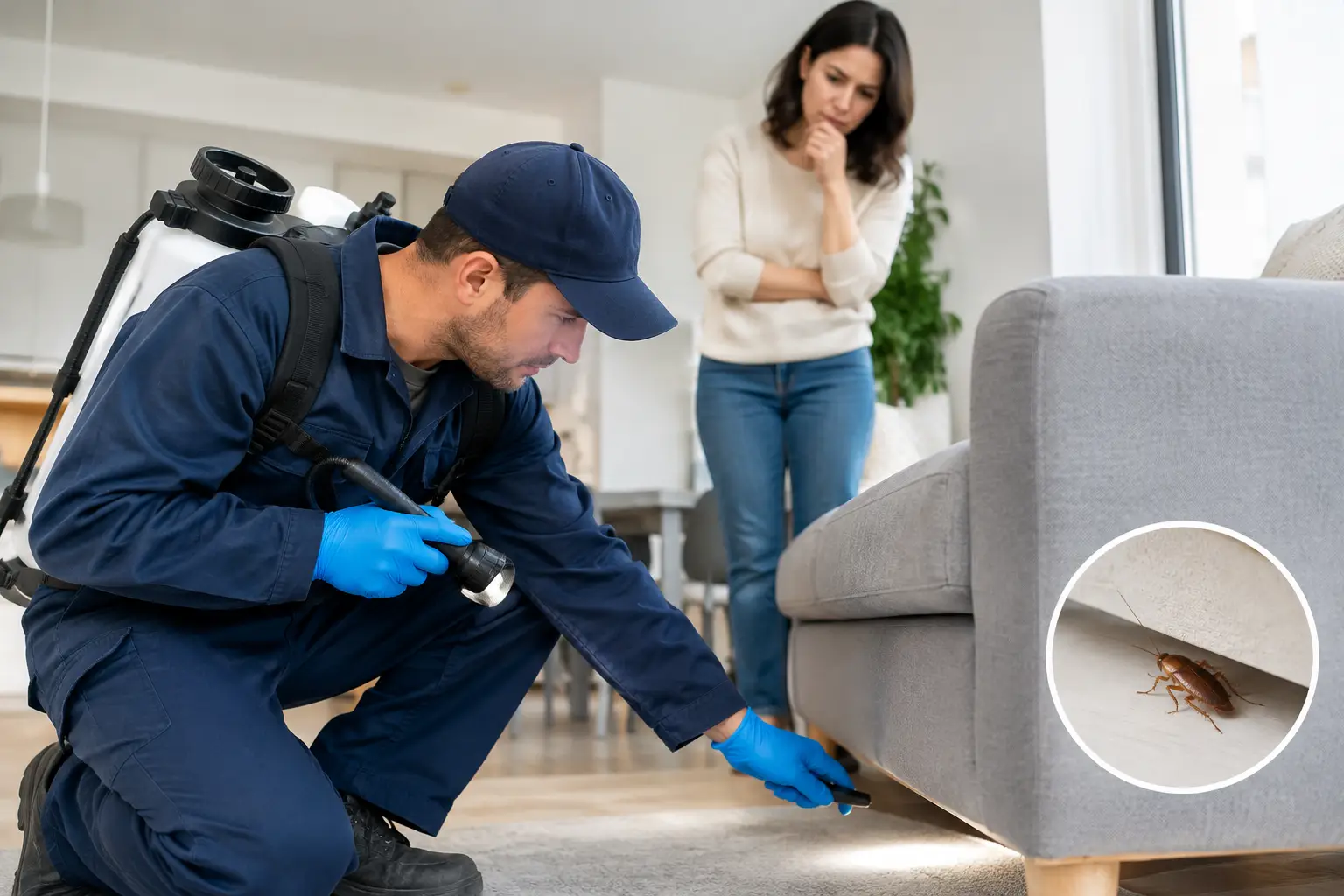
Who handles tenant pests? Learn when a Utah landlord, tenant, or property manager is responsible and how fast action prevents a larger infestation problem.
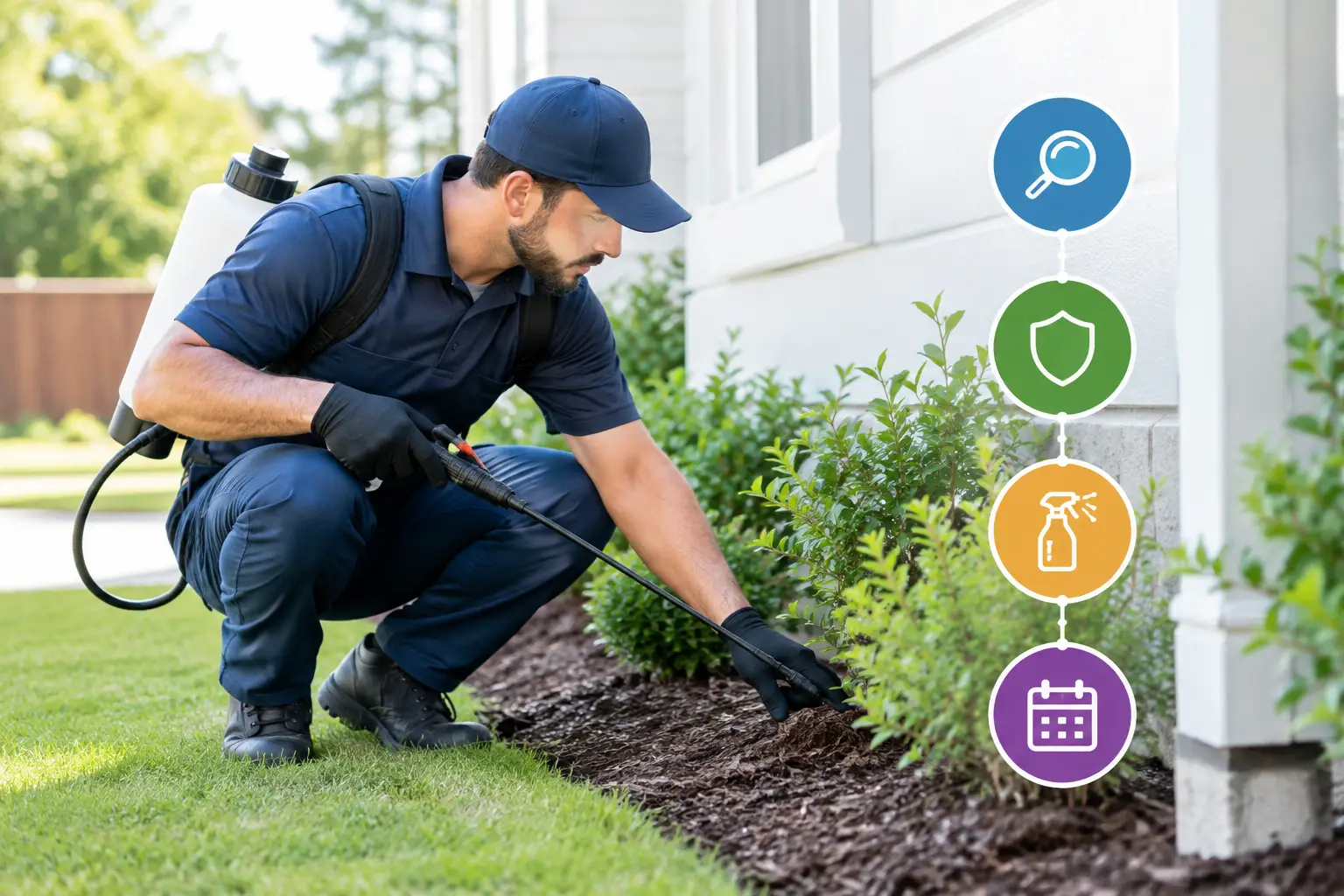
Follow this pest treatment timeline guide to know what happens before, during, and after service, and when your Utah home or business should improve fully.