
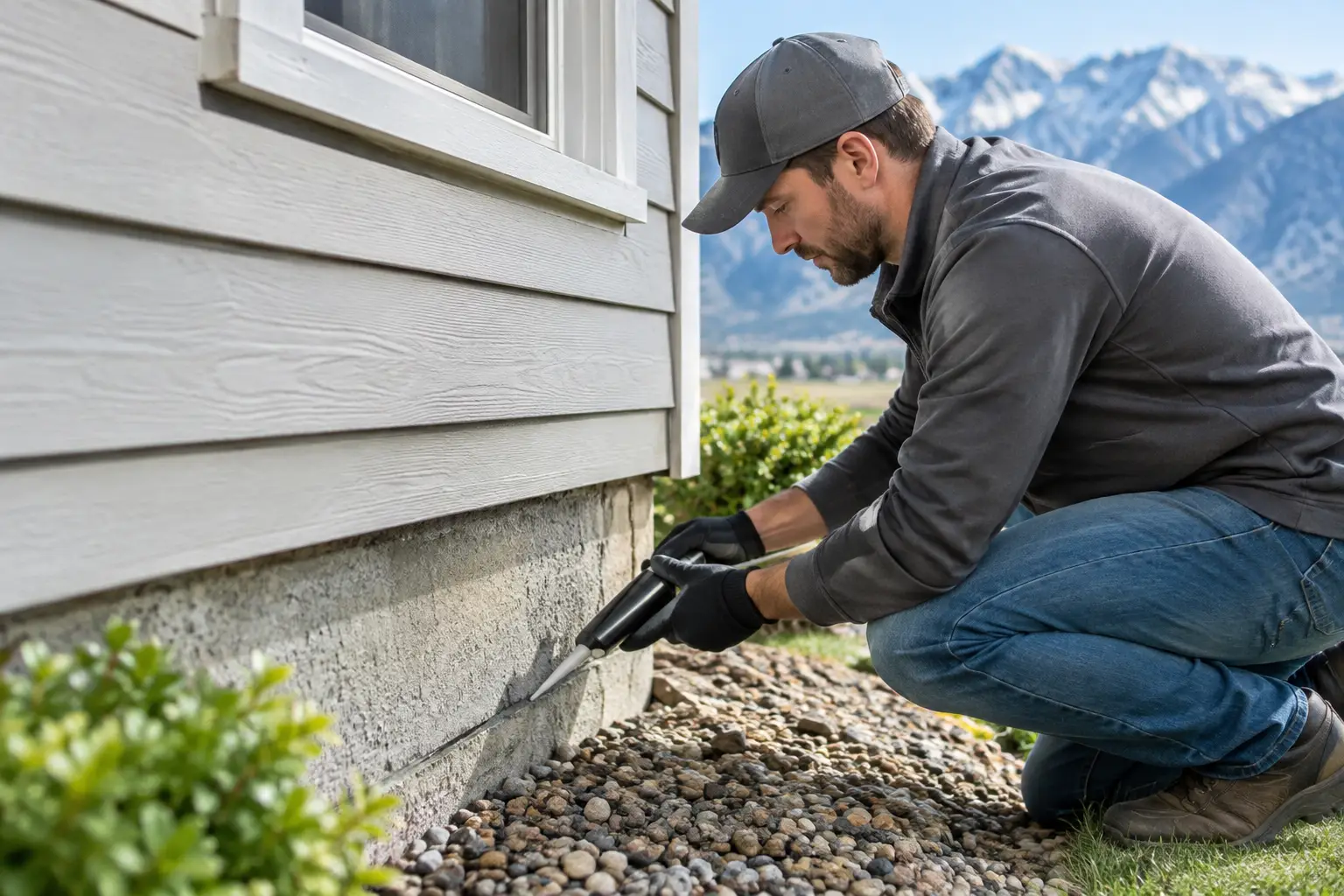
A mouse can fit through an opening about the width of a pencil. Ants can find gaps even smaller. That is why pest proofing is not just about reacting when you see a bug or hear scratching in the wall. It is about making your home harder to enter, harder to hide in, and less appealing to pests in the first place.
For Utah homeowners, prevention matters year-round. Hot, dry stretches can push pests toward water and shade indoors. Cooler weather sends rodents looking for warmth. And a small gap around a utility line, garage door, or foundation vent can become an open invitation before anyone realizes there is a problem.
What Pest Proofing Really Means
Pest proofing is the process of reducing the food, water, shelter, and entry points that pests need to survive around your property. It works best as part of a larger prevention plan, not as a one-time weekend project.
Sealing a visible crack is valuable, but it will not solve an ant issue if moisture is collecting under a sink or pet food is available overnight. Likewise, cleaning the kitchen helps, but it will not keep rodents out if weatherstripping is worn down at the garage door. Effective prevention looks at the whole property: the exterior, the structure, landscaping, storage areas, and daily habits inside.
The goal is not to make a home perfectly airtight. Homes need ventilation and drainage. The goal is to identify openings and conditions that give pests easy access, then address them with materials and methods that make sense for the building.
Start Outside, Where Most Pest Problems Begin
The exterior is your first line of defense. A quick walk around the home can reveal conditions that deserve attention, especially around the foundation, doors, windows, roofline, and utility connections.
Close the Gaps That Pests Use
Look carefully where pipes, cables, and HVAC lines enter the house. Openings around these areas are common access points for insects and rodents. Small gaps can often be sealed with an appropriate exterior-grade sealant, while larger openings may need metal mesh, hardware cloth, or a more durable repair. Foam alone is not always enough for rodents, which can chew through it.
Check door sweeps and weatherstripping as well. If daylight shows beneath an exterior door, pests can often get through. Garage doors are especially easy to overlook because their bottom seals wear down over time and leave uneven gaps along the concrete.
Screens should fit securely over windows, attic vents, crawlspace vents, and other ventilation openings. Repair torn window screens promptly, and make sure vent covers are designed to allow airflow without offering easy entry to birds, rodents, or larger insects.
Manage Moisture Near the Foundation
Water draws many pests closer to a structure. Leaking hose bibs, clogged gutters, poor downspout placement, and overwatered landscaping can create damp conditions that attract ants, spiders, earwigs, and other nuisance pests.
Keep gutters clear so water moves away from the roof and foundation. Downspouts should direct runoff away from the home rather than dumping it beside the wall. If sprinklers repeatedly soak the siding or foundation, adjust them. In Utah’s dry climate, a consistent moisture source can stand out to pests.
Keep Landscaping From Becoming a Bridge
Trees, shrubs, vines, and stacked materials can create sheltered pathways to your home. Trim branches away from the roof and siding, and avoid allowing dense vegetation to rest against the foundation. This helps reduce hiding spots and makes pest activity easier to spot during routine inspections.
Firewood, lumber, cardboard, and stored equipment should be kept off the ground and away from the house when possible. Woodpiles can harbor spiders, ants, and rodents. Moving them even a short distance from the structure can make a meaningful difference.
Make the Inside Less Attractive
Once pests enter, access to food and water determines whether they keep coming back. A clean home is not automatically pest-free, but simple indoor habits remove many of the rewards pests are looking for.
Store pantry items, pet food, and birdseed in sealed containers rather than leaving them in thin bags. Wipe counters after food preparation, clean crumbs from under appliances, and avoid leaving dirty dishes overnight when possible. Trash should have a secure lid, and recycling should be rinsed before it goes into an indoor bin.
Pay attention to less obvious food sources. A forgotten snack in a bedroom, grease buildup beside a range, or a sticky recycling container can support an insect problem. In multi-family housing, these conditions can also allow pests to move between units, making coordinated prevention especially important.
Moisture deserves the same attention indoors. Repair plumbing leaks, dry up standing water near sinks, and check beneath bathroom vanities for slow drips. Basements, laundry rooms, and utility areas should be kept as dry and uncluttered as practical. Cockroaches, ants, and silverfish are particularly likely to take advantage of persistent moisture.
Do Not Give Rodents a Quiet Place to Nest
Mice and rats are drawn to protected areas with nesting material, food, and warmth. Garages, attics, crawlspaces, storage rooms, and cluttered basements can provide all three.
Use plastic bins with tight-fitting lids instead of cardboard for long-term storage. Keep stored belongings raised off the floor when you can, leaving enough space to inspect behind and around them. Cardboard is convenient for a move, but it absorbs moisture, provides hiding places, and can be shredded into nesting material.
If you hear movement in walls or ceilings, notice droppings, find gnaw marks, or smell a persistent musky odor, do not assume the issue will disappear on its own. Rodents reproduce quickly, and trapping without identifying the entry point can turn into a frustrating cycle. A thorough inspection is often the fastest way to find out where activity is starting.
Know When DIY Pest Proofing Is Enough
Home maintenance can handle many prevention tasks: replacing a door sweep, trimming vegetation, storing food properly, and sealing a minor gap around a pipe. These are practical steps that support a pest-resistant home.
Professional help is worth considering when you see repeated activity, cannot locate an entry point, or suspect pests are using inaccessible areas such as wall voids, attics, crawlspaces, or shared building spaces. This is also true when the pest creates health, safety, or property concerns, including cockroaches, rodents, stinging insects, or wood-damaging pests.
There is a trade-off in waiting. A small pest issue may seem manageable, but recurring sightings can signal a larger population or a condition that keeps attracting new pests. Treating visible pests without correcting the cause may provide short-term relief while the underlying issue continues.
Pest Proofing for Rentals and Multi-Family Properties
Property managers and landlords face a different challenge: prevention needs to work across multiple units, common areas, trash locations, utility rooms, and exterior grounds. One unsealed utility penetration or overflowing dumpster area can affect far more than one resident.
A consistent property-wide approach is usually more effective than treating complaints unit by unit. Regular inspections, clear resident communication, timely maintenance repairs, and sanitation standards all help reduce pressure from pests. When treatment is needed, the plan should account for the building layout, occupied units, neighboring spaces, and the source of the activity.
For larger or more complex properties, a consultation-led approach helps identify priorities before work begins. Building size, lot conditions, pest history, and tenant traffic can all change what a practical prevention plan looks like.
Build Pest Prevention Into Your Routine
The most reliable pest protection comes from paying attention before a problem becomes urgent. Walk the exterior every season, especially after winter weather, heavy rain, or home repairs. Check seals, screens, gutters, landscaping, and stored materials. Inside, respond quickly to leaks, crumbs, and clutter in low-traffic areas.
If you are seeing pests repeatedly or want a trained set of eyes on the property, Pest Xperts can assess the conditions around your home or facility and recommend a plan based on the actual scope of the issue. A few targeted repairs and consistent prevention habits can make your space far less welcoming to the pests trying to get in.
continue reading
Related Posts

Use this commercial sanitation pest guide to reduce pest pressure, protect tenants and customers, and build a cleaner, safer Utah property year-round.
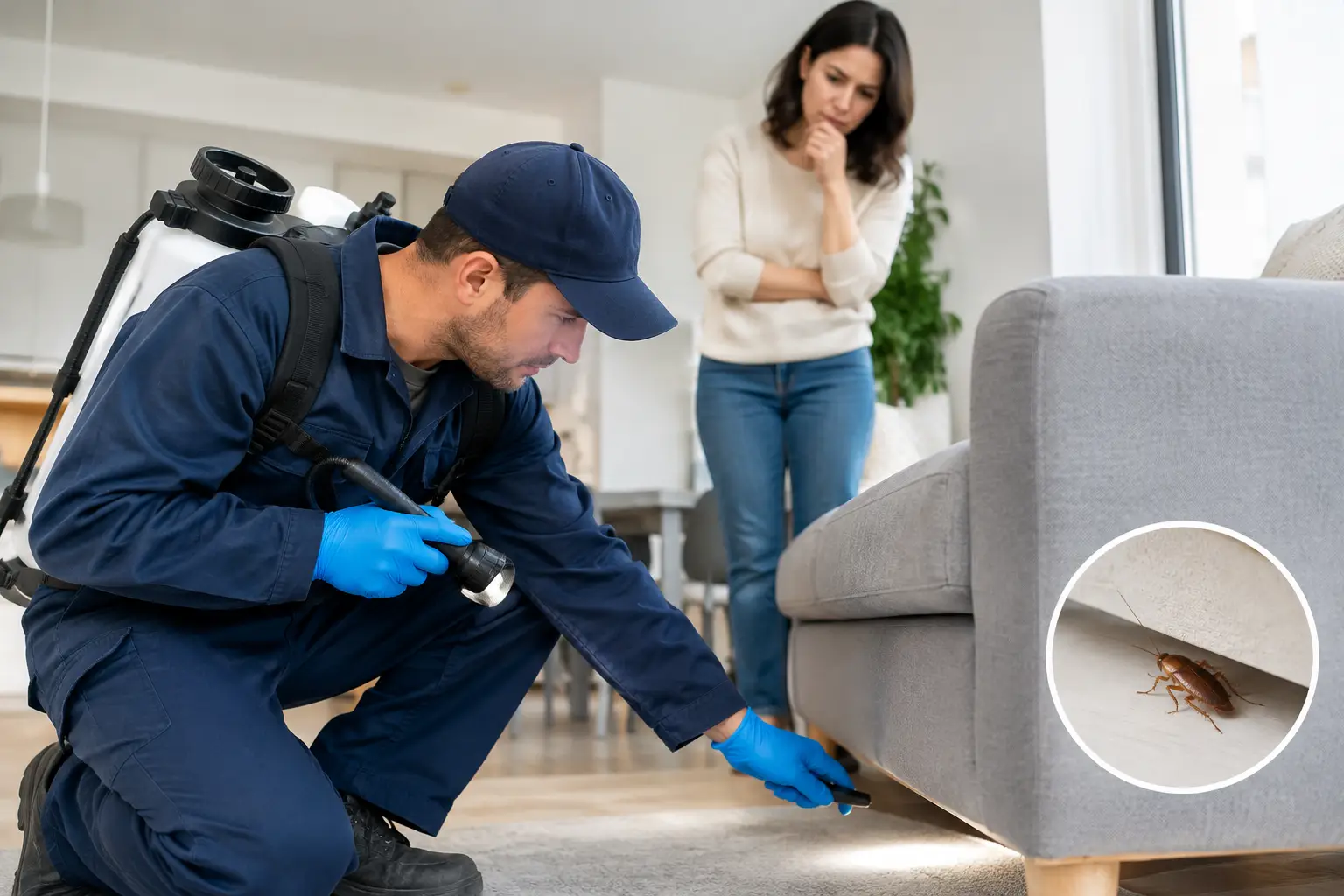
Who handles tenant pests? Learn when a Utah landlord, tenant, or property manager is responsible and how fast action prevents a larger infestation problem.
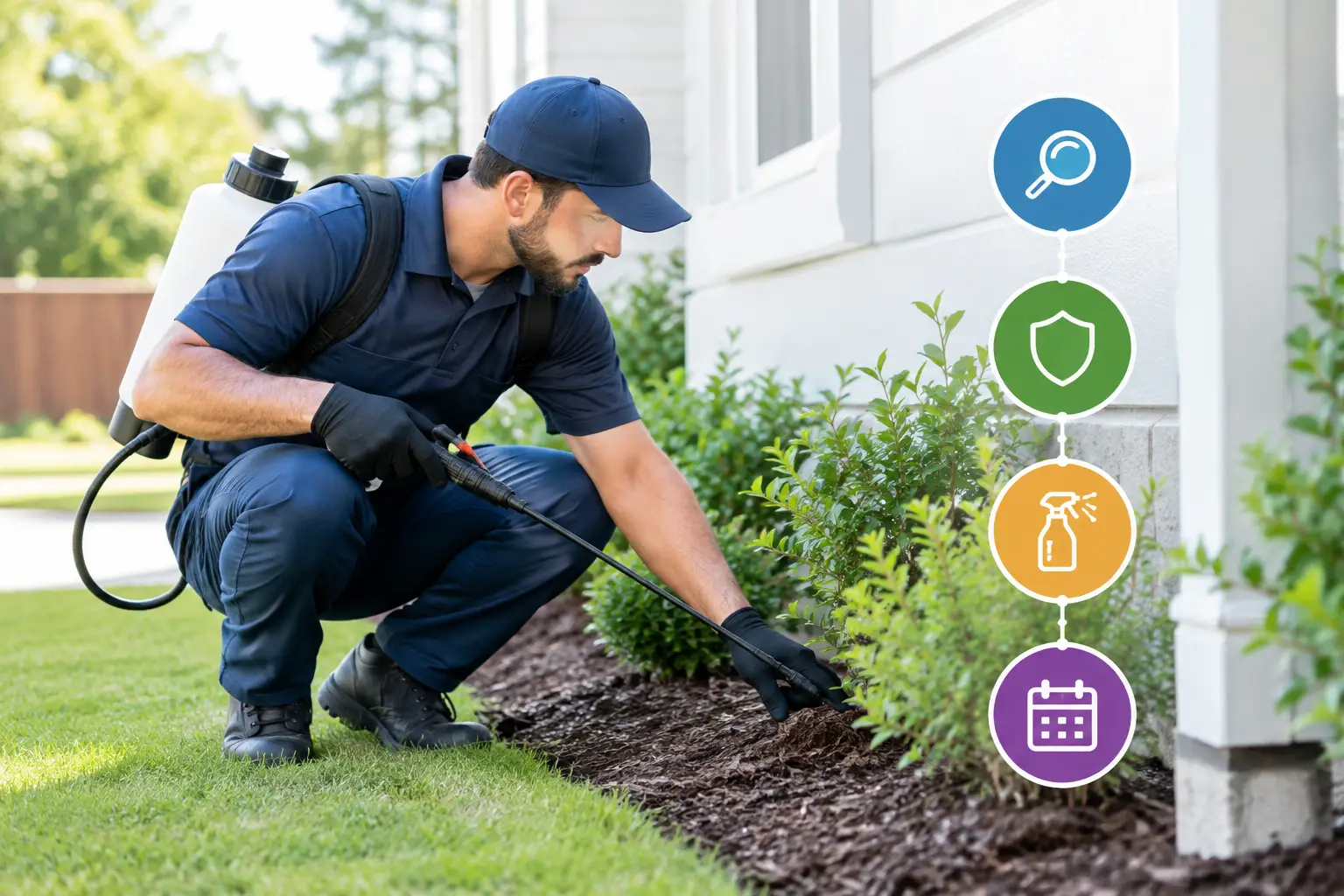
Follow this pest treatment timeline guide to know what happens before, during, and after service, and when your Utah home or business should improve fully.