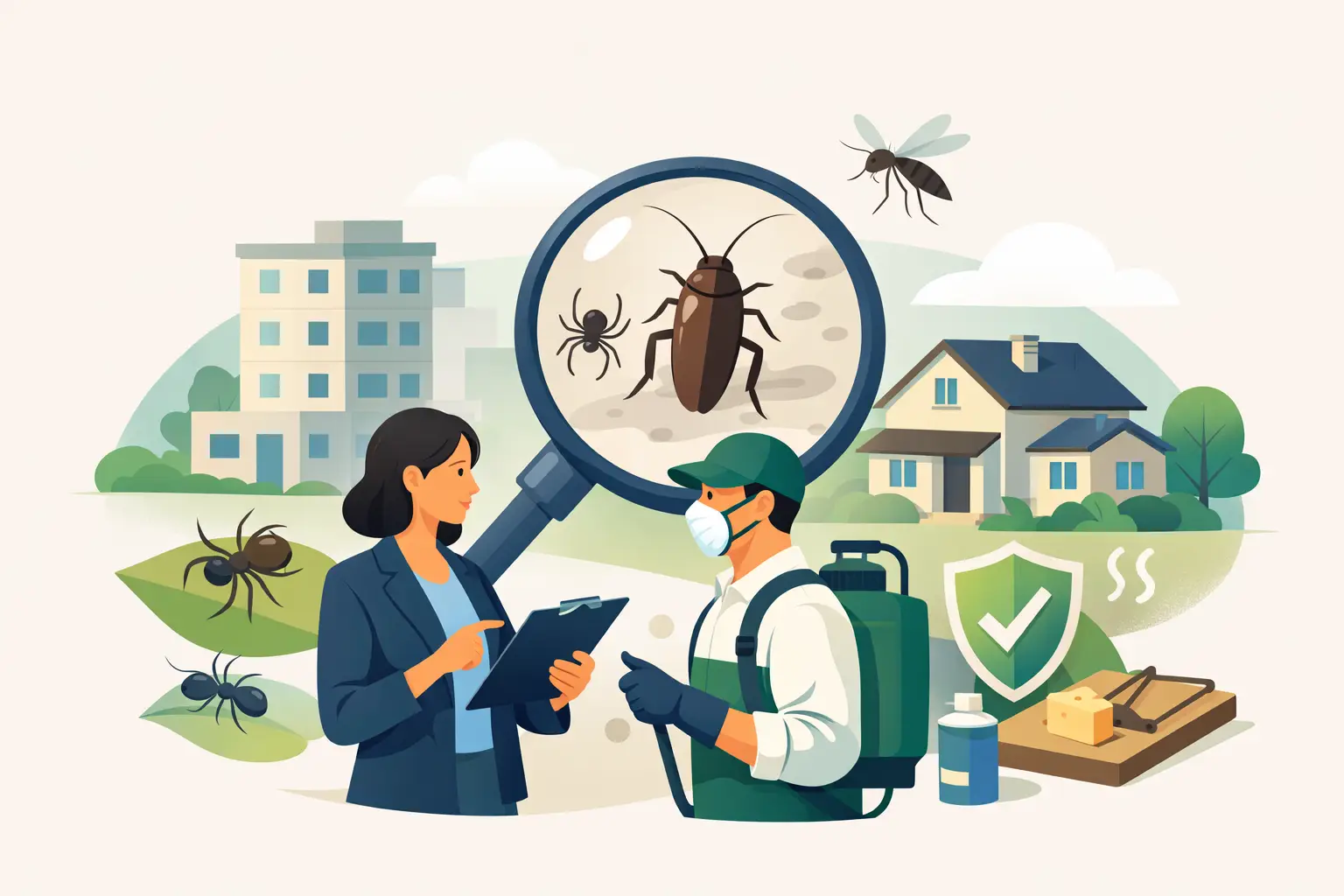
A single pest complaint can become a building-wide issue faster than most property managers expect. A cockroach sighting in one kitchen, ants near a shared entry, or rodents in a utility area can trigger tenant concerns, maintenance requests, online reviews, and costly turnover. Effective pest control for property managers is not simply about responding to an urgent call. It is about protecting residents, preserving the property, and finding small issues before they spread.
For apartments, condos, rental homes, and other multi-family properties, the right approach is consistent, property-specific, and easy to document. A treatment plan should account for the building layout, occupancy, seasonal pressures, current activity, and the conditions that allow pests to return.
Why Multi-Family Pest Issues Require a Different Approach
Pests do not recognize unit boundaries. In a multi-family building, they can travel through wall voids, plumbing lines, utility penetrations, shared hallways, laundry rooms, trash areas, and connected landscaping. Treating only the unit where activity was reported may provide temporary relief, but it may not address the source or nearby pathways.
Cockroaches are a clear example. One resident may see them first, while activity is developing in adjacent units or common areas. Bed bugs, rodents, ants, and occasional invaders can create similar challenges, though the treatment strategy depends on the pest involved. A good provider investigates the conditions behind the problem rather than applying the same service to every situation.
Property managers also have to balance several responsibilities at once. Tenants need a clean, safe place to live. Owners need predictable operating costs and protected assets. Maintenance teams need clear instructions, and leasing teams need confidence when responding to prospects or residents. Pest service should make that work easier, not add another layer of confusion.
Start With Prevention, Not a Crisis Call
Reactive treatments have a place when an infestation is active, but prevention is usually the more cost-effective foundation. Regular exterior service and inspections can reduce pest pressure before insects and rodents establish themselves indoors. This is especially valuable in Utah, where changing seasons can push pests toward warm, sheltered buildings.
Prevention begins with an honest assessment of the property. The size of the building and lot, the number of units, landscaping, dumpsters, pet areas, basements, utility rooms, and tenant turnover all affect risk. A small fourplex does not need the same scope as a large apartment community, and a one-size-fits-all proposal often leaves gaps.
A practical prevention plan may include exterior treatments around foundations and entry points, inspections of common areas, monitoring in high-risk locations, and recommendations for exclusion or sanitation improvements. The service schedule should reflect real conditions. A property with recurring ant activity near irrigated landscaping may need a different approach than a building dealing with rodent pressure around a trash enclosure.
Build a Clear Reporting Process for Residents and Staff
The first report is often the most valuable piece of information you receive. Encourage residents to report pest activity promptly and give them a simple way to do it. Ask for the unit number, the type of pest if known, where it was seen, when it was seen, and whether activity has occurred more than once. Photos can help, but they are not always necessary.
Avoid asking residents to diagnose the issue themselves. A small beetle can be mistaken for a cockroach, and a single mouse sighting may point to a different concern than repeated droppings in a pantry. Your pest professional can identify the pest and determine whether nearby units, common areas, or exterior conditions should also be inspected.
Internal communication matters just as much. Maintenance staff should know when to look for moisture leaks, damaged door sweeps, unsealed utility openings, overflowing trash, or gaps around pipes. Leasing and management staff should have a consistent message: the concern is being taken seriously, access instructions will be provided when needed, and treatment recommendations are designed to protect the resident and the property.
What a Property-Specific Service Plan Should Include
A dependable pest program is more than a technician arriving on a set date. It should establish what is covered, how active issues are handled, and who receives service documentation. For property managers, clarity prevents missed follow-up and makes it easier to demonstrate that concerns were addressed appropriately.
Inspection and identification
Service should begin with inspection, especially when there is a new or recurring concern. Technicians need to identify the pest, locate likely harborage areas or entry points, and determine whether the activity is isolated or connected to other parts of the property. Treatment without identification can waste time and money.
Targeted treatment and follow-up
The safest effective treatment is not always the broadest one. Depending on the issue, the plan may involve targeted products, baiting, trapping, crack-and-crevice treatment, exterior barriers, or exclusion work. Active cockroach issues often require follow-up service because eggs, hiding areas, and conditions inside a unit can affect results.
Residents should receive clear preparation instructions when their cooperation is needed. That may include clearing under sinks, reducing clutter, securing food, or providing access to specific areas. Instructions should be practical and respectful. People are more likely to follow them when they understand why they matter.
Documentation that supports management decisions
After service, property managers should know what was found, what was treated, what conditions contributed to the issue, and whether follow-up is recommended. This record helps with resident communication, maintenance scheduling, vendor coordination, and pattern tracking over time.
Documentation can also reveal larger property trends. Repeated reports near the same building wing may point to a plumbing issue or structural gap. Ongoing activity around dumpsters may indicate that enclosure maintenance or waste procedures need attention. Pest control works best when treatment and property maintenance support each other.
Focus on the Conditions That Invite Pests In
Even excellent treatment has limits when food, water, and shelter remain easily available. Property managers do not need to solve every contributing condition personally, but they do need a process for assigning and following up on repairs.
Moisture is one of the most common concerns. Leaking pipes, poorly drained areas, condensation around utility equipment, and wet landscaping near the foundation can attract or sustain pest activity. Food sources matter too, particularly in shared trash areas, break rooms, laundry rooms, and units with unsealed pantry items or pet food.
Entry points deserve attention as well. Gaps around pipes, damaged screens, loose weatherstripping, open vents, and poorly fitting doors can give pests an easy route indoors. Exclusion work may require maintenance or a specialized project scope, but identifying it early can reduce repeat treatments later.
Handle Turnovers and Vacant Units Proactively
Vacant units can be easy to overlook, but they are an important part of pest prevention. A vacant unit may have leftover food debris, plumbing issues, open access points, or pest activity that goes unnoticed until a new resident moves in. Including pest inspections in turnover procedures can prevent an uncomfortable first impression and a rushed service request after move-in.
Before a unit is leased, inspect kitchens, bathrooms, utility areas, closets, and window or door conditions. If there has been previous activity, schedule any needed treatment and allow proper follow-up before occupancy whenever possible. This is particularly helpful with cockroaches, where moving belongings and changing occupancy can shift activity from one area to another.
Choose a Partner That Understands Management Realities
The lowest service price is not always the lowest cost. A provider that cannot respond to urgent reports, communicate clearly with onsite staff, or adapt service for a growing issue can create more expense through resident dissatisfaction, repeated work orders, and preventable unit damage.
Look for a pest control partner that understands multi-family operations, offers consultation-based recommendations, and can scale service to the actual property. Ask how active infestations are handled, what follow-up looks like, how service reports are delivered, and whether recommendations include prevention and exclusion needs. Safety-focused practices and dependable communication should be part of the service, not an extra.
Pest Xperts works with Utah property managers to build treatment plans around the building, the pest pressure, and the people who live there. Whether the need is recurring prevention, an urgent cockroach concern, or a custom project, a clear scope makes it easier to protect your property and respond with confidence.
A well-managed property should not wait for pest complaints to become a pattern. Establish a reporting process, address contributing conditions, and use consistent professional service so residents can feel at home and your team can stay focused on the work ahead.
continue reading
Related Posts
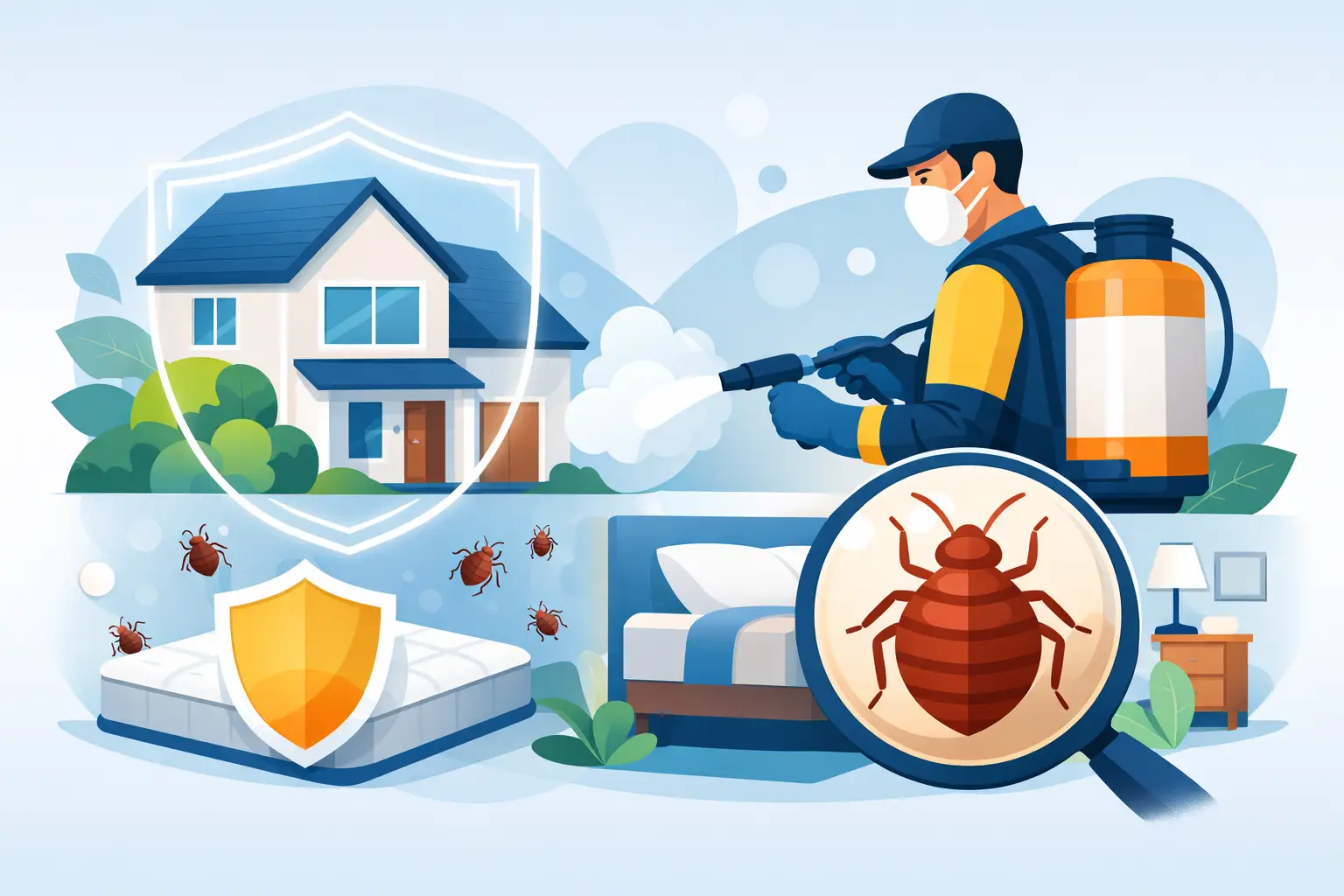
Bedbug treatment works best with inspection, targeted control, and follow-up visits. Learn what to do now to protect your Utah home or property today.
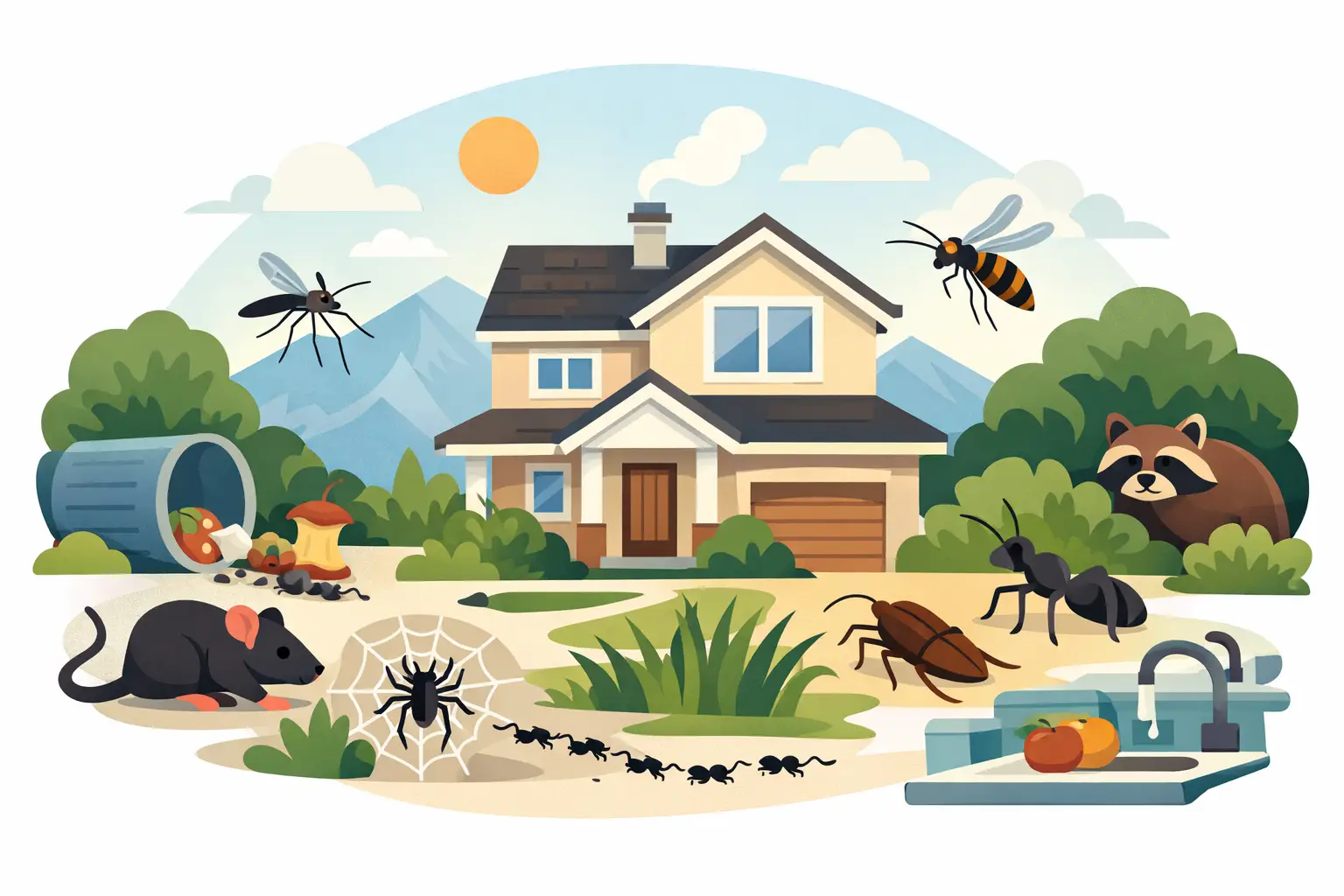
Learn which common pests in Utah homes cause trouble through every season, what attracts them, and when professional treatment is the safest next step.
-
Learn which common pests in Utah homes cause trouble through every season, what attracts them, and when professional treatment is the safest next step.