
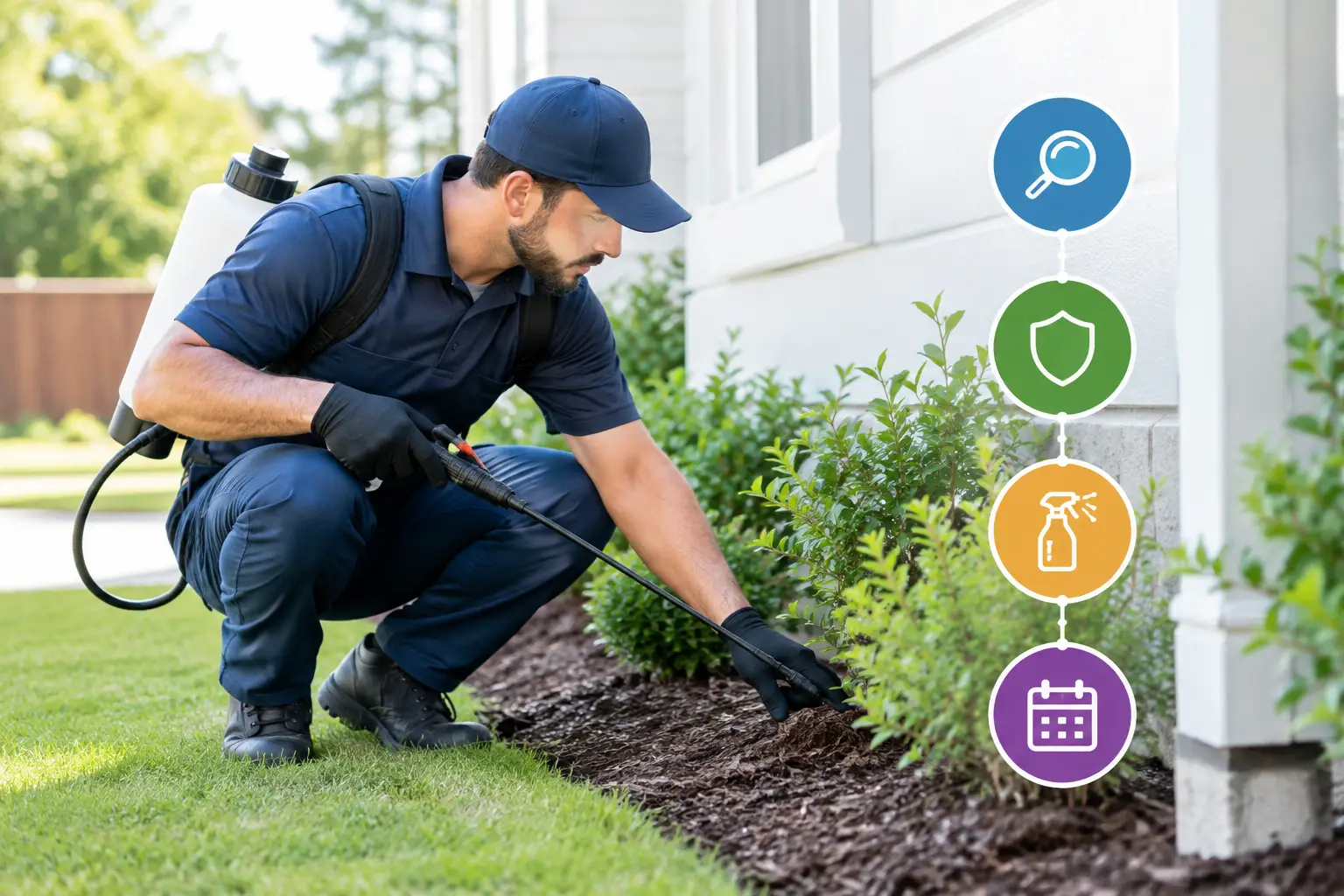
A pest problem rarely disappears the minute a technician leaves. Ants may still travel along established trails, cockroaches may emerge from hiding, and rodents may remain active while a treatment plan takes effect. This pest treatment timeline guide explains what to expect before, during, and after professional service so you can recognize normal activity, support better results, and know when to call for help.
The exact schedule depends on the pest, the severity of activity, the size and layout of the property, and the conditions that invited pests inside in the first place. A single spider treatment and a multi-unit cockroach issue should not follow the same timeline. The right plan is built around what is happening at your home, rental property, or business.
Before Treatment: The First 24 to 72 Hours
The treatment process starts before products are applied. A good inspection identifies more than the pest itself. It looks for entry points, moisture, food sources, harborage areas, landscaping conditions, and structural details that can keep the problem going.
For homeowners, that may mean checking around the foundation, garage, utility lines, kitchen, bathrooms, and storage areas. For property managers and commercial customers, the evaluation may also include common areas, trash rooms, utility chases, vacant units, loading areas, and tenant-reported activity. In multi-family properties, the visible pest in one unit can be connected to conditions next door or elsewhere in the building.
Before service, you may receive simple preparation instructions. These can include clearing items from under sinks, picking up clutter near walls, covering or storing food, correcting leaks, mowing or trimming vegetation, or ensuring access to affected areas. Preparation is not busywork. It gives treatment access to the places pests actually use and helps reduce the conditions that support them.
If you have children, pets, fish tanks, or a sensitive area such as a food-preparation space, tell your technician before treatment begins. Professional pest control should be planned with safety in mind, including clear instructions about any temporary precautions needed for your property.
Treatment Day: What Professional Service Usually Includes
Treatment day is not always a single spray around the outside of a building. Depending on the pest and service plan, technicians may treat exterior foundations, entry points, cracks and crevices, wall voids, targeted indoor areas, nesting sites, or other specific locations identified during inspection.
For prevention service, the goal is to create a barrier and reduce the chance that seasonal pests establish themselves. For an active infestation, the goal is more targeted: interrupt feeding, nesting, breeding, and movement patterns while addressing the conditions that allow pests to stay.
You may see a change immediately, but immediate results are not the only sign that treatment is working. Some pests become more noticeable shortly after service because they are moving out of treated hiding areas. This is common with certain crawling insects, especially when they have been living behind appliances, inside wall gaps, or beneath stored items.
A technician should explain what was found, where treatment was focused, what you should do next, and whether follow-up service is recommended. For larger homes, commercial sites, and custom projects, service timing may be phased so the plan fits the property rather than forcing a one-size-fits-all approach.
The First Week After Treatment: Activity Can Be Normal
The first seven days are often the period customers watch most closely. It is also the time when expectations matter most.
For ants, you may still see activity for several days as workers continue traveling between food sources and the colony. Disturbing trails too aggressively or applying household products over professional treatment areas can make it harder to judge results. Wipe up food spills, keep counters clean, and follow the post-service instructions you received.
For cockroaches, seeing activity after treatment does not automatically mean treatment failed. Roaches often leave harborages after treatment, and eggs that were already present may hatch later. The important trend is whether activity begins declining over time. A heavy infestation usually requires more than one visit because cockroach control depends on reaching breeding sites, reducing food and water access, and breaking the life cycle.
For spiders and occasional invaders, you may notice fewer pests indoors right away, while exterior activity takes longer to settle. Weather can affect what you see. Utah heat, rain, cold snaps, and seasonal changes all influence pest movement. A sudden shift in activity does not always mean a treatment stopped working, but it is worth reporting if it continues.
For rodents, the timeline can be different. Baiting or trapping may reduce sightings quickly, but exclusion work is what helps prevent new rodents from replacing the ones removed. If gaps around pipes, vents, doors, or foundation areas remain open, rodent pressure can return.
Two to Four Weeks: Where Results Become Clearer
By the second through fourth week, the overall direction should be easier to see. In many cases, sightings become less frequent, droppings stop appearing in new locations, pest trails fade, and the property feels more normal.
This is also the point when follow-up service may be needed. That is not a sign of poor work. Some pests have life cycles, nesting patterns, or access conditions that make a second treatment the responsible approach. Cockroaches, bed bugs, fleas, rodents, and widespread ant problems often require a scheduled sequence rather than a single visit.
For multi-family communities, consistency is especially important. If one apartment is treated but nearby units still have food access, leaks, clutter, or untreated activity, pests can move through shared walls and utility spaces. Property-wide communication and coordinated access can make a major difference in how quickly the issue is resolved.
Keep notes during this period. Record the date, pest type, location, and approximate number seen. A few clear observations give your pest professional better information than a general report that pests are still around. Photos can also help identify whether you are seeing the same pest, a different pest, or an occasional outdoor intruder.
Your Pest Treatment Timeline Guide for Long-Term Prevention
The best treatment timeline does not end when the visible pests are gone. Ongoing prevention helps protect the property from the next seasonal pressure or unnoticed entry point.
For homes, recurring service is often designed around common Utah pests and the seasons when they are most active. A technician may adjust exterior treatments, inspect for new gaps, and address changes around the yard, foundation, garage, or interior trouble spots. This approach is especially useful for families who want protection before ants, spiders, wasps, or rodents become a larger issue.
For businesses and multi-family properties, prevention also supports tenant satisfaction, sanitation standards, maintenance planning, and reputation. A small concern in a trash room, break area, storage space, or vacant unit can become more expensive when it is allowed to spread. Routine monitoring gives property teams a chance to act early.
Your role matters between visits. Keep food sealed, remove trash regularly, repair leaks, reduce cardboard and clutter, and report activity when it starts rather than waiting for it to worsen. Outside, keep vegetation from pressing against the structure and watch for gaps around utility penetrations, damaged screens, and door sweeps that no longer seal properly.
When to Contact Your Pest Professional Sooner
Some activity after treatment is expected, but certain situations deserve a prompt call. Contact your provider if you see a sudden increase in pests after the initial treatment window, find new signs in previously unaffected rooms, notice rodents in living or food-service areas, or have stinging insects near places where people enter and gather.
You should also call if you cannot complete a required preparation step, a tenant reports a new issue, or weather or construction has changed the property conditions. A clear update allows the treatment plan to be adjusted before a manageable concern becomes a larger infestation.
Pest control works best as a partnership: careful treatment, realistic timing, and property habits that make your space less inviting to pests. If activity is disrupting your home, tenants, or business, a property-specific assessment can give you a clearer timeline and a practical next step.
continue reading
Related Posts
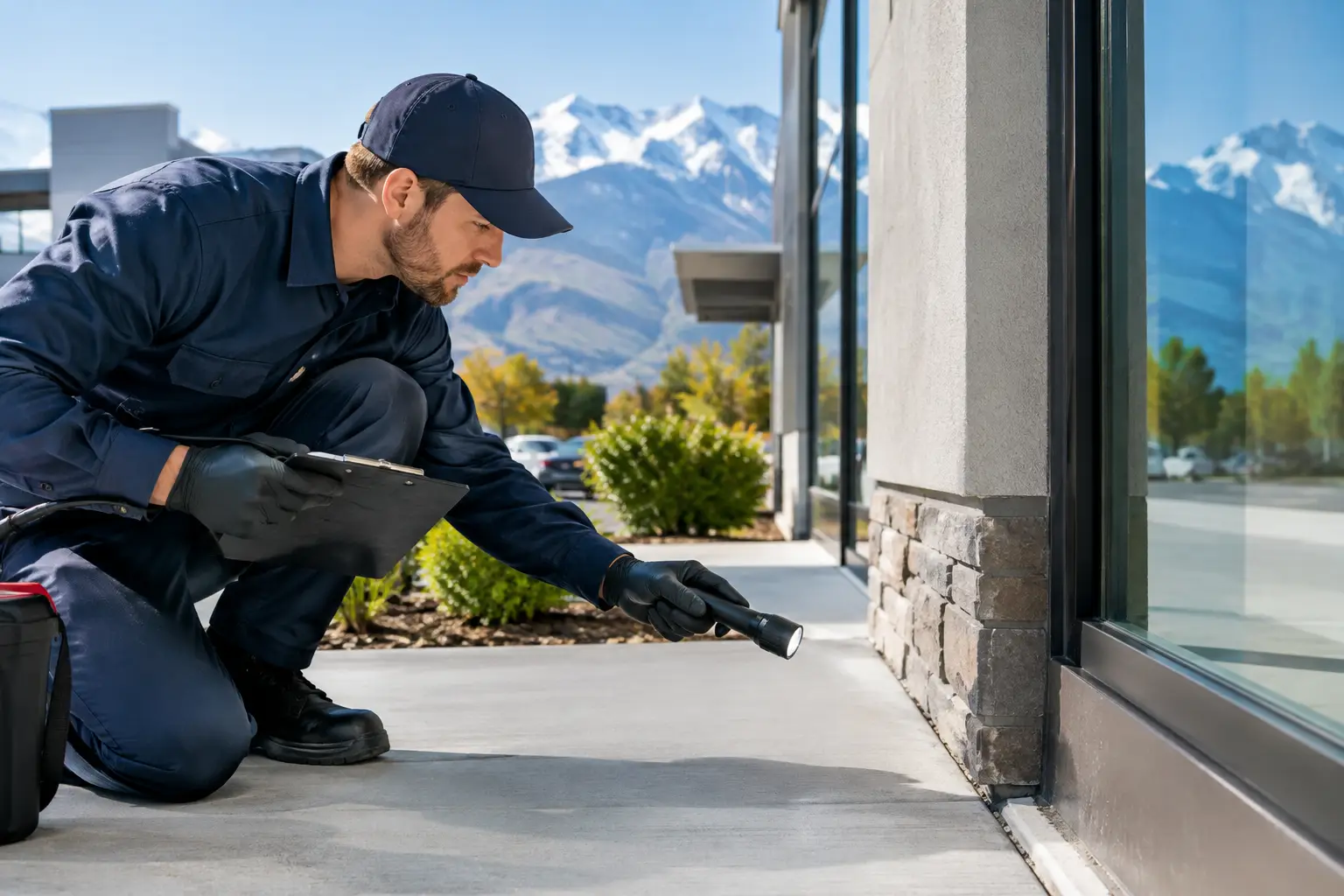
Use this commercial sanitation pest guide to reduce pest pressure, protect tenants and customers, and build a cleaner, safer Utah property year-round.
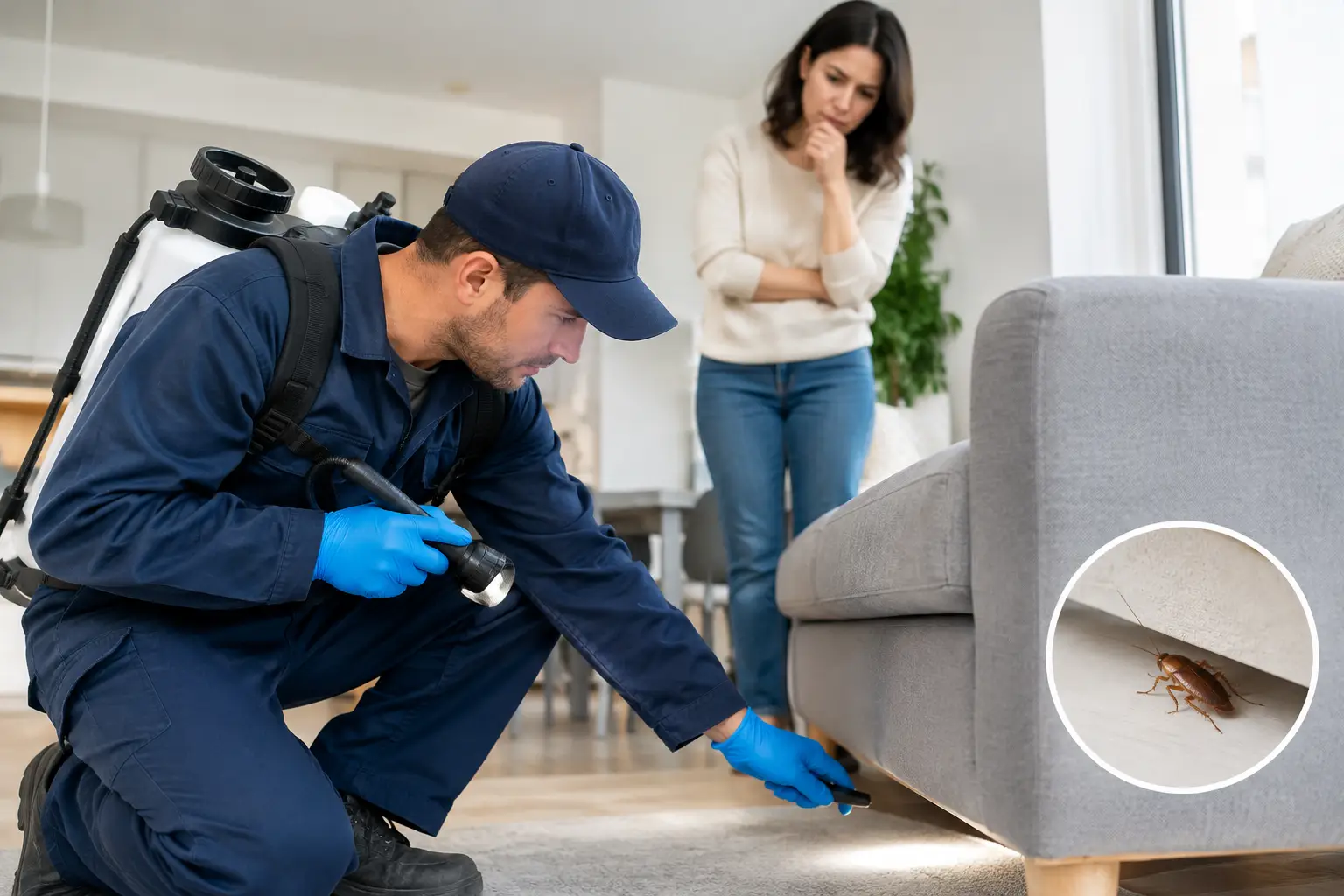
Who handles tenant pests? Learn when a Utah landlord, tenant, or property manager is responsible and how fast action prevents a larger infestation problem.

Use this property pest management guide to identify risks, prevent infestations, and build a plan for homes, rentals, and businesses across Utah today.