A single overflowing dumpster, a sticky break-room floor, or a row of unsealed tenant trash cans can give pests exactly what they need: food, water, and a place to hide. This commercial sanitation pest guide helps property managers and business owners reduce those opportunities before a small pest issue becomes a tenant complaint, failed inspection, or costly treatment project.
For commercial properties, sanitation is not about making a building look presentable. It is a working part of pest prevention. In multi-family communities, offices, restaurants, retail spaces, and warehouses, pests move toward the conditions that support them. A clean property with poor waste handling can still attract cockroaches or rodents. A well-managed trash area can still develop problems if exterior gaps and moisture are ignored. Effective prevention connects sanitation with maintenance and professional monitoring.
Why Sanitation Has Such a Big Impact on Pests
Pests do not need much to establish themselves. Cockroaches can survive on crumbs, grease residue, cardboard, pet food, and moisture beneath a sink. Rodents are drawn to accessible trash, bird seed, stored food, and cluttered storage areas. Flies breed where organic material and moisture build up, particularly near drains, dumpsters, mop sinks, and recycling containers.
Commercial properties create more opportunities because more people use the space. Tenants, employees, vendors, and customers all bring daily activity, food packaging, deliveries, and waste. In an apartment community, one unit with food debris or a plumbing leak can affect neighboring units through shared walls, utility lines, and common corridors. In a restaurant or retail setting, an overlooked receiving area can become a pest entry point long before activity is seen in public areas.
The goal is not perfection. It is to make the property less rewarding to pests and easier to inspect. When food, water, and shelter are limited, pest control treatments and monitoring efforts work more effectively.
Start With the Areas Pests Find First
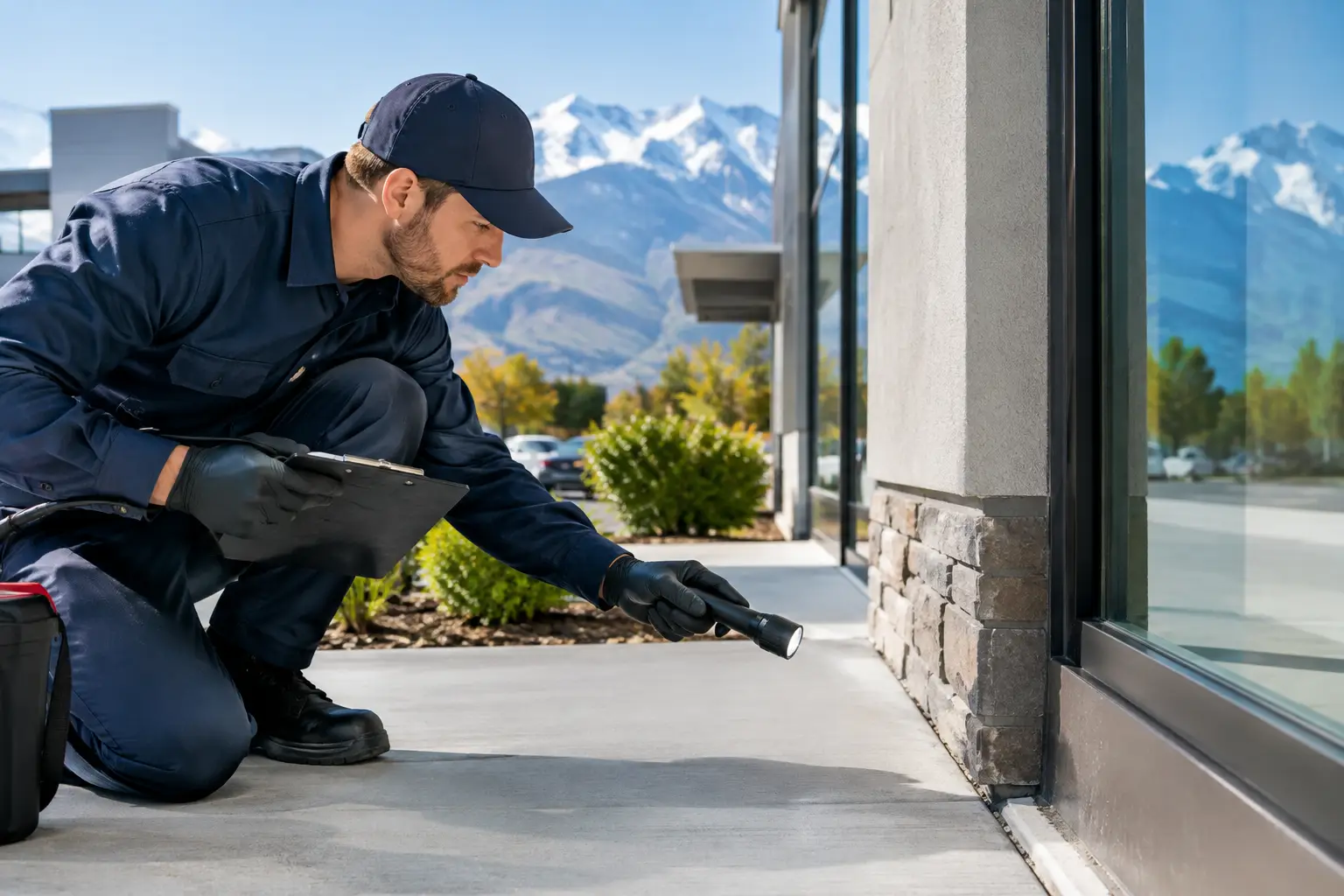
A useful inspection follows the path a pest would take, beginning outside and moving inward. Exterior sanitation matters because dumpsters, landscaping, loading areas, and standing water often create the first attractants. From there, pests may enter through door gaps, utility penetrations, damaged screens, or openings around pipes.
Dumpster enclosures deserve regular attention. Lids should stay closed when not in use, and loose bags should never remain outside the container. Spills need prompt cleanup, especially grease, beverage residue, and food waste. If the enclosure has a drain, keep it clear of buildup. In Utah’s warmer months, odors and fly activity can increase quickly, while winter does not eliminate rodent pressure. Rodents often seek warmer indoor shelter as temperatures drop.
Inside, focus on break rooms, kitchens, janitorial closets, maintenance shops, storage rooms, receiving areas, and utility spaces. These areas may receive less daily attention than customer-facing spaces, yet they frequently provide water, clutter, and undisturbed hiding places.
Food and waste control
Food should be stored in sealed, pest-resistant containers rather than open bags or thin cardboard whenever possible. Employees and tenants should know where food is allowed, where trash belongs, and who is responsible for cleaning shared areas. This is particularly important in leasing offices, clubhouses, employee kitchens, and common rooms where crumbs can collect beneath furniture and appliances.
Trash collection schedules should match actual volume. If containers overflow before pickup day, the property is already providing a dependable food source for pests. Recycling needs the same attention. Rinsed containers are less likely to attract flies, ants, and cockroaches than food-covered cans and bottles.
Moisture and drain maintenance
Water can be as important as food. Repair leaking faucets, sweating pipes, damaged irrigation lines, and slow drains quickly. Check beneath sinks, behind water heaters, around ice machines, and in mechanical rooms. For multi-family properties, plumbing concerns should be documented and addressed across affected units, not treated as isolated housekeeping issues.
Floor drains and rarely used drains need regular cleaning and appropriate maintenance. Organic buildup in drain lines can support fly activity, while dry drain traps may allow odors and insects to travel through the plumbing system. The right approach depends on the type of drain and how the space is used, so maintenance teams should follow facility-appropriate procedures rather than applying the same product everywhere.
Clutter and storage practices
Clutter gives pests protected places to hide. Cardboard is especially attractive to cockroaches because it provides shelter and can hold moisture. Keep stored materials off the floor and away from walls when practical, leaving enough space for staff or a pest professional to inspect behind them.
This does not mean every storage room must be empty. It means inventory should be organized, older materials rotated, and unused items removed. A packed maintenance closet can conceal activity for months, while an orderly room makes early signs easier to spot.
A Commercial Sanitation Pest Guide for Daily Operations
Sanitation works best when it is assigned, scheduled, and verified. Asking everyone to “keep things clean” is not a plan. Property managers should identify which team member, vendor, or department handles each area, then set a routine that fits the property’s traffic and risk level.
A small office may need a weekly back-of-house review. A multi-family community with shared dumpsters and turnover units may need frequent checks of trash enclosures, vacant apartments, laundry rooms, and maintenance areas. Food-service properties usually require more frequent cleaning and inspection because pest attractants build up faster.
A practical routine should cover these five areas:
- Remove trash before containers overflow, and clean spills around indoor and outdoor receptacles.
- Wipe food-preparation surfaces, clean beneath appliances, and avoid leaving pet food or employee snacks out overnight.
- Inspect plumbing areas and drains for moisture, leaks, buildup, and standing water.
- Keep cardboard, supplies, and maintenance materials organized so walls, corners, and utility access points remain visible.
- Check doors, screens, vents, and pipe openings for gaps that allow pests to enter.
The routine should also include documentation. A simple log of sightings, sanitation concerns, leaks, and completed repairs helps reveal patterns. If cockroaches are repeatedly reported near the same stack of apartments or flies appear near one drain, the record gives your pest management provider useful information before the next service visit.
Sanitation Alone Will Not Solve Every Infestation
Good sanitation reduces pest pressure, but it cannot always eliminate an established infestation. This is especially true with cockroaches in multi-family housing. Roaches can travel through wall voids and plumbing connections, and an affected unit may require targeted treatment even when management has maintained common areas well.
Rodents present a similar challenge. Removing accessible food helps, but a rodent can continue entering if a structural opening remains. In these cases, sanitation, exclusion work, trapping, monitoring, and treatment need to work together. The right plan depends on the pest, building layout, occupancy, and the extent of the activity.
Avoid relying on scattered store-bought products as the entire response. Improper placement can create safety concerns, disrupt monitoring, or push pests deeper into walls and neighboring areas. A professional inspection can identify the pest, likely access points, and conditions that need correction. That is more useful than treating the visible insect and hoping the source disappears.
Make Tenants and Staff Part of Prevention
The people using a property every day are often the first to notice a problem. Give tenants and employees a clear way to report sightings, leaks, overflowing trash, or damaged door seals. Fast reporting protects the whole property, particularly in shared-wall buildings where activity can spread.
Communication should be direct and practical. Residents are more likely to cooperate when they understand why food storage, trash removal, and preparation for treatment matter. For property managers, that may mean providing a short move-in sanitation guide, sending seasonal reminders, and giving clear instructions before unit service. Blame rarely improves compliance. Specific expectations do.
Pest Xperts works with commercial and multi-family properties throughout the Wasatch Front, where a property-specific assessment can account for building size, lot conditions, tenant activity, and the pest concern at hand. That matters because a plan for a small office is different from a plan for a large apartment community with shared waste areas and multiple buildings.
A cleaner property is easier to manage, easier to inspect, and less inviting to pests. Start with the area that creates the most risk today, whether that is an overflowing dumpster, a leaking utility room, or a cluttered storage space. One corrected condition can prevent the next complaint from becoming a larger problem.
continue reading
Related Posts
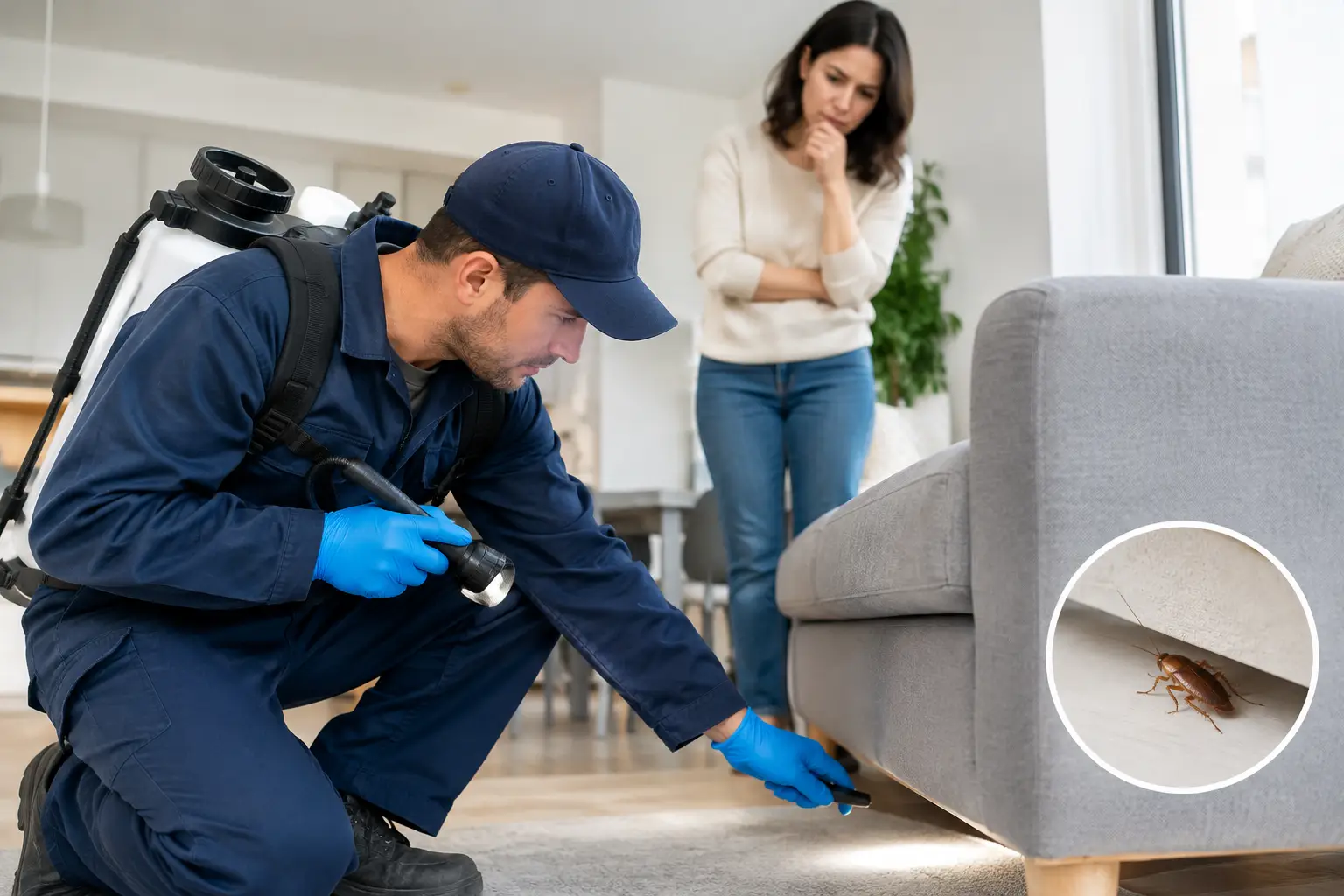
Who handles tenant pests? Learn when a Utah landlord, tenant, or property manager is responsible and how fast action prevents a larger infestation problem.
Follow this pest treatment timeline guide to know what happens before, during, and after service, and when your Utah home or business should improve fully.

Use this property pest management guide to identify risks, prevent infestations, and build a plan for homes, rentals, and businesses across Utah today.