A few ants near the sink can turn into a steady trail across the counter surprisingly fast. That is because the ants you see are usually only foragers, not the source of the problem. Effective ant extermination services Utah homeowners can rely on focus on the colony, the entry points, and the conditions that keep bringing ants back to the property.
Utah’s dry climate does not make homes immune to ants. When temperatures rise or outdoor moisture is scarce, ants often move toward kitchens, bathrooms, utility rooms, pet bowls, and landscaping that is regularly watered. A quick spray may make the visible trail disappear, but lasting control requires a plan built around how ants are actually using your home or building.
Why Ant Trails Keep Coming Back
Ants are highly organized. Worker ants leave the nest to locate food and water, then create scent trails that guide other workers to the same source. Removing the ants on the counter may interrupt the activity for a day, but it does not necessarily affect the nest, the queen, or the next wave of foragers.
This is why recurring ant activity deserves more than a surface-level response. The colony may be outside beneath a sidewalk, along a foundation, in a landscape bed, or in a wall void. In some cases, there may be more than one colony around the property. Changes in weather, lawn watering, construction, or a reliable food source indoors can all trigger new activity.
Common Utah ants include pavement ants, odorous house ants, and carpenter ants. While many ants are primarily a nuisance, carpenter ants deserve prompt attention because they can nest in damp or damaged wood. They do not eat wood like termites, but their tunneling can point to moisture issues that should be addressed.
What Professional Ant Extermination Services in Utah Include
A professional treatment should begin with an inspection, not a one-size-fits-all application. A technician needs to understand where ants are active, what may be attracting them, and how they are getting indoors. Activity near a kitchen can have a different cause than ants gathering around a basement window, patio, or irrigation line.
Inspection and identification
The first step is locating trails, likely entry points, and nesting areas. Technicians may inspect foundation gaps, door thresholds, utility penetrations, landscaping, mulch, moisture-prone areas, and places where food debris can collect. Identifying the type of ant also matters because nesting behavior and treatment methods can vary.
For a homeowner, it helps to note where and when ants appear. Are they mostly active in the morning? Do they show up after watering the lawn? Are they concentrated around one window, appliance, or pet feeding area? Those details can make an inspection more efficient and help shape the treatment plan.
Targeted colony control
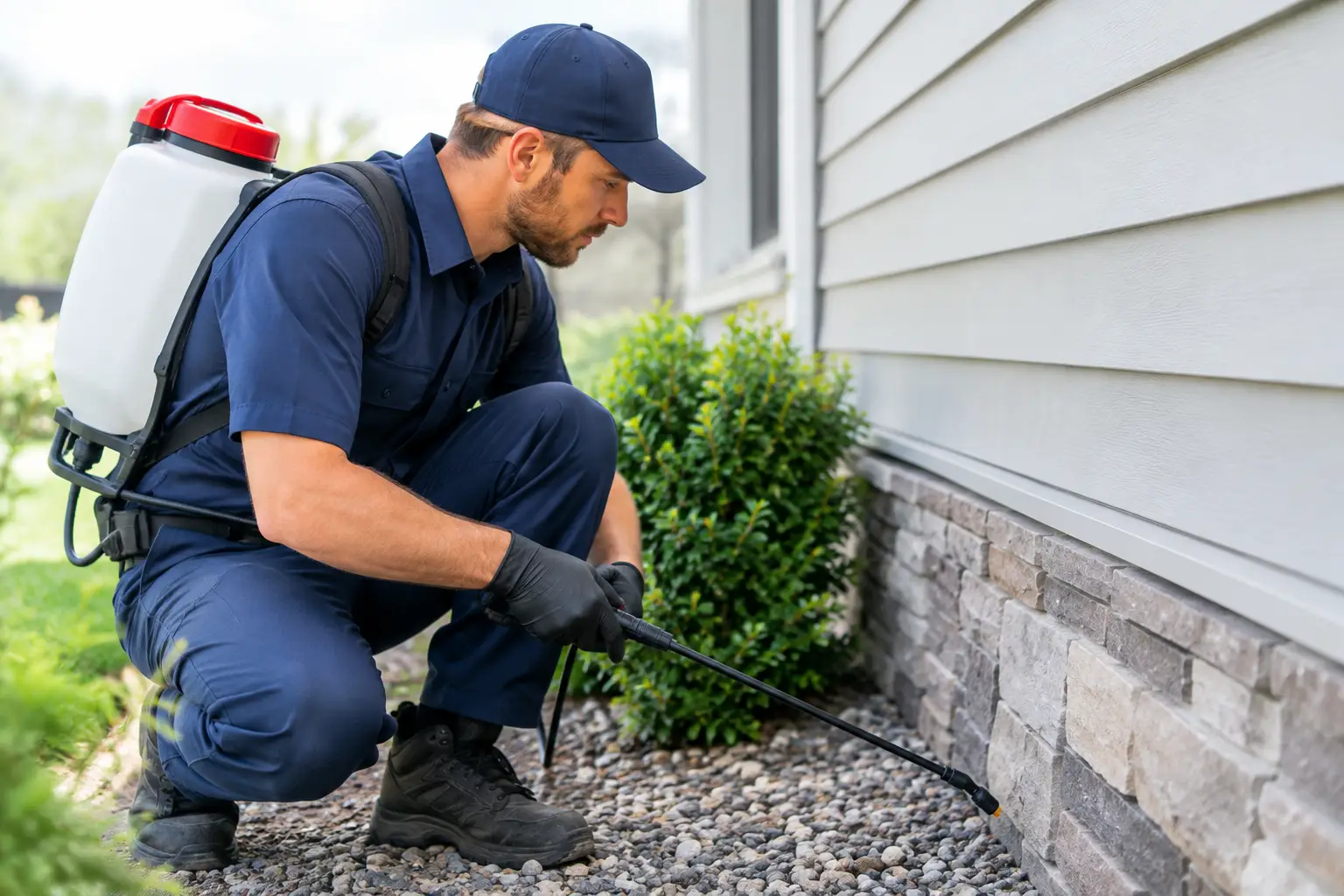
Effective ant control is designed to reach the colony rather than simply repel foraging ants away from one spot. Depending on the infestation and property layout, a professional may use targeted baiting, precise crack-and-crevice treatments, exterior perimeter applications, or a combination of methods.
The right method depends on the species, location of the nest, severity of activity, and whether children, pets, tenants, customers, or sensitive areas are present. Safety-centered service means using treatment methods thoughtfully and giving clear preparation and follow-up instructions. More product is not automatically better. The goal is controlled, effective treatment where it is needed.
Exterior prevention
Many ant problems begin outside, so exterior service is often an essential part of control. Treating active areas around the foundation and addressing conditions that support ant activity can reduce the number of foragers attempting to enter the structure.
Exterior prevention also works best when paired with basic exclusion. Sealing small gaps around pipes, screens, doors, and windows can limit access. Trimming vegetation away from the home and correcting areas where water collects near the foundation may further reduce activity. These are practical steps, but they are not substitutes for treating an established colony.
When DIY Ant Control Is Not Enough
Store-bought products can be useful for a small, isolated problem, especially when paired with cleaning and exclusion. But there are trade-offs. Sprays used directly on visible trails may kill a few workers while causing the remaining ants to change routes. Improperly placed repellents can make it harder to determine where the colony is located.
Professional service is usually the better choice when ants return after repeated DIY attempts, activity is widespread, trails appear in multiple rooms, or you suspect carpenter ants. It is also a sensible step when the issue affects a rental property, restaurant-adjacent space, office, or multi-family building, where one untreated unit can contribute to continued activity elsewhere.
The value of professional service is not only the treatment itself. It is the ability to assess the whole property, distinguish a minor seasonal issue from an active infestation, and create a prevention schedule that fits the site.
Prevention That Supports Lasting Results
A clean home is helpful, but ants do not require a messy home to become a problem. A small spill, accessible pet food, damp area, or overlooked crack can be enough to attract foragers. After treatment, a few routine habits can support better long-term control.
Keep food in sealed containers, wipe counters and floors regularly, and avoid leaving pet food out overnight when possible. Repair plumbing leaks and dry standing water around sinks, laundry areas, and utility spaces. Outside, keep mulch and debris from building directly against the foundation, and make sure gutters and irrigation are not creating persistently wet spots near the home.
It also helps to monitor the same areas where activity first appeared. Seeing a lone ant does not always mean treatment failed. Ant behavior can shift during and after a targeted service, and occasional scouting activity may occur. A growing trail, repeated activity in the same location, or ants appearing in new rooms are better reasons to contact your provider for follow-up guidance.
Ant Control for Multi-Family and Commercial Properties
For property managers and business owners, ant problems require a broader view. Tenants may see activity in one apartment while the nesting source or entry route is outside, in a shared wall, near a utility area, or connected to landscaping around the building. Treating only the unit that reported ants may provide short-term relief without resolving the larger issue.
A reliable commercial plan considers the building’s size, unit layout, trash handling, landscaping, maintenance needs, and tenant communication. It should also account for the realities of occupied spaces. Scheduling, safety, access, and clear instructions matter just as much as the treatment method.
Pest Xperts provides property-specific consultation and treatment planning for homes, multi-family communities, and commercial properties throughout the Wasatch Front. That approach helps ensure the scope of service fits the size of the building and the actual source of the ant activity.
Know When to Request Help
Call for professional help when ant trails are persistent, when activity appears inside several rooms, or when you notice large ants near damp wood, windows, or structural areas. Do not wait for a small issue to become a frustrating cycle of sprays and repeat sightings.
The most helpful next step is a property assessment that looks beyond the ants on the counter. With the right treatment and a few practical prevention measures, your home or facility can get back to feeling clean, comfortable, and protected.
continue reading
Related Posts
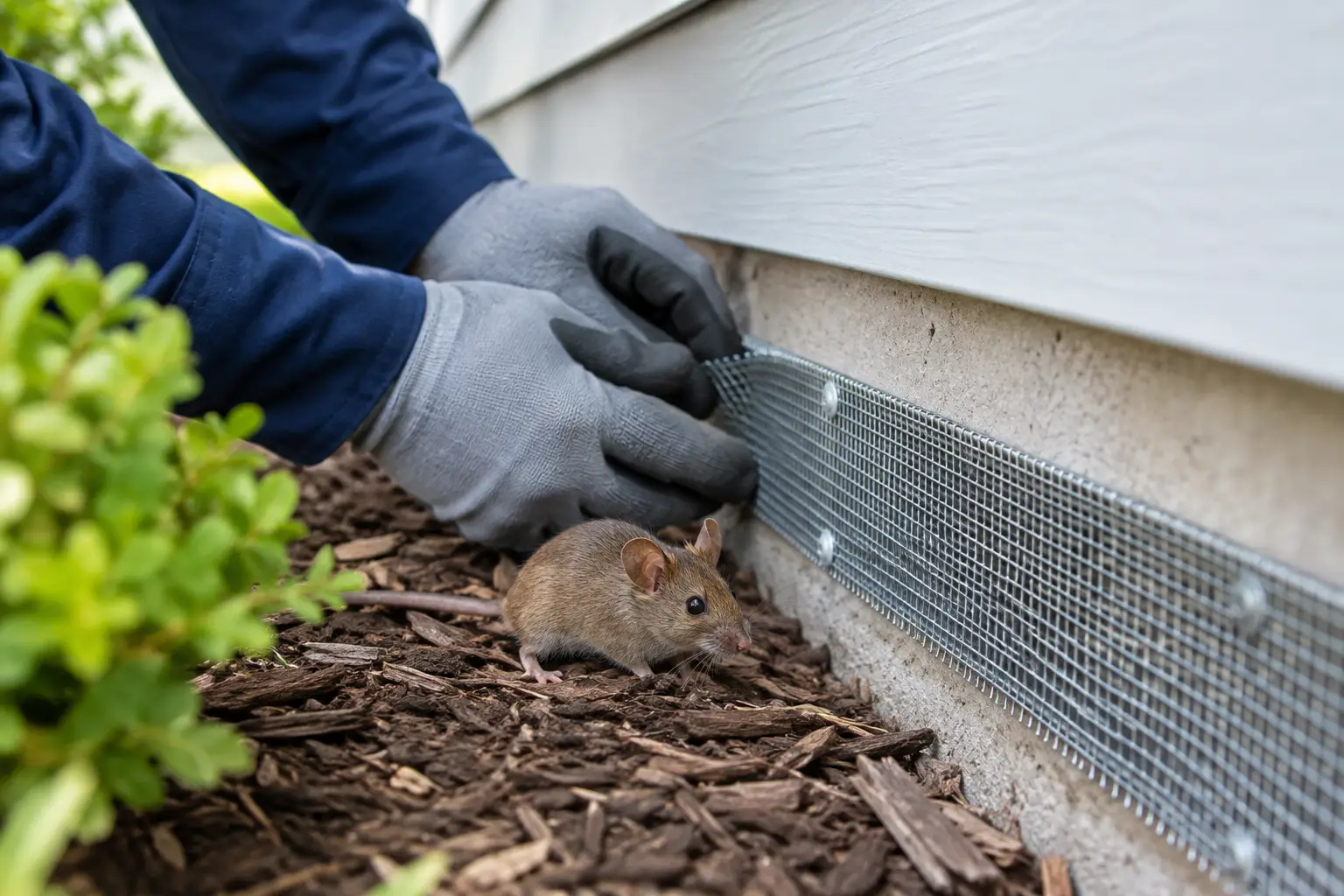
Rodent exclusion for homes helps block mice and rats before they settle in. Learn which gaps to seal, warning signs to watch for, and when to call a pro.
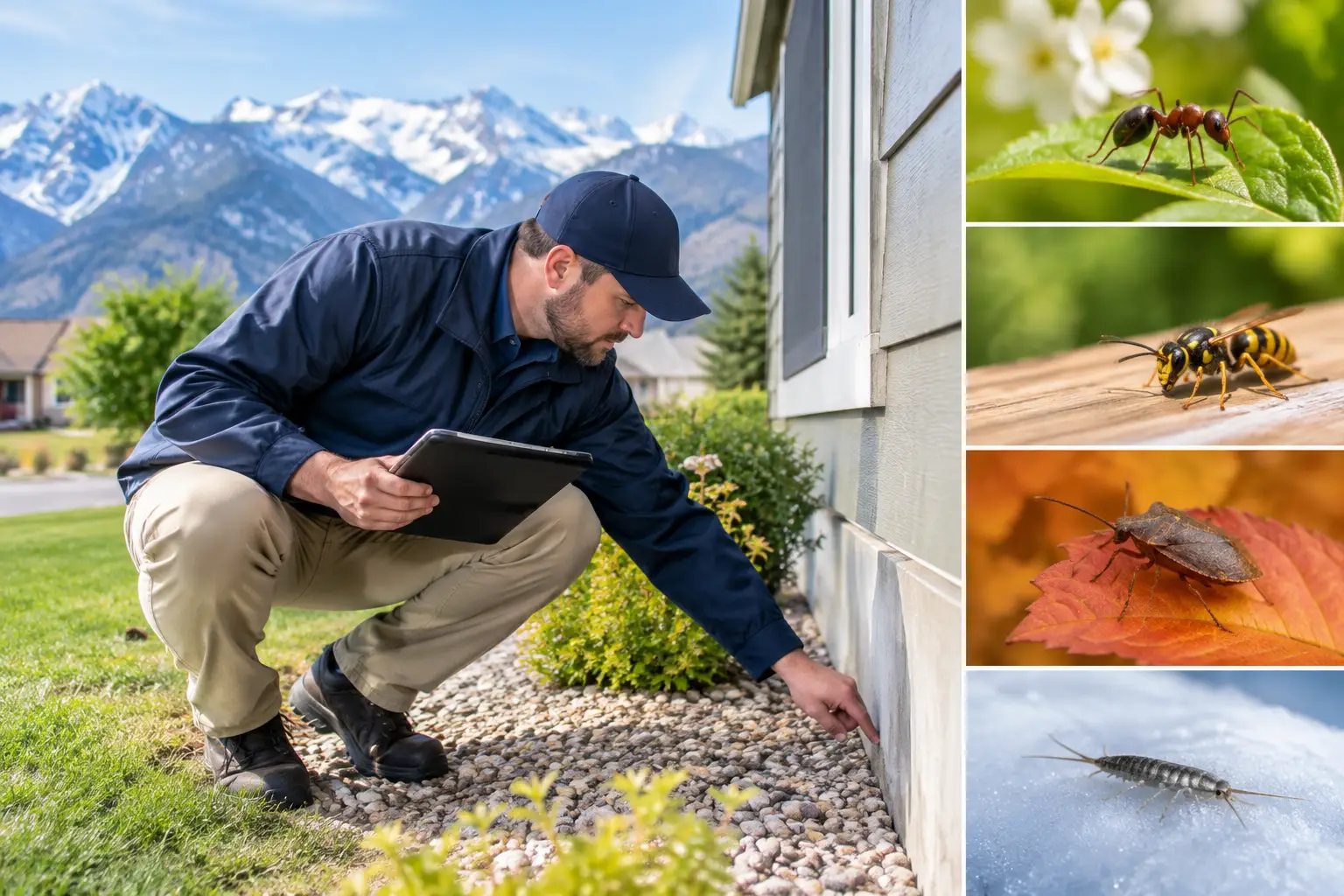
Use this Utah home pest inspection guide to spot pests early, protect your family, and know when professional treatment is the right next step for homes.

Chemical versus nonchemical pest control has trade-offs. Learn how Pest Xperts builds a safer, targeted plan for Utah homes and properties every day.