

A pest problem can feel resolved the moment the activity stops. Then a few weeks later, an ant trail reappears near the sink or a cockroach is spotted after dark. That is when a pest treatment warranty review matters most. A warranty can provide real peace of mind, but only if you understand what it covers, how long it lasts, and what you need to do to keep it active.
For homeowners, landlords, property managers, and business owners, the right service agreement should set clear expectations. It should not leave you guessing whether a return visit is included, whether new pest activity qualifies, or whether a seasonal change has created a separate issue.
What a Pest Treatment Warranty Actually Means
A pest treatment warranty is a provider’s commitment to address certain pest activity after an eligible service. In many cases, that commitment takes the form of a no-charge retreatment if the covered pest returns within a stated period. It is not the same as a promise that you will never see another insect or rodent again.
Pests move. Weather changes, construction disturbs nesting areas, and small gaps around plumbing or foundations can create new entry points. In Utah, shifts between hot, dry summers and cold weather can change where pests seek food, moisture, and shelter. A fair warranty recognizes that treatment may need follow-up while also defining reasonable limits.
The details matter. One company may offer follow-up treatment for a specific pest for 30 days, while another may include return visits between scheduled recurring services. Neither option is automatically better. The best fit depends on whether you need help with an active infestation, ongoing prevention, or a complex property with multiple units.
How to Read a Pest Treatment Warranty Review
When reading online reviews or comparing service proposals, look past broad statements such as “guaranteed results.” Those words are encouraging, but the useful information is in how the company responded when pest activity continued.
A helpful review often answers practical questions: Did the customer get a prompt response? Did the technician inspect the issue again rather than repeat the same treatment without checking? Was the retreatment process simple? Did the company explain what the resident or owner needed to correct, such as a moisture issue, food storage problem, or opening around utility lines?
Also pay attention to the type of property described. A review from a single-family home can be useful for a homeowner, but a multi-family property manager should look for experience coordinating treatment across adjacent units, common areas, trash rooms, and tenant access. In apartments, pests can travel between units, so a warranty may depend on treating connected areas and following a coordinated plan.
Positive reviews are valuable, but a company does not need to claim that every pest situation is identical to earn trust. The strongest feedback usually reflects clear communication, timely return service, and technicians who identify the underlying conditions that allow pests to persist.
Questions to Ask Before You Approve Service
A warranty should be explained before treatment begins, not introduced only after you have a concern. Ask for the terms in writing and make sure the answers apply to your property and pest issue.
Which pests are covered?
Coverage is often pest-specific. A follow-up commitment for ants may not apply to cockroaches, spiders, rodents, bed bugs, termites, wildlife, or a new pest discovered later. Specialized pests frequently require different products, inspection methods, treatment schedules, and preparation steps.
If you are dealing with cockroaches, ask whether the warranty applies to all life stages and whether follow-up visits are expected as part of the initial treatment plan. Cockroach control often requires more than one visit, especially in multi-family housing or buildings with shared plumbing and wall voids.
How long does coverage last?
Ask for the exact coverage window. Terms such as “satisfaction guaranteed” are helpful only when they are paired with a clear timeframe and process. Is the warranty active for 30 days after the initial service? Does it last until the next scheduled quarterly visit? Is it tied to an annual plan?
Recurring prevention service and one-time extermination are different purchases. Recurring service may include return treatment between regular visits for covered pests, while a one-time service may have a shorter retreatment period. Consider the urgency of the problem and the level of ongoing protection you want.
What happens if activity returns?
Find out whether the provider will schedule a retreatment, inspection, or phone consultation first. Ask how quickly they typically respond and whether there is any service-call charge. A clear answer is especially important for restaurants, offices, rental properties, and other settings where pest activity can affect operations or tenant confidence.
You should also ask whether the technician will reassess the source of the activity. Retreatment works best when it is based on what has changed. A new ant trail may point to a different moisture source. Rodent droppings in a garage may require exclusion work, not just another bait placement.
What are the exclusions?
Every warranty has limits, and reasonable exclusions protect both the customer and the provider from promising something no treatment can control. Common exclusions can include untreated areas, a new infestation from an outside source, sanitation conditions that support pests, tenant refusal to prepare a unit, or structural openings that need repair.
Read exclusions carefully, but do not assume they are a red flag. Instead, ask whether the company will identify those conditions during the inspection and explain what you can do next. A provider should be direct about the difference between treatment, prevention, and repairs such as sealing exterior gaps or correcting leaks.
The Difference Between Retreatment and Long-Term Prevention
A warranty is most useful when it supports a complete pest-management plan. That plan generally includes inspection, targeted treatment, monitoring, and practical prevention steps. Simply applying more product is not always the right response.
For example, a home with spiders near basement windows may benefit from exterior treatment and removal of webbing, leaf buildup, or clutter near the foundation. A commercial kitchen with drain flies needs a sanitation and moisture-focused solution. A rodent issue can require exclusion recommendations, landscape adjustments, and attention to garage-door gaps.
This is why the lowest price is not always the best value. A low-cost treatment with unclear follow-up can become expensive if the issue returns and every additional visit carries a charge. On the other hand, a broad recurring plan may be more than you need for a simple, isolated issue that can be resolved with a focused treatment and a defined warranty period.
What Good Warranty Service Looks Like
Dependable warranty service is clear, responsive, and specific to the property. The provider should explain the scope before service, document the pest concern, and give you a straightforward path to request help if activity continues. Technicians should also respect the safety needs of families, pets, tenants, customers, and employees by explaining treatment areas and any preparation or re-entry instructions.
For property managers, good service includes practical coordination. That may mean scheduling access with residents, documenting affected units, sharing recommendations for maintenance teams, and helping determine whether nearby units need inspection. A warranty is more meaningful when the provider understands that a single unresolved unit can affect the entire building.
For homeowners, responsiveness often matters just as much as the written term. If you see activity after treatment, you should be able to reach a local team, explain what you are seeing, and receive clear guidance on the next step. A company that treats questions as part of the service experience helps reduce stress when pests disrupt your home.
Choose Clarity Over Big Promises
Before selecting a pest control provider, compare the written coverage, not just the headline guarantee. Confirm the covered pest, the coverage period, the retreatment process, possible fees, and your responsibilities as the customer. If the property is large, has multiple units, or has a recurring history of pest activity, ask for a plan built around its actual layout and conditions.
The right warranty does not rely on vague promises. It gives you a practical next step if pests return, while helping prevent the conditions that make return visits necessary in the first place.
continue reading
Related Posts

A pest outbreak can move fast through homes and properties. Learn warning signs, smart first steps, and when treatment protects people and buildings safely.
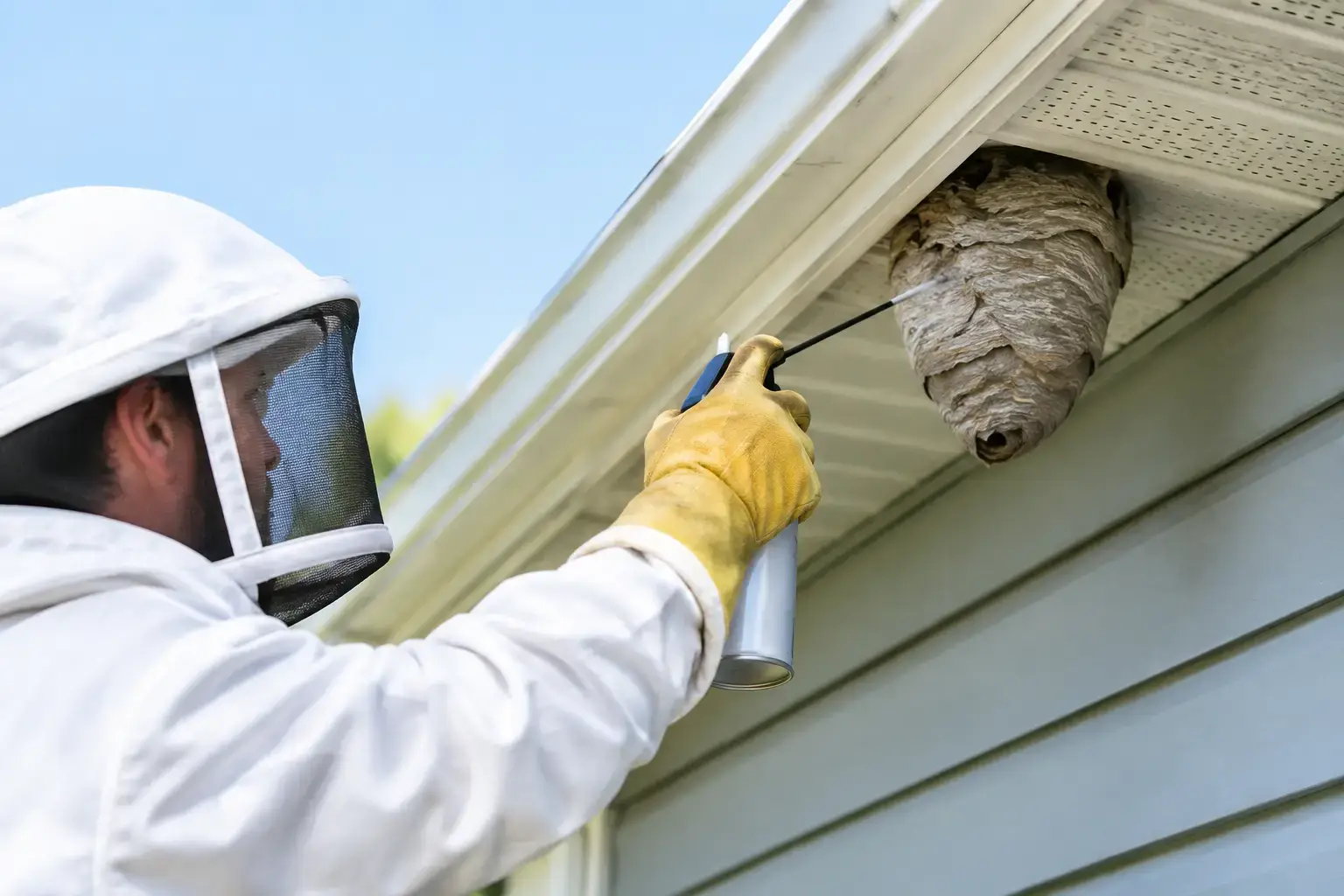
Learn how to remove wasps safely, recognize high-risk nests, and prevent repeat activity around your Utah home, rental property, or business quickly.
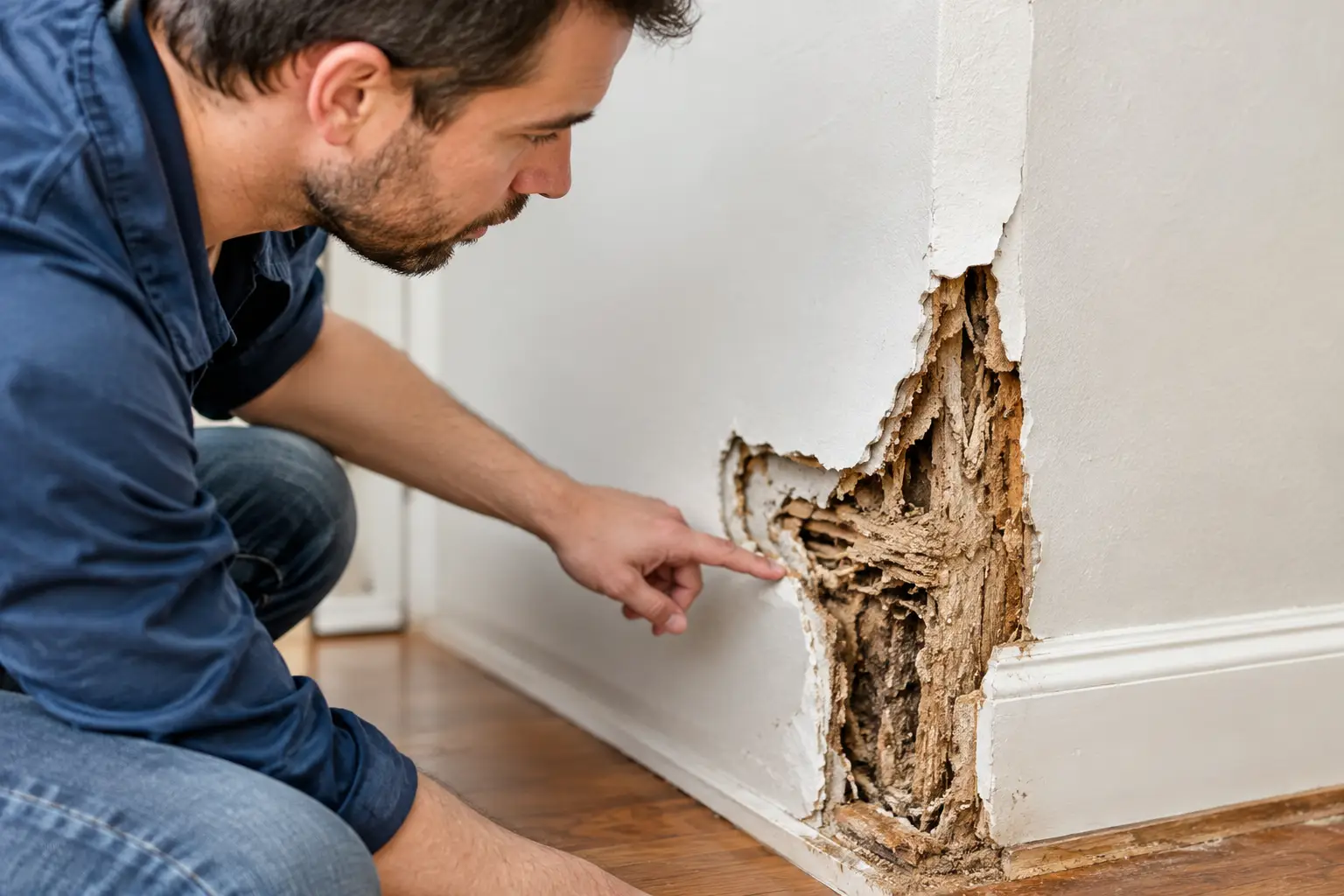
Learn the termite damage signs that merit a professional inspection, from mud tubes and hollow wood to stuck doors, bubbling paint, and swarmers indoors.