

A few ants near the kitchen sink may not feel urgent. A cockroach in the pantry, mouse activity in the garage, or wasps gathering near the entryway is different. Knowing when to schedule treatments helps you address pest activity before it disrupts your home, worries tenants, or creates a more expensive problem.
The right schedule depends on the pest, the season, the property, and whether you are preventing an issue or responding to one already in progress. For many Utah homes and commercial properties, recurring prevention provides the most dependable protection. But there are also clear signs that should move treatment from a future plan to a call today.
When to Schedule Treatments for Prevention
Prevention works best before pests settle in, breed, or find regular access to food and shelter. In Northern and Central Utah, pest pressure changes with the weather. A treatment plan that accounts for those seasonal shifts can protect your property more consistently than waiting until pests are visible indoors.
Early spring: Stop activity as temperatures rise
As temperatures warm, insects become more active and rodents may begin moving around properties in search of food and nesting areas. Ants, spiders, earwigs, and wasps are common concerns during this transition. Early spring is a practical time to inspect the exterior, treat likely entry points, and reduce the conditions that invite pests closer to the building.
For homeowners, this may mean scheduling service before outdoor activity becomes noticeable around foundations, patios, window wells, and garages. For apartment communities and commercial buildings, early spring is a smart time to review common areas, trash enclosures, landscaping, utility rooms, and units with a history of pest complaints.
Summer: Maintain the barrier when pressure is highest
Summer is often the busiest pest season. Warmer weather can increase activity from ants, spiders, wasps, and other occasional invaders. Open doors, outdoor entertaining, irrigation, and landscaping can all create more opportunities for pests to approach a structure.
A scheduled summer treatment helps maintain the protective barrier around the property and addresses activity before it reaches kitchens, bedrooms, storage spaces, or tenant units. This is especially useful for families who spend more time outside and for businesses where a visible pest issue can affect customers and staff.
The exact timing varies. A home with mature landscaping, a vegetable garden, or frequent outdoor activity may benefit from closer attention than a newer property with limited vegetation. The goal is not to apply more treatment than needed. It is to create a plan that fits the conditions around your home or facility.
Fall: Keep pests from moving indoors
When evenings become cooler, pests look for protected places to spend the winter. Rodents, spiders, and insects may move toward garages, basements, wall voids, and other sheltered areas. Fall service is one of the most valuable times to schedule preventative treatment because it focuses on stopping that seasonal migration.
A technician can identify vulnerable areas such as gaps around pipes, doors that do not seal well, damaged screens, cluttered storage areas, and foundation openings. Treatment is more effective when paired with practical exclusion and sanitation steps. Pest control is not only about what is applied. It is also about making the property less inviting in the first place.
Winter: Address indoor and hidden activity
Winter does not eliminate pest concerns. It simply changes where pests are found. Rodents may be more noticeable indoors, while cockroaches and other pests can continue to thrive in warm, humid areas such as kitchens, laundry rooms, utility spaces, and multi-family units.
Winter is a good time to schedule an inspection if you hear scratching in walls, notice droppings, find gnaw marks, or see insects where they should not be active. It is also a useful season for property managers to review recurring concerns before spring turnover and increased pest activity arrive.
Schedule Treatment Immediately for an Active Infestation
Seasonal prevention is valuable, but some situations should not wait for the next planned visit. Active infestations can grow quickly, particularly when pests have access to food, moisture, and protected nesting areas.
Schedule professional treatment promptly if you see repeated pest activity over several days, find droppings or nesting materials, notice chewed packaging or wiring, or discover pests in food storage areas. One sighting does not always mean an infestation, but repeated signs usually mean there is more activity nearby.
Cockroaches deserve fast attention. They can hide in small cracks, reproduce quickly, and spread between connected units. In a single-family home, early treatment can prevent a small issue from becoming established. In apartments, condominiums, and other multi-family properties, a coordinated response is often necessary because treatment in only one unit may not solve the full problem.
Wasps also require a timely decision, especially when nests are near doors, play areas, patios, or service entrances. Disturbing a nest without the right equipment can increase the risk of stings. A professional evaluation can determine the safest approach for the location and level of activity.
How Often Should Pest Treatments Be Scheduled?
There is no single schedule that fits every property. Many homes benefit from recurring service throughout the year, with visits timed around changing pest pressure. Properties with a history of ants, spiders, rodents, cockroaches, or exterior nesting activity may need a more consistent program than homes with little prior activity.
Commercial and multi-family properties often need more frequent monitoring because there are more entry points, more residents or visitors, larger waste areas, and greater consequences when pests are seen. A restaurant-adjacent retail space, an apartment building with shared walls, and a quiet office suite do not have the same pest-control needs.
A good schedule should account for building size, lot conditions, previous activity, sanitation practices, landscaping, pet areas, nearby construction, and the pest itself. That is why a consultation-led quote is more useful than a one-size-fits-all recommendation. The right plan should solve the actual issue while respecting the people who live and work on the property.
Signs Your Current Schedule May Need Adjustment
Even a recurring plan should be reviewed when conditions change. A sudden increase in pests can mean weather, construction, moisture, landscaping, or a new entry point has changed the situation around your property.
Consider scheduling an additional visit when you move into a new home, begin a remodel, see increased activity after heavy weather, or have guests, tenants, or employees report pests more than once. Property managers should also respond quickly after a unit turnover if there are signs of pest activity, since early service can protect the next resident and reduce complaints.
If treatments seem less effective than expected, do not assume the answer is simply more product. The pest may have a hidden food or moisture source, or the treatment area may need to expand. A careful inspection can reveal whether the issue is coming from a crawl space, wall void, neighboring unit, landscaping feature, drain area, or exterior gap.
Make Treatment Part of Property Care
The best time to schedule pest control is before a small warning becomes a major interruption. Regular prevention can protect your family, tenants, customers, and property, while fast action on active pests can limit the damage and stress of an infestation.
For Utah homes and businesses, Pest Xperts can assess the specific conditions at your property and recommend a treatment schedule built around what is actually happening there. If you are seeing activity now or want dependable prevention before the next season changes, a professional consultation gives you a clear place to start.
continue reading
Related Posts

A pest outbreak can move fast through homes and properties. Learn warning signs, smart first steps, and when treatment protects people and buildings safely.
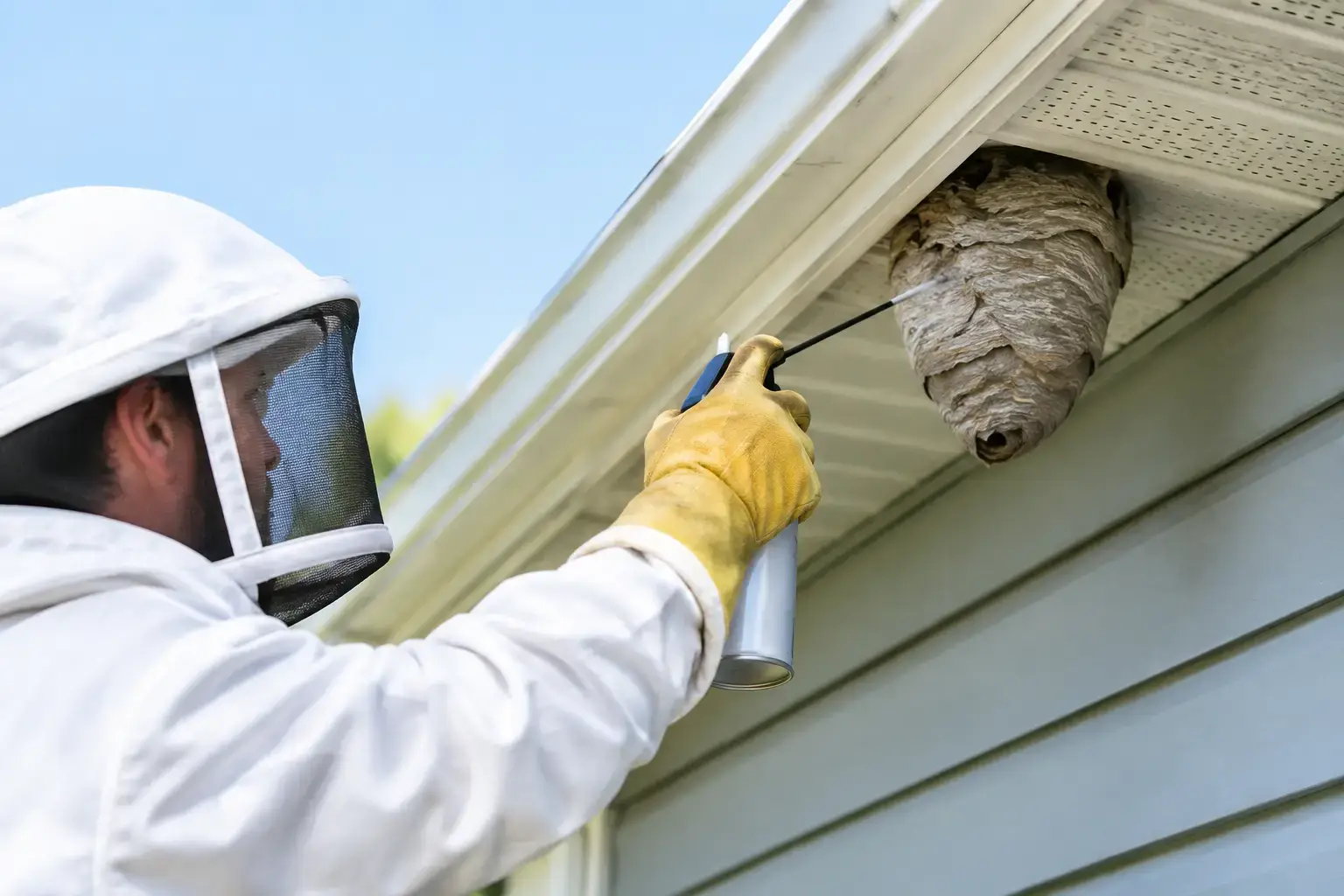
Learn how to remove wasps safely, recognize high-risk nests, and prevent repeat activity around your Utah home, rental property, or business quickly.
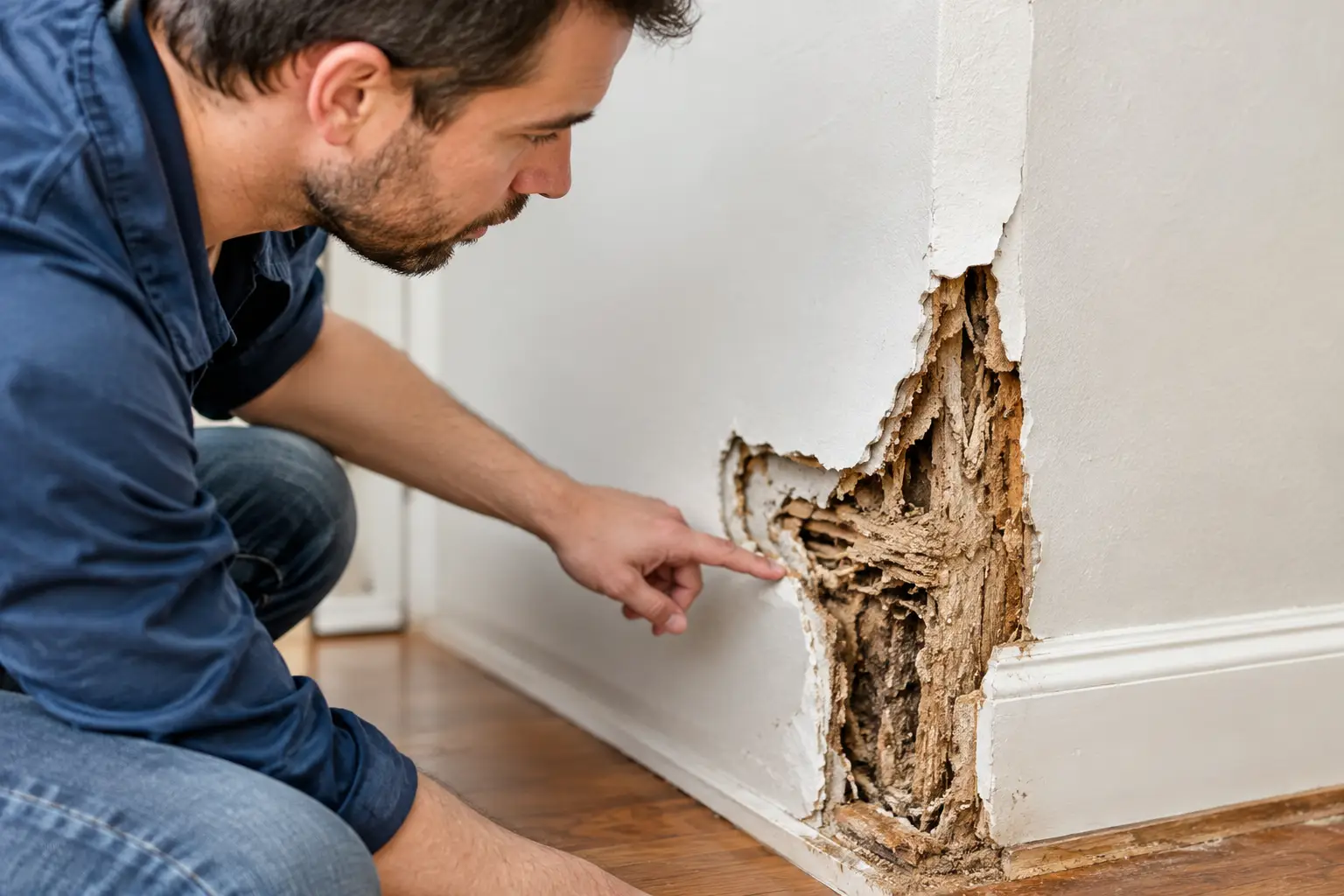
Learn the termite damage signs that merit a professional inspection, from mud tubes and hollow wood to stuck doors, bubbling paint, and swarmers indoors.