
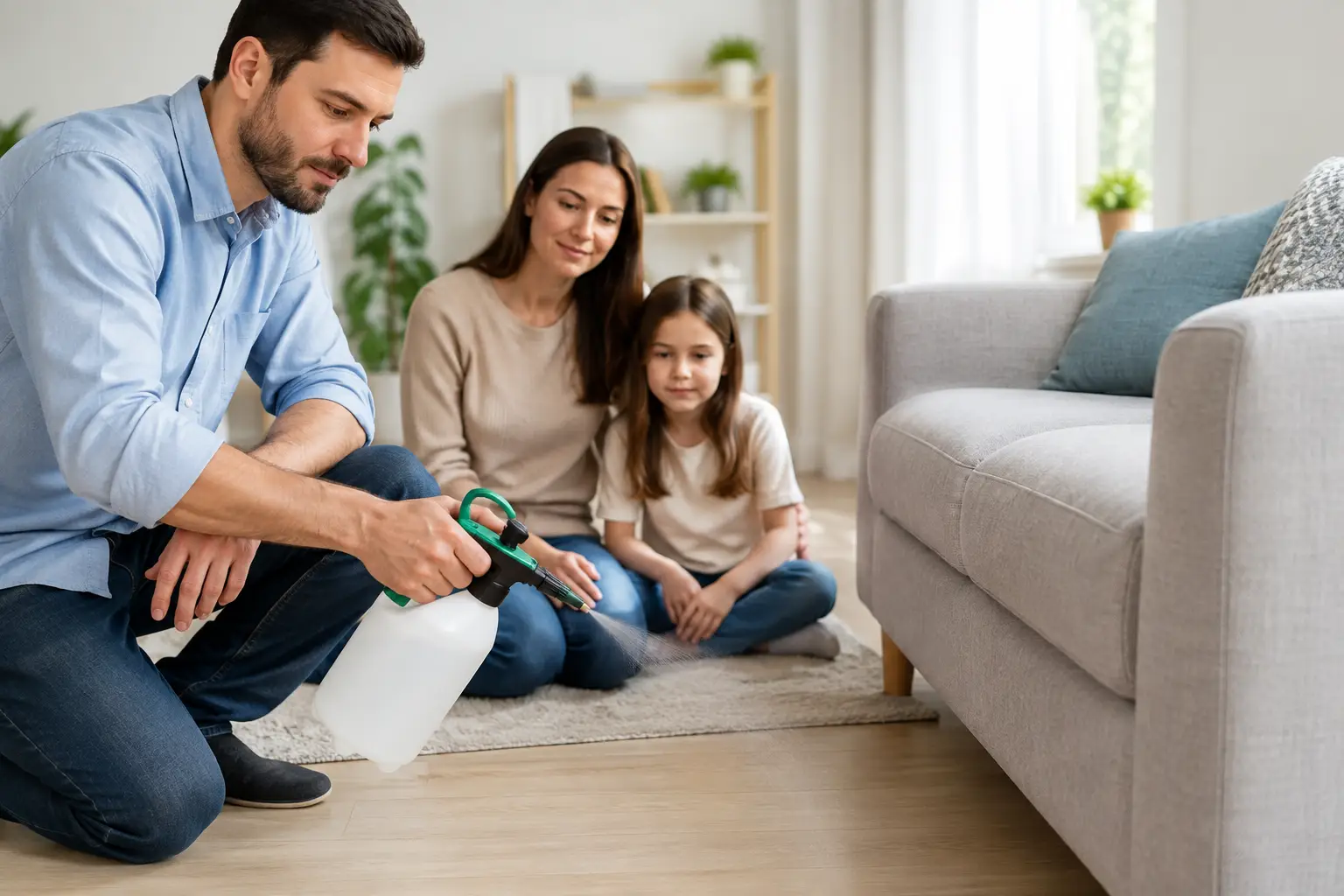
A can of bug spray can feel like the fastest answer when ants cross the kitchen floor or a spider appears near a child’s bedroom. But are pest sprays safe indoors? They can be when the product is appropriate for indoor use and applied exactly as directed. Safety depends on the active ingredient, where and how much is applied, who is in the home, and whether the pest problem calls for a different solution.
For most homes, the safest approach is not simply spraying more. It is using the least amount of the right treatment in the right place, while addressing the conditions that brought pests inside.
What Makes an Indoor Pest Spray Safe?
No pesticide is completely risk-free. Even products sold for household use are designed to affect living organisms, so their labels matter. A product may be safe for indoor application when used according to its directions, but that does not mean it should be sprayed across floors, furniture, toys, bedding, or food-preparation surfaces.
The product label tells you where it can be used, which pests it treats, how much to apply, and whether people and pets need to stay out of the treated area for a period of time. It also explains ventilation requirements and cleaning instructions. Those details are not fine print to skip. They are the safety instructions for that specific product.
The biggest difference is often application method. A carefully placed crack-and-crevice treatment along a baseboard is very different from an aerosol spray released broadly into a room. Targeted applications limit exposure while putting treatment where pests actually travel or hide.
Are Pest Sprays Safe Indoors Around Kids and Pets?
Families with young children, pets, older adults, or anyone with asthma or chemical sensitivities should be especially cautious. Children and pets spend more time close to floors and may touch treated areas, then put hands or paws in their mouths. Cats can also be particularly sensitive to certain ingredients and residues.
Before any indoor treatment, remove or cover food, dishes, pet bowls, children’s toys, and food-preparation items. Keep people and pets out of the area during application and until the label says it is safe to return. If a treatment requires ventilation, open windows where practical and use ventilation as directed.
Do not assume a product is safe because it is labeled “natural,” “plant-based,” or “non-toxic.” Those terms do not replace careful use instructions. Essential-oil-based products can still irritate skin, eyes, or airways, and some can be harmful to pets. The right question is whether the product is labeled for your specific indoor use and whether it can be applied without exposing your family to unnecessary residue.
The Risks of Over-Spraying
Many indoor pest-spray problems come from overapplication. A homeowner sees more insects, sprays more product, and unintentionally creates more residue without improving control. In some cases, broad repellent sprays can push pests deeper into walls, appliances, or other hiding places.
Over-spraying also increases the chance of inhalation, skin contact, and contamination of household surfaces. Spraying into electrical outlets, near open flames, on hot appliances, or directly onto bedding and upholstered furniture can create additional hazards. Never mix pesticides, and do not use an outdoor-only product indoors.
If you accidentally apply too much product, follow the label’s cleanup and exposure guidance. If someone has concerning symptoms after exposure, such as trouble breathing, dizziness, vomiting, or eye irritation that does not improve, seek medical help or contact Poison Control promptly.
A Better Indoor Treatment Starts With Pest Identification
The safest treatment can vary widely by pest. Ants, cockroaches, spiders, pantry pests, and occasional invaders do not all respond to the same approach.
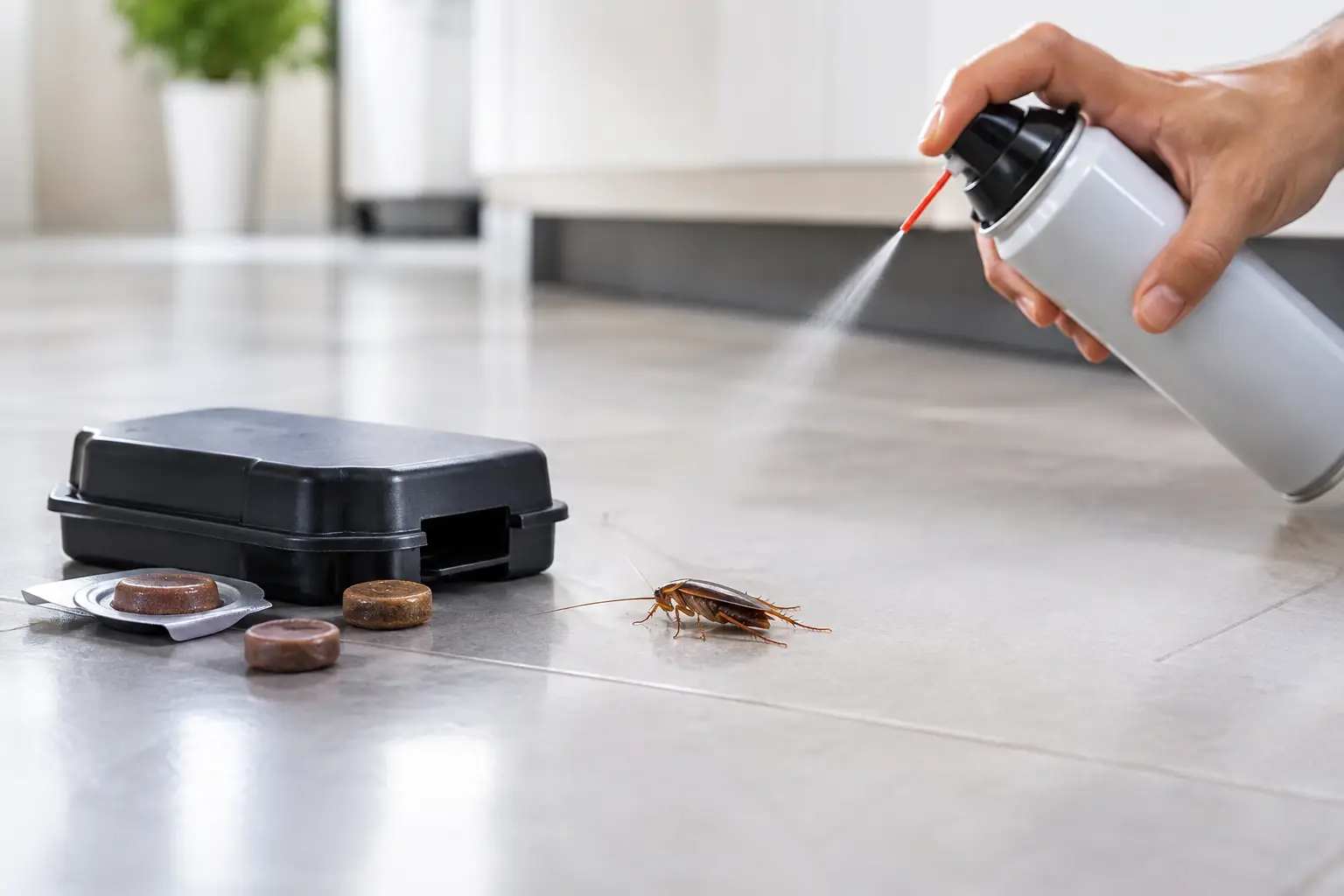
For example, bait may be more effective than spray for certain ant or cockroach problems because pests carry it back to the colony or harborage area. Spraying around a bait placement can sometimes make bait less effective by repelling pests before they feed. For pantry pests, removing infested food and thoroughly cleaning shelves matters more than spraying cabinets. For spiders, reducing clutter, sealing entry points, and treating exterior pressure are often part of the solution.
Cockroaches deserve particular care. They can hide in tight spaces around plumbing, appliances, cabinets, and wall voids. An incomplete spray treatment may kill the roaches you see while leaving egg cases and hidden harborages untouched. In apartments, condos, and multi-family properties, roaches can also move between units through shared walls and utility lines. That situation often needs coordinated, professional treatment rather than repeated do-it-yourself spraying.
How to Reduce Indoor Spray Exposure
When an indoor spray is necessary, preparation and precision make a meaningful difference. Read the entire label before opening the product, not while you are already spraying. Confirm that it is labeled for indoor residential use and for the pest you have identified.
Apply only to permitted locations, such as cracks, crevices, and pest entry areas listed on the label. Avoid treating broad open surfaces unless the directions specifically call for it. Keep applications away from food, pet areas, toys, bedding, and frequently touched surfaces.
Afterward, wash your hands thoroughly and store the product in its original container, secured out of reach of children and pets. Do not transfer pesticides to an unlabeled bottle or container. It may seem convenient, but it creates a serious risk of accidental exposure.
Just as important, reduce the conditions that attract pests. Fix moisture leaks, wipe up food spills, store dry goods in sealed containers, take out trash regularly, and seal gaps around doors, pipes, and utility openings. A spray may provide control, but sanitation and exclusion help prevent the next infestation.
When Professional Indoor Pest Control Is the Safer Choice
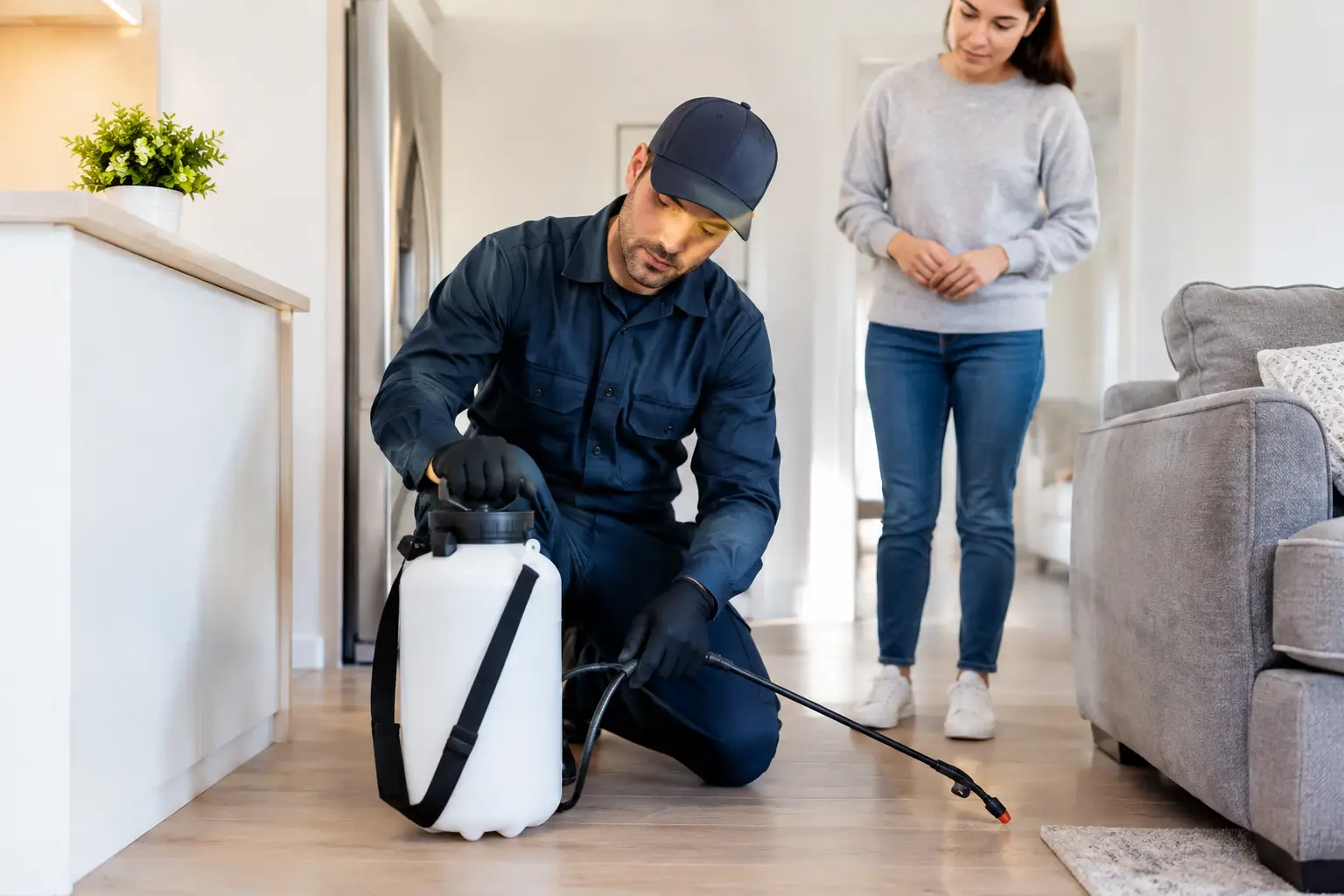
A qualified pest professional can often treat an indoor issue with less product than a trial-and-error approach. Professional service begins with inspection: identifying the pest, locating its activity, assessing contributing conditions, and selecting a treatment method suited to the property.
That is especially valuable when activity is persistent, you are seeing pests in several rooms, cockroaches are present, or the building has shared walls. It is also a good choice when someone in the home has heightened sensitivities, when a pet has access to hard-to-reach areas, or when you do not feel confident using a pesticide yourself.
For property managers and landlords, consistent documentation and targeted service matter just as much. A tenant may report pests in one unit while the source is a moisture issue, trash area, neighboring unit, or utility pathway. Treating only the reported room may offer short-term relief but fail to protect the building over time.
Pest Xperts builds treatment plans around the pest, the building, and the people who use the space. That means looking beyond the visible bug and avoiding one-size-fits-all applications.
The Bottom Line for Your Home
Indoor pest sprays can be used safely, but only when the product is approved for the location, applied sparingly, and kept away from the people, pets, food, and surfaces that matter most. A bigger spray application is rarely a better one.
If pests keep returning, treat that as useful information rather than a reason to reach for another can. The right inspection and a targeted plan can protect your home while giving your family the confidence to enjoy it.
continue reading
Related Posts

Learn the right pest inspection frequency for Utah homes, rentals, and businesses, plus the warning signs that call for a professional inspection now.
Learn how to prepare for extermination with simple steps that protect your family, improve treatment results, and help your Utah property return to normal.
Cockroach bait versus sprays can affect safety, speed, and lasting control. Learn when each treatment works and when professional help is needed at home.