
A cockroach sighting in the kitchen or a mouse scratching in a wall can make anyone want the strongest treatment available immediately. But low toxicity pest trends are changing that conversation. Homeowners, landlords, and property managers are asking a better question: How can we solve the pest problem effectively while limiting unnecessary exposure for people, pets, tenants, and the environment?
That shift does not mean accepting pests or relying on ineffective home remedies. It means using the right tools in the right places, paired with the prevention work that keeps pest pressure from building again. For Utah properties, where changing seasons, dry conditions, and dense multi-family communities can all influence pest activity, a targeted plan often delivers better long-term control than simply applying more product.
What Low Toxicity Pest Trends Actually Mean
Low toxicity pest control is sometimes confused with pesticide-free pest control. They are not the same thing. A low toxicity approach focuses on reducing risk through careful product selection, precise application, and non-chemical prevention methods. When treatment is needed, it is applied where pests travel, feed, nest, or enter the property instead of broadly treating areas that do not need it.
This approach is closely connected to integrated pest management, often called IPM. The goal is to understand why pests are present before deciding how to treat them. Are ants following a trail to a food source? Are cockroaches finding moisture under a sink? Are mice entering through a gap around a utility line? The answer determines the plan.
A thoughtful service may include monitoring, sanitation recommendations, exclusion work, trapping, baiting, and targeted material applications. The mix depends on the pest, the severity of activity, the building layout, and who uses the space. A single-family home with occasional spiders has different needs than an apartment building dealing with recurring German cockroach activity.
Why Utah Homes and Facilities Are Choosing Targeted Control
For many customers, the main reason is simple: they want their home or business protected without treating more than necessary. Families may have young children who spend time on floors, pets that investigate every corner, or concerns about treatments near food-preparation areas. Property managers need solutions that respect tenant comfort while addressing pest concerns quickly and consistently.
Targeted control also makes practical sense. Pests do not appear randomly. They follow resources such as food, water, shelter, warmth, and entry points. Addressing those conditions can reduce the number of treatments needed over time.
Utah’s seasonal shifts make prevention especially valuable. Rodents may seek warmth indoors as temperatures drop. Ants become more noticeable as they forage during warmer months. Spiders follow the insects that provide their food source. Keeping exterior entry points sealed, reducing moisture, and maintaining regular exterior protection can interrupt those patterns before they turn into a larger problem.
For commercial and multi-family properties, low toxicity strategies can support day-to-day operations. A well-managed program uses documentation, inspection findings, and service intervals to identify patterns across units or common areas. That gives managers a clearer path to protect tenants, maintain property standards, and respond before complaints multiply.
The Methods Behind a Lower-Exposure Pest Plan
A lower-toxicity plan is not one product or one technique. It is a decision-making process. The best plans put prevention first, then use focused treatment where it provides a clear benefit.
Inspection Comes Before Treatment
A professional inspection looks beyond the pest that was spotted. Technicians assess likely entry points, moisture conditions, harborage areas, food sources, and signs of ongoing activity. For example, seeing a few ants near a window may point to an exterior trail, while cockroach droppings in a cabinet may indicate a nearby harboring area that needs more direct attention.
For property managers, inspection should also account for connected units, utility penetrations, trash areas, laundry rooms, and maintenance spaces. Treating only the unit that reported a problem can lead to repeat issues if the conditions supporting pest activity remain elsewhere in the building.
Exclusion and Maintenance Reduce Access
Exclusion means making it harder for pests to get inside. Small gaps around pipes, doors, vents, siding, and foundations can become an open invitation to insects and rodents. Repairing screens, adding door sweeps, sealing openings, and keeping vegetation from contacting the structure can make a meaningful difference.
This work has limits. Older buildings may have many access points, and large commercial facilities often require an ongoing maintenance plan rather than a one-time fix. Still, exclusion is one of the most valuable parts of a low toxicity strategy because it removes the problem before treatment is even necessary.
Baits and Traps Can Be More Precise Than Broad Sprays
When used correctly, baits and traps can control certain pests with very limited application. Ant and cockroach baits place the active ingredient where foraging insects will find it, rather than covering open surfaces. Rodent traps can be placed along travel routes and checked regularly. Monitoring devices can reveal activity before it becomes obvious to residents or staff.
Precision matters. Incorrect bait placement, competing food sources, or a poor understanding of the pest species can limit results. A technician must match the product and placement to the pest, then evaluate whether the strategy is working.
Targeted Applications Still Have a Role
Low toxicity does not mean a technician will never use conventional pest-control materials. In active infestations, targeted applications may be the safest and most effective way to quickly reduce pest populations. The difference is that treatments are selected and applied with purpose.
For example, treating a hidden cockroach harboring area, a crack near an active ant trail, or an exterior pest entry zone is different from applying a broad treatment without inspection. Product labels, placement, timing, and follow-up service all matter. A qualified professional should explain what is being used, where it is being applied, and any preparation or re-entry instructions.
Where the Trend Has Limits
Low toxicity pest trends are worth considering, but marketing language can sometimes overpromise. Natural ingredients are not automatically harmless, and a product labeled green is not automatically the best answer for every infestation. Essential oils may repel certain pests temporarily, but they rarely resolve an established cockroach infestation or a serious rodent problem on their own.
The right approach depends on the pest and the risk. A few occasional ants may be resolved with sanitation, exterior trail treatment, and entry-point sealing. Bed bugs, extensive cockroach activity, or rodents in a wall void often require more intensive and carefully managed service. Delaying effective treatment in the name of using only the mildest option can allow pests to spread, damage property, or create more difficult conditions later.
The most responsible choice is not always the least visible treatment. It is the plan that reduces the actual risk to people and property while solving the pest issue at its source.
Questions to Ask Before Choosing a Pest Service
When comparing pest control options, ask how the company identifies the pest and determines the treatment area. Ask what prevention steps are included, whether follow-up is recommended, and what you can do between visits to support results. For apartments and commercial properties, ask how the service addresses connected spaces and whether reporting helps identify repeat hotspots.
You should also be clear about the people and animals on the property. Let the technician know if there are infants, pets, aquariums, sensitive areas, food-handling spaces, or tenants with specific concerns. That information helps shape a safer, more practical treatment scope.
A good provider will not treat every property the same way. Square footage, lot size, pest pressure, building condition, and the type of activity all affect the plan and the service schedule.
A Better Standard for Pest Prevention
The value of lower-toxicity pest management is not a promise that pest control will be effortless or chemical-free. It is a better standard for making decisions. Inspect first. Prevent access. Use focused treatments when needed. Recheck the property and adjust based on real pest activity.
For homes and businesses along the Wasatch Front, that approach can protect the spaces people rely on without adding unnecessary treatment. If pests are already active, Pest Xperts can assess the property, explain the options clearly, and build a treatment plan around the problem you are actually facing. The best time to improve pest control is before a small sign of activity becomes a disruption for your family, tenants, or customers.
continue reading
Related Posts

A pest outbreak can move fast through homes and properties. Learn warning signs, smart first steps, and when treatment protects people and buildings safely.
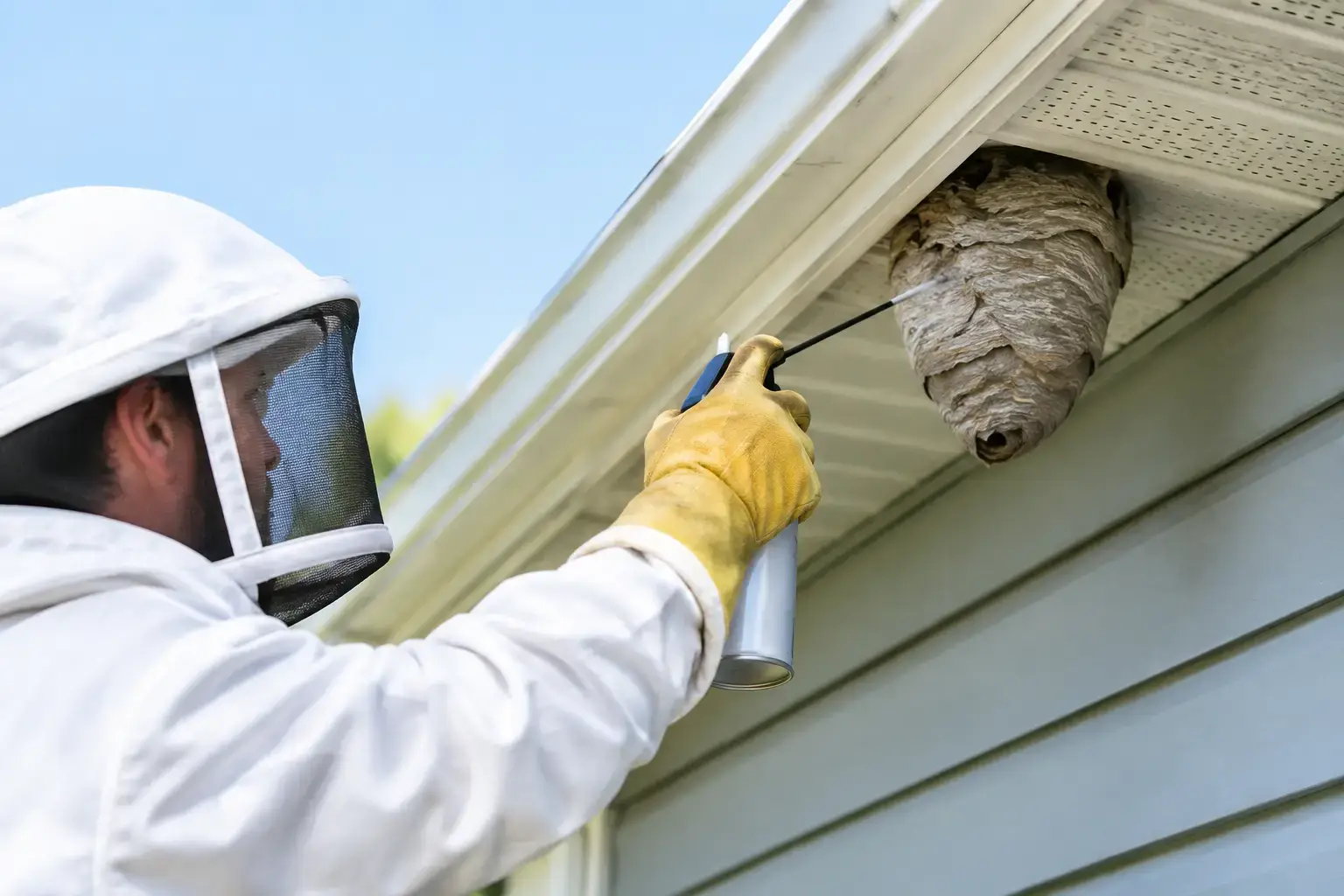
Learn how to remove wasps safely, recognize high-risk nests, and prevent repeat activity around your Utah home, rental property, or business quickly.
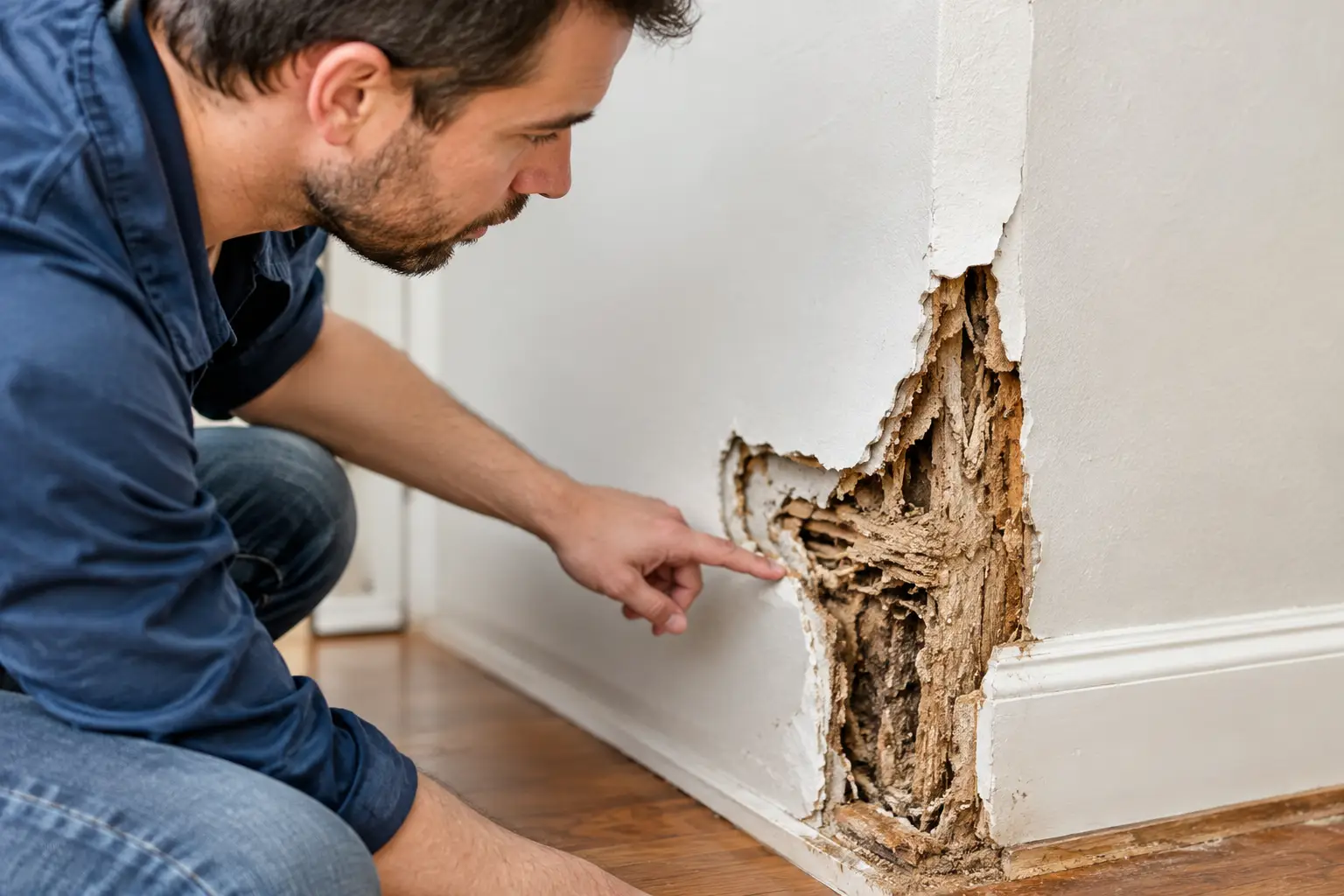
Learn the termite damage signs that merit a professional inspection, from mud tubes and hollow wood to stuck doors, bubbling paint, and swarmers indoors.