

A pest issue in one unit can become a building-wide concern faster than most property managers expect. Multifamily pest risks are different from a typical single-family home problem because pests can travel through shared walls, utility lines, hallways, laundry rooms, trash areas, and neighboring units. What starts as a tenant report of a few cockroaches or ants may affect resident comfort, maintenance costs, renewals, and your property’s reputation.
The good news is that multifamily properties are highly protectable when pest management is treated as part of regular property care instead of an emergency-only expense. Early reporting, clear tenant communication, consistent sanitation standards, and property-specific service all make a meaningful difference.
Why Multifamily Pest Risks Spread So Easily
Apartments, condos, townhomes, and other multi-unit buildings give pests more access points than most people realize. Units may have separate kitchens and bathrooms, but they often share plumbing penetrations, electrical pathways, wall voids, attics, crawl spaces, and exterior foundations. A pest does not need to cross a front door threshold to move from one home to another.
Cockroaches are a common example. They can hide near warm appliances, behind cabinets, under sinks, and around plumbing. When a neighboring unit is treated without addressing conditions or activity nearby, roaches may simply move into another available space. The same pattern can occur with ants, rodents, bed bugs, and pantry pests.
Turnover adds another layer of risk. Vacant units may have water leaks that go unnoticed, food residue left behind, or gaps around utility openings. New residents can also unknowingly bring pests in through boxes, secondhand furniture, luggage, or stored belongings. None of this means a property is poorly managed. It means the property needs a prevention plan designed for how people actually live.
The Pest Problems That Matter Most in Multi-Unit Housing
Every building is different, and the right treatment plan depends on the pest, construction type, resident habits, and surrounding environment. Still, a few pest concerns regularly create the most disruption for Utah multifamily properties.
Cockroaches
Cockroaches are among the most urgent multifamily pest risks because they reproduce quickly, hide well, and can move through connected units. They are drawn to food, moisture, grease, clutter, and warmth. Kitchens, bathrooms, utility closets, common trash areas, and laundry spaces all deserve attention.
A single treatment may reduce visible activity, but long-term control often requires inspection of adjacent units and shared areas. It may also require correcting leaks, sealing openings, improving sanitation, and setting up follow-up service. Fast action protects residents and helps avoid a larger infestation that is more expensive to control.
Rodents
Mice and rats can enter through surprisingly small openings around foundations, doors, vents, pipe penetrations, and utility lines. Once inside, they often nest in wall voids, storage rooms, attics, crawl spaces, or mechanical areas. They may also damage insulation, wiring, stored materials, and food products.
Rodent control should not rely on traps alone. Exclusion work matters. If the building still offers accessible entry points, new rodents can replace the ones removed. Exterior inspections are especially valuable before colder weather pushes rodents toward indoor shelter.
Ants and Occasional Invaders
Ants often enter in search of water or food, especially around kitchens, bathrooms, and exterior landscaping. Spiders, earwigs, crickets, and other occasional invaders may also become noticeable around doors, windows, foundation cracks, and lower-level units.
These pests may seem less serious than roaches or rodents, but repeated complaints can still affect how residents feel about the property. Regular exterior treatment and targeted interior service can reduce activity before it becomes a recurring frustration.
Bed Bugs
Bed bugs require a careful, responsive approach. They are not caused by poor housekeeping, and that point matters when communicating with residents. Bed bugs can be introduced through travel, visitors, moving boxes, secondhand furniture, or shared spaces. Delayed reporting can allow them to spread to nearby units.
Property staff should know how to respond without blame: document the report, arrange a professional inspection, protect resident privacy, and follow the treatment preparation instructions closely. DIY sprays can scatter bed bugs into new hiding places and make professional treatment more difficult.
Signs You Need to Act Before Complaints Multiply
Tenant reports are valuable, but they should not be the only signal your team watches for. Maintenance staff, leasing teams, cleaners, and vendors are often the first people to notice early pest activity.
Watch for these warning signs across units and common areas:
- Droppings, gnaw marks, shredded nesting material, or unusual odors in utility spaces and storage areas.
- Roach sightings, shed skins, egg cases, or pepper-like droppings around cabinets, appliances, and plumbing.
- Ant trails near sinks, windows, break rooms, or exterior entry points.
- Repeated maintenance requests involving leaks, damaged weatherstripping, loose door sweeps, or gaps around pipes.
- Multiple pest reports from stacked units or apartments sharing a wall, plumbing line, or hallway.
One report does not always mean the entire building is affected. However, connected reports should be treated as a pattern, not separate incidents. A qualified inspection can determine whether activity is isolated or whether pests are using shared pathways.
Preventing Multifamily Pest Problems Between Services
Professional treatment is a major part of pest management, but building operations influence results every day. The strongest prevention programs combine expert service with practical maintenance and resident cooperation.
Start with moisture control. Repair leaking faucets, slow drains, damaged caulking, roof leaks, and irrigation problems promptly. Water is a major pest attractant, especially for cockroaches, ants, and rodents. Pay close attention to utility rooms, laundry areas, dumpster pads, and vacant units where leaks may be missed.
Next, reduce food and harborage opportunities. Keep dumpster areas clean, make sure lids close properly, and avoid allowing bulk trash to sit near the building. In common spaces, clean crumbs and spills promptly. During turns, inspect behind appliances, inside cabinets, under sinks, and around baseboards rather than focusing only on visible surfaces.
Exclusion is equally important. Door sweeps, window screens, weatherstripping, vent covers, and seals around utility lines can prevent many pests from getting inside. This work is especially useful for ground-floor units and properties near open land, landscaping, or construction activity.
Resident communication should be direct and respectful. Give residents a simple way to report activity early, explain what information helps, and provide clear preparation instructions when service is scheduled. Blaming residents usually delays reporting. A cooperative approach gives your pest professional a better chance to locate the source and resolve the issue quickly.
A Better Response When a Pest Report Comes In
When a resident calls, avoid assuming the problem is limited to that unit or that it can wait until the next routine visit. Gather useful details: what pest was seen, where it was seen, when activity started, how often it is happening, and whether nearby residents have mentioned similar concerns.
Then consider the building layout. For cockroaches, bed bugs, or rodents, adjacent units may need inspection based on shared walls, floors, ceilings, or plumbing lines. For ants or occasional invaders, exterior conditions and entry points may be the larger issue. The right scope depends on evidence, which is why a consultation-led inspection is more effective than applying the same treatment everywhere.
Documenting reports also helps identify patterns over time. If the same stack of units experiences recurring cockroach activity, for example, there may be a shared plumbing gap, moisture condition, or sanitation issue that needs correction. Treating the visible pests without correcting the contributing condition can create a cycle of repeated calls.
Protect the Property and the People Who Call It Home
A reliable multifamily pest program is not just about eliminating what residents can see. It is about finding how pests entered, where they are living, and what conditions allow them to return. That approach helps protect resident comfort, preserve your property, and reduce the disruption that comes with larger infestations.
For multifamily operators in Salt Lake City and surrounding Utah communities, Pest Xperts can assess the building’s size, layout, pest pressure, and specific concerns before recommending a tailored treatment plan. Acting early gives your residents confidence that their home is being cared for and gives your team a clearer path to lasting control.
continue reading
Related Posts
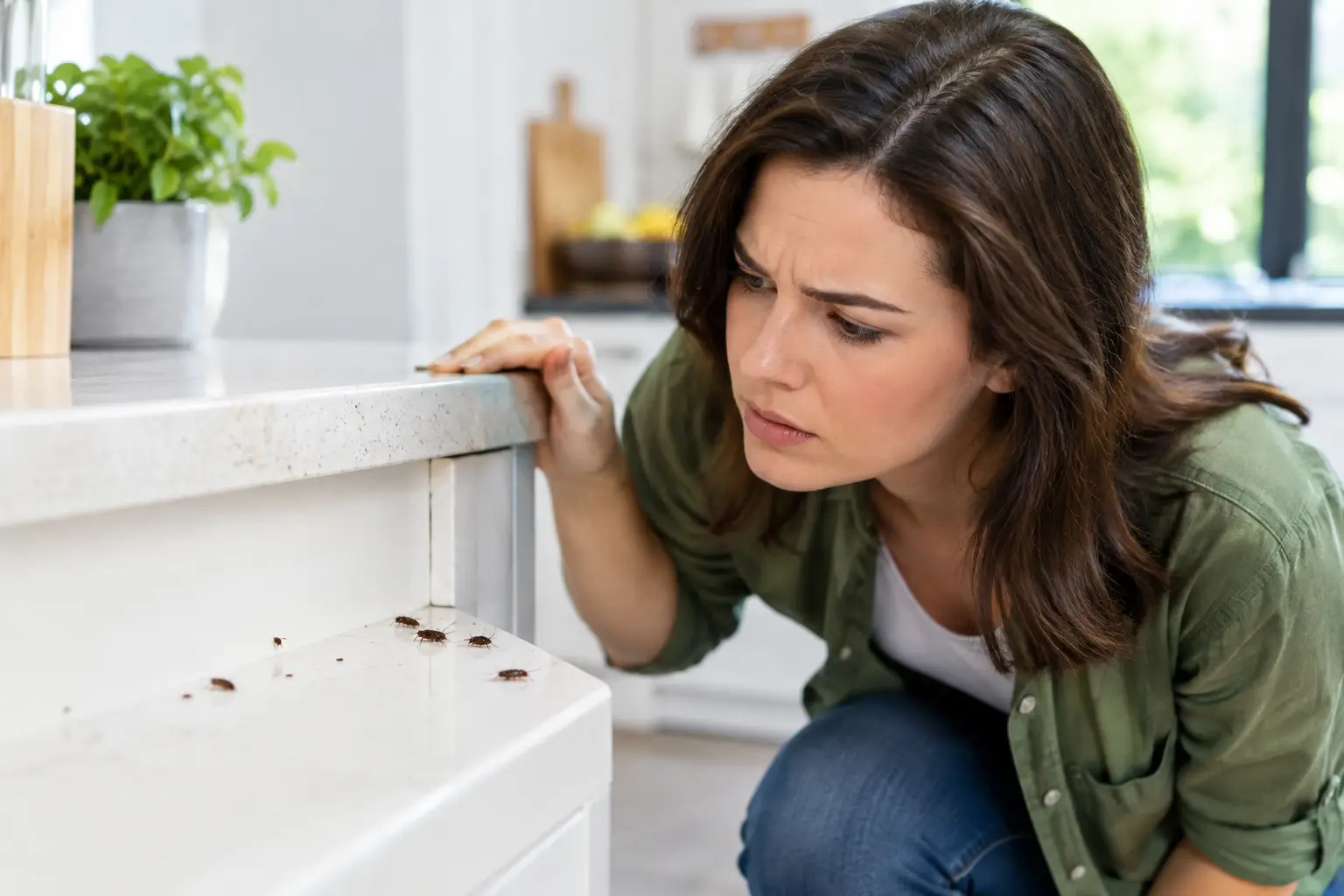
A pest outbreak can move fast through homes and properties. Learn warning signs, smart first steps, and when treatment protects people and buildings safely.
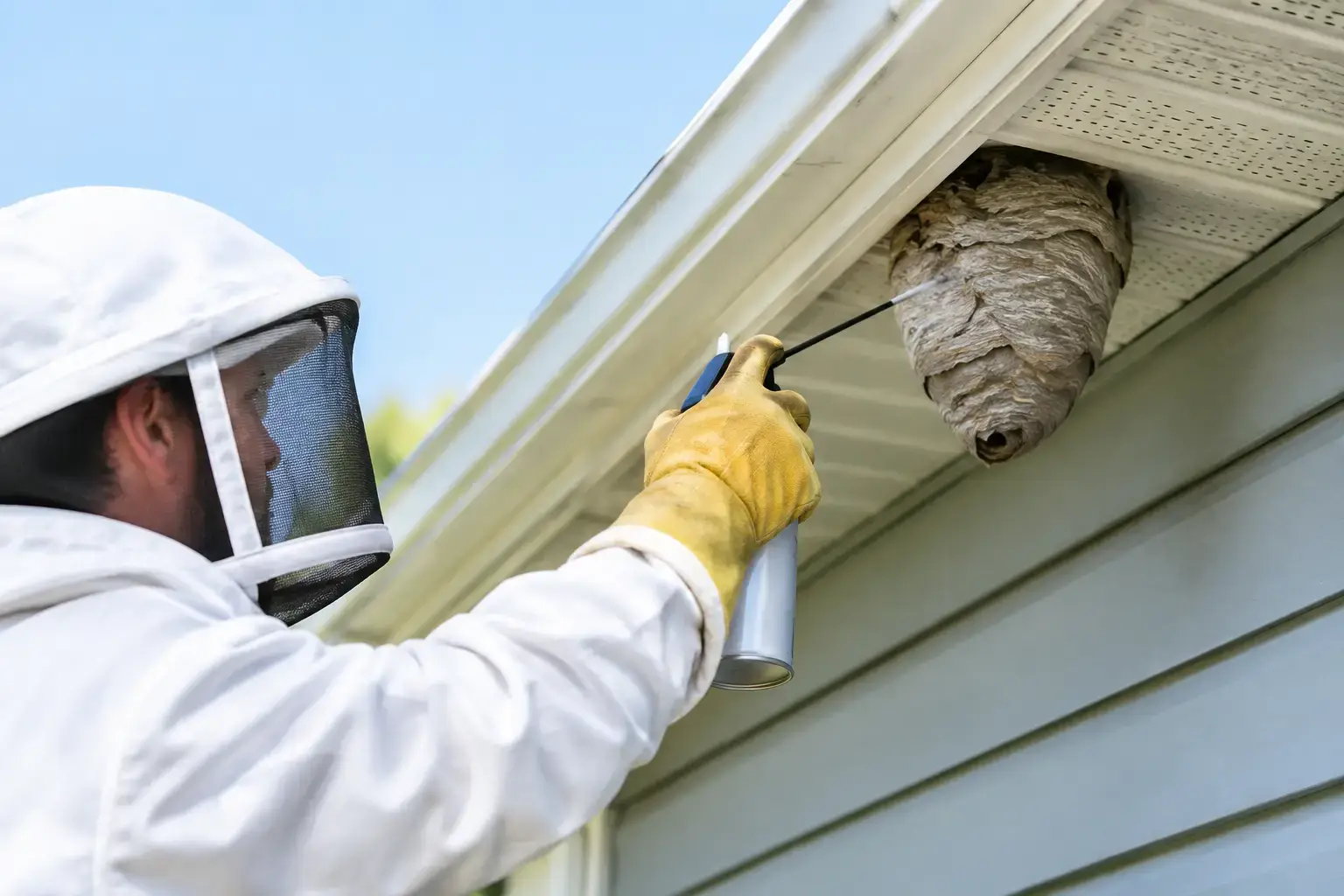
Learn how to remove wasps safely, recognize high-risk nests, and prevent repeat activity around your Utah home, rental property, or business quickly.
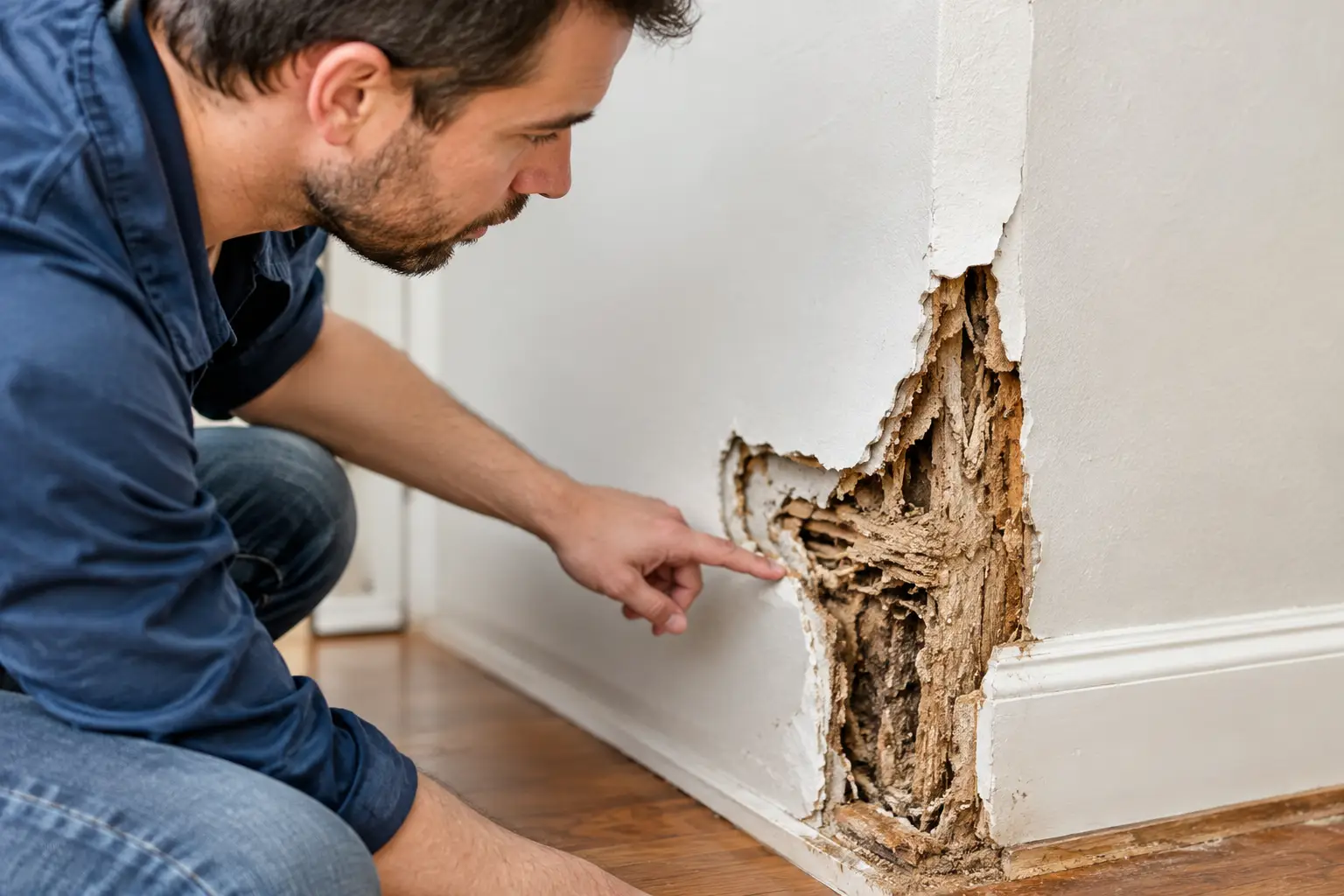
Learn the termite damage signs that merit a professional inspection, from mud tubes and hollow wood to stuck doors, bubbling paint, and swarmers indoors.