A pest inspection is often most valuable before you see a pest in plain sight. A single ant trail, a few droppings in a utility room, or scratching near the attic may be the visible part of a larger issue. For Utah homeowners and property managers, a thorough inspection turns those early clues into a clear plan to protect the people, structure, and reputation connected to the property.
What Happens During a Pest Inspection?
A professional inspection is not simply a quick look around the kitchen. The technician evaluates where pests are active, what may be attracting them, how they are getting inside, and whether conditions on the property could support a growing infestation.
The process usually begins with a conversation. You may be asked where you have seen activity, when it occurs, whether it has changed over time, and what treatments or repairs have already been attempted. For a commercial or multi-family property, the discussion should also cover affected units, trash handling, maintenance history, tenant reports, and areas with frequent turnover.
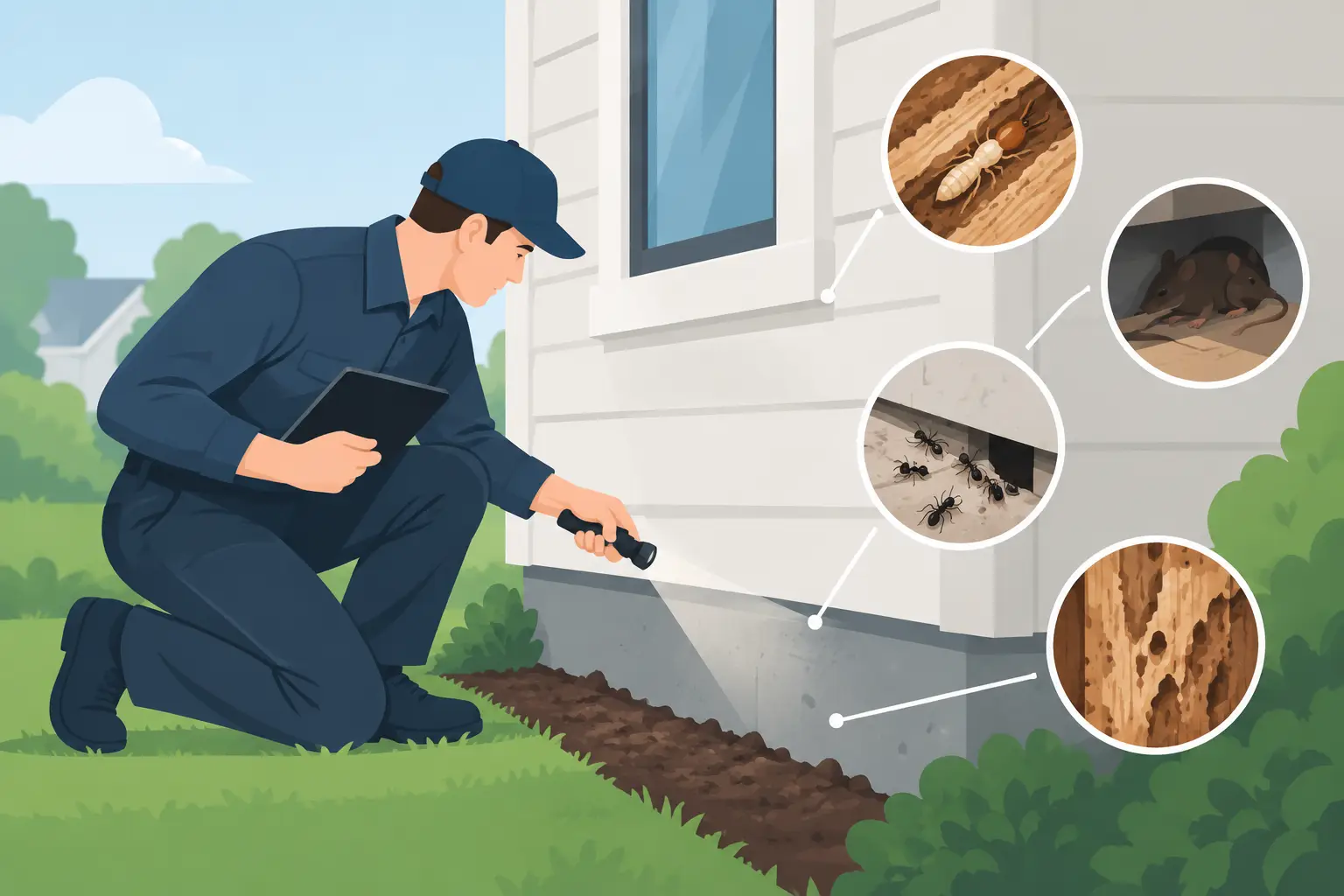
From there, the inspection moves through the parts of the property where pests live, travel, feed, or enter. That can include kitchens, bathrooms, basements, crawl spaces, garages, mechanical rooms, storage areas, attics, exterior foundations, landscaping, dumpsters, and shared utility spaces. The right scope depends on the pest concern and the size of the property. A single-family home and a large apartment community do not need the same inspection plan.
Technicians look for direct evidence such as live insects, droppings, shed skins, egg cases, nests, gnaw marks, webbing, damaged insulation, and moisture. They also look for the conditions that explain why pests are there. A small gap around a pipe, a leaking fixture, an overgrown shrub against the foundation, or a poorly sealed loading area can be just as useful to identify as the pest itself.
Why Early Pest Inspections Save More Than Money
Pests rarely announce themselves at the beginning of a problem. Cockroaches often remain hidden near warmth, water, and food sources. Rodents may travel inside walls or above ceilings. Spiders can settle into undisturbed storage areas and exterior harborage spots. By the time activity becomes obvious, the population or underlying access issue may be more established.
Early detection can reduce the need for broader treatment and help prevent damage to food, insulation, wiring, stored belongings, or building finishes. It can also protect everyday comfort. No family wants to wonder what is moving behind the dishwasher, and no tenant wants recurring pest sightings to become part of their experience at home.
For businesses and multi-family properties, the stakes can be even higher. Pest activity can trigger tenant complaints, disrupt operations, complicate maintenance schedules, and affect public perception. One untreated source area can lead to repeated reports in nearby units. A property-wide assessment helps identify whether the concern is isolated or tied to shared conditions such as utility penetrations, trash areas, landscaping, or common walls.
Areas That Deserve Close Attention
Every inspection is property-specific, but certain areas regularly reveal the source of pest problems. Inside, kitchens and bathrooms deserve careful attention because food residue, plumbing, condensation, and clutter can create favorable conditions. Under sinks, behind appliances, around floor drains, and near water heaters are common hiding places for many pests.
Garages, storage rooms, basements, and crawl spaces are also easy to overlook. Cardboard boxes, stored fabrics, pet food, and rarely moved items provide cover and potential food sources. In Utah, seasonal temperature changes can make sheltered indoor and semi-enclosed spaces especially attractive to pests seeking stable conditions.
Outside, a technician may inspect the foundation, doors, window screens, vents, rooflines, and areas where utilities enter the building. Even a narrow opening can allow certain pests indoors. Vegetation touching the structure, standing water, loose debris, and unmanaged trash areas can create a bridge between outdoor pest activity and the building.
For apartment buildings and other multi-family communities, common areas matter just as much as individual units. Laundry rooms, maintenance closets, compactor rooms, hallways, utility chases, and vacant units can connect activity across the property. Treating only the unit where a pest was spotted may provide temporary relief, but it may not address the route or source.
Inspection Findings Should Lead to a Practical Plan
An inspection should leave you with more than a pest name. You should understand the level of activity, the likely source, the areas at risk, and the next steps recommended for your property.
Sometimes the answer is focused treatment for an active infestation. In other cases, exclusion work, sanitation adjustments, moisture correction, or recurring prevention is the better long-term solution. A good recommendation accounts for the property itself rather than forcing every home or business into the same service package.
That is particularly important with cockroaches. Seeing one cockroach does not always tell the whole story, but it is worth taking seriously. The inspection should help determine whether the activity is occasional, localized, or established in hidden areas. In multi-family settings, the technician may need to evaluate neighboring units or shared systems to reduce the chance of reintroduction.
The same principle applies to rodents. Sealing entry points without addressing an active population may not solve the immediate issue. On the other hand, repeated trapping without correcting access points can create a cycle of temporary results. Effective pest management combines the right treatment with the right prevention steps.
When Should You Schedule an Inspection?
Schedule an inspection promptly when you see repeated pest activity, droppings, damage, unusual odors, nesting material, or signs that pests may be entering through the exterior. It also makes sense after moving into a property, before a major renovation, when preparing a rental unit for new tenants, or when a business has a recurring concern in a food, storage, or customer-facing area.
Prevention inspections are useful even when there is no active infestation. They can identify conditions that are easy to correct now but expensive to ignore later. For example, repairing a screen, sealing a foundation gap, improving trash-area practices, or resolving a moisture issue can make a meaningful difference before pest pressure increases.
Season matters, but waiting for a particular season is not always wise. Different pests become more noticeable at different times of year, and indoor activity can continue year-round. If something seems unusual, an inspection gives you facts instead of guesses.
How to Prepare Without Overthinking It
You do not need to deep-clean your entire property before a technician arrives. In fact, evidence of activity can help the inspection. Simply make key areas accessible when possible, especially under sinks, around appliances, in garages, storage rooms, and near the places where you have noticed pests.
Write down what you have seen and where. Photos can be helpful, particularly if the pest appears at night or intermittently. For property managers, gathering maintenance notes and tenant reports ahead of time can help show patterns across units or buildings.
Avoid using several store-bought products right before the inspection if you can. They may scatter pests, reduce visible evidence, or make it harder to identify activity patterns. If you have already used a product, tell the technician what it was and where it was applied. Clear information supports a safer, more accurate treatment plan.
Choosing a Service Partner for Homes and Properties
Look for a provider that explains findings in plain language and does not treat every concern as identical. The right team should ask about your property size, layout, pest history, and goals, then recommend a scope that makes sense for the situation.
For a home, that may mean a prevention plan built around family safety and reliable protection. For a multi-family or commercial property, it may mean coordinated inspections, unit-specific treatment, common-area service, documentation, and follow-up. Responsiveness matters in both cases, but it is especially important when tenant comfort, occupancy, or business operations are involved.
Pest Xperts approaches service with that property-specific mindset, helping Utah homes, businesses, and multi-family properties address active pest problems while reducing the conditions that invite pests back.
A pest problem does not need to become a disruption before you act. When something feels off, a careful inspection can replace uncertainty with a practical next step and help keep your property comfortable, protected, and ready for the people who depend on it.
continue reading
Related Posts
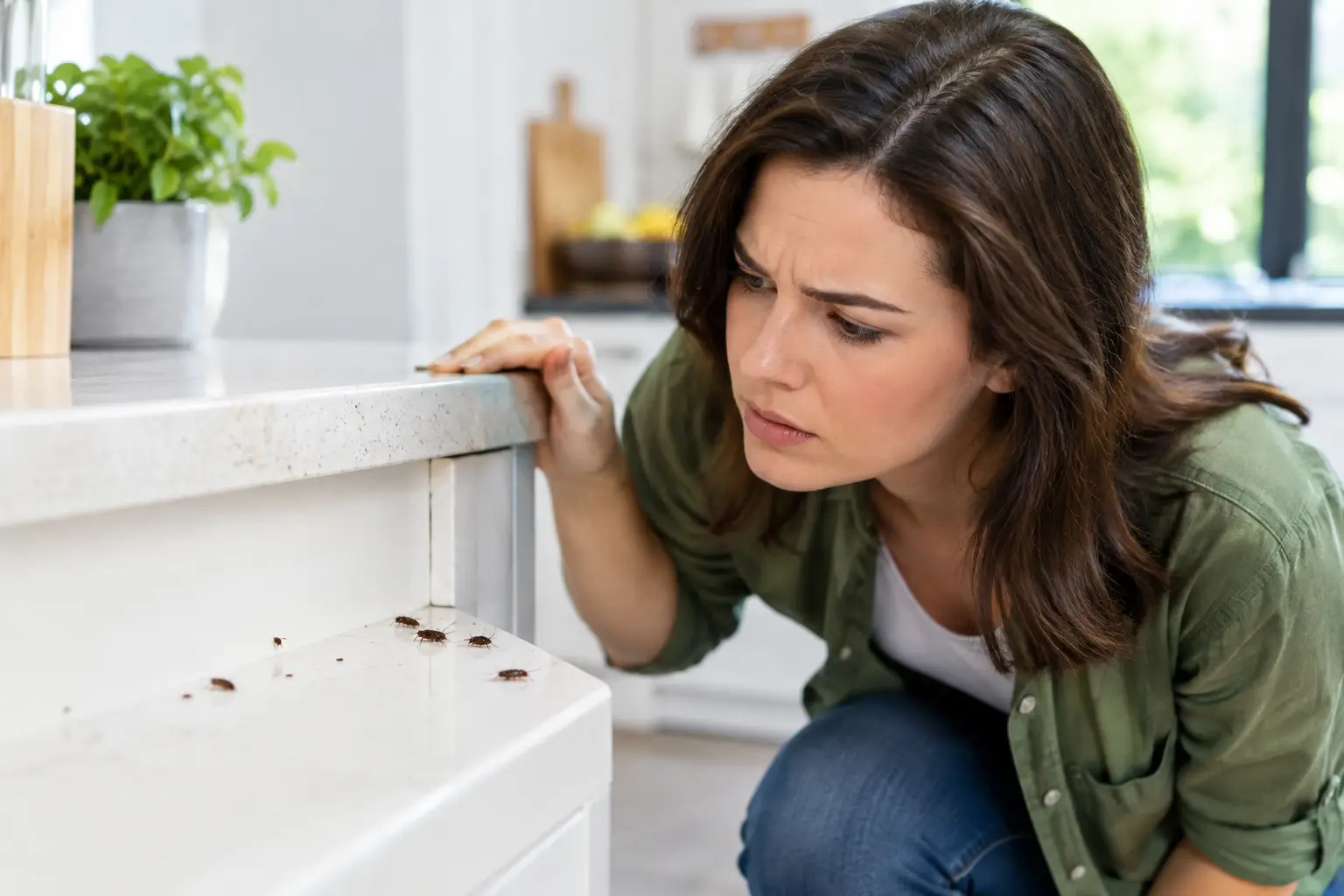
A pest outbreak can move fast through homes and properties. Learn warning signs, smart first steps, and when treatment protects people and buildings safely.
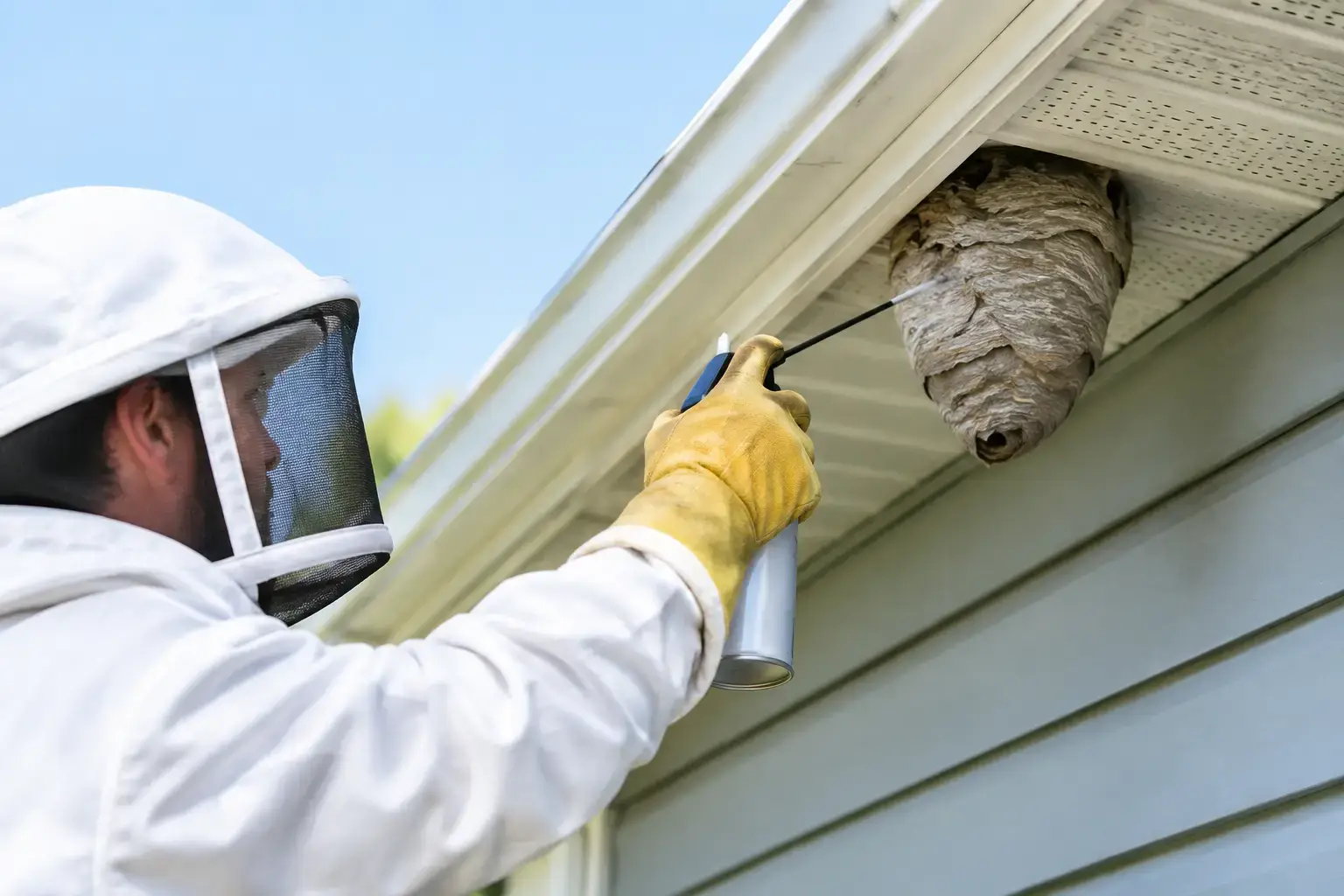
Learn how to remove wasps safely, recognize high-risk nests, and prevent repeat activity around your Utah home, rental property, or business quickly.
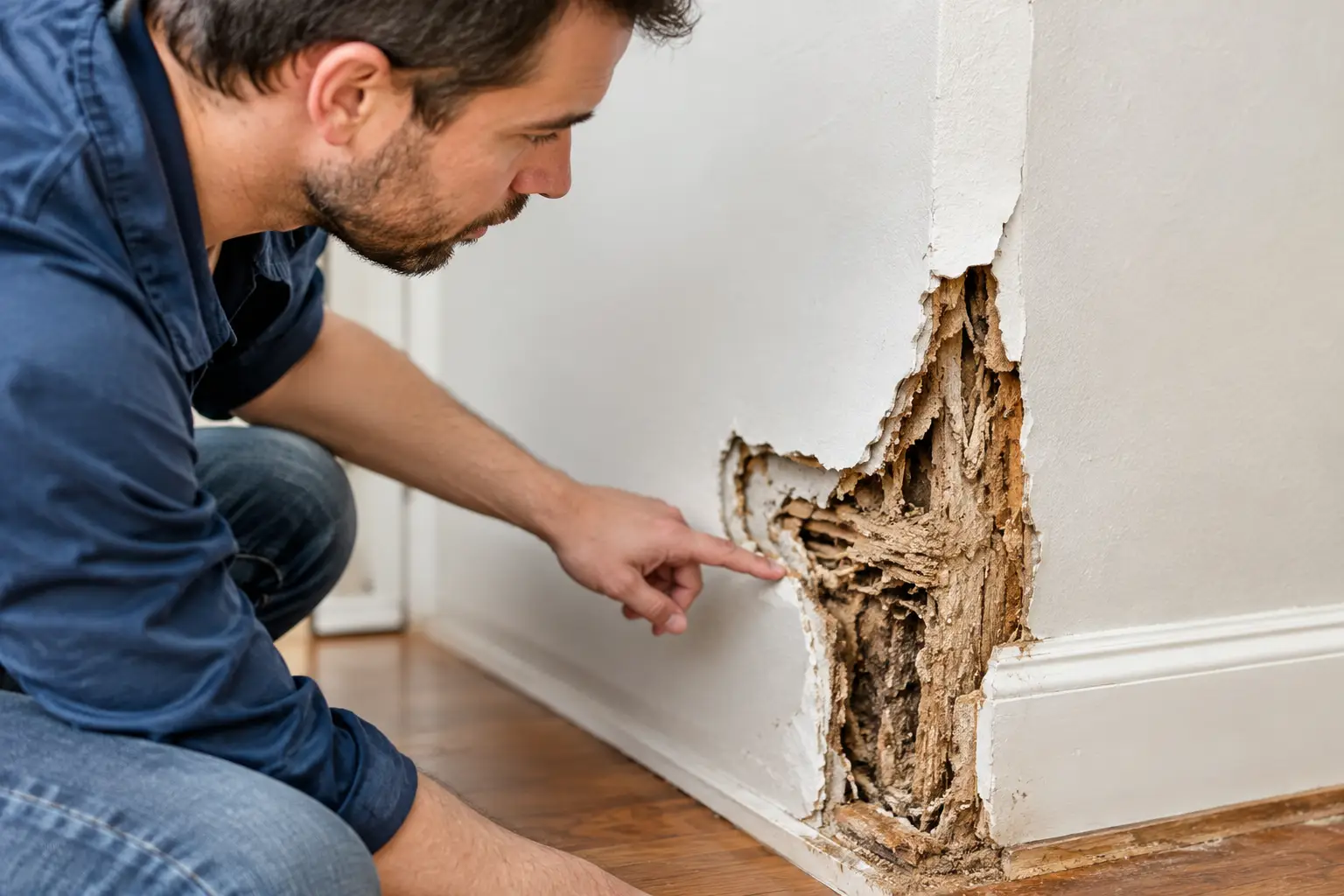
Learn the termite damage signs that merit a professional inspection, from mud tubes and hollow wood to stuck doors, bubbling paint, and swarmers indoors.