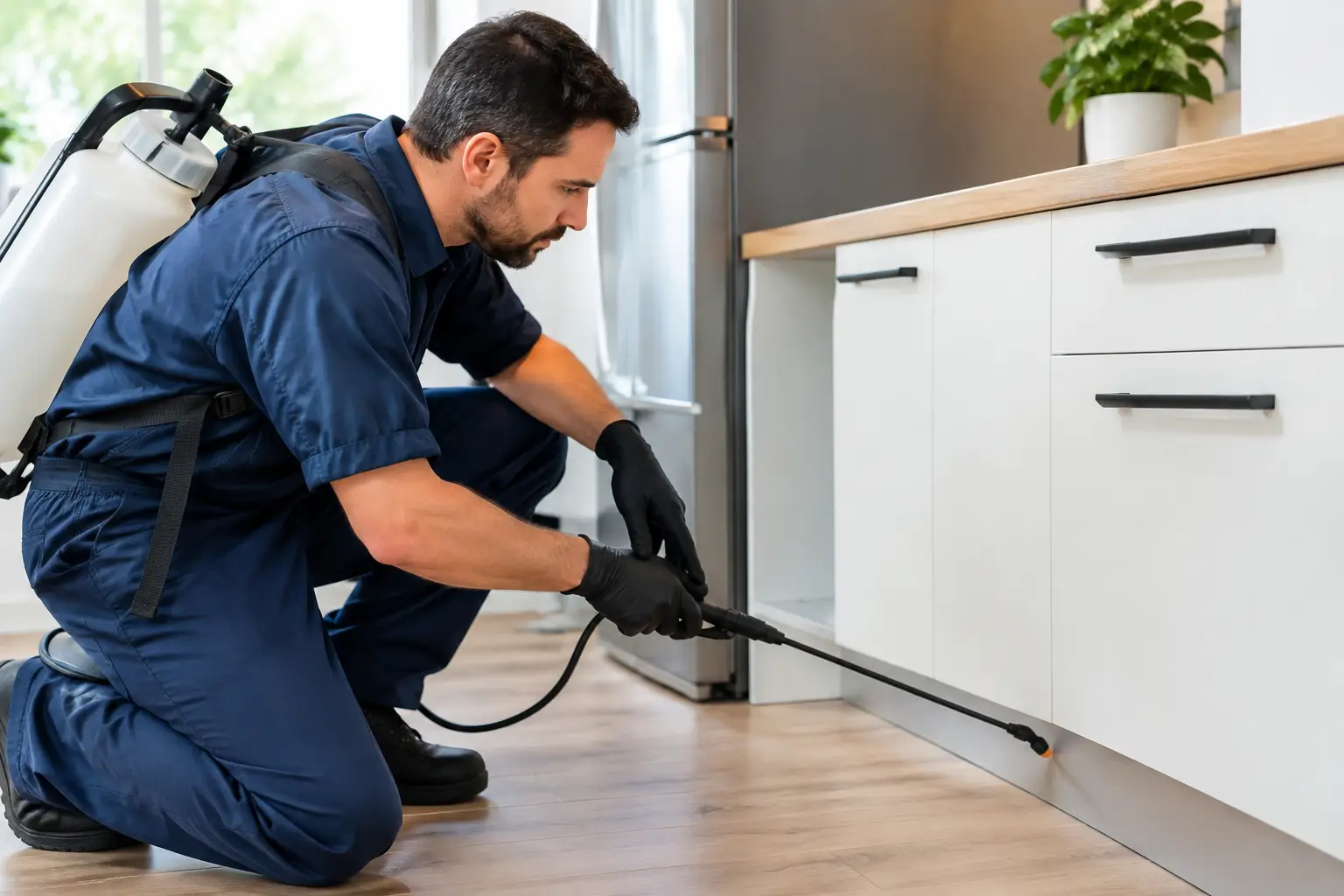
A tenant spots cockroaches under the kitchen sink, hears scratching in a wall, or finds fresh rodent droppings near the water heater. That is not a maintenance request to leave sitting in an inbox. When landlords address infestations quickly and methodically, they protect residents, prevent wider property damage, and avoid a small pest issue turning into a building-wide problem.
For Utah landlords and multi-family property managers, the right response is rarely just spraying a visible insect or setting a single trap. Effective pest control starts with clear communication, a timely inspection, and a plan that treats both the active problem and the conditions allowing it to continue.
Why timing matters when landlords address infestations
Pests do not wait for a convenient maintenance window. Cockroaches can spread through shared walls, plumbing penetrations, and utility spaces. Rodents may chew wiring, contaminate stored items, and use openings around foundations or pipes to move indoors. Bed bugs can travel between units on furniture, bags, and clothing. Even ants can become a recurring problem when moisture and food sources remain available.
A delayed response can affect more than one apartment. It can lead to frustrated tenants, repeated complaints, vacancy concerns, and higher treatment costs once the pest population expands. In commercial and multi-family properties, it may also put added pressure on onsite staff who are trying to manage resident expectations without a clear treatment timeline.
Fast action does not mean guessing. It means acknowledging the report, gathering useful details, and arranging a professional assessment before the issue has room to grow.
Start with a clear report and a prompt inspection
The first report should be taken seriously, even if a tenant has only seen one pest. A single cockroach may indicate a larger hidden population. One mouse can point to an accessible entry point and a nearby nesting area. At the same time, not every report requires the same level of treatment. Accurate identification matters.
Ask residents where and when they saw the activity, how often it has occurred, and whether they have noticed signs such as droppings, damage, odors, shed skins, bites, or nests. Photos can be helpful when available, but tenants should not be expected to identify the pest on their own.
A qualified inspection should look beyond the reported room. In a multi-family setting, that can include adjacent units, shared utility areas, trash locations, exterior access points, and spaces around plumbing. The goal is to find the source, understand the pest’s movement, and determine whether the issue is isolated or connected to a larger property condition.
Avoid treating every complaint the same way
A one-time ant trail near a window may call for a different approach than ongoing cockroach activity in several kitchens. Likewise, a rodent issue caused by a gap near a utility line cannot be solved with indoor trapping alone. Treatment should fit the pest, the extent of activity, the building layout, and the conditions found during inspection.
This is why property-specific pest management is more effective than a one-size-fits-all service. Building size, unit density, sanitation practices, landscaping, trash handling, and maintenance needs all affect the right treatment scope.
Know where responsibilities may overlap
Responsibility for pest control can depend on the lease, the source of the problem, local housing requirements, and the property’s condition. In general, landlords are expected to provide habitable housing and address conditions tied to the building, such as structural gaps, plumbing leaks, or recurring pest activity that affects multiple units. Tenants also have a role in keeping their homes reasonably clean, reporting issues promptly, and preparing for service when requested.
The practical reality is that blame should not delay action. A property manager may need to address a maintenance issue while a resident follows preparation instructions. If clutter, food storage, pet food, or improper trash disposal is contributing to the problem, clear and respectful communication can help correct those conditions without turning treatment into a conflict.
Keep records of tenant reports, inspections, maintenance work, treatment dates, and follow-up findings. Good documentation helps everyone understand what was found, what was done, and what still needs attention. It also creates consistency when multiple residents or staff members are involved.
Treat the cause, not just the sighting
Visible pests are often the symptom. The real solution may require exclusion work, moisture correction, sanitation improvements, and targeted treatments working together.
For example, cockroach control may involve treating active harborage areas, reducing access to food and water, sealing gaps around plumbing, and monitoring nearby units. Rodent control often requires identifying entry points, securing exterior openings, improving waste management, and placing control measures where they can be monitored safely. For occasional invaders such as spiders or ants, exterior prevention and sealing can reduce the chance of repeated indoor activity.
A successful plan should answer a few practical questions: Where are the pests entering or living? What is sustaining them? Which areas need treatment now? What property repairs or resident actions will reduce future activity? And when should the property be checked again?
Preparation is part of the treatment
Residents should receive straightforward instructions before service. Depending on the pest, preparation may include emptying cabinets, clearing access beneath sinks, laundering bedding, moving furniture away from walls, or securing food and pet bowls. Instructions should be specific enough to follow without creating unnecessary stress.
Landlords and managers should also coordinate access. Missed units can weaken a multi-unit treatment plan, especially when pests can move through walls or shared utility lines. Give reasonable notice, explain why access is needed, and provide a contact point for questions or scheduling conflicts.
Communicate without creating panic
Pest reports can make tenants worry that a building is unsafe or that management is ignoring them. Silence makes that concern worse. A brief, professional update can go a long way: confirm that the report was received, explain the next step, share any required preparation, and let the resident know when follow-up is expected.
For a larger multi-family issue, communication should be factual and focused. Residents do not need every operational detail, but they should know what they need to do and how the property is responding. Avoid language that assigns fault before the facts are known. The priority is protecting residents and getting the issue under control.
After service, tell residents what they may see. Some pest activity can continue briefly as treatments take effect or as pests are driven from hiding places. Clear expectations reduce unnecessary alarm and help residents recognize when they should report continued activity.
Build prevention into regular property care
The best time to address an infestation is before tenants see one. Recurring prevention is especially valuable for multi-family properties, where a small issue in one unit can affect neighboring homes. Regular service allows technicians and property teams to catch early signs, monitor known pressure points, and adjust treatments as seasons and conditions change.
Prevention also depends on routine maintenance. Repair leaking pipes and faucets promptly. Seal gaps around utility penetrations, doors, windows, vents, and foundations. Keep dumpsters and trash areas clean and properly closed. Trim vegetation away from structures where possible, and avoid storing clutter against exterior walls.
Inside units, simple resident guidance can help: store food in sealed containers, clean up spills, report water leaks, avoid leaving pet food out overnight, and notify management at the first sign of pests. These habits do not replace professional service, but they make professional treatment more effective.
When professional help is the right next step
DIY products may appear to solve a minor issue, but they can miss nesting areas, push pests deeper into walls, or create inconsistent results across multiple units. This is particularly risky with cockroaches, rodents, bed bugs, and recurring infestations. A professional pest management provider can identify the pest, assess the property, use treatments appropriate for the environment, and recommend prevention measures based on the actual site.
For landlords and property managers, look for a provider that understands multi-family operations, works with your access and communication needs, and can tailor service to the size and layout of the property. Pest Xperts provides consultation-led pest management for Utah homes and multi-family properties, with treatment plans built around the issue rather than a generic package.
A prompt report, a thorough inspection, and consistent follow-through protect more than the building. They show tenants that their home matters. If pest activity has been reported at your property, the most helpful next move is to schedule an assessment and start solving the conditions behind it.
continue reading
Related Posts
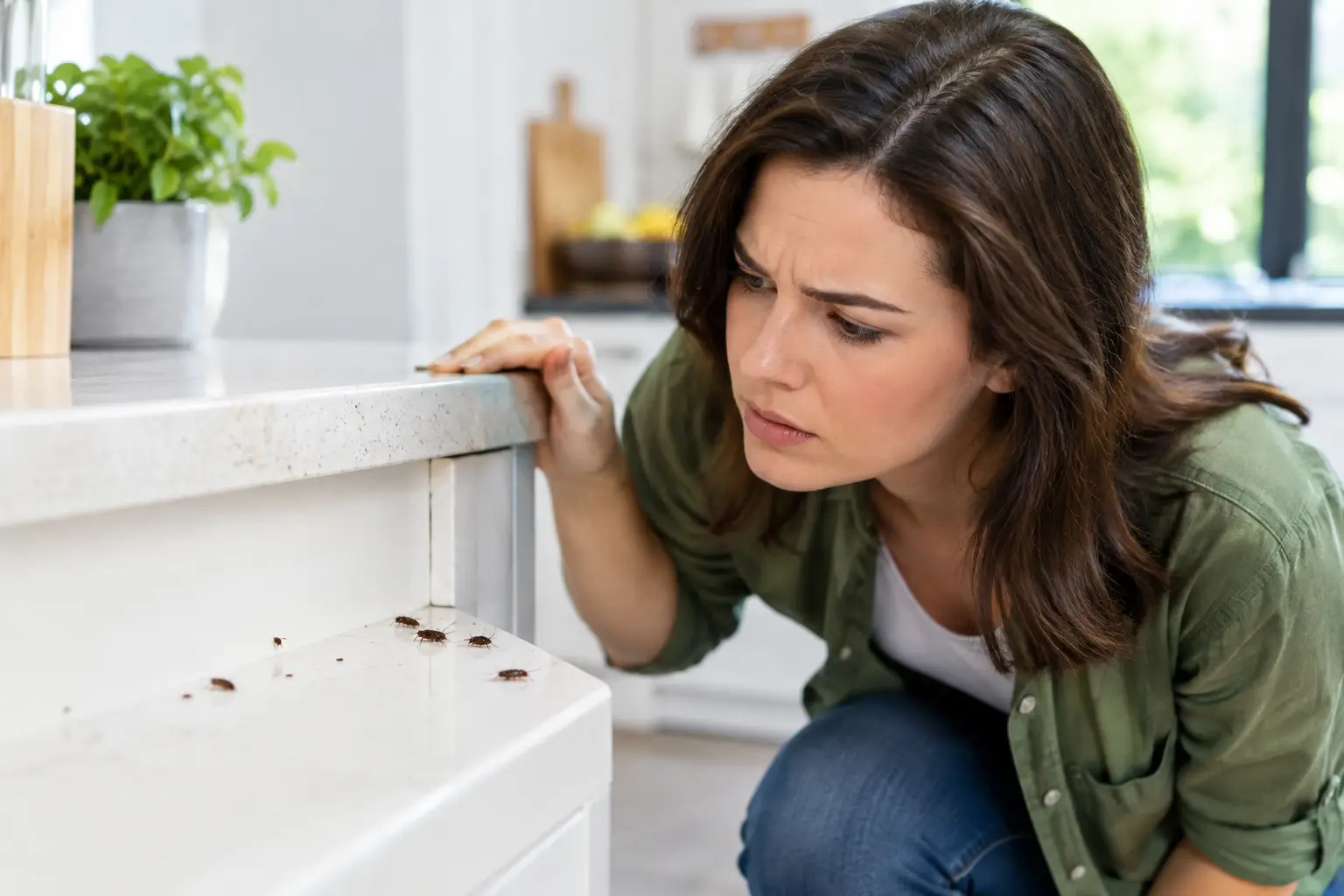
A pest outbreak can move fast through homes and properties. Learn warning signs, smart first steps, and when treatment protects people and buildings safely.
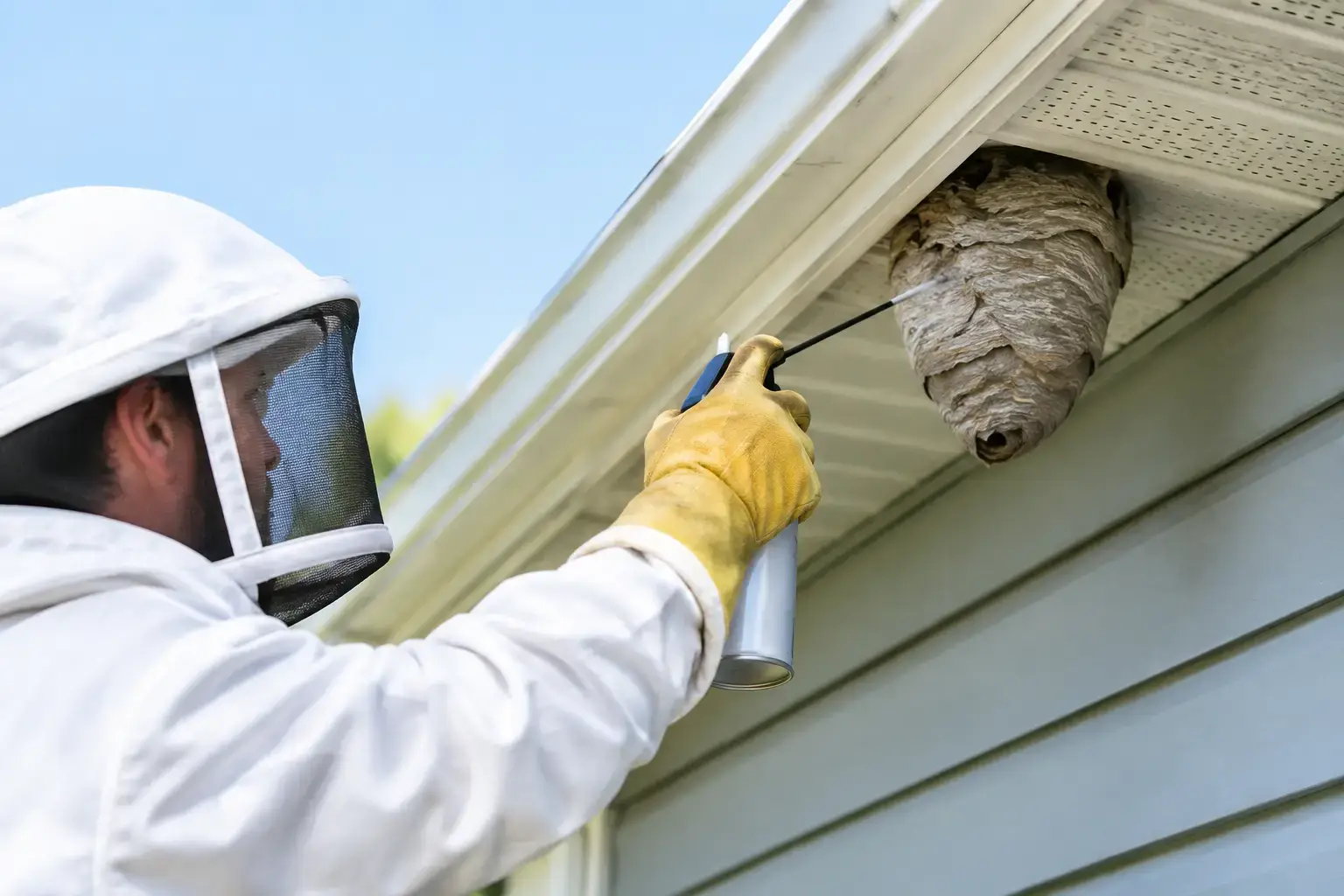
Learn how to remove wasps safely, recognize high-risk nests, and prevent repeat activity around your Utah home, rental property, or business quickly.
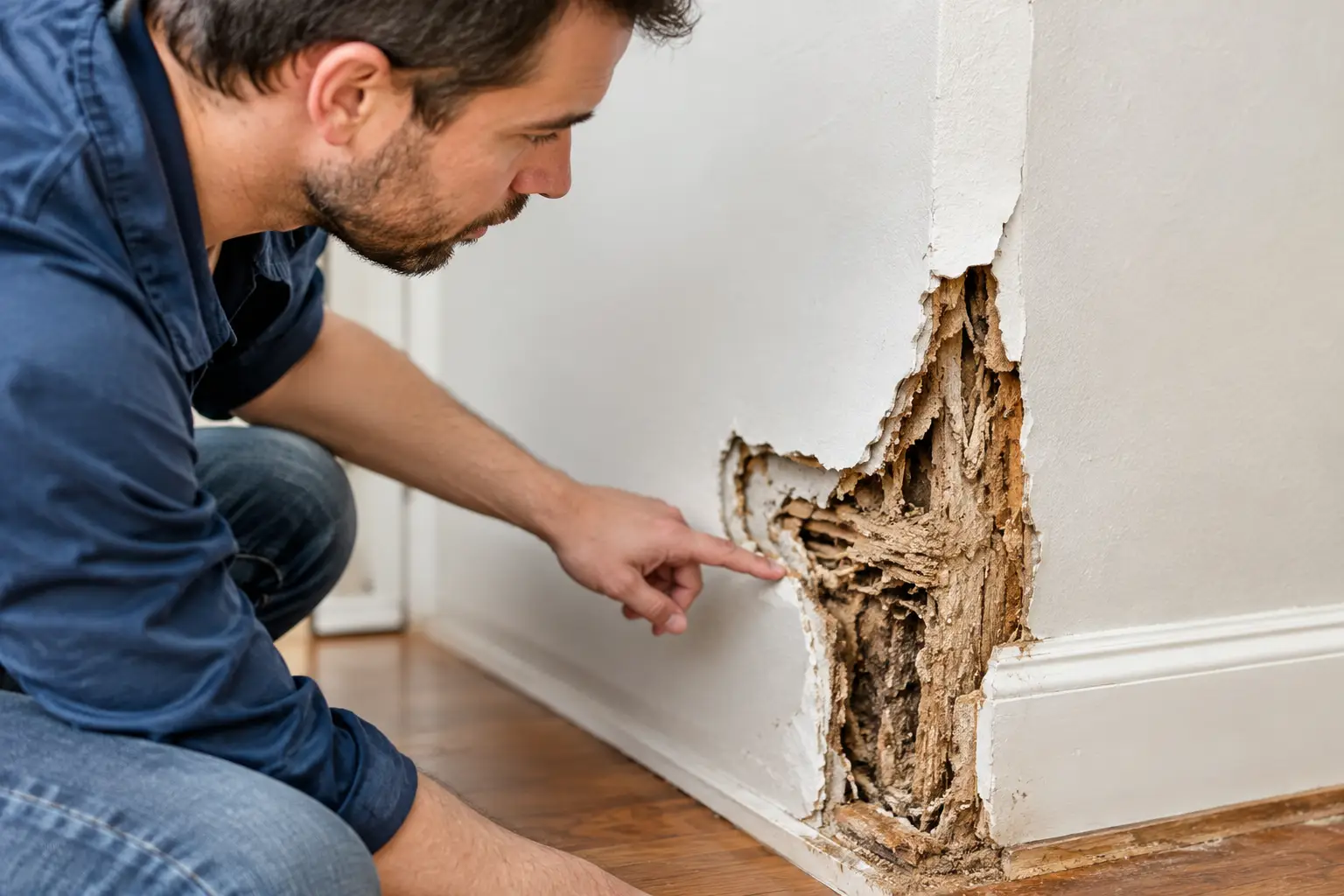
Learn the termite damage signs that merit a professional inspection, from mud tubes and hollow wood to stuck doors, bubbling paint, and swarmers indoors.