
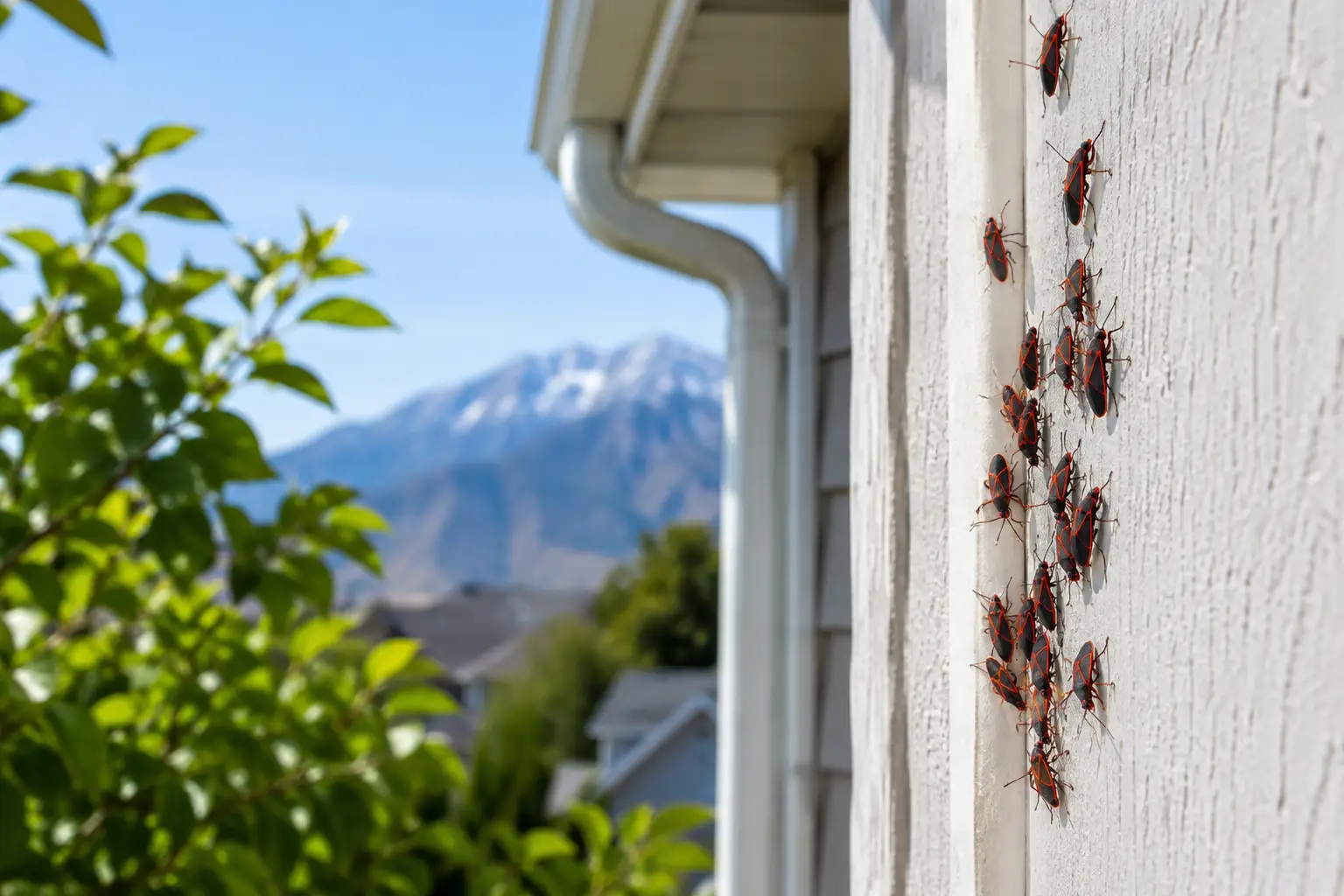
When boxelder bugs gather by the dozens on a sunny exterior wall, they can make a well-kept home feel suddenly invaded. Effective boxelder bug prevention starts before those insects find the narrow gaps around windows, doors, siding, and utility lines that lead indoors. For Utah homeowners, the most productive approach is a combination of exterior exclusion, seasonal timing, and targeted treatment when populations are heavy.
Boxelder bugs are primarily a nuisance pest. They do not damage the structure of a home, bite people, or reproduce indoors. Still, they can stain curtains and walls when crushed, create an unpleasant odor, and appear in frustrating numbers around south- and west-facing parts of a property. The goal is to stop them outside, where control is simpler and more effective.
Why Boxelder Bugs Target Homes in Fall
Boxelder bugs spend much of the warmer season outdoors, feeding on seeds from female boxelder trees and, at times, other maple trees. As late summer shifts into fall, cooler nights signal that it is time to seek sheltered places to overwinter. Your home can offer exactly what they need: warm sun during the day and protected cracks once temperatures drop.
In communities along the Wasatch Front, the pattern is familiar. A home may seem clear one week, then have clusters of red-and-black bugs on siding, around window frames, beneath soffits, or near foundation walls the next. They are not necessarily coming from a dirty home or an indoor infestation. They are following warmth and finding accessible openings.
That distinction matters. Spraying bugs after they have entered may reduce the immediate annoyance, but it does not solve the conditions that allowed them inside. Prevention focuses on closing those pathways before fall activity peaks.
Boxelder Bug Prevention Begins With Exclusion
Small gaps around a house can create a big pest issue. Boxelder bugs can work their way through openings that may be easy to overlook during a quick walk around the property. A careful exterior inspection is one of the best investments a homeowner can make before the fall migration begins.
Start with doors and windows. Replace worn weatherstripping, repair loose sweeps at the bottom of exterior doors, and make sure screens fit tightly without tears. Check window frames for failed caulk, especially on older homes where expansion and weather have opened small seams. Pay attention to basement windows, which are often less frequently used and more likely to have damaged screens or gaps around the frame.
Next, inspect the places where utility lines, pipes, cable, and air-conditioning components enter the home. Seal small openings with appropriate exterior-grade caulk. Larger gaps may require a more durable material or professional repair, particularly if the opening involves siding, masonry, or a vent. Weatherproofing should not block necessary drainage or ventilation, so use care around roof, attic, dryer, and appliance vents.
Damaged siding, loose trim, gaps beneath fascia boards, and cracks near the foundation deserve attention too. Boxelder bugs commonly gather on sun-warmed exterior surfaces, giving them plenty of time to locate an opening nearby. Sealing those vulnerable areas helps with more than boxelder bugs. It can also reduce entry points for spiders, ants, earwigs, and other occasional invaders.
Manage the Outdoor Conditions That Attract Them
Trees are part of the equation, but tree removal is not always the right answer. Boxelder trees provide shade and can be valuable parts of a landscape, even if they contribute to seasonal bug activity. Removing a mature tree solely because of boxelder bugs may be costly and unnecessary when exclusion and exterior treatment can address the problem.
If a property has a female boxelder tree that produces large quantities of seed pods and is located close to the home, a conversation with a qualified arborist may be worthwhile. That is especially true if the tree is unhealthy, dropping branches, or already under consideration for removal. However, boxelder bugs may still be present in the neighborhood, so removing one tree does not guarantee they will disappear.
Keep leaves, seed pods, and other landscape debris cleared from around the foundation when practical. This will not eliminate boxelder bugs on its own, but it reduces sheltered areas near the house and makes inspections easier. Firewood, stacked materials, and dense clutter should also be kept away from exterior walls when possible.
Outdoor lighting is not a primary cause of boxelder bug activity, but a bright entry light can make an already busy doorway more noticeable. If insects routinely collect around an entrance, consider using warmer-toned bulbs and make sure the door seal is in good condition.
Time Exterior Treatments Before the Bugs Move In
Timing makes a major difference. Exterior pest treatments are most useful when applied while boxelder bugs are still gathering on the outside of the home, not after they have established themselves in wall voids or interior rooms. For many Utah properties, that means monitoring activity from late summer into early fall.
A professional treatment plan may focus on likely resting and entry areas, such as exterior walls with heavy sun exposure, window and door perimeters, soffits, eaves, siding gaps, and foundation zones. The right scope depends on the building’s size, construction, nearby trees, and the level of activity. A single-family home, a townhome community, and a multi-family property may require very different strategies.
Avoid relying on broad, repeated do-it-yourself insecticide applications. Applying too much product or using it in the wrong location can create unnecessary exposure for children, pets, and beneficial insects without delivering lasting results. If bugs are gathering heavily each fall, a pest professional can identify the pressure points and apply treatment where it has the most value.
For property managers, early planning is especially useful. Boxelder bugs can become a tenant-service issue when they gather around common entrances, patios, stairwells, and sunny building elevations. Addressing exterior conditions before resident complaints begin is usually easier than responding to calls once insects are inside multiple units.
What to Do If Boxelder Bugs Are Already Indoors
If a few boxelder bugs have made it inside, the simplest answer is usually a vacuum. Use a hose attachment to remove them from windowsills, walls, and floors, then empty the canister or dispose of the bag promptly. Avoid crushing them against painted surfaces, carpet, drapes, or upholstery because they can leave marks and release an odor.
Do not expect indoor sprays to solve the larger problem. The insects you see may be emerging from hidden spaces after finding shelter earlier in the season. Treating visible bugs may provide temporary relief, but sealing exterior access points is what reduces future sightings.
If you see large numbers indoors, especially around the same window, door, or wall area, treat it as a clue. Look outside that location for missing caulk, loose trim, torn screens, or gaps around a fixture. A recurring pattern often points to a specific entry route.
When Professional Help Makes Sense
A few boxelder bugs on the outside of a home are normal during seasonal changes. Professional service becomes more valuable when activity is widespread, the same issue returns every year, or the bugs are entering living spaces in noticeable numbers. It is also helpful when the exterior has difficult-to-reach eaves, complex siding, multiple units, or areas where sealing work needs a trained eye.
Pest Xperts can assess the size of the property, likely entry points, and seasonal pest pressure to recommend a prevention plan that fits the site. For homes and multi-family properties, the best plan balances effective exterior control with careful attention to the people, pets, and tenants who use the space.
A quiet fall day is a good time to walk the outside of your home, look closely at the sunny walls, and fix the small gaps before they become a winter hiding place. A little attention before the first big cluster arrives can keep boxelder bugs where they belong: outdoors.
continue reading
Related Posts
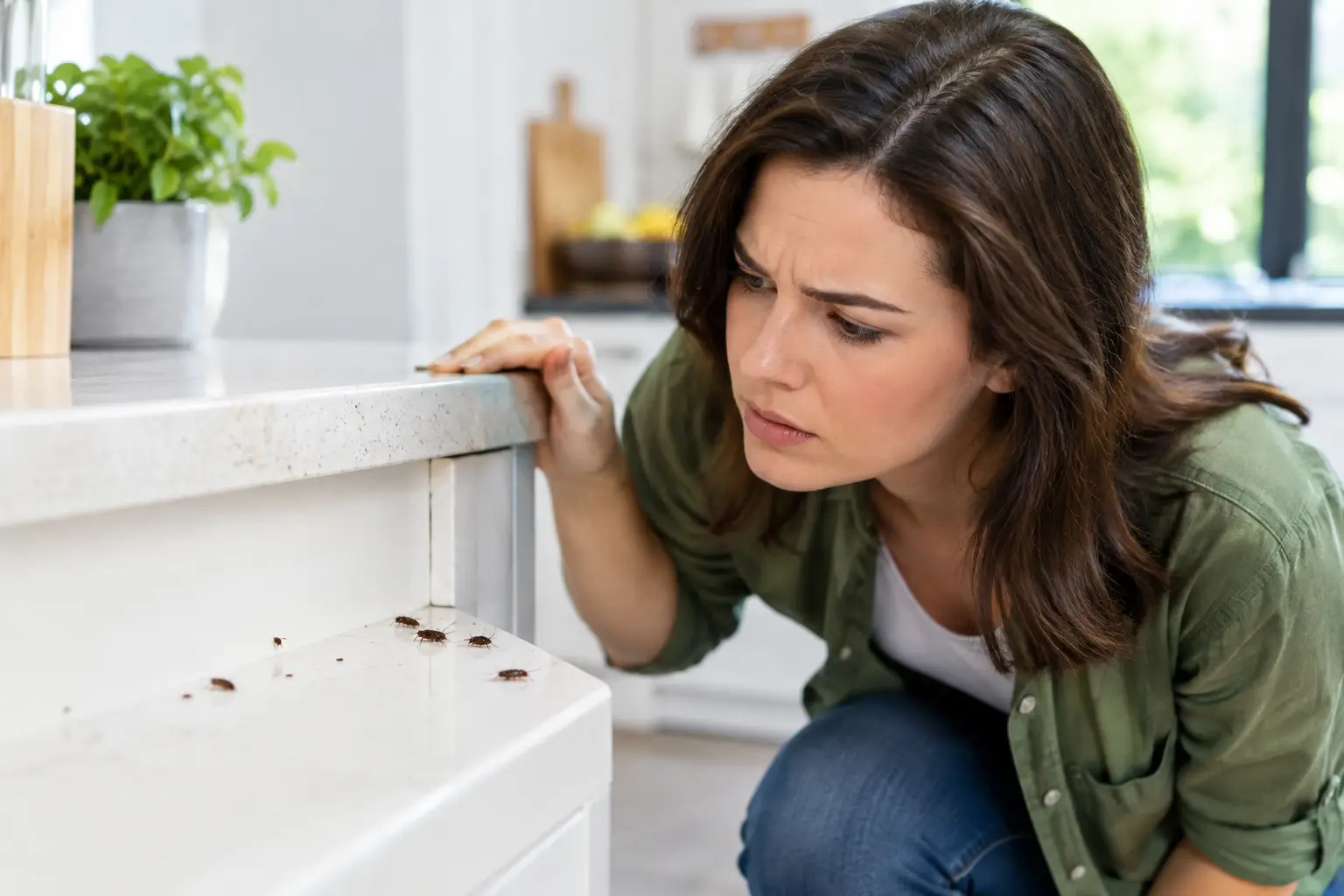
A pest outbreak can move fast through homes and properties. Learn warning signs, smart first steps, and when treatment protects people and buildings safely.
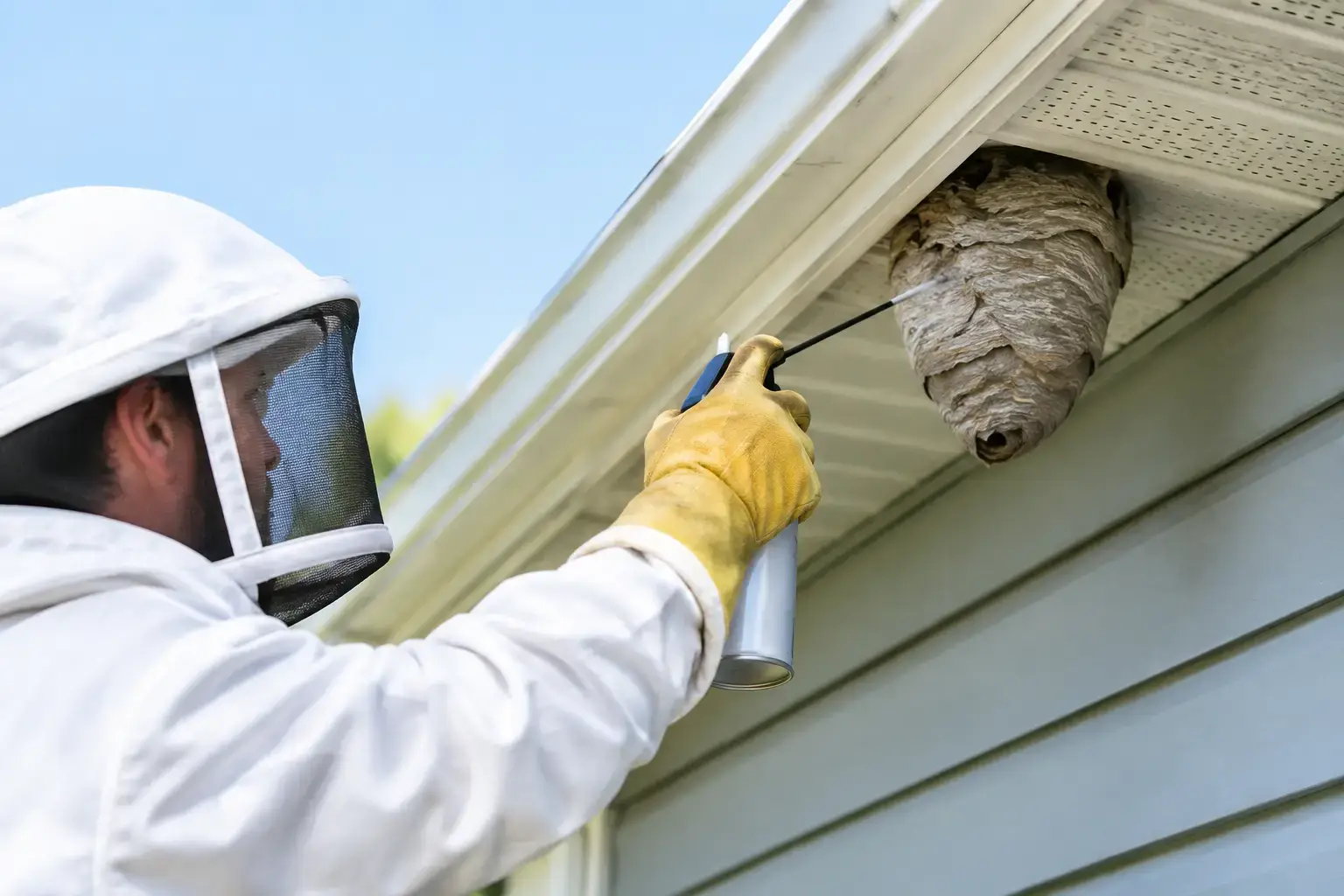
Learn how to remove wasps safely, recognize high-risk nests, and prevent repeat activity around your Utah home, rental property, or business quickly.
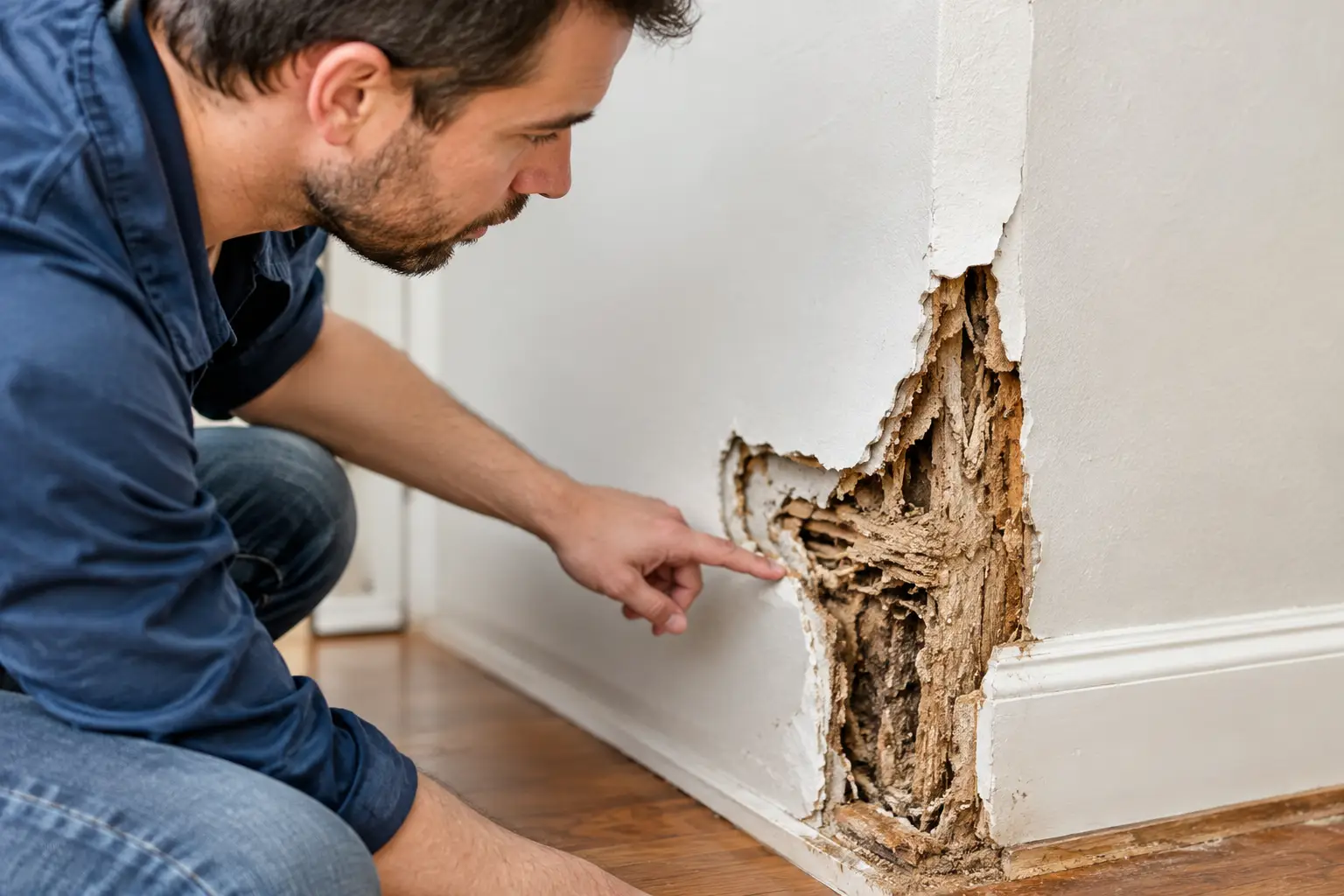
Learn the termite damage signs that merit a professional inspection, from mud tubes and hollow wood to stuck doors, bubbling paint, and swarmers indoors.