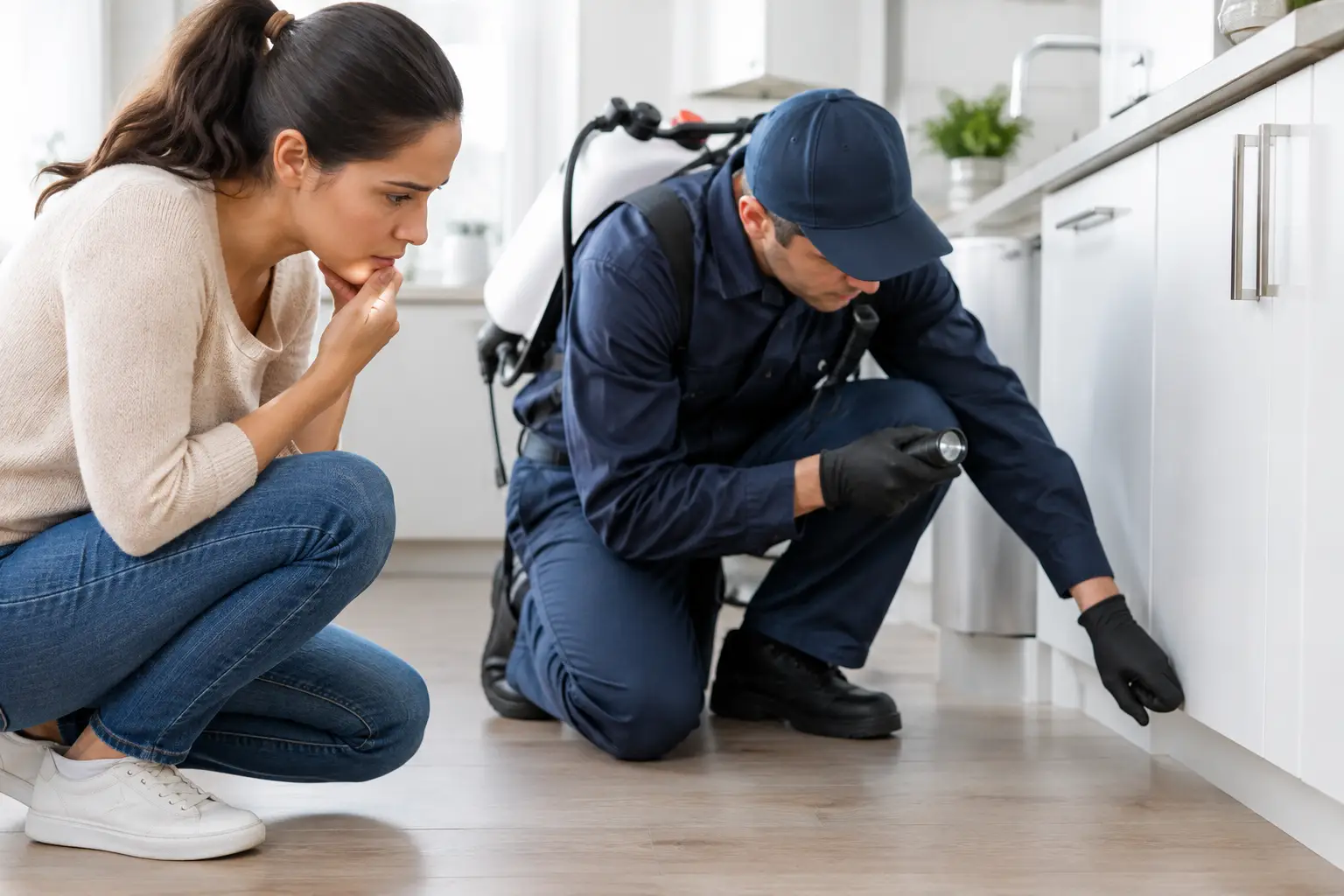
A cockroach crossing the kitchen floor at midnight, wasps entering through a bedroom vent, or a rodent trapped behind the stove can make a rental home feel unsafe fast. So, can tenants request emergency extermination? Yes. Tenants can and should report urgent pest activity immediately, especially when it creates a health, safety, or habitability concern. Whether treatment happens the same day depends on the pest, the severity, the lease, and the property manager’s response process.
An emergency extermination request is not simply a request for faster service. It is a clear notice that a pest issue may be putting residents, pets, food, or the building itself at risk. Prompt reporting gives a landlord or property manager the opportunity to inspect the problem, arrange appropriate treatment, and prevent a small issue from spreading through the property.
When Can Tenants Request Emergency Extermination?
A tenant can request pest control at any time, but the word emergency is best reserved for conditions that need quick attention. In multi-family housing, timing matters because pests can move between units through walls, utility lines, shared hallways, and plumbing openings. Waiting a week for an active infestation can turn one affected apartment into a much larger property-wide problem.
Urgent treatment may be appropriate when there is a significant cockroach infestation, especially in kitchens or around food storage; rodent activity inside living areas; stinging insects nesting in a wall, roofline, or entry point; bed bug evidence in sleeping areas; or pests that create an immediate risk for a resident with severe allergies. A swarm of bees near an entrance or aggressive wasps around a child’s play area should be reported right away.
Not every sighting requires an emergency call-out. Seeing one spider in a garage or a few ants near a window may still deserve treatment, but it usually allows time for regular scheduling. The difference is the level of risk and the likelihood that the issue will worsen quickly.
Signs the problem should be reported immediately
Report the issue as soon as possible if you find droppings, gnaw marks, nests, repeated live pest activity, egg cases, bites, or pests in food-preparation areas. A sudden increase in cockroaches or rodents is particularly concerning. These pests can contaminate food and surfaces, and their presence often points to an entry point, moisture problem, sanitation issue, or hidden population that needs professional attention.
Tenants should also report pests quickly when the issue affects a vulnerable household member. Infants, older adults, people with asthma, and people with allergies may be more affected by pest allergens, bites, or pesticide exposure from unapproved DIY products.
What Tenants Should Do First
The most useful first step is to notify the landlord or property manager in writing. A phone call can be appropriate when the situation feels urgent, but follow it with a text, email, or maintenance portal request. Written notice creates a record of when the problem was reported and gives management the details needed to send the right help.
Be specific. State the pest, where it was found, when you first noticed it, how often you are seeing it, and whether anyone has been bitten, stung, or experienced symptoms. Photos and short videos can be helpful, especially for cockroaches, rodents, bed bugs, nests, droppings, or visible damage.
Avoid trying to solve a serious infestation with foggers, excessive store-bought sprays, or homemade chemical mixtures. These products can create unnecessary exposure indoors, drive pests deeper into wall voids, or interfere with a professional treatment plan. If a product is used before management responds, keep the packaging and tell the technician exactly what was applied.
For an active rodent or cockroach issue, protect food in sealed containers, clean crumbs and spills, take trash out regularly, and avoid leaving pet food down overnight. These steps will not eliminate an infestation on their own, but they can reduce the conditions that help pests remain active.
Who Pays for Emergency Pest Control in a Rental?
Responsibility depends on the lease, the pest involved, and what caused the problem. In many situations, landlords are responsible for maintaining a rental that is safe and livable, including addressing pest issues that result from building conditions, neighboring units, common areas, or an existing infestation.
For example, a cockroach issue that appears after another unit has recurring activity, a rodent problem caused by gaps around utility lines, or a wasp nest in the exterior structure is generally a property-management concern. The same is often true when pests are present at move-in or when multiple units are affected.
There can be exceptions. If a lease clearly assigns certain pest-prevention duties to tenants, or if the issue is tied to tenant-caused conditions such as excessive clutter, improper trash storage, or an unauthorized pet-related flea problem, management may discuss costs with the tenant. Even then, a tenant should not assume they are responsible or delay reporting the problem. The property manager needs the chance to assess the source and scope first.
In Utah, lease terms and the facts of the situation matter. Tenants should review their lease, keep copies of maintenance requests, and communicate professionally. If the landlord does not respond to a serious habitability concern, tenants may want to contact a local housing resource or qualified legal professional before arranging treatment themselves or withholding rent.
Can a Tenant Hire an Exterminator Without Permission?
A tenant can call a pest control company for advice or an inspection request, but arranging treatment without the owner or manager’s approval can create complications. Many pest problems in rentals require access to adjacent units, exterior areas, utility spaces, or common areas. A technician may also need to coordinate preparation requirements and follow-up visits with management.
Unapproved treatment can lead to disputes over payment, scheduling, chemical use, or damage claims. It may also miss the true source of the problem. Treating one apartment for roaches while an untreated neighboring unit has active activity is rarely a lasting solution.
There are circumstances where immediate outside help makes sense, such as a dangerous swarm or an urgent health concern when management cannot be reached. If that happens, document every attempt to contact the landlord or property manager, keep receipts, and use a licensed, insured professional. Emergency medical concerns should be handled through emergency services, not a pest control appointment.
What Property Managers Should Do After an Emergency Request
For landlords and multi-family property managers, a fast and organized response protects both tenants and the building. Start by acknowledging the request, gathering photos and location details, and determining whether the situation affects one unit or several. With pests such as cockroaches, bed bugs, and rodents, nearby units may need inspection even if residents have not yet reported activity.
The right treatment should be based on the pest, the building layout, the infestation level, and resident safety. A professional plan may include targeted treatments, monitoring, exclusion work, sanitation recommendations, and follow-up service. One spray-only visit is not always enough, particularly in multi-family properties where pests can return through untreated access points.
Clear communication is part of effective control. Residents need to know when service is scheduled, whether they must empty cabinets or move furniture, how long to stay out of treated areas if required, and what follow-up steps will help the treatment work. This reduces missed appointments and makes it more likely the infestation is resolved the first time.
A Better Way to Prevent Repeat Emergencies
Emergency service solves the immediate concern, but prevention is what protects tenant comfort and property value over time. Property managers can reduce repeat calls by sealing exterior gaps, repairing leaks, maintaining door sweeps, managing dumpster areas, and addressing moisture around kitchens, bathrooms, and utility rooms.
Tenants also play a meaningful role by reporting leaks, gaps, and early pest sightings before activity becomes widespread. A clean home is helpful, but it is not a guarantee against pests. Cockroaches and rodents can enter even well-kept apartments through shared walls, deliveries, drains, and structural openings. The goal is not to place blame. It is to identify the source early and respond with a plan that fits the property.
For properties along the Wasatch Front, seasonal changes can also shift pest pressure. Rodents often seek warmth indoors as temperatures drop, while ants and stinging insects become more noticeable during warmer months. Regular professional service gives managers a chance to find vulnerabilities before residents are dealing with an urgent situation.
If an infestation is affecting your rental property, quick reporting and professional coordination are the safest path forward. Pest Xperts can assess active pest concerns and build a treatment plan around the size, layout, and needs of a home or multi-family property. A fast, documented response helps tenants feel protected and helps property managers keep a manageable problem from becoming a building-wide one.
continue reading
Related Posts
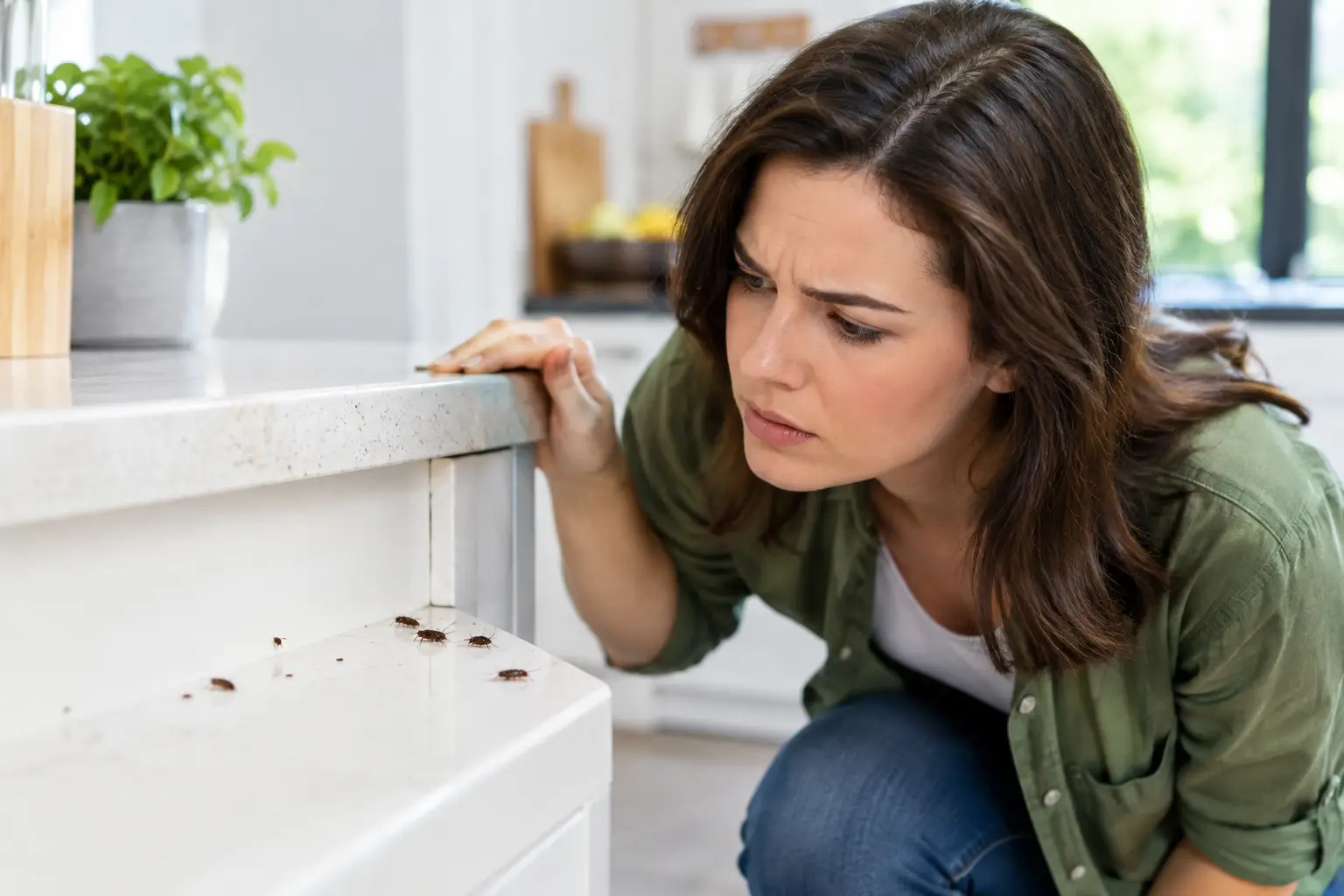
A pest outbreak can move fast through homes and properties. Learn warning signs, smart first steps, and when treatment protects people and buildings safely.
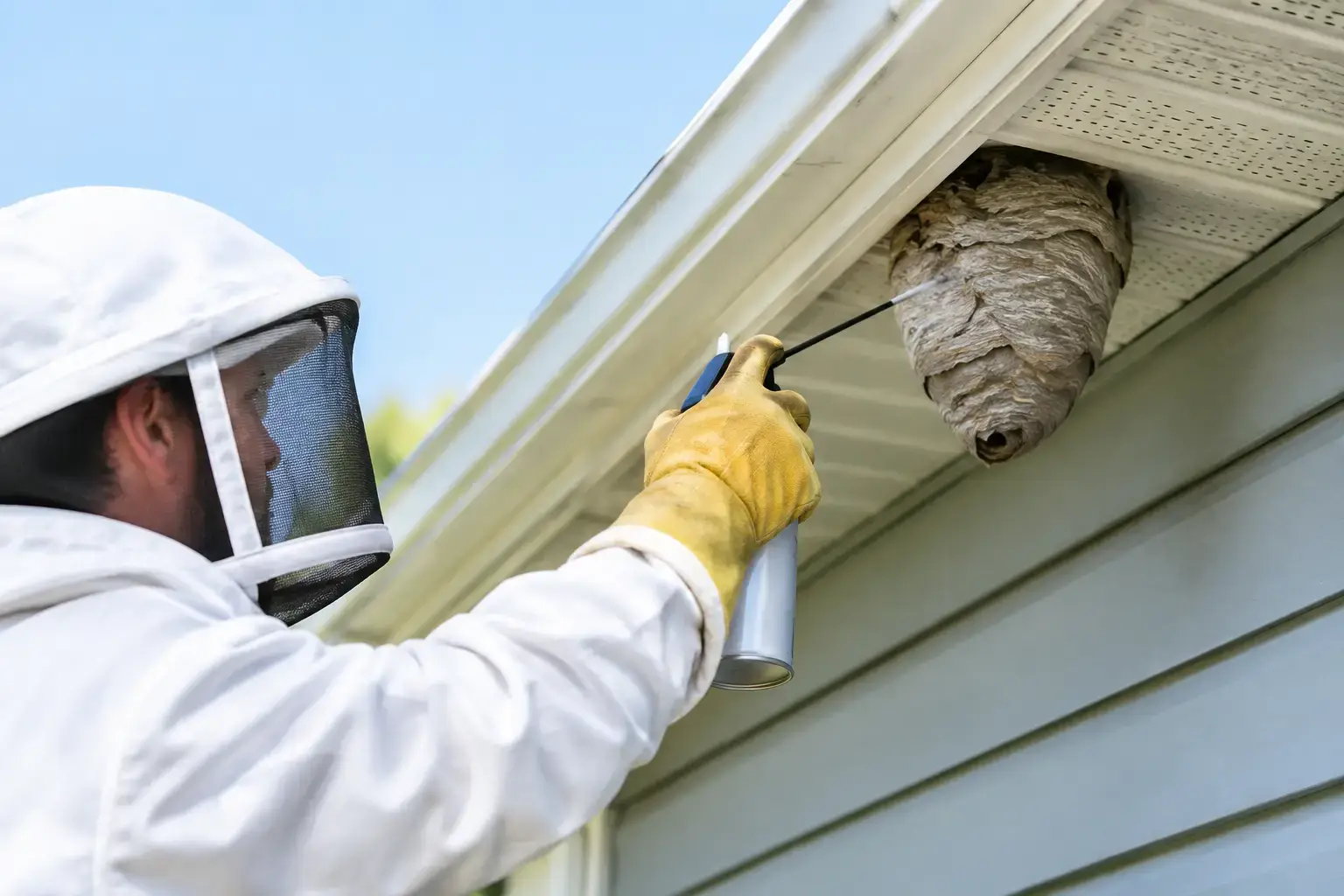
Learn how to remove wasps safely, recognize high-risk nests, and prevent repeat activity around your Utah home, rental property, or business quickly.
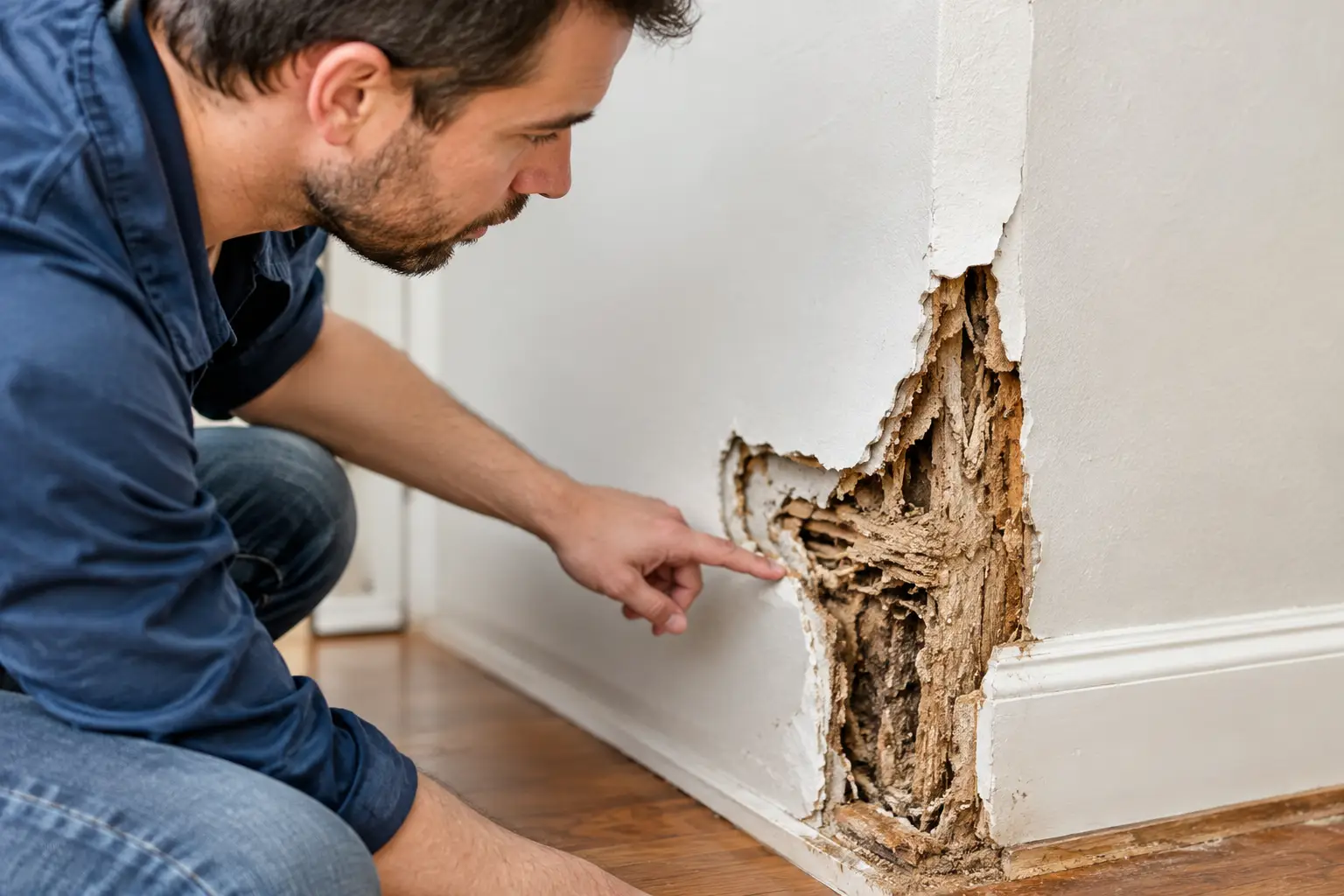
Learn the termite damage signs that merit a professional inspection, from mud tubes and hollow wood to stuck doors, bubbling paint, and swarmers indoors.