

A spider in the bathtub can make anyone pause, especially when children, pets, or tenants are nearby. So, are spiders dangerous in Utah? Most are not. The spiders commonly seen in Utah homes are nuisance pests that prefer to avoid people and help reduce other insect activity. Still, one species deserves real caution: the western black widow.
The goal is not to panic over every web in a basement or garage. It is to know which situations call for care, how to reduce the places spiders settle in, and when a bite or ongoing activity needs professional attention.
Are Spiders Dangerous in Utah Homes?
For the vast majority of Utah residents, a spider sighting is more unsettling than hazardous. House spiders, wolf spiders, jumping spiders, and cellar spiders can look intimidating, particularly when they appear indoors, but they are not typically a serious medical threat. Most will retreat rather than bite, and bites usually happen only when a spider is trapped against skin in clothing, bedding, shoes, gloves, or stored items.
That said, spiders should not be handled bare-handed. Even a harmless-looking spider can bite defensively, and reactions vary by person. A mild bite may cause temporary redness, itching, swelling, or soreness similar to another minor insect bite. Young children, older adults, and people with significant allergies or other health concerns should be monitored more carefully after any suspected bite.
Spiders also become a practical property concern when their numbers increase. Frequent webs, egg sacs, and sightings can point to easy entry points, cluttered storage areas, moisture issues, or a larger insect population providing a food source. In multi-family properties, visible spider activity can quickly become a tenant comfort and maintenance concern, even when the species itself is not dangerous.
The Utah Spider That Requires the Most Caution
Western black widows
The western black widow is the medically significant spider Utah residents are most likely to encounter. Adult females are shiny black with a red or orange hourglass marking on the underside of the abdomen, although markings can vary. Males and immature widows are smaller and often patterned, so they may not look like the familiar all-black image people expect.
Black widows favor protected, undisturbed areas. Around homes and businesses, that can include garages, sheds, window wells, crawl spaces, woodpiles, outdoor furniture, utility areas, and clutter near the foundation. Their webs are irregular and messy rather than the neat, circular webs many people associate with spiders.
A black widow bite can cause more than local pain. Symptoms may include muscle cramps, sweating, nausea, headache, stomach pain, weakness, or restlessness. The severity depends on factors such as the amount of venom delivered, the person bitten, and how quickly they receive medical guidance. Bites are rarely fatal with modern medical care, but they should be taken seriously.
If you believe a black widow has bitten someone, wash the area gently with soap and water, apply a cool pack wrapped in cloth, and seek prompt medical advice. Call Poison Control or a health care provider for guidance, and seek urgent care for severe pain, spreading symptoms, breathing concerns, muscle cramping, or symptoms involving a child, older adult, or pet. Do not attempt to cut the bite, suck out venom, or apply a tourniquet.
What about brown recluse spiders?
Brown recluse spiders are widely feared, but they are not established as a common spider in most of the populated Wasatch Front. Many suspected brown recluse sightings and “recluse bites” turn out to be different spiders or unrelated skin conditions.
That distinction matters. Misidentifying a skin infection, allergic reaction, or another medical issue as a spider bite can delay proper care. If a wound becomes increasingly painful, develops blistering or discoloration, shows signs of infection, or is accompanied by fever or feeling unwell, contact a medical professional rather than relying on an online spider identification.
Why Spiders Come Indoors
Spiders do not usually enter a home because it is dirty. They enter because the structure offers shelter and food. A warm garage, quiet basement, cluttered storage room, or window well can provide exactly the protected space a spider wants. If insects such as flies, ants, crickets, or roaches are present, spiders have a steady food supply.
Seasonal changes can increase sightings. In late summer and fall, some spiders become more noticeable as they move around to find mates or shelter. In dry conditions, they may also follow prey toward irrigated landscaping, shaded foundations, and indoor moisture sources.
Outdoor lighting plays a role, too. Lights attract insects, and insects attract spiders. This does not mean every porch light needs to stay off, but it does mean a bright light directly next to doors, windows, or patios can create a small pest traffic pattern after dark.
Reducing Spider Activity Around Your Property
The best spider control plan is prevention plus targeted treatment when activity persists. Start by reducing the hiding places and food sources that make a property appealing.
Keep firewood, lumber, boxes, and outdoor equipment elevated and away from the foundation when possible. In garages and storage areas, use sealed plastic containers instead of long-term cardboard storage, which creates dark crevices for spiders and their prey. Shake out gloves, shoes, towels, sleeping bags, and clothing that have been stored in sheds, garages, or other undisturbed areas.
Outside, trim shrubs and groundcover away from siding, clear excess leaves and debris, and inspect window wells. Repair torn screens, add or replace door sweeps, and seal visible gaps around utility lines, vents, windows, and doors. These small corrections help with spiders and the insects that draw them in.
Regular vacuuming helps indoors, especially along baseboards, behind furniture, in corners, and around window frames. Carefully remove visible webs and egg sacs with a vacuum attachment, then empty the vacuum outside. Avoid reaching into cluttered areas without gloves, particularly if a black widow may be present.
For residents who see only an occasional spider, these steps may be enough. For frequent sightings, black widow activity, large web concentrations, or recurring concerns in a garage, basement, or exterior utility area, a professional inspection can identify the conditions keeping the problem active.
Spider Control for Rentals and Commercial Properties
Property managers and business owners face a different standard than a single household. Even low-risk spiders can lead to tenant complaints, uncomfortable employees, negative reviews, and service requests that consume maintenance time. A single black widow in a playground-adjacent storage area, a shared laundry room, or a utility space should be addressed quickly and carefully.
The most effective approach for multi-family and commercial properties is property-specific. Exterior landscaping, trash areas, utility rooms, storage practices, unit turnover schedules, building gaps, and pest activity all affect the treatment plan. Treating one visible web without correcting those contributing conditions often leads to repeat sightings.
Routine monitoring is especially useful for properties with garages, lower-level units, sheds, vacant spaces, or areas where stored materials accumulate. A consistent prevention plan can reduce spider harborage before the concern reaches tenants or customers.
When to Call for Professional Help
A few isolated spiders do not always require treatment. However, it is time to bring in pest professionals when you find black widows, repeatedly see spiders in the same indoor area, notice numerous egg sacs, or cannot safely access the suspected nesting area. Professional help is also appropriate when spiders are appearing around children’s play spaces, pet areas, beds, or high-traffic business locations.
Avoid using broad sprays without a plan. Spraying visible spiders may provide a short-term result, but it can miss hidden harborage and does not resolve the insects attracting spiders in the first place. A careful service plan considers the spider species, the location, entry points, building use, and the safety of people and pets.
For Utah homes, rentals, and businesses, the practical message is reassuring: most spiders are not dangerous, but black widows deserve caution and recurring spider activity deserves attention. If you are unsure what you are seeing or want a safer prevention plan tailored to your property, Pest Xperts can assess the situation and help protect the spaces that matter most.
continue reading
Related Posts

A pest outbreak can move fast through homes and properties. Learn warning signs, smart first steps, and when treatment protects people and buildings safely.
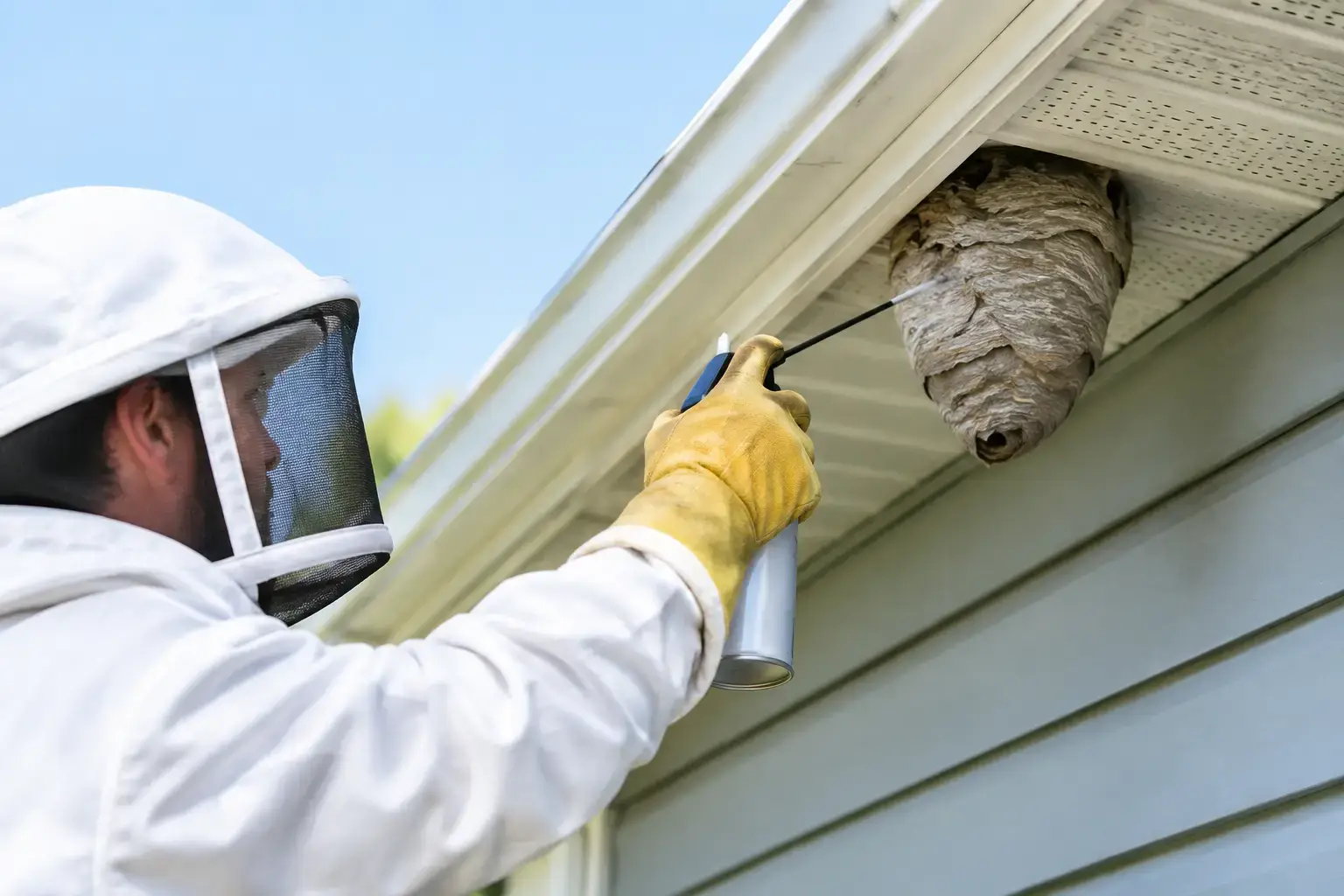
Learn how to remove wasps safely, recognize high-risk nests, and prevent repeat activity around your Utah home, rental property, or business quickly.
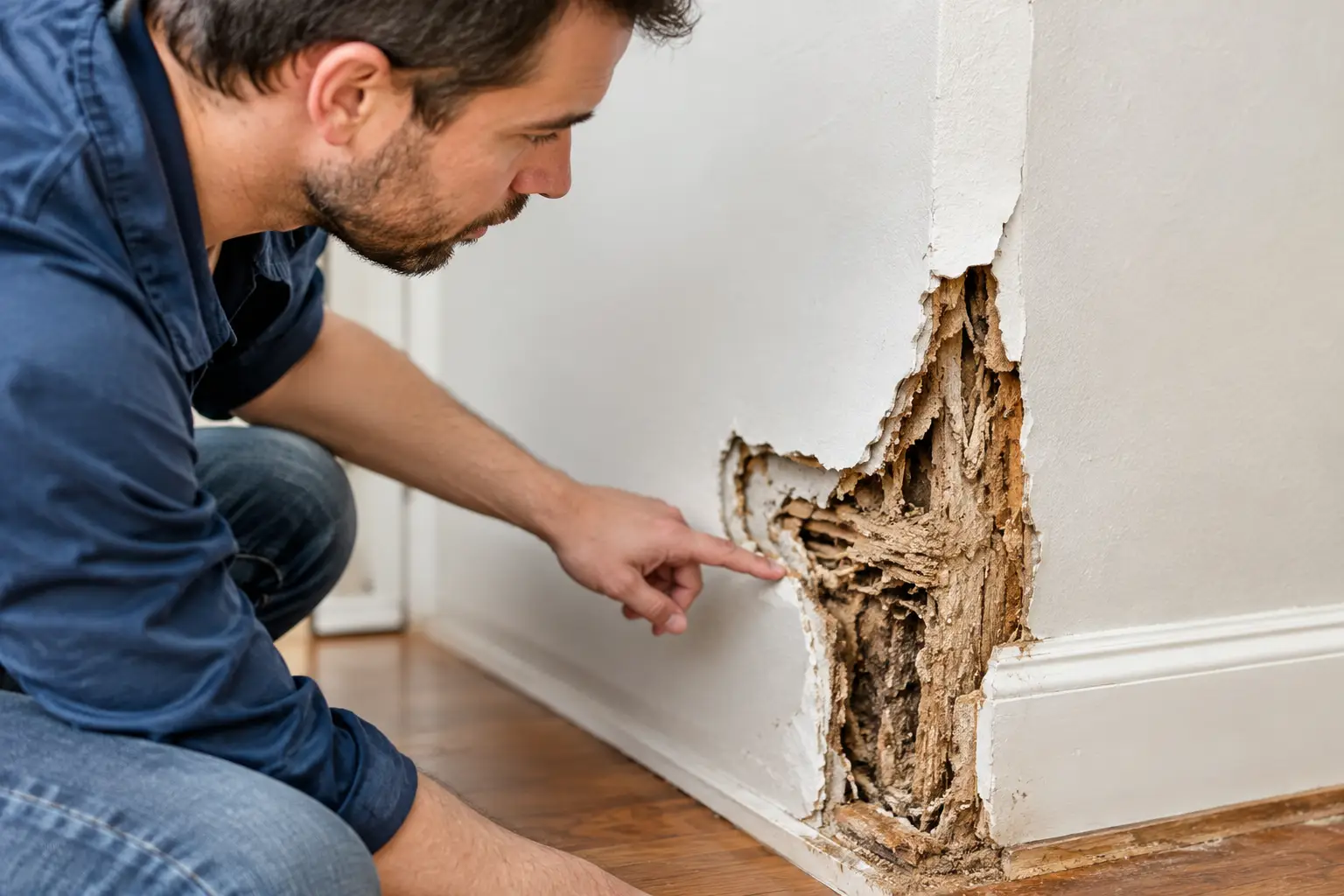
Learn the termite damage signs that merit a professional inspection, from mud tubes and hollow wood to stuck doors, bubbling paint, and swarmers indoors.