
A bed bug found on a mattress seam or signs of wood-destroying insects can make any property owner want the fastest possible answer. But heat treatment versus fumigation is not a simple choice between two ways to kill pests. They are distinct services designed for different pest pressures, building conditions, and treatment goals. The right approach begins with a professional inspection, not a one-size-fits-all recommendation.
For homeowners, landlords, and multi-family property managers, the decision also affects preparation, vacancy time, resident communication, and the steps needed to prevent the problem from returning. Here is what separates these methods and how to decide what makes sense for your property.
What Heat Treatment Does
Professional heat treatment raises the temperature in an enclosed treatment area to a level lethal to the target pest. Technicians use commercial heaters, fans, and sensors to circulate heat evenly and verify temperatures in challenging areas, such as furniture, wall voids, and other potential hiding places.
Heat is most closely associated with bed bug treatment. Bed bugs can hide in mattress seams, bed frames, upholstered furniture, baseboards, electronics, and small cracks. Because heat reaches beyond the surface of an item, it can address bugs and eggs without relying solely on a liquid product contacting every hiding place.
A properly planned heat treatment is a targeted service. It may treat a bedroom, an apartment, a unit, or another defined area depending on the inspection findings. The goal is to achieve lethal conditions throughout the treatment zone while protecting the structure and belongings.
When heat treatment is a strong option
Heat is often a good fit when bed bugs are confirmed and fast population reduction is a priority. It can be especially valuable in multi-family housing, where a prompt, carefully coordinated response helps protect affected residents and limits the opportunity for pests to spread.
It may also appeal to property owners who want an option with minimal chemical use inside the treatment area. That does not mean every heat job is chemical-free. Depending on the pest, the extent of activity, and the risk of reinfestation, a technician may recommend follow-up monitoring or targeted treatments as part of a complete plan.
Heat treatment trade-offs
Heat has real preparation requirements. Heat-sensitive belongings, certain aerosols, candles, medications, plants, and some electronics may need to be removed or handled according to technician instructions. Residents and pets must leave during treatment, and access to the area needs to be controlled.
Heat also has no lasting residual effect once the treated space cools. If bed bugs are reintroduced through luggage, used furniture, an untreated adjacent unit, or another source, a new infestation can begin. This is why inspection, follow-up, and building-wide awareness matter so much in apartments, condos, and other shared properties.
What Fumigation Does
Fumigation uses a registered gas fumigant inside a sealed structure or treatment enclosure. The fumigant penetrates areas that can be difficult to reach with conventional liquid or dust applications. After the required exposure period, the structure is aerated and cleared for reentry according to strict safety procedures.
People often use the word “fumigation” to describe fogging or spraying, but those are not the same thing. True structural fumigation is a specialized process that requires detailed planning, licensed professionals, evacuation, secure sealing, warning signs, and clearance testing before anyone returns.
Fumigation is most commonly considered for certain wood-destroying insect infestations, particularly drywood termites or wood-boring pests that may be distributed throughout a structure. It can be highly effective when the pest activity is widespread and localized treatment cannot reliably reach all affected areas.
When fumigation may be the better choice
Fumigation may be recommended when an inspection finds an infestation spread across multiple areas of a building, inside inaccessible wood members, or in locations where spot treatments would leave too much uncertainty. Rather than treating only visible signs, fumigation can address pests throughout the sealed treatment space.
For a commercial property or large residential building, that broad reach can be valuable. However, it also requires more extensive coordination. Occupants need clear instructions, food and medication must be handled correctly, pets and plants must be removed, and the building cannot be occupied until it has been professionally cleared.
Fumigation trade-offs
Fumigation is not automatically the best answer just because an infestation feels serious. It is a specialized treatment with significant preparation and scheduling needs, and it may not prevent future pest activity if the conditions that allowed pests in remain unchanged.
For example, fumigation can eliminate target insects inside the treated structure, but it does not repair moisture problems, seal entry points, remove wood-to-soil contact, or correct other conditions that contribute to future pest pressure. A complete plan may include repairs, monitoring, exclusion work, or ongoing prevention after treatment.
Heat Treatment Versus Fumigation for Bed Bugs
For bed bugs, heat treatment is generally the more common conversation. It is designed around the way bed bugs hide and can provide a rapid reduction in a defined area when completed by trained professionals. Fumigation can kill bed bugs, but whole-structure fumigation is usually not the first practical choice for a typical bed bug issue because of its scale, preparation demands, and cost.
The exception is not a rule. A pest professional should evaluate the actual infestation, the type of building, neighboring units, resident turnover, and whether the pest identification is confirmed. Cockroaches, fleas, carpet beetles, termites, and bed bugs all require different treatment strategies. Treating the wrong pest with the wrong method wastes time and can allow the problem to grow.
How to Choose the Right Treatment for Your Property
Start with the pest, not the treatment name. An experienced inspection should identify the pest, locate activity, assess the extent of the infestation, and look for contributing conditions. That assessment is particularly important for multi-family properties, where a visible problem in one unit may be connected to activity elsewhere.
Next, consider the treatment area. Is the issue limited to one room, one apartment, a few pieces of furniture, or multiple parts of the building? Heat may be a practical targeted option for a contained bed bug problem. Fumigation may be considered when a wood-destroying insect issue is extensive and distributed throughout a structure.
Then consider the operational impact. A family needs to know how long they will be out of the home and what belongings need attention. A property manager needs a resident communication plan, access to units, and a clear process for preventing disruption. A business owner needs to protect staff, customers, inventory, and reopening timelines.
Finally, ask what happens after treatment. A dependable pest plan should explain how success will be evaluated, whether monitoring is needed, and what steps reduce the chance of another infestation. The best treatment is not simply the one that kills pests on treatment day. It is the one that fits the pest, the property, and the long-term protection of the people inside.
Questions to Ask Before You Commit
Before scheduling either service, ask the provider to explain the confirmed pest identification, the scope of treatment, required preparation, expected vacancy period, and follow-up plan. You should also understand what is included in the quoted service and whether adjacent units or areas should be inspected.
For Utah homeowners and property managers, local experience matters because property layouts, multi-family building patterns, seasonal pest pressure, and treatment access all affect the plan. Pest Xperts approaches custom pest issues with a property-specific consultation so the treatment matches the actual problem rather than a generic package.
A pest problem is stressful enough without guessing at the solution. Choose a provider that can clearly explain why heat, fumigation, or another targeted treatment is appropriate, protect occupants through every step, and help you move forward with confidence.
continue reading
Related Posts
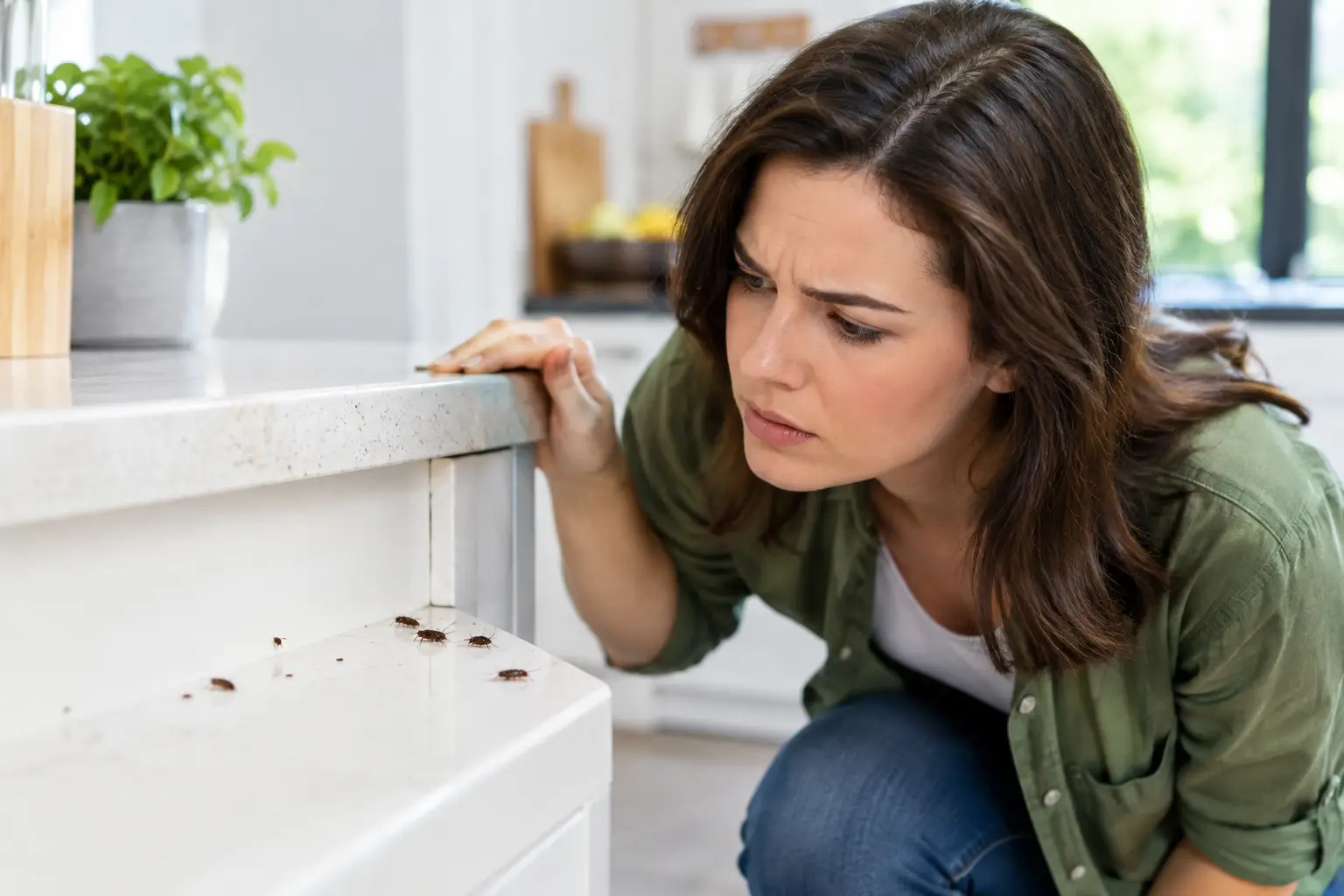
A pest outbreak can move fast through homes and properties. Learn warning signs, smart first steps, and when treatment protects people and buildings safely.
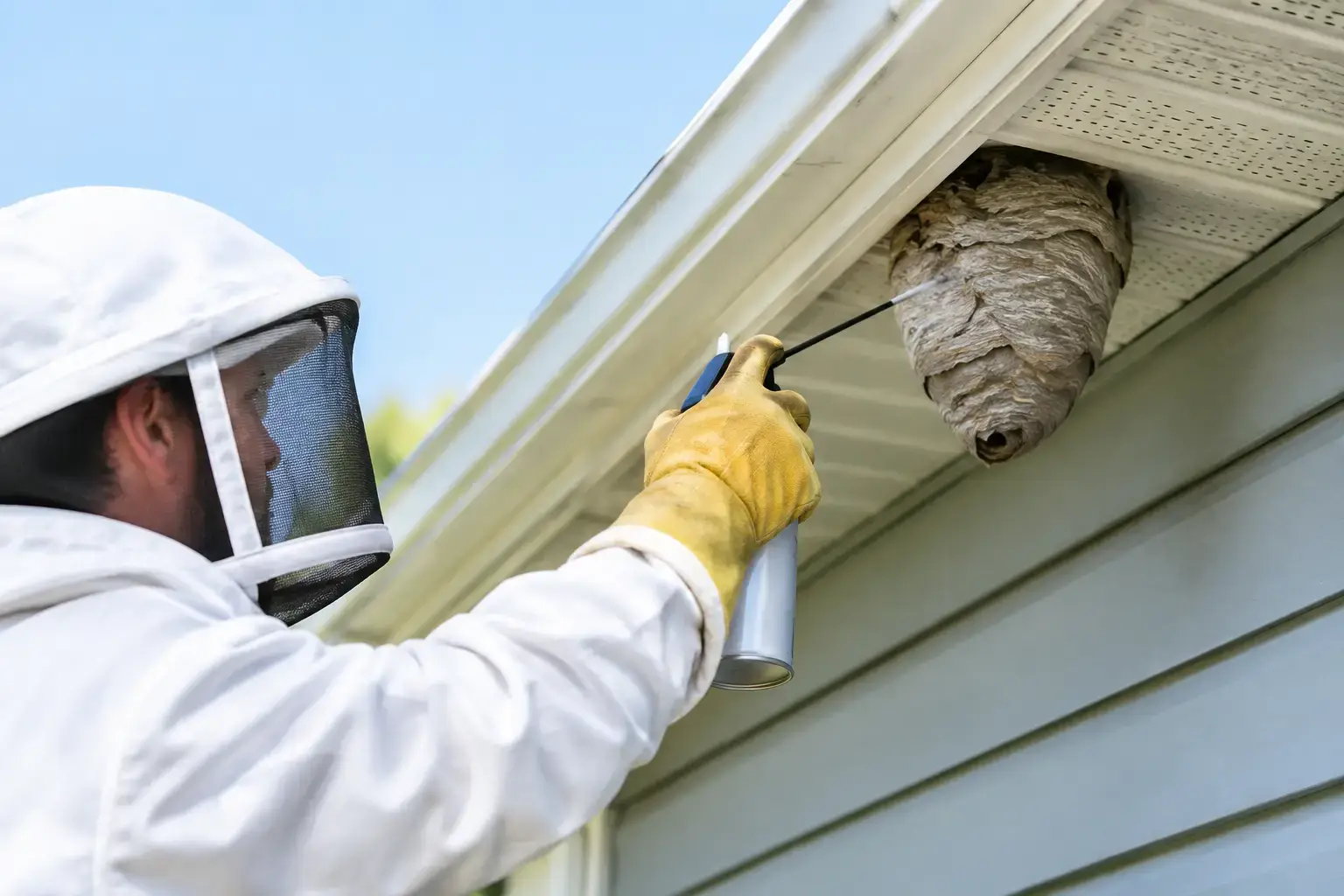
Learn how to remove wasps safely, recognize high-risk nests, and prevent repeat activity around your Utah home, rental property, or business quickly.
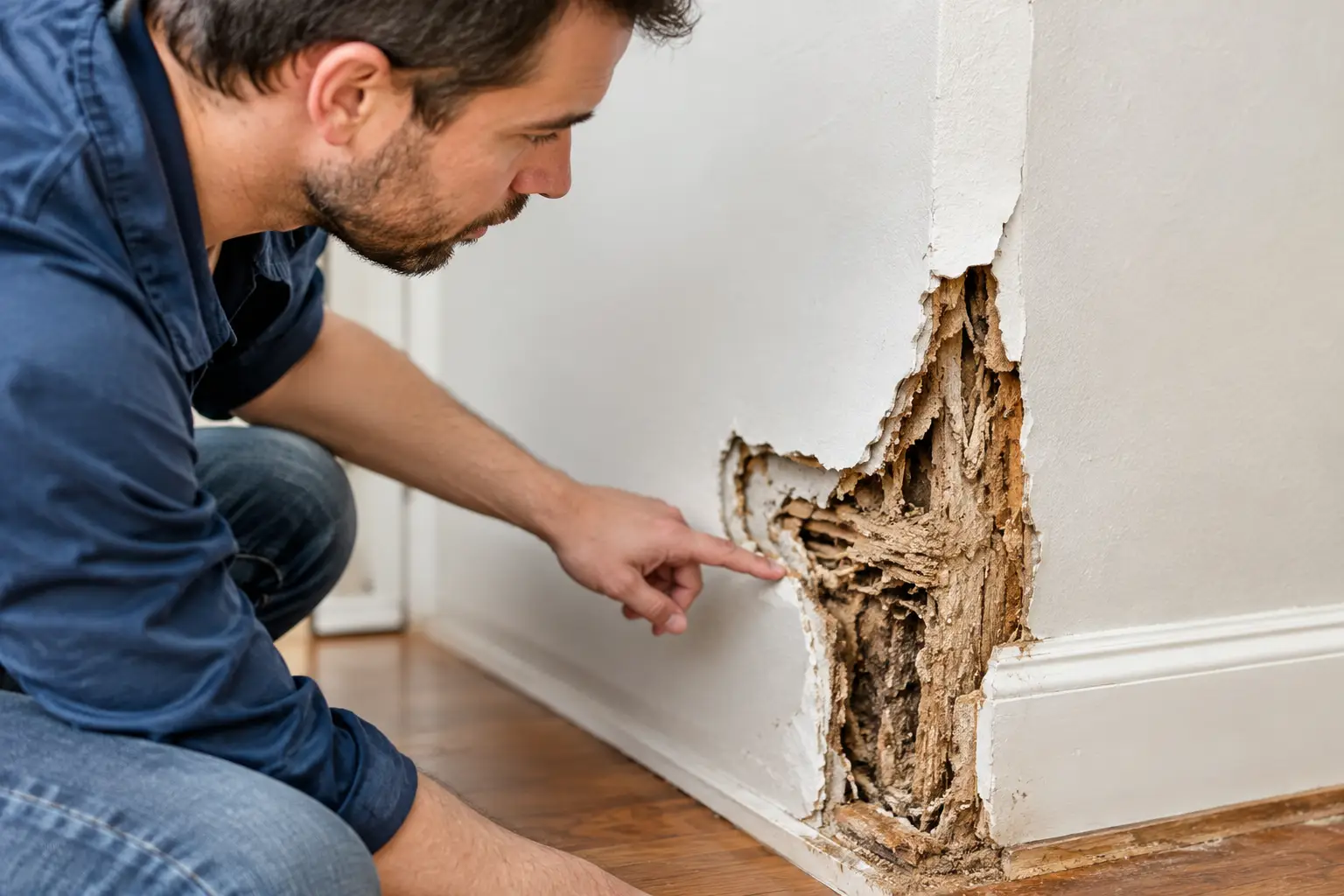
Learn the termite damage signs that merit a professional inspection, from mud tubes and hollow wood to stuck doors, bubbling paint, and swarmers indoors.