
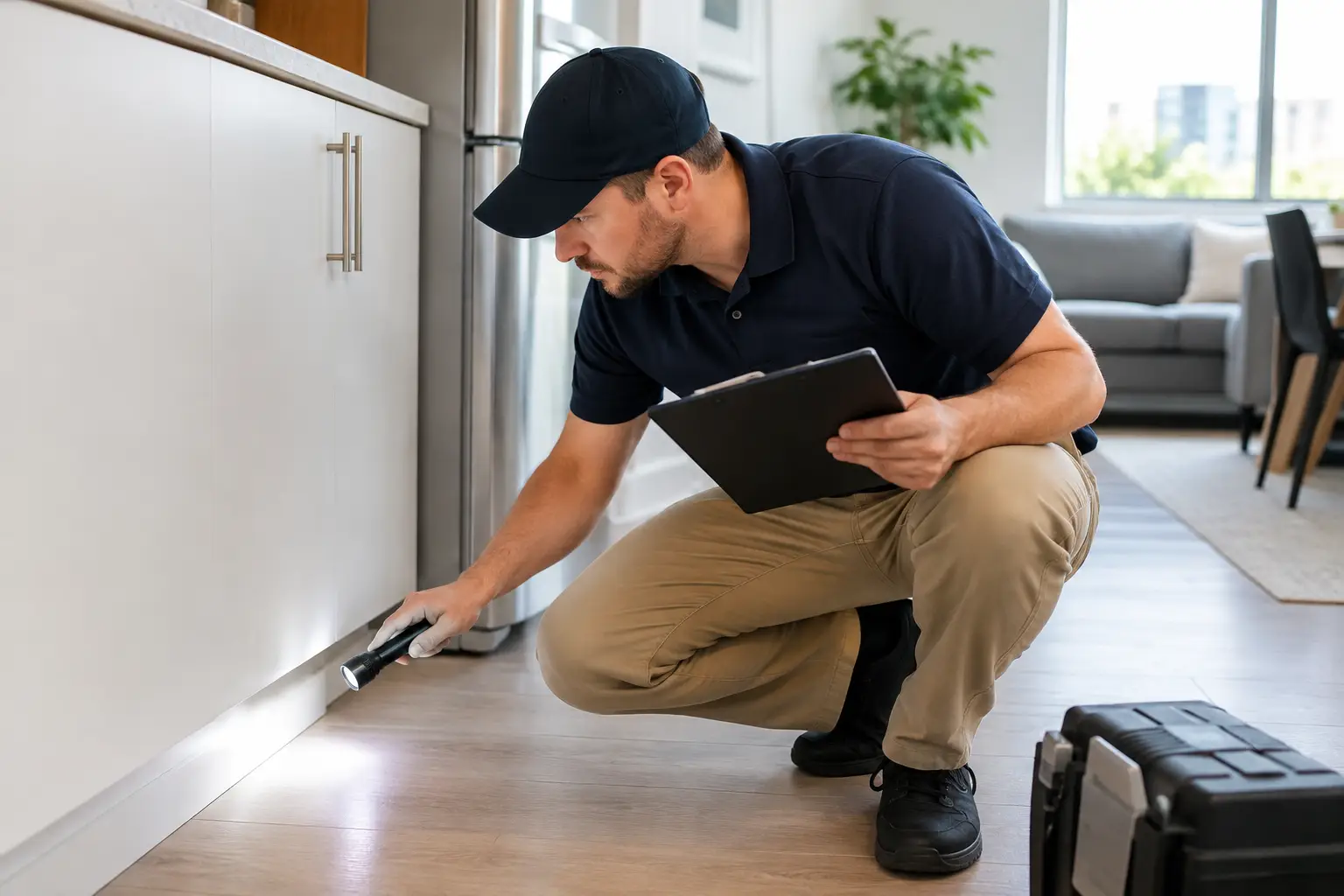
A pest issue in one apartment rarely stays in one apartment. Roaches can move through plumbing gaps, mice can travel along utility lines, and bed bugs can spread through shared walls, hallways, laundry rooms, and furniture. This top apartment pest inspection checklist helps property managers and landlords catch signs early, document what they find, and respond before a small complaint becomes a building-wide concern.
A good inspection is not a quick walk-through. It is a repeatable process that looks at the unit, the spaces around it, and the conditions that give pests food, water, shelter, or an easy path inside.
Start With the Tenant Report
Before entering the unit, review what the resident has reported. Ask which pest they have seen, where they saw it, when activity is most common, and whether they have noticed bites, droppings, odors, noises, or damage. A tenant who sees one cockroach during the day may be seeing a much larger hidden population. A scratching sound at night may point to rodents in a wall void or ceiling space.
Keep the conversation respectful and factual. Pests are not always caused by housekeeping, and assigning blame too early can make residents less willing to report activity. In multi-family housing, prompt reporting is one of the strongest defenses against spread.
Document the unit number, date, pest description, reported locations, and any photos provided. This history helps reveal patterns, especially when nearby units report similar signs.
Top Apartment Pest Inspection Checklist: 9 Areas
1. Kitchen and Food Storage
Start in the kitchen because it provides food, moisture, warmth, and plenty of hiding places. Inspect under the sink, behind the refrigerator and stove, inside lower cabinets, and around dishwasher connections. Look for cockroach droppings that resemble black pepper or coffee grounds, shed skins, egg cases, grease buildup, and a musty or oily odor.
Check dry-food storage, pet food, trash containers, and recycling. Open food, overflowing garbage, and residue around appliances can support pests even in an otherwise clean apartment. Also look for gaps around plumbing penetrations. Small openings behind pipes can connect units and give roaches or rodents a protected travel route.
2. Bathrooms and Plumbing Access
Bathrooms are high-priority inspection areas because water is often available even when food is not. Look beneath sinks, around toilets, behind vanities, and near tub plumbing. Note slow leaks, condensation, damp drywall, and broken caulking. These conditions can support cockroaches, silverfish, and occasional invaders.
Inspect utility closets and plumbing chases when accessible. A pest problem that appears isolated in one bathroom may actually be moving through shared pipe openings. Sealing gaps is valuable, but it should be paired with treatment when active pests are present. Sealing an opening without addressing the population can simply redirect activity elsewhere.
3. Bedrooms, Upholstered Furniture, and Closets
For bed bug concerns, inspect slowly and methodically. Focus on mattress seams, box springs, bed frames, headboards, nightstands, baseboards, and upholstered furniture. Signs include live bugs, tiny pale eggs, shed skins, dark spotting, or small blood marks on bedding.
Do not rely on bites alone. Skin reactions vary widely, and bites can be mistaken for other causes. A thorough inspection may also need to include neighboring units, particularly the units beside, above, and below a confirmed case. Early action matters because bed bugs are difficult to manage after they spread through multiple apartments.
4. Living Areas, Baseboards, and Wall Gaps
Use a flashlight to inspect baseboards, carpet edges, behind wall hangings, under couches, and around electrical outlets. Watch for insect droppings, damaged materials, or tiny gaps where pests can disappear into wall voids.
Roaches and ants often follow edges rather than crossing open floors. Rodents may leave grease marks along walls or travel paths. If residents have seen pests in a living room but not in the kitchen, do not dismiss the report. The sighting location may be where the pest emerged, not where it is feeding or nesting.
5. Laundry Rooms, Mechanical Rooms, and Common Areas
Shared spaces deserve the same attention as individual units. Laundry rooms can collect lint, moisture, and clutter, while mechanical rooms often have pipe and utility penetrations that create pest pathways. Inspect floor drains, water heaters, vending areas, trash rooms, storage rooms, and janitorial closets.
Common areas can also tell you whether the issue is localized or building-wide. For example, cockroach activity near a trash room and in several adjacent units may require a coordinated treatment plan instead of isolated spot treatments.
6. Exterior Entry Points
Walk the building exterior and inspect door sweeps, window screens, vents, siding gaps, foundation openings, utility lines, and areas where pipes enter the structure. Mice can fit through openings much smaller than most people expect, so small gaps deserve attention.
Look for torn screens, damaged weatherstripping, unsealed vents, and vegetation touching the building. Tree branches, dense shrubs, stacked materials, and clutter near the foundation can give pests shelter and a route toward the property. Exterior maintenance is a prevention tool, not just a cosmetic task.
7. Trash, Recycling, and Outdoor Conditions
Check dumpsters and trash enclosures for overflowing waste, loose lids, spills, and buildup around the base. These areas can attract rodents, flies, roaches, and occasional wildlife. Make sure containers close fully and are placed far enough from exterior doors and ground-level windows when possible.
Standing water is another issue to correct. Inspect irrigation, drainage, gutters, and low spots near the building. Mosquitoes need very little water to breed, while damp areas can attract other pests searching for moisture.
8. Evidence of Rodents
Rodent inspections should include more than a search for live mice. Look for droppings, gnaw marks, shredded nesting material, tracks in dusty areas, and rub marks along walls or pipes. Fresh droppings are usually darker and softer than old ones, though appearance alone should not be treated as an exact timeline.
Pay close attention to utility closets, storage areas, suspended ceilings, and the backs of appliances. If you find rodent evidence, inspect nearby units and shared spaces. One tenant may notice activity first, but the nesting site may be elsewhere.
9. Unit-to-Unit Spread Risks
The final part of an apartment inspection is looking beyond the apartment itself. Ask whether adjoining units have reported pest activity, recent move-outs, flooding, remodeling, or heavy clutter. Consider shared walls, plumbing lines, hallways, trash routes, and package or laundry areas.
This is where multi-family pest management differs from treating a single-family home. A unit-by-unit approach can miss the source of the problem. The right scope depends on the pest, the building layout, and how long activity has been present. Sometimes targeted service is appropriate. Other times, adjoining units and common areas need inspection and treatment at the same time.
What to Record After Each Inspection
Clear records protect both the property and the residents. Take dated photos of evidence, note exact locations, list contributing conditions such as leaks or gaps, and document actions taken. Record whether the unit was treated, whether follow-up is needed, and what preparation instructions were provided.
Consistency matters more than elaborate paperwork. A simple inspection form used every time makes it easier to identify recurring problem areas and confirm whether conditions are improving. It also gives maintenance, management, and pest professionals a shared view of the issue.
When Professional Service Is the Right Next Step
Call for professional help when you find repeated cockroach activity, bed bug evidence, rodent droppings, multiple affected units, or signs that pests are moving through shared building systems. Store-bought products may kill the pests residents can see, but they often do not reach hidden harborages, nesting areas, or travel routes.
For Utah property managers, a consultation-led inspection can help determine whether the building needs prevention, active extermination, exclusion work, or a custom project for a larger multi-family concern. Pest Xperts can assess the property’s layout and activity level, then recommend a plan built for the actual scope of the issue.
The best time to inspect is before a tenant complaint turns into a vacancy risk. Make inspections routine, respond to reports quickly, and treat small signs as useful information rather than something to wait out.
continue reading
Related Posts
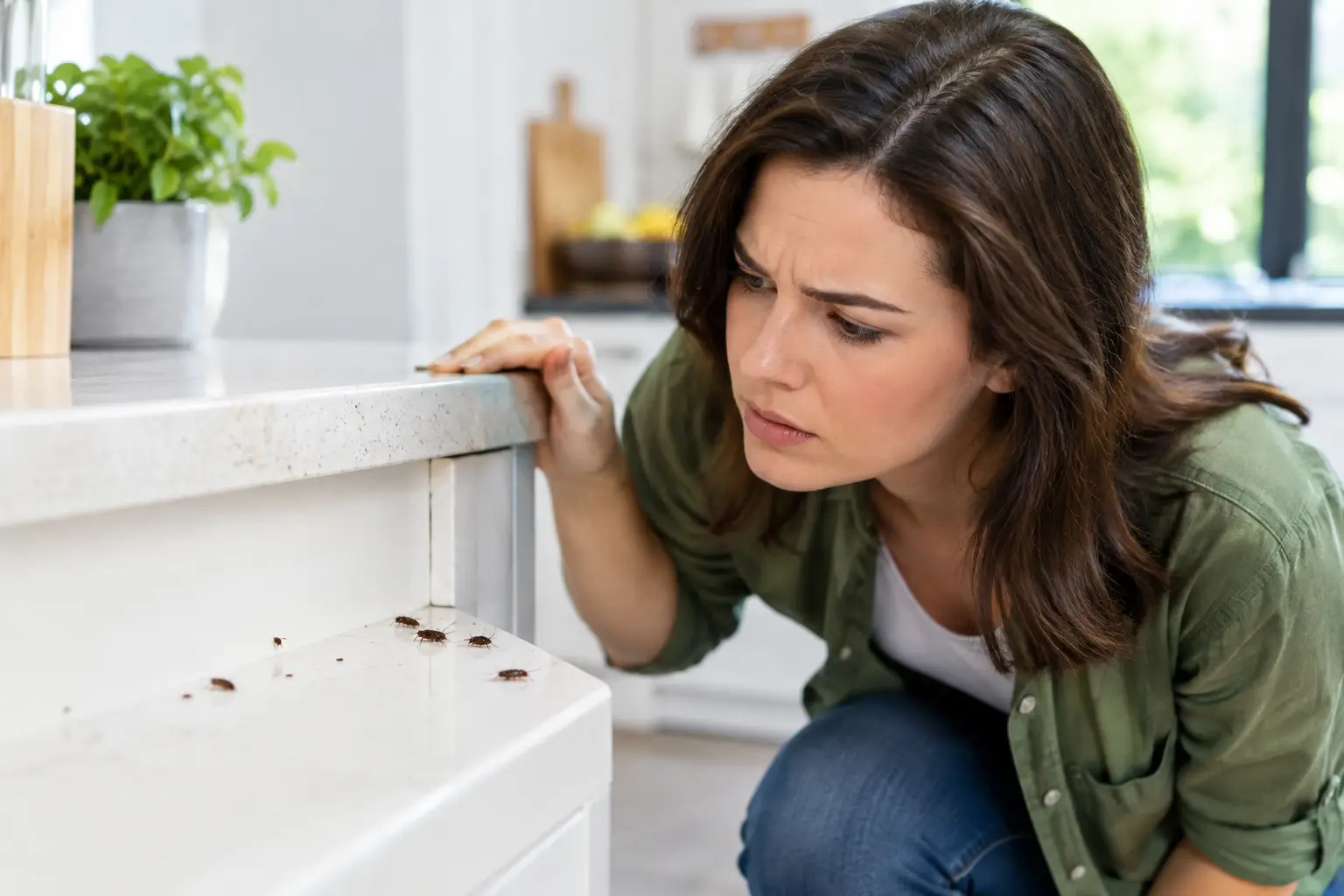
A pest outbreak can move fast through homes and properties. Learn warning signs, smart first steps, and when treatment protects people and buildings safely.
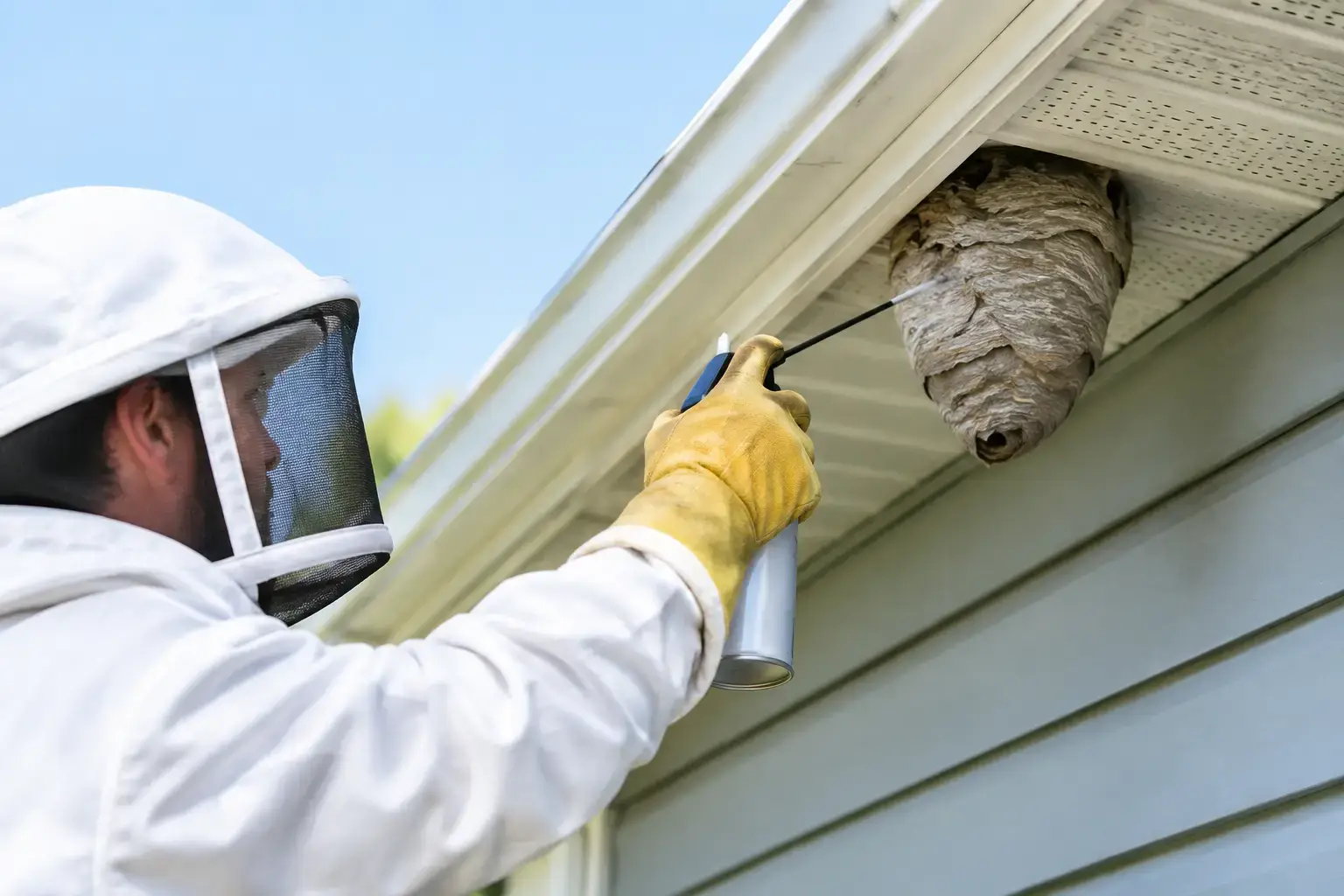
Learn how to remove wasps safely, recognize high-risk nests, and prevent repeat activity around your Utah home, rental property, or business quickly.
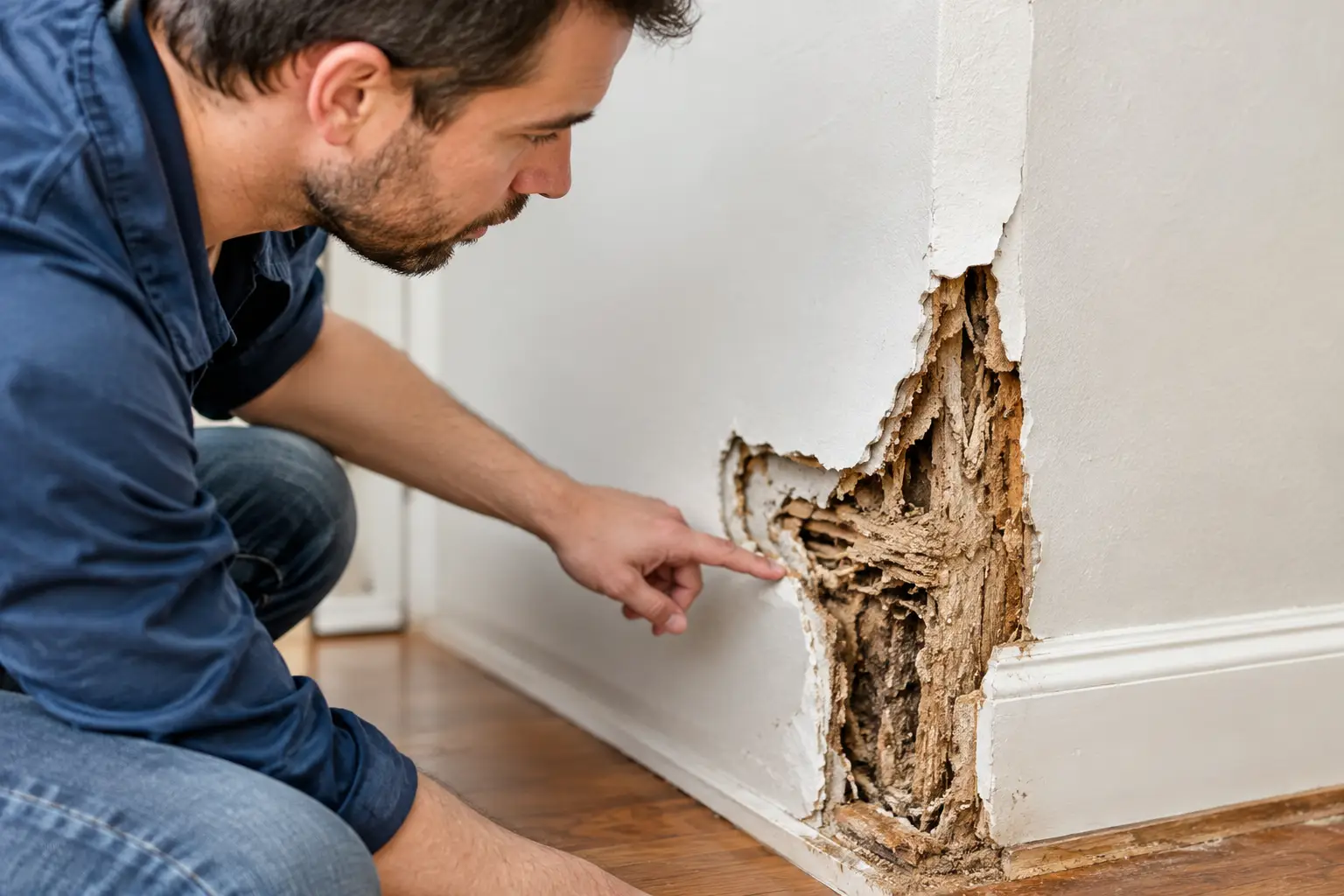
Learn the termite damage signs that merit a professional inspection, from mud tubes and hollow wood to stuck doors, bubbling paint, and swarmers indoors.