
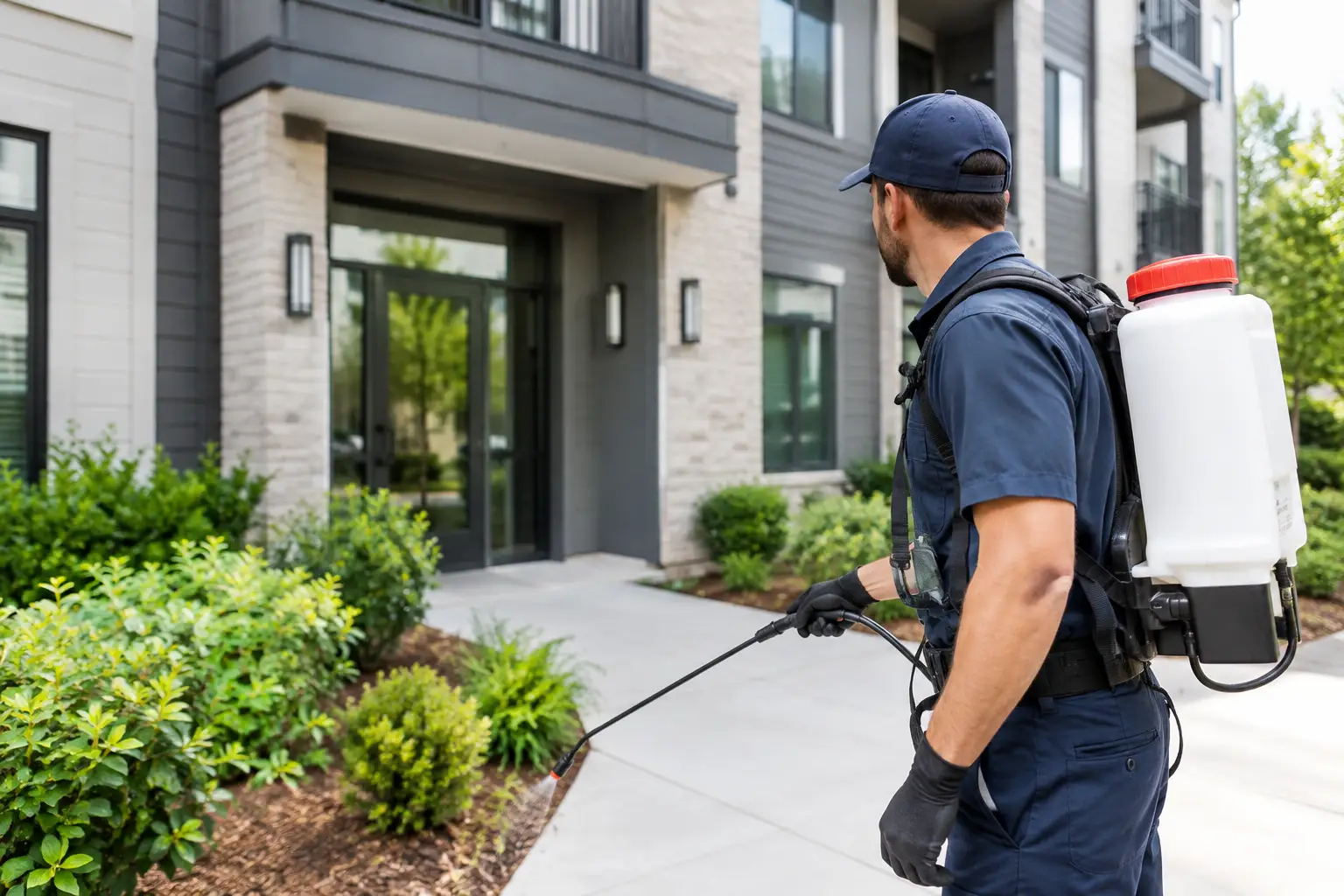
A vacant apartment can look move-in ready while still holding the conditions that let pests return: food residue behind an appliance, a slow leak under a sink, gaps around utility lines, or activity traveling from a neighboring unit. This multifamily turnover pest management guide helps property managers turn unit make-readies into a reliable line of defense, not a last-minute response after a new resident reports a problem.
Turnover is one of the best times to address pest pressure because the unit is accessible, maintenance work is already underway, and treatment can be completed without disrupting a resident’s daily routine. The goal is not simply to spray an empty apartment. It is to inspect, correct conducive conditions, treat confirmed activity, and document what was done before the next move-in.
Build Pest Control Into the Turnover Schedule
Pest service works best when it is scheduled alongside cleaning, maintenance, painting, and final quality checks. Waiting until the final walk-through can create a difficult choice: delay move-in, perform a rushed treatment, or hope a problem remains hidden. None protects the resident experience or the property’s reputation.
As soon as notice is received, flag the unit for a pest-history review. Look at prior work orders, resident complaints, technician reports, and nearby units with known activity. A recent cockroach issue, recurring ants, rodents in a lower-level unit, or reports from adjoining apartments should change the scope of the inspection.
Timing depends on the pest and the condition of the unit. A clean apartment with no history may only need a preventive inspection and exclusion work. A unit with confirmed cockroach activity may need targeted treatment, follow-up monitoring, and attention to surrounding units before it is cleared. Bed bug concerns require an especially careful, documented response because a visual check alone may not reveal every stage of activity.
A practical turnover sequence is simple: inspect after the former resident has removed belongings, complete cleaning and repairs, perform the appropriate pest treatment, then conduct a final inspection before keys are released. When treatment requires a follow-up visit, build that timeline into leasing expectations rather than compressing it.
Inspect the Unit Like a Pest Would
A pest inspection should be systematic. Start at the entry and move room by room, checking the areas where pests find food, water, shelter, or pathways to another unit. Technicians and maintenance teams should use the same inspection standards so observations do not get lost between departments.
In kitchens, inspect beneath and behind refrigerators, ranges, dishwashers, and cabinets. Look for droppings, shed skins, egg cases, grease buildup, moisture damage, and gaps around plumbing. Cockroaches often concentrate near water and warmth, while ants may follow moisture or food sources into cabinet voids.
In bathrooms and laundry areas, check beneath sinks, around toilet plumbing, behind washers and dryers, and at wall or floor penetrations. Slow leaks matter. A small amount of recurring moisture can support pest activity long after a unit appears clean.
Bedrooms, closets, and living areas call for a different focus. Inspect baseboards, outlet covers, bed frames left behind, closet seams, upholstered furniture if it remains, and cracks around trim. For bed bug concerns, trained inspection and appropriate monitoring are more dependable than assuming a freshly painted room is clear.
Do not stop at the unit threshold. In multifamily properties, shared walls, pipe chases, hallways, trash rooms, utility spaces, and exterior entry points can connect one apartment’s issue to another. If evidence is found near a common wall or utility line, evaluate adjacent, above, and below units as conditions warrant. Treating only the visibly affected unit may provide temporary relief while the source remains active nearby.
Correct the Conditions That Invite Pests
Treatment is necessary when pests are active, but it cannot carry the entire burden. A turnover is the right time to fix the conditions that make an apartment attractive in the first place.
Cleaning crews should remove food debris from appliance voids, cabinet corners, drawers, and floor edges, not just visible surfaces. Maintenance should repair leaks, replace water-damaged materials when needed, and ensure sink and tub areas are dry. Trash should be removed promptly from vacant units, especially during longer turns.
Exclusion is equally valuable. Seal gaps around pipes, conduit, vents, and baseboards using materials appropriate for the opening and location. Repair worn door sweeps and screens, close holes in walls or flooring, and make sure exterior doors close properly. Rodents can use surprisingly small openings, and insects often follow plumbing and utility pathways that were never sealed after construction or repairs.
Avoid treating exclusion as a cosmetic repair. A small gap behind a kitchen cabinet may be out of sight, but it can be a direct route between units. In older properties, recurring issues often point to building pathways rather than a failure by one resident to keep a tidy home.
Match Treatment to the Pest and the Building
There is no one-size-fits-all turnover treatment. Broad, routine applications may be appropriate in some preventive programs, but confirmed infestations need a pest-specific plan based on inspection findings, unit layout, and the risk of spread.
Cockroach control commonly requires targeted products in harborages, careful sanitation, and monitoring to measure whether activity is declining. Rodent work may include exclusion, trapping, and inspection of exterior conditions, dumpster areas, and utility access points. Ant service often depends on identifying moisture sources, entry routes, and the species involved. For bed bugs, proper identification, preparation, treatment, and follow-up are essential.
The trade-off is straightforward: a quick treatment can help when evidence is limited and the unit is otherwise sound, but a more involved response is worth the time when pests may be established or moving through a building. Trying to save a day on the turnover calendar can cost far more in resident complaints, concessions, additional treatments, and lost trust after move-in.
Safety should guide every decision. Treatments should be selected and applied by qualified professionals, with clear instructions for reentry, preparation, and any follow-up steps. Pest Xperts works with multifamily properties using property-specific treatment scopes, because building size, unit layout, pest history, and surrounding conditions all affect the right approach.
Document the Work Before the New Resident Arrives
A strong turnover record protects the property team and helps identify patterns over time. Keep inspection notes, photos when appropriate, treatment details, product and application records, repair requests, and follow-up recommendations in the unit file or property management system.
Documentation is not just for an active infestation. It can reveal that several units on the same stack have plumbing gaps, that a particular trash area is attracting rodents, or that cockroach reports increase after certain maintenance events. Those patterns allow managers to budget for a building-level correction instead of paying for repeated unit-by-unit service.
Before move-in, confirm that all treatment instructions were completed, repairs are closed out, and no fresh evidence of activity is present. If monitoring devices were used, check and record the results. A final check should be performed after cleaning, since cleaners may uncover evidence behind appliances or inside cabinets that was not visible during the initial inspection.
Give New Residents a Clear Starting Point
Move-in communication should be calm, practical, and brief. Residents should know how to report pest activity quickly, where to submit maintenance concerns such as leaks, and why prompt reporting helps protect their home and neighboring units. They should not feel blamed for reporting a problem.
A simple move-in reminder can ask residents to report sightings, droppings, unusual odors, damaged screens, or plumbing leaks as soon as they notice them. It can also set expectations about keeping food stored, disposing of trash regularly, and following preparation instructions if service is scheduled. Clear communication turns residents into early-warning partners rather than the last people to learn there is a building issue.
For Utah multifamily operators, seasonal changes can add pressure. Rodents may seek indoor shelter as temperatures drop, while ants and other insects become more visible during warmer periods. Consistent inspections and responsive reporting matter more than relying on a calendar alone.
A well-managed turnover sends a message before a resident ever unpacks: this property is clean, cared for, and prepared. When a unit has a pest history or conditions that need extra attention, address them fully before move-in. That extra care protects the next resident, the surrounding apartments, and the long-term health of the property.
continue reading
Related Posts

Learn the right pest inspection frequency for Utah homes, rentals, and businesses, plus the warning signs that call for a professional inspection now.
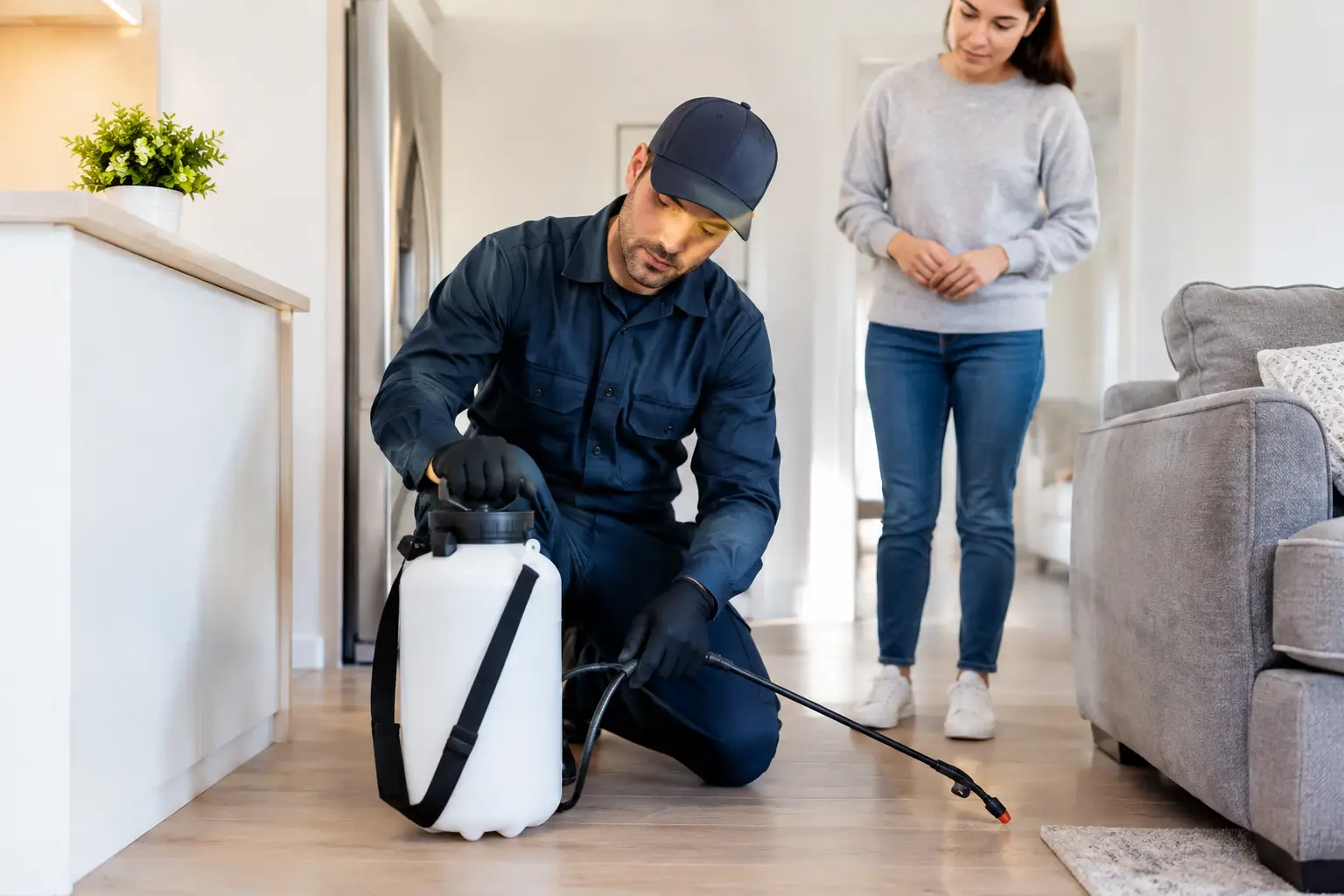
Learn how to prepare for extermination with simple steps that protect your family, improve treatment results, and help your Utah property return to normal.
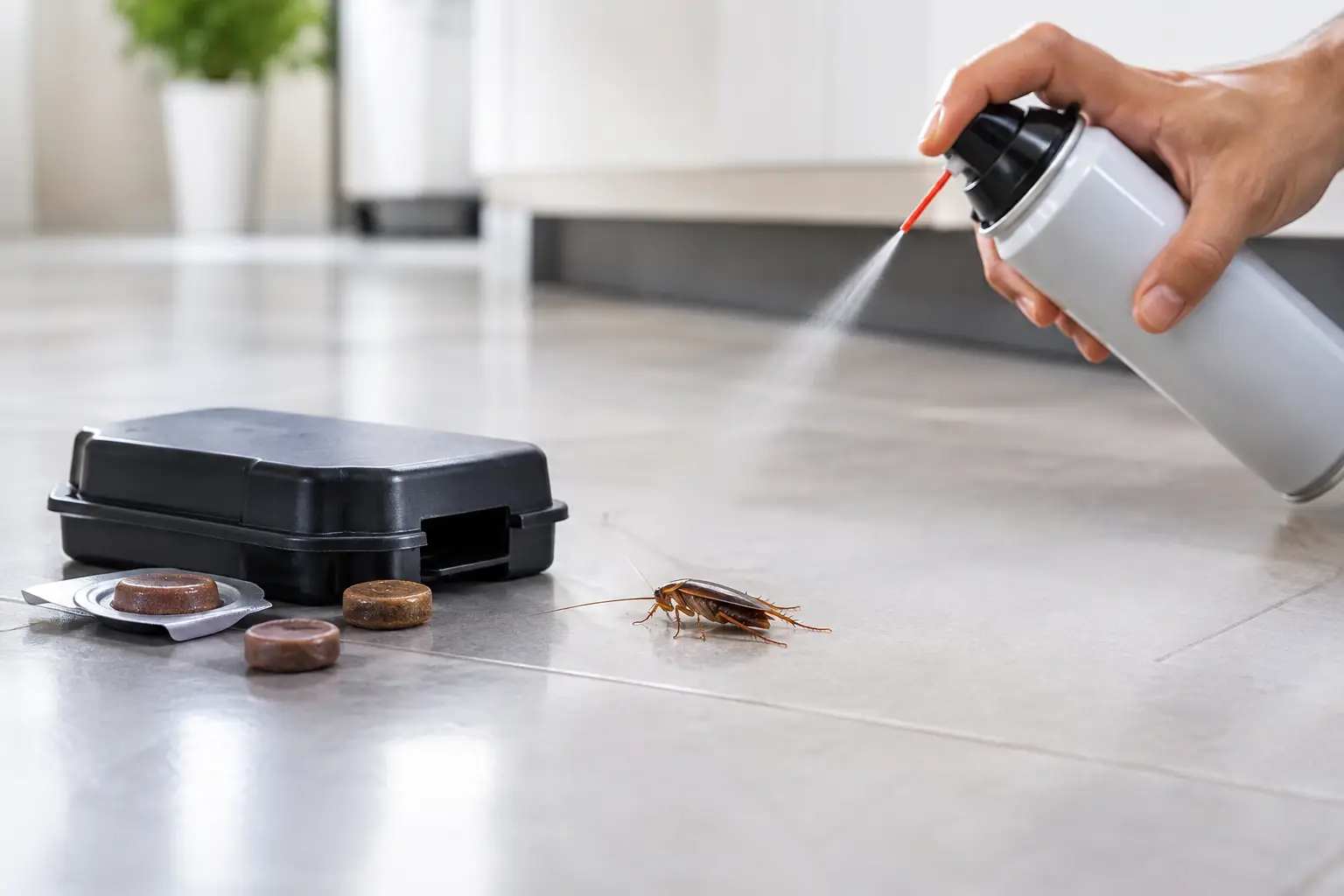
Cockroach bait versus sprays can affect safety, speed, and lasting control. Learn when each treatment works and when professional help is needed at home.