
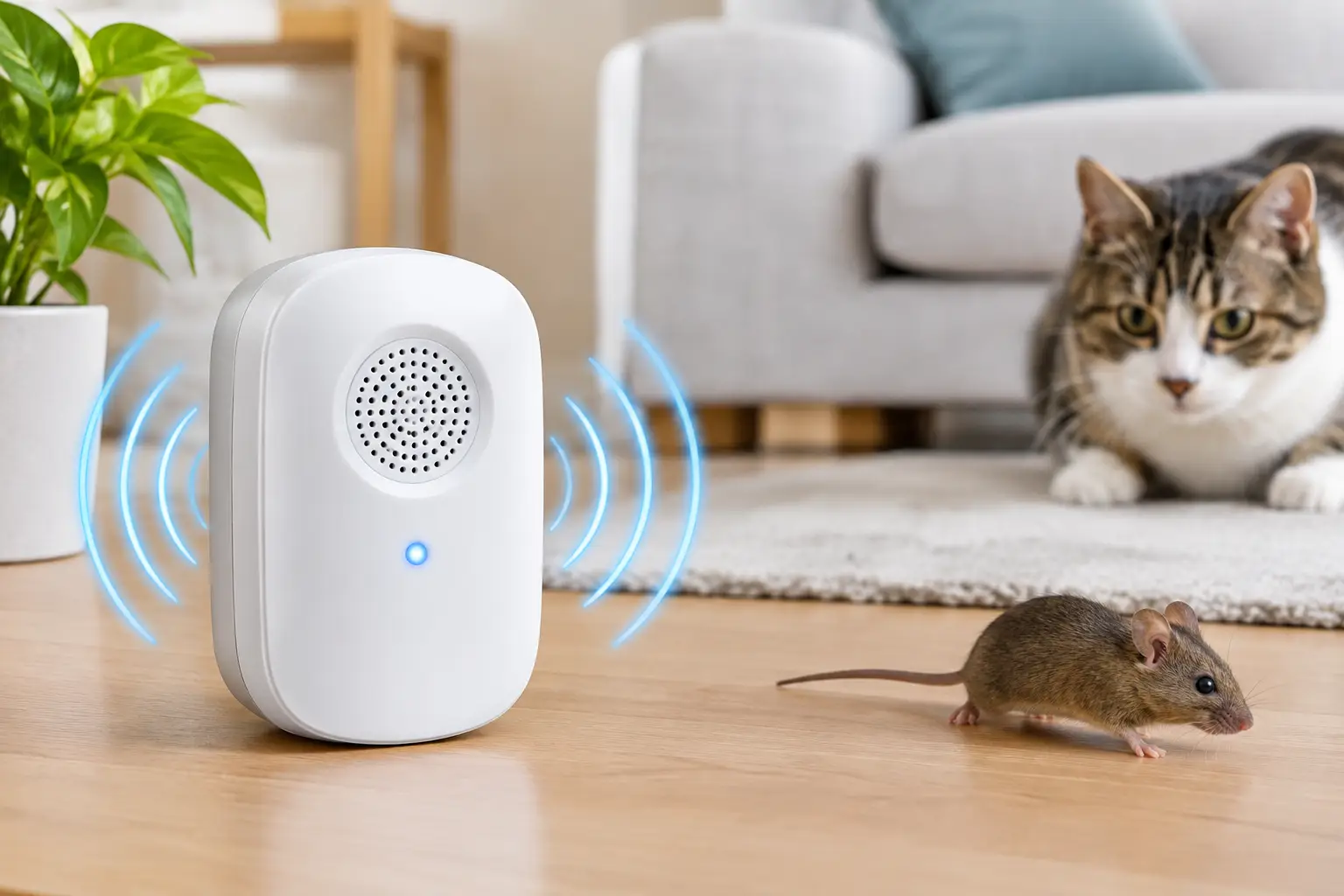
A mouse scratching in a wall or roaches appearing after dark can make a plug-in ultrasonic device sound like an easy answer. This ultrasonic repellent review takes a clear look at that promise: Can a small device that emits high-frequency sound actually protect your home, rental property, or business from pests?
For most active pest problems, the dependable answer is no. Ultrasonic repellents may create a short-lived disturbance in limited situations, but they are not a proven replacement for inspection, exclusion, sanitation, and targeted professional treatment. That distinction matters when you are trying to protect your family, tenants, inventory, or property from a problem that tends to grow when it is ignored.
What an Ultrasonic Repellent Is Supposed to Do
Ultrasonic repellents are plug-in devices that emit sound at frequencies above the normal range of human hearing. Manufacturers often claim the sound makes an indoor environment uncomfortable for mice, rats, cockroaches, spiders, ants, and other pests, encouraging them to leave without traps, sprays, or service visits.
The appeal is understandable. These units are generally inexpensive, require little setup, and do not leave a residue on floors or counters. For homeowners concerned about pest-control products around children or pets, a device that simply plugs into the wall can feel like a safer first move.
However, “easy to use” and “effective pest control” are different things. A pest response needs to account for the species involved, where it is nesting or traveling, what food and water it can access, and how it is getting inside. A sound device does not address most of those conditions.
Ultrasonic Repellent Review: What the Evidence Means
Research and real-world pest control experience have not shown ultrasonic devices to be consistently effective at eliminating or preventing household pest infestations. Pests may initially react to an unfamiliar sound, but they can become accustomed to it. If rodents have shelter, food, and a nesting site in a wall, attic, garage, or utility area, they have strong reasons to stay.
Sound also has a major practical limitation: it does not travel well through obstacles. Furniture, cabinets, walls, appliances, boxes, and even soft materials can block or weaken ultrasonic waves. One unit in a kitchen outlet cannot cover the hidden voids behind cabinets, the gaps around plumbing, or every corner of an adjoining pantry.
That makes broad claims especially questionable. A device marketed for an entire home may only affect an open portion of one room, and even that effect may be temporary. It cannot seal an exterior gap, remove a roach harborage, or stop a mouse from entering through a damaged vent screen.
Rodents may avoid it briefly, then adapt
Mice and rats are cautious animals, and a new noise can influence their behavior for a short period. But rodents are highly adaptable. If a food source remains available or a warm nesting location is established, they may simply adjust their route or tolerate the sound.
Rodent activity should also be treated as more than an annoyance. Droppings, chewed wiring, contaminated food, and damaged insulation create health and property concerns. Waiting to see whether a plug-in unit changes the situation can allow a small issue to become a larger one.
Cockroaches and insects need direct control measures
Roaches are not likely to abandon a reliable source of moisture, warmth, and food because of a sound device. They hide in tight cracks, behind appliances, under sinks, and inside wall voids – locations where ultrasonic waves may not reach effectively.
The same applies to many crawling insects. Ants follow scent trails and exploit entry points. Spiders settle where prey is available. Pantry pests develop around stored food sources. Each situation needs a plan matched to the pest rather than a single device intended to repel everything.
The Risks of Relying on a Plug-In Device
The biggest drawback is not usually the device itself. It is the false confidence it can create. When people believe a repellent is handling the problem, they may delay the steps that actually limit an infestation.
For a homeowner, that could mean postponing repairs to exterior gaps, ignoring droppings in a garage, or leaving pet food accessible overnight. For a landlord or multi-family property manager, a delayed response can allow pests to spread between units, increase tenant frustration, and make the eventual treatment more involved.
There is also a safety consideration. Some devices are marketed as safe for all pets because people cannot hear the sound. That does not automatically mean they are appropriate around every animal. Small mammals, birds, and other pets may hear frequencies that humans do not. Read the product instructions carefully and consider your specific household before operating any electronic repellent near pets.
When an Ultrasonic Device Might Have a Limited Role
An ultrasonic unit is not necessarily harmful when used as a supplemental measure according to its instructions. In a clean, low-risk area with no sign of active infestation, a homeowner may choose to use one for peace of mind.
But it should not be the only line of defense. Think of it as an optional extra, not as pest prevention or treatment. If you see live pests, droppings, gnaw marks, egg cases, grease marks along baseboards, unusual odors, or recurring activity, use methods that can be inspected and measured.
A good test is simple: Can you tell whether the device has solved the cause of the problem? If the answer is no, it is not a complete pest-control plan.
What Works Better for Utah Homes and Properties
Effective pest prevention is usually less dramatic than a plug-in solution, but it is much more dependable. It starts with reducing access and removing the conditions pests need to survive.
For rodents, inspect around utility lines, siding, foundations, garage doors, vents, and door sweeps. Mice can fit through surprisingly small gaps, so sealing openings with appropriate materials is essential. Keep storage off the floor when possible, manage birdseed and pet food, and address leaks or standing water around the property.
For cockroaches and other crawling pests, focus on moisture control, food storage, sanitation, and the cracks where pests hide and travel. Clean grease and crumbs from kitchen surfaces, repair plumbing leaks, avoid overfilled cardboard storage, and inspect incoming boxes or secondhand items. These steps are especially valuable in apartments and multi-family properties, where pest conditions can overlap across shared walls and utility routes.
Professional service adds another layer of protection because it begins with identification and inspection. A treatment plan for cockroaches should not look exactly like a rodent plan, and neither should be based only on the square footage of a room. The building layout, pest pressure, entry points, and occupancy all matter.
At Pest Xperts, that property-specific approach helps homeowners and property managers address the conditions behind the activity, not just the pests that happen to be visible that day.
When to Call for Professional Help
Call for an inspection when activity continues after basic cleanup and exclusion efforts, when you find signs in more than one room, or when the issue involves roaches, rodents, bed bugs, or pests in a multi-family setting. Fast action is also wise if tenants report repeated sightings, food areas are affected, or you cannot safely identify the pest.
A qualified technician can inspect likely entry points, determine the pest species, locate contributing conditions, and recommend treatment options that fit the property. That is particularly useful along the Wasatch Front, where seasonal changes can push pests indoors seeking warmth, water, and shelter.
An ultrasonic device may be a convenient item to try, but it should not be the reason a real pest problem goes unaddressed. If you are seeing signs of activity, protect the space by finding the source and choosing a plan that can deliver clear, lasting results.
continue reading
Related Posts

Learn the right pest inspection frequency for Utah homes, rentals, and businesses, plus the warning signs that call for a professional inspection now.
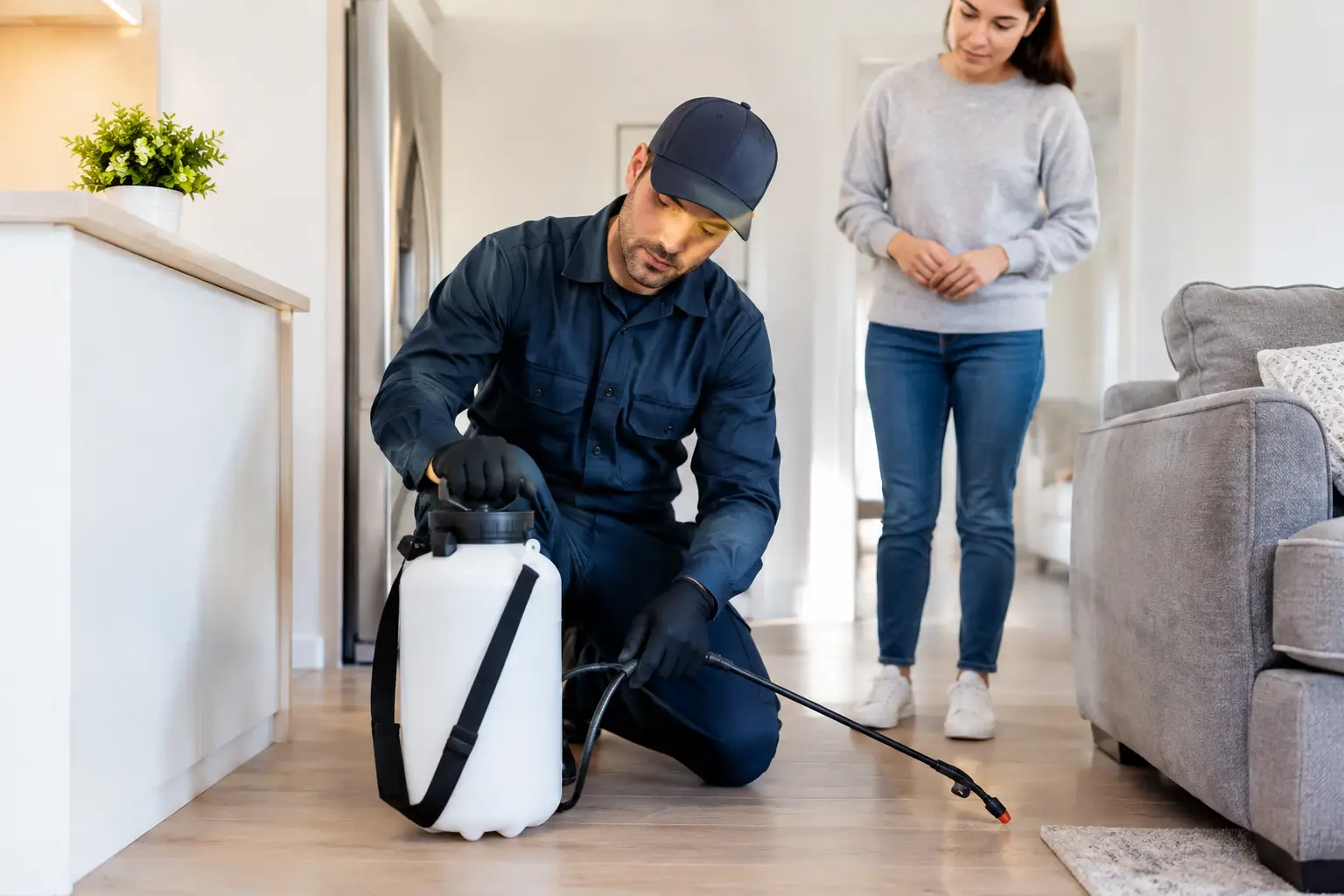
Learn how to prepare for extermination with simple steps that protect your family, improve treatment results, and help your Utah property return to normal.
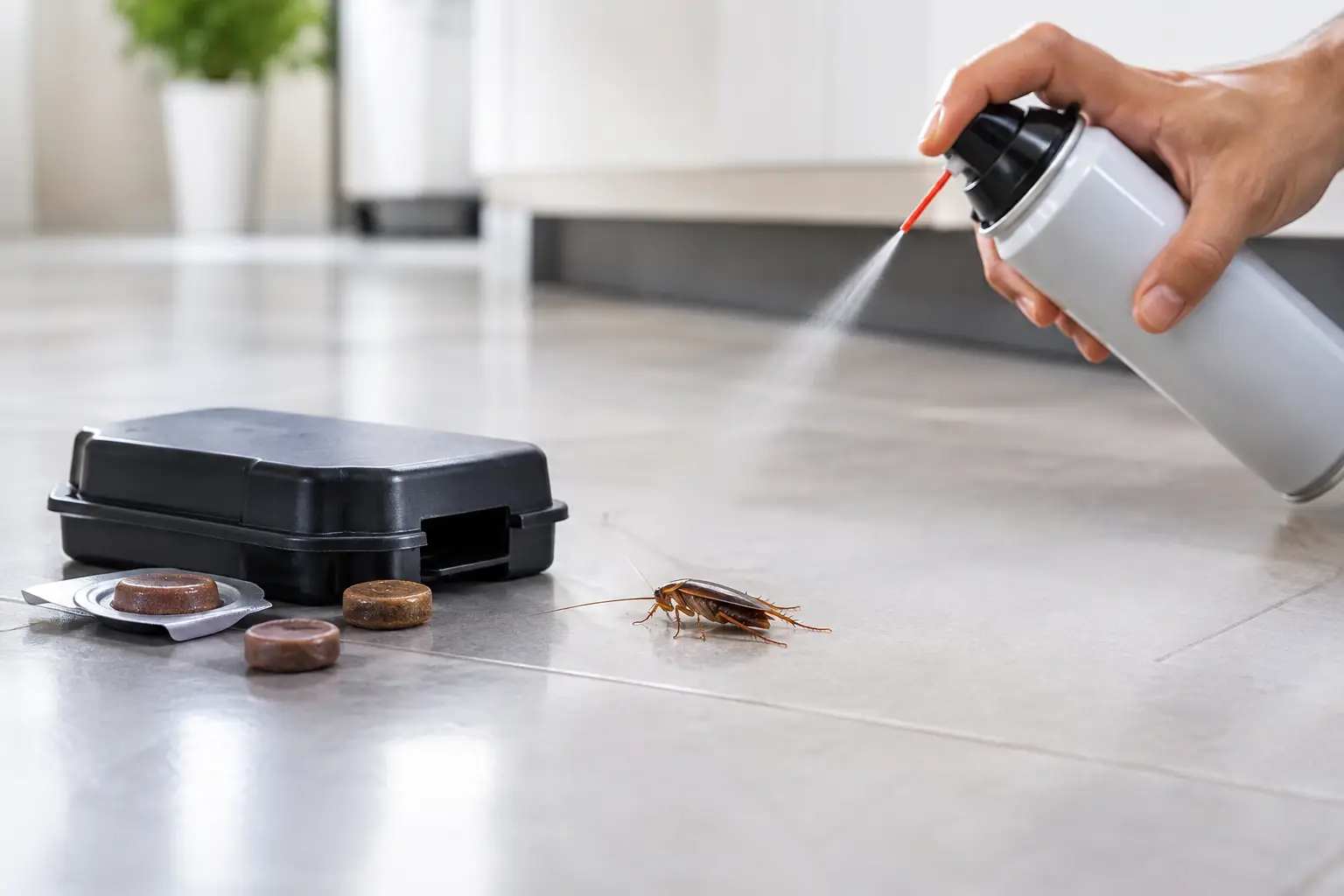
Cockroach bait versus sprays can affect safety, speed, and lasting control. Learn when each treatment works and when professional help is needed at home.