
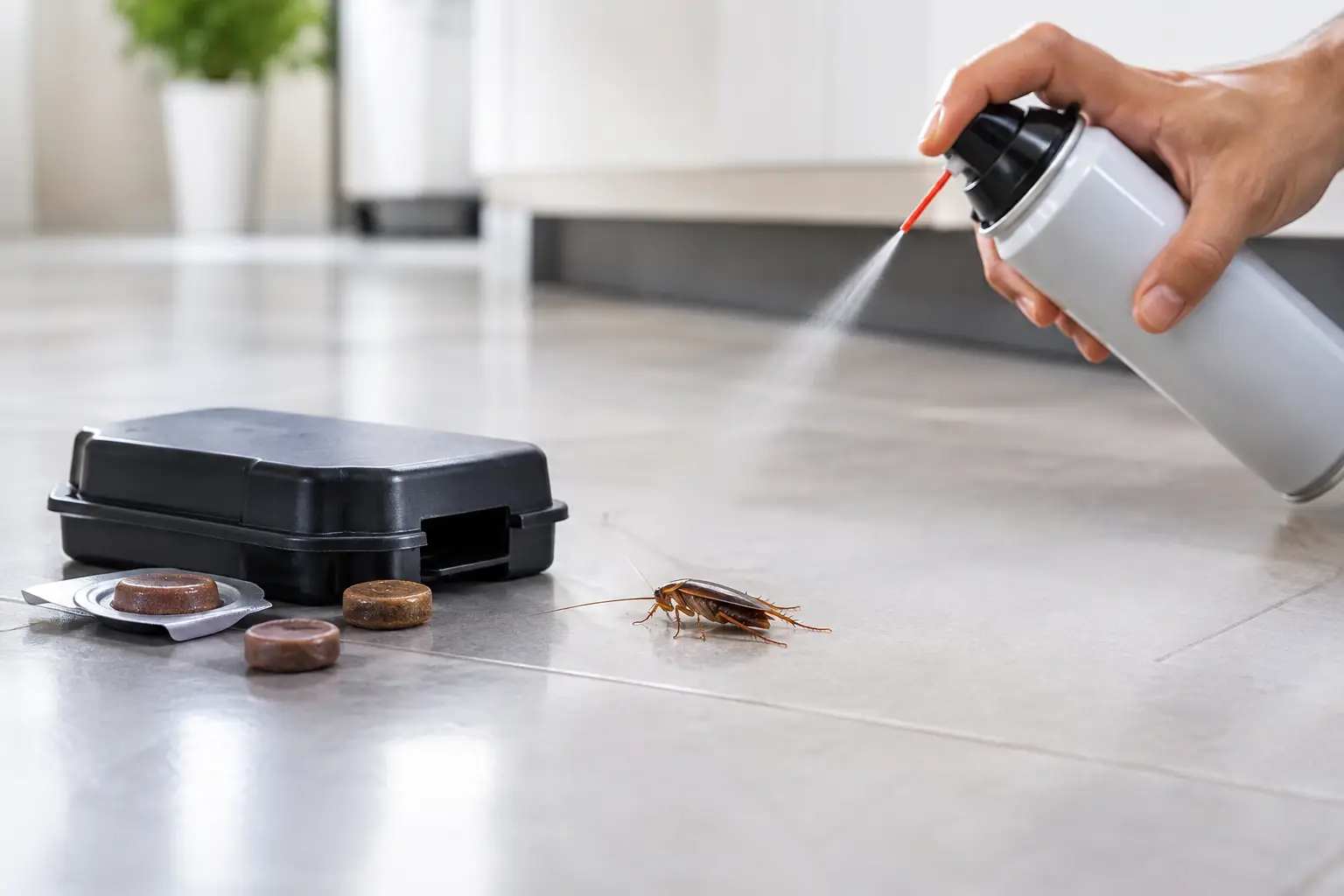
A cockroach seen in the kitchen at night is rarely the whole problem. With cockroach bait versus sprays, the better choice depends on whether you need to kill the roach you can see, reach the ones you cannot, or do both without creating a larger issue.
Sprays can provide fast relief, while bait is usually the stronger tool for controlling an established infestation. The difference matters because cockroaches hide in cracks, behind appliances, inside wall voids, and around plumbing. A treatment that only reaches exposed roaches may make the situation look better for a few days while the population remains active nearby.
Cockroach bait versus sprays: the key difference
Cockroach bait works by attracting roaches to an edible insecticide. A roach feeds on the bait, returns to its hiding place, and dies later. Depending on the bait and the roach species, other roaches may also be exposed through contact with droppings, shed skins, or dead roaches. That delayed action is a benefit, not a weakness. It gives the roach time to carry the active ingredient back toward where the infestation is concentrated.
Sprays work differently. Contact sprays kill only when the product reaches the cockroach directly. Residual sprays leave an insecticide on a treated surface so roaches may pick it up as they travel through the area. This can be useful around entry points, cracks, and protected travel routes when it is applied correctly.
The practical distinction is simple: bait is designed to draw hidden cockroaches out to feed, while spray is designed to kill roaches that cross or are hit by a treated area. One is generally better for colony reduction. The other can be valuable for immediate knockdown and targeted perimeter control.
When cockroach bait is the better choice
Bait is often the first choice when there are repeated sightings, small roaches in kitchens or bathrooms, pepper-like droppings, egg cases, or activity around refrigerators, dishwashers, and plumbing. These signs can point to German cockroaches, a common indoor species that reproduces quickly and thrives near food, warmth, and moisture.
A bait treatment is especially useful because German cockroaches do not spend much time exposed in open rooms. They cluster near harborage areas, often within a few feet of water and food sources. A well-placed gel bait or enclosed bait station can reach them where a homeowner cannot safely or effectively spray.
Bait also makes sense when safety and precision are priorities. It can be placed in small, inaccessible locations rather than broadly applied across floors, countertops, or living spaces. It still must be used according to the product label and kept away from children, pets, and food-preparation surfaces, but its targeted placement is one reason professionals rely on bait programs.
For bait to work, it has to stay appealing. Cockroaches may ignore bait when easy food is available, such as crumbs under an appliance, grease buildup, pet food left overnight, or overflowing trash. Cleaning is not a substitute for treatment, but it helps bait compete. Repairing leaks matters, too. Roaches need water, and even a slow drip under a sink can support activity.
When sprays make sense
Sprays are useful when speed matters. If a large cockroach runs across the floor, a contact spray can kill it quickly. A properly selected residual treatment can also help reduce activity along likely travel routes, including gaps around pipes, utility penetrations, baseboard voids, and exterior entry points.
This approach can be particularly helpful for larger species, such as American cockroaches, that may enter from outside, drains, garages, utility areas, or damp spaces. In these cases, exclusion and exterior treatment may be as important as indoor control. Sealing openings, improving door sweeps, and correcting moisture problems help prevent the next roach from replacing the one just treated.
Still, spray has limits. Roaches can avoid treated surfaces, and excessive indoor spraying may scatter them into new hiding places. Some products can also repel cockroaches away from the areas where you want them to feed on bait. Spraying every visible surface is not a reliable plan, and it can create unnecessary exposure for people and pets.
A spray should never be treated as a substitute for identifying the source. One roach near an exterior door can be an occasional invader. Several small roaches in a cabinet, especially during the day, suggest a more established issue that calls for a more complete approach.
Why mixing bait and spray can backfire
Using both products is not automatically wrong, but placement and timing matter. A common mistake is spraying insecticide directly around or over bait. The spray residue may make the bait less attractive, leaving cockroaches with fewer reasons to feed on it.
Professionals often separate these tools. Bait is placed near active harborages and protected feeding areas. Residual products, when needed, are applied in targeted cracks, voids, exterior zones, or travel paths that do not interfere with the bait. The goal is to reduce the population without pushing cockroaches away from their food source.
Avoid using foggers or bug bombs for an active cockroach infestation. They rarely reach the hidden cracks where roaches live, may drive activity deeper into walls, and can leave pesticide residue over broad areas. They also do not solve the conditions that allowed the infestation to develop.
A better plan for lasting cockroach control
The strongest results usually come from combining treatment with inspection, sanitation, moisture control, and follow-up. Cockroach control is not a one-application problem when a population has had time to establish itself.
Start by looking for the conditions cockroaches use: water, food, warmth, and shelter. Check beneath sinks, behind the refrigerator, around the dishwasher, in pantry corners, and near bathroom plumbing. Vacuum crumbs and debris from tight areas, store dry food in sealed containers, take out trash regularly, and avoid leaving pet food out overnight. Fix leaking pipes and reduce cardboard clutter, which gives roaches protected hiding spots.
In multi-family housing, one unit may not be the only source. Cockroaches can travel through shared walls, plumbing openings, utility lines, hallways, and connected units. Treating a single apartment without inspecting adjacent units can lead to repeat activity and frustrated tenants. Property managers need a coordinated plan that considers the building, not only the most visible complaint.
For homeowners and businesses along Utah’s Wasatch Front, seasonal changes can also influence sightings. Outdoor roaches may look for protected indoor areas as temperatures shift, while indoor species can remain active year-round wherever they find heat, moisture, and food. A thorough inspection helps distinguish an occasional intruder from an infestation that needs ongoing service.
When to call a professional
Professional help is worthwhile when you see roaches during the day, find egg cases or droppings, notice activity returning after store-bought products, or live in a connected housing environment. These signs often mean the roaches are established or the source is beyond the area you can see.
A trained technician can identify the likely species, locate harborage areas, select products that work together, and build a treatment schedule around the property. Pest Xperts can tailor cockroach control to the size, layout, and conditions of a home, apartment community, or commercial facility while keeping family, tenant, and workplace safety in view.
The right treatment is the one that addresses the roaches you see and the ones still hidden behind the walls. Acting early, using bait and sprays for their intended roles, and correcting the conditions roaches depend on gives your property the best chance of staying comfortable and protected.
continue reading
Related Posts
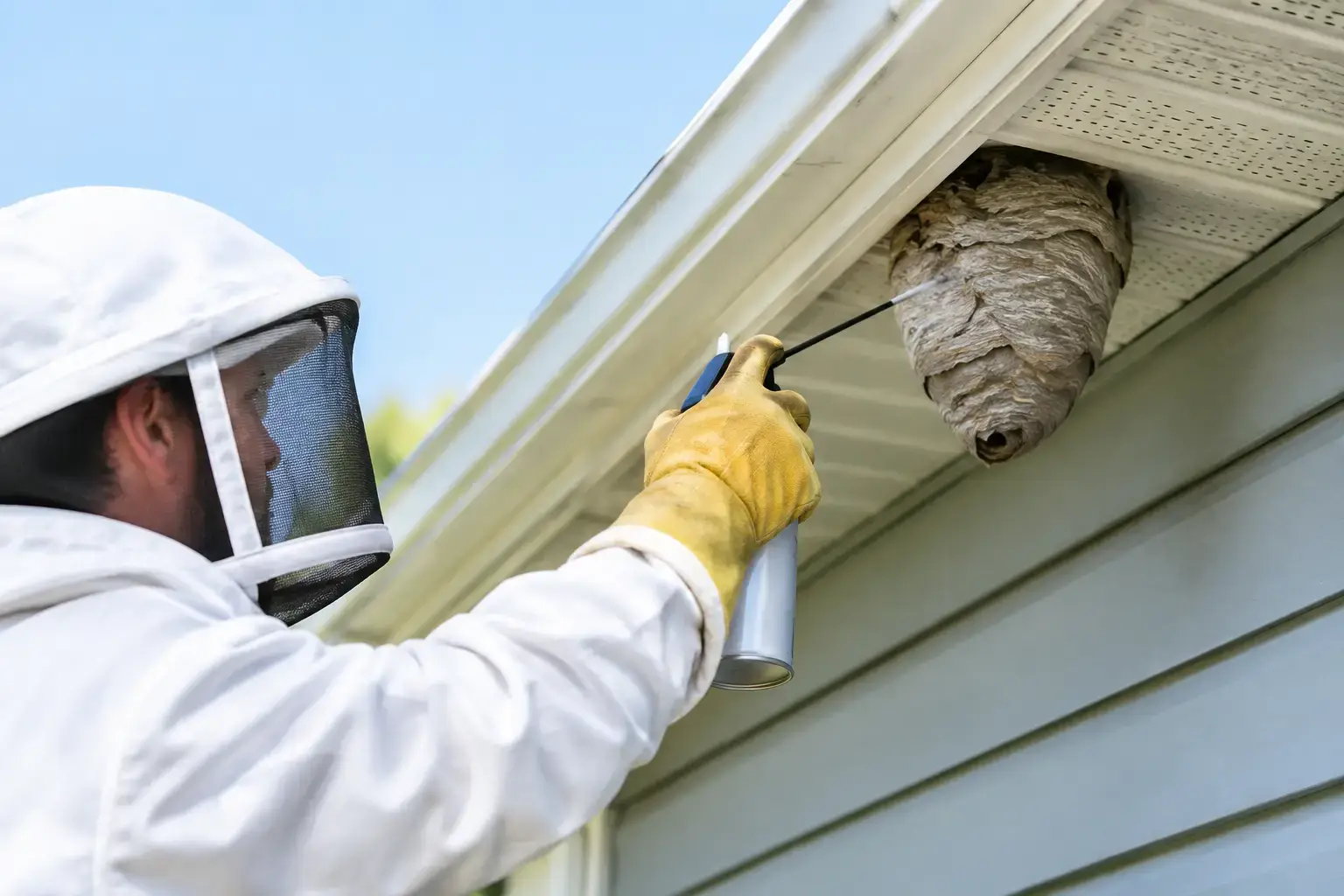
Learn how to remove wasps safely, recognize high-risk nests, and prevent repeat activity around your Utah home, rental property, or business quickly.
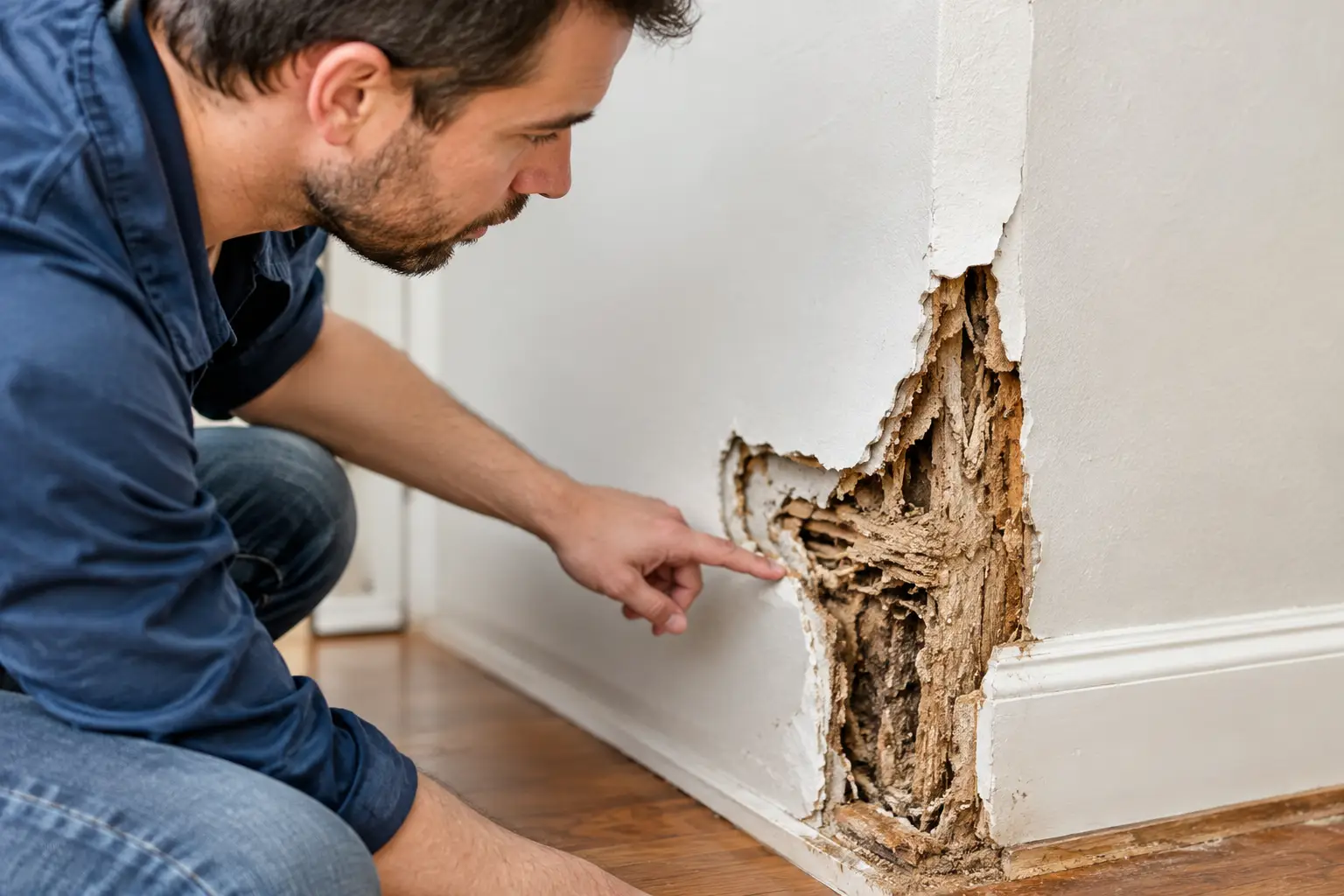
Learn the termite damage signs that merit a professional inspection, from mud tubes and hollow wood to stuck doors, bubbling paint, and swarmers indoors.

Professional versus store pesticides differ in more than strength. Learn when DIY products help and when expert pest treatment better protects Utah homes.