
A single mouse dropping behind the water heater or a line of ants along the kitchen baseboard can be easy to dismiss. But waiting for pests to become obvious usually gives them time to spread, nest, breed, or damage parts of the property you rarely see. The right pest inspection frequency helps catch early activity before it turns into a stressful and costly infestation.
For most Utah property owners, pest inspections are not a one-time task. They work best as part of a prevention plan built around the building, the season, and the type of pest pressure the property faces. A newer, well-sealed home may need a different schedule than an older rental property, a restaurant, or a multi-family community with frequent tenant turnover.
How Often Should You Schedule a Pest Inspection?
For a typical single-family home with no current pest activity, a professional inspection once or twice a year is a practical baseline. Spring and fall are often the most useful times in Northern and Central Utah. Spring inspections identify pests becoming active as temperatures rise, while fall inspections focus on insects and rodents trying to move indoors before colder weather arrives.
That baseline changes when a property has higher risk. Homes with previous infestations, nearby open fields, mature landscaping, crawl spaces, unfinished basements, or frequent moisture issues may benefit from quarterly inspections. Quarterly service gives a technician the chance to spot changes around the exterior, refresh prevention measures, and address small issues before they become established.
Commercial and multi-family properties often need a more consistent schedule. Monthly or quarterly inspections may be appropriate depending on the building use, number of units, sanitation demands, pest history, and tenant traffic. A pest issue in one apartment, restaurant space, or break room can affect many people quickly. Regular monitoring protects tenants, customers, staff, and the property’s reputation.
Pest Inspection Frequency Depends on Your Property
There is no responsible one-size-fits-all schedule. The best frequency reflects what is happening at your property, not just a date on the calendar.
Single-family homes
Many homeowners do well with a spring and fall inspection combined with year-round prevention. This approach is especially useful for homes along the Wasatch Front, where shifting weather can bring different pest pressures through the year. Ants, spiders, wasps, and other insects become more noticeable during warm months. Mice and other rodents become more determined to find shelter as temperatures drop.
If your home has had cockroaches, rodents, bed bugs, or recurring ants, schedule follow-up inspections more often until the issue is fully controlled. Treatment is only part of the solution. Follow-up helps confirm that activity has stopped and identifies conditions that could lead to reinfestation.
Rental and multi-family properties
Property managers and landlords should consider quarterly inspections as a strong starting point, with more frequent service for buildings with active concerns or a history of recurring pests. Shared walls, common utility lines, trash areas, laundry rooms, storage spaces, and frequent move-ins create more opportunities for pests to travel between units.
A regular inspection schedule also makes communication easier. Instead of responding only after a tenant reports a problem, management can identify risks early, document findings, and coordinate treatment with less disruption. This proactive approach supports tenant satisfaction and can reduce the cost of emergency service calls.
Restaurants, offices, and other businesses
Businesses should choose inspection frequency based on the environment and the consequences of pest activity. Food service, healthcare, hospitality, warehousing, and child-care settings generally require more frequent monitoring than a low-traffic office. Monthly inspections are often sensible where food, moisture, deliveries, or heavy foot traffic create ongoing pest pressure.
For offices and retail spaces, quarterly inspections may be sufficient when sanitation and building maintenance are well managed. Still, any signs of rodents, cockroaches, flies, or stored-product pests deserve prompt attention. Waiting for the next scheduled visit is rarely the right call when customer confidence or workplace safety may be affected.
When to Call Before Your Next Scheduled Inspection
Regular inspections are preventive. They should not delay action when you see clear warning signs. Contact a pest professional promptly if you notice activity that suggests pests are already established.
Common signs include droppings in cabinets or utility areas, gnaw marks, unusual odors, insect wings near windows, nests around the exterior, grease marks along walls, damaged food packaging, or repeated sightings of live insects. Seeing a single pest does not always mean there is a large infestation, but certain pests rarely appear alone. Cockroaches, bed bugs, termites, and rodents deserve a timely professional assessment.
You should also request an inspection after a water leak, flood, major renovation, or a period when a property has been vacant. Moisture attracts many pests, construction can expose gaps in the structure, and vacant buildings can give rodents and insects quiet space to settle in unnoticed.
What a Professional Pest Inspection Looks For
A thorough inspection is more than a quick glance around the kitchen. A trained technician looks for pest activity, entry points, conducive conditions, and areas that may require monitoring or treatment. The goal is to understand why pests are present, not simply react to what is visible.
At a home, this may include checking the foundation, doors, windows, soffits, garages, utility penetrations, basements, crawl spaces, attics, plumbing areas, and landscaping near the structure. In multi-family and commercial settings, inspections may also focus on dumpsters, loading areas, common rooms, mechanical spaces, storage, break rooms, and points where pests can move between units.
The findings should lead to a property-specific plan. That may involve sealing entry points, reducing moisture, adjusting sanitation practices, placing monitors, treating targeted areas, or setting a recurring service schedule. Effective pest management is not about applying the same treatment everywhere. It is about matching the service to the building and the actual pest pressure.
Seasonal Timing Matters in Utah
Utah’s dry climate does not eliminate pest problems. It simply changes how and when many pests seek food, water, and shelter. Spring is a smart time to inspect for emerging ants, spiders, wasps, and overwintering insects. It is also a good time to identify exterior gaps before summer activity increases.
Summer inspections are valuable for properties with active outdoor spaces, irrigation issues, fruit trees, gardens, or frequent gatherings. Standing water, overflowing trash, and gaps around patios or garages can encourage pest activity close to the building.
Fall is one of the most important inspection periods for homes and businesses. Rodents look for warmth and reliable food sources, often entering through openings that seem too small to matter. Checking weather stripping, vents, garage doors, roofline gaps, and utility penetrations before the cold arrives can prevent a long indoor problem.
Winter should not be ignored, especially if you hear scratching in walls or ceilings, find droppings, or notice insects appearing near warm interior spaces. Indoor activity during winter can reveal a pest issue that began months earlier.
Can You Inspect Your Own Property?
Property owners can and should watch for changes between professional visits. A quick monthly walk around the exterior can reveal damaged screens, vegetation touching the siding, standing water, open vents, or gaps around pipes and cables. Indoors, keep an eye on under-sink areas, pantry shelves, garages, and places where clutter collects.
However, a do-it-yourself check has limits. Pests often hide in wall voids, attics, crawl spaces, appliance gaps, and other places that are difficult or unsafe to inspect. Some signs are easy to misread, and treating the wrong pest can waste time while the real issue grows.
Professional inspections add experienced identification, a safer treatment perspective, and a clear plan for prevention. For property managers, they also provide a consistent process across units and buildings rather than relying on scattered reports after residents notice a problem.
The best schedule is the one that catches problems early and fits the real conditions of your property. If you have noticed pest activity, moved into a new home, manage multiple units, or cannot remember the last time your building was inspected, now is a good time to get a clear picture of what is happening. Pest Xperts can assess your property and recommend a prevention or treatment plan based on its size, layout, and specific pest concerns.
continue reading
Related Posts
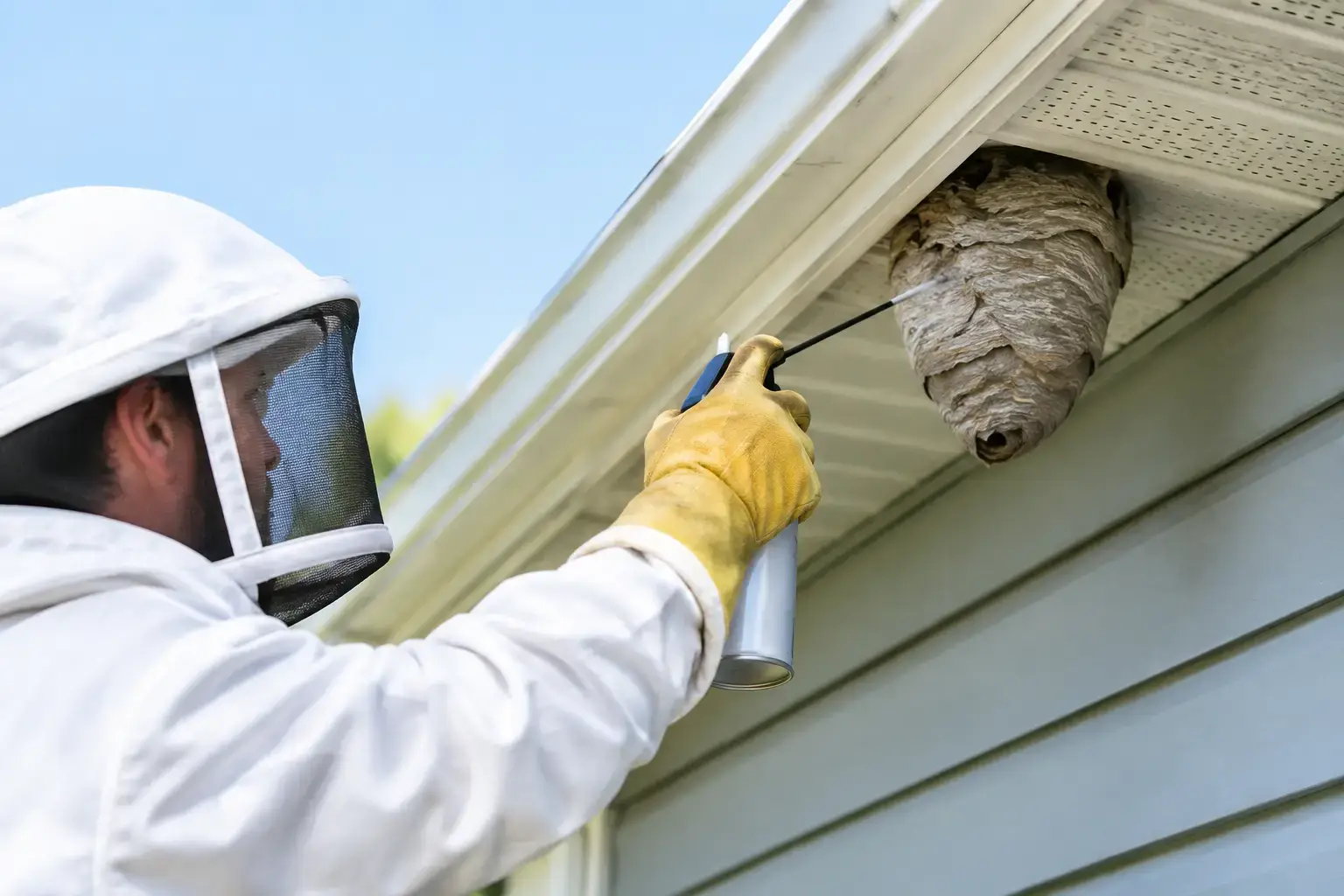
Learn how to remove wasps safely, recognize high-risk nests, and prevent repeat activity around your Utah home, rental property, or business quickly.
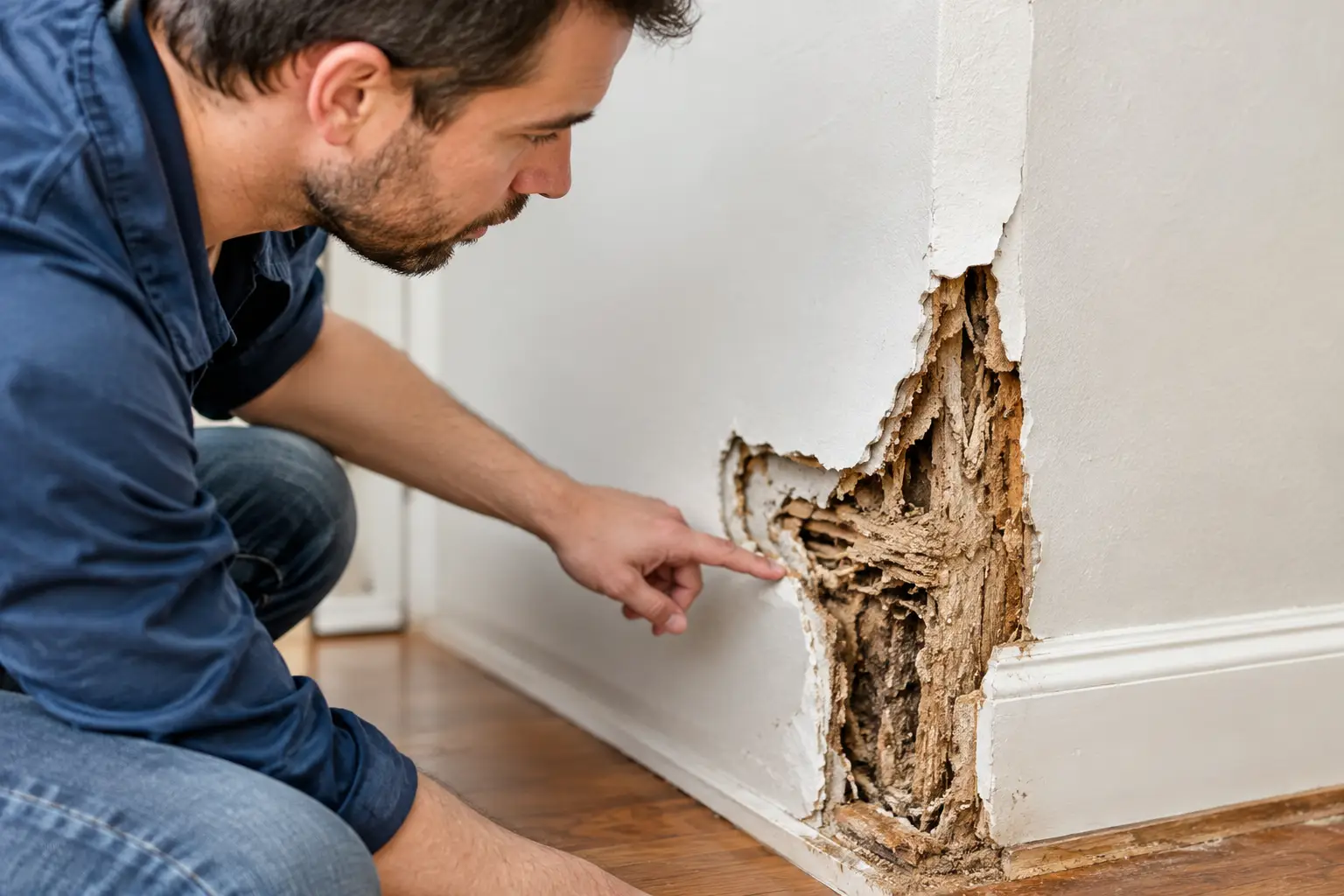
Learn the termite damage signs that merit a professional inspection, from mud tubes and hollow wood to stuck doors, bubbling paint, and swarmers indoors.

Professional versus store pesticides differ in more than strength. Learn when DIY products help and when expert pest treatment better protects Utah homes.