A mouse sighting is stressful enough. Finding droppings under a sink, nesting material in the garage, or a dead rodent near stored belongings creates a different problem: rodent cleanup must be handled carefully to protect the people using the space. Rushing in with a broom or household vacuum can stir contaminated dust into the air and spread it beyond the original area.
Whether the activity is in a family home, a rental unit, a restaurant storage room, or a multi-family common area, the goal is the same. Clean the affected space safely, remove the conditions that attracted rodents, and make sure the infestation is actually under control before calling the job finished.
Why Rodent Cleanup Requires More Than a Quick Sweep
Rodents leave behind more than visible droppings. Urine, nesting materials, food debris, grease marks, and shed fur can contaminate surfaces and stored items. Their presence can also damage insulation, wiring, cardboard boxes, and packaging. In commercial and multi-family settings, a small cleanup issue can quickly become a tenant concern, a maintenance expense, or a complaint that affects your reputation.
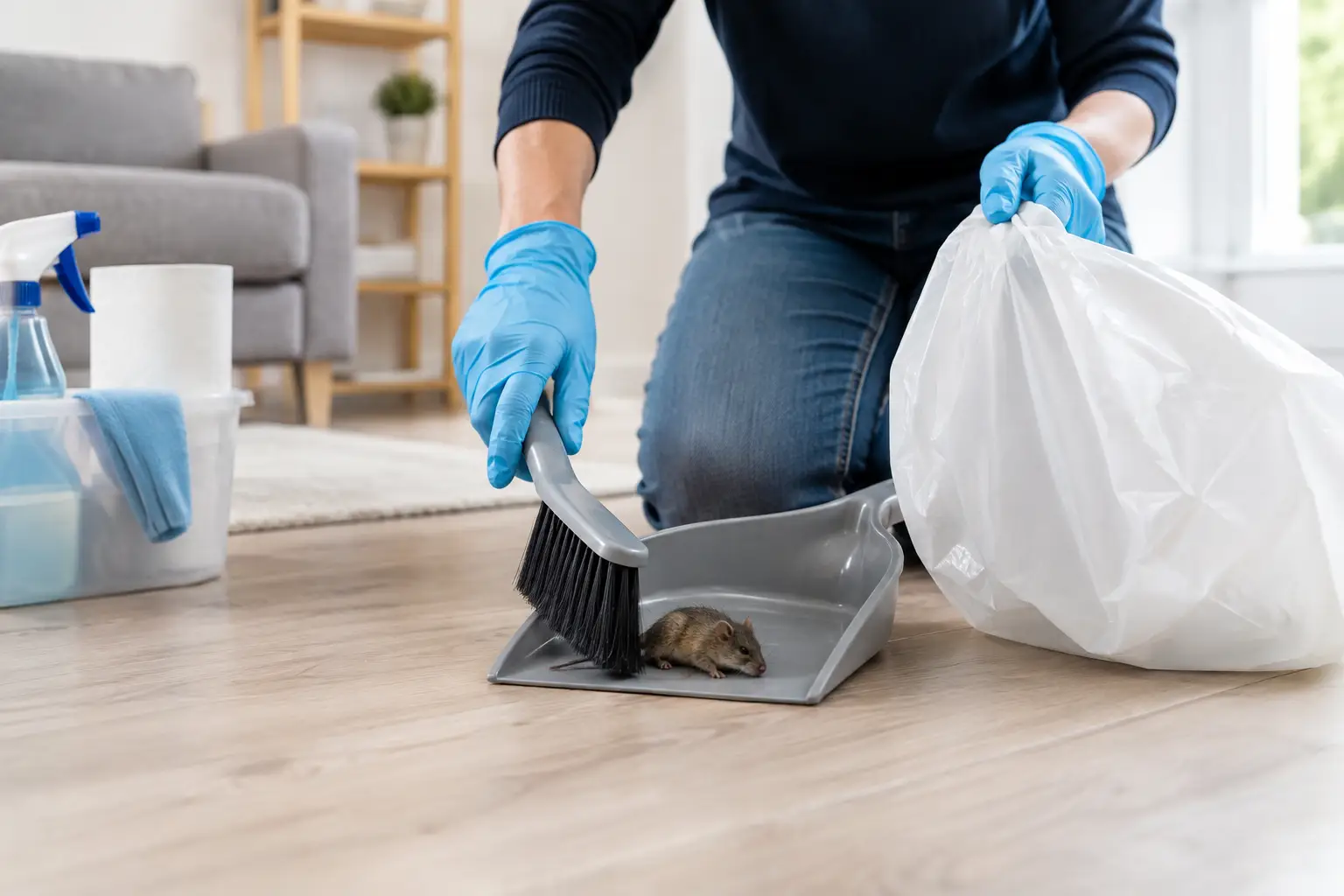
The biggest mistake is dry cleanup. Do not sweep, dust, or vacuum dry droppings, nests, or rodent debris. Those methods can send small particles into the air, where they may be breathed in or settle elsewhere in the room. Instead, wet the contaminated material with an appropriate disinfectant solution first, then remove it carefully.
Cleanup also should not replace pest control. If rodents still have access to food, water, and entry points, new droppings may appear soon after you finish cleaning. The cleanup and the prevention plan need to work together.
Before You Begin Rodent Cleanup
First, confirm that active rodent activity has been addressed. Fresh droppings are generally darker and may look moist or soft, while older droppings are often dull, gray, and dry. New gnaw marks, scratching sounds, and recently disturbed insulation can also point to an active problem. If activity is ongoing, trapping and exclusion should come before a major cleanup whenever possible.
Ventilate the area for at least 30 minutes before cleaning if it has been closed up. Open doors and windows, then leave the space while fresh air circulates. Keep children, pets, tenants, and unnecessary staff out of the cleanup area.
Wear disposable gloves. For heavier contamination, a crawlspace, attic, shed, or other poorly ventilated space, use eye protection and a properly fitting respiratory mask. Wear clothing that can be washed immediately afterward, or disposable coveralls if the contamination is substantial.
You will also need disinfectant, paper towels or disposable rags, sealable plastic bags, and a hard-sided trash container. Avoid using reusable sponges or cloths that could carry contamination into another part of the property.
A Safer Process for Cleaning Droppings and Nests
Start by thoroughly spraying droppings, urine-stained areas, nesting material, and any dead rodents with disinfectant. A household disinfectant used according to its label is a practical option. Let the surface stay wet for several minutes so the solution has time to work.
Once the debris is wet, use paper towels to pick it up. Place the towels, nesting material, and any dead rodents into a plastic bag, seal it, then place that bag inside a second bag before disposal. Double-bagging helps keep waste contained while it is carried through the property.
Disinfect the surrounding hard surfaces after debris is removed. This includes floors, shelves, cabinet interiors, countertops, utility-room ledges, and the areas around appliances where rodents may have traveled. Clean floors with a disinfectant solution or an appropriate cleaner after the initial disinfection step.
Wash gloved hands before removing the gloves, then dispose of them in a sealed bag. Wash hands thoroughly with soap and water afterward. Launder clothing separately on the warmest setting appropriate for the fabric if you wore reusable work clothes.
Soft materials need a more careful decision. Wash bedding, curtains, and washable clothing that may have been contaminated. Cardboard boxes with droppings or urine stains are usually better discarded than saved. For upholstered furniture, rugs, insulation, or documents, the right approach depends on how extensive the contamination is. Light, isolated contamination may be manageable with careful treatment, but widespread nesting or urine damage often calls for a professional assessment.
What About Attics, Crawlspaces, and HVAC Areas?
These spaces can hold a larger volume of droppings and nesting material than homeowners expect. They also tend to have limited ventilation, uneven footing, exposed wiring, and insulation that can trap contamination. Avoid walking through an attic or crawlspace and disturbing debris before the area has been evaluated.
If rodent activity reached ductwork or an HVAC return, consider having the system inspected before running it regularly. A technician can determine whether debris, odors, or damage need specialized cleaning or repairs. Simply spraying air freshener will not solve contamination or prevent a recurring rodent problem.
Prevent the Next Rodent Problem While You Clean
A clean room can still be an easy target for rodents if the access points remain open. House mice can enter through gaps about the size of a dime, and rats need only a slightly larger opening. Inspect around utility lines, foundation penetrations, garage doors, rooflines, vents, and plumbing connections.
Seal appropriate exterior gaps with durable materials that rodents cannot easily chew through. Weatherstripping worn garage doors and exterior doors can make a meaningful difference. Repair damaged screens and make sure vents are properly protected without restricting needed airflow.
Food storage matters just as much. Move dry goods, pet food, birdseed, and bulk supplies out of thin bags or cardboard and into tight, durable containers. Clean crumbs from under appliances, empty indoor trash regularly, and address leaks under sinks or around water heaters. In multi-family properties, a consistent trash and storage policy is often necessary because rodent activity can move from one unit or common area to another.
Outdoor conditions deserve attention, too. Keep clutter, stacked firewood, and dense vegetation away from the foundation when possible. Rodents use those areas as cover while they search for a way inside.
When to Call a Rodent Cleanup Professional
Some cleanup jobs are manageable for a homeowner or maintenance team. A few droppings in an accessible cabinet after the rodent issue has been resolved may only require careful disinfection and better food storage. The situation changes when contamination is widespread, rodents are active, or the affected area is difficult to reach safely.
Professional help is a smart choice when you find heavy droppings in an attic or crawlspace, repeated activity after setting traps, strong odors, chewed wiring, contaminated insulation, or evidence that rodents have moved through several units. Property managers should also act quickly when tenant reports involve shared walls, utility chases, trash rooms, or common areas. Those conditions usually need a property-wide plan rather than isolated unit treatments.
Pest Xperts can assess the scale of rodent activity, identify likely entry points, and build a treatment and prevention plan suited to the property. For Utah homes and commercial properties, that site-specific approach matters because a detached home, a restaurant, and a multi-family building do not have the same risks or the same cleanup needs.
A rodent problem does not have to become a lasting disruption. Handle contaminated areas carefully, correct the conditions that allowed rodents inside, and get qualified help when the job is larger than a safe household cleanup.
continue reading
Related Posts
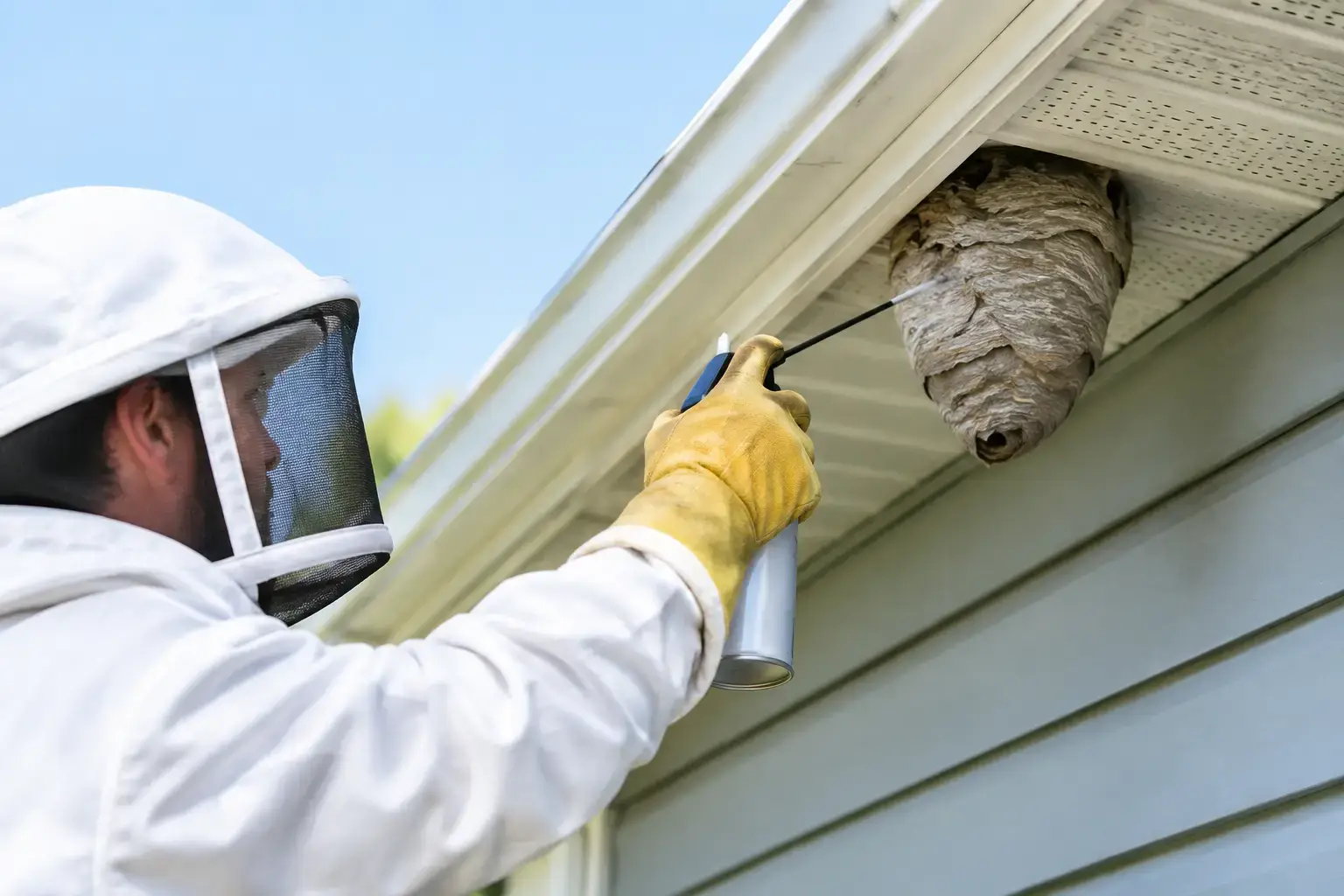
Learn how to remove wasps safely, recognize high-risk nests, and prevent repeat activity around your Utah home, rental property, or business quickly.
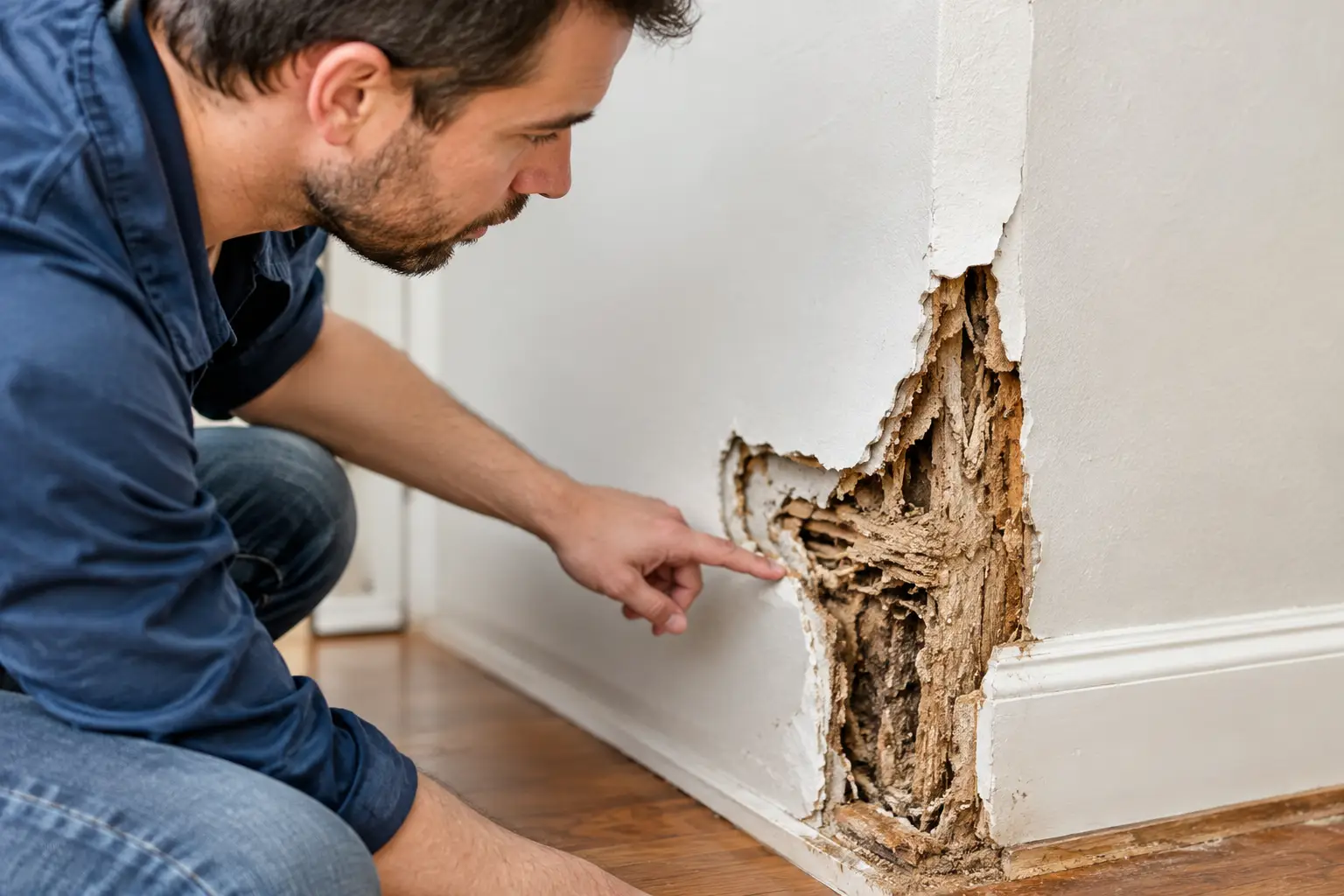
Learn the termite damage signs that merit a professional inspection, from mud tubes and hollow wood to stuck doors, bubbling paint, and swarmers indoors.
Professional versus store pesticides differ in more than strength. Learn when DIY products help and when expert pest treatment better protects Utah homes.