

A single ant on the kitchen counter or spider in the garage may not feel urgent. A pest outbreak is different: activity becomes frequent, spreads into new areas, or starts affecting the comfort, cleanliness, and safety of a property. The right response is not panic or a random spray from the store. It is identifying what is happening, reducing the conditions pests need, and acting before a small issue becomes a larger one.
For Utah homeowners, landlords, property managers, and business owners, timing matters. Changes in weather can push pests indoors, while shared walls, food sources, moisture, and frequent move-ins can allow problems to travel quickly through multi-family properties. Early action usually means a more focused treatment plan and less disruption for everyone involved.
What Counts as a Pest Outbreak?
An outbreak does not always mean hundreds of visible pests. Many pests hide during the day, travel through wall voids, or remain active in areas people rarely inspect. By the time activity is obvious, the source may be established nearby.
A pest problem has likely moved beyond an occasional nuisance when you see recurring activity in the same area, notice pests in multiple rooms, find droppings or damage, or receive complaints from tenants, employees, or guests. Cockroaches, rodents, bed bugs, ants, pantry pests, and flies can all multiply or spread under the right conditions. Each requires a different response, which is why correctly identifying the pest is more useful than treating every sighting the same way.
For example, a few ants may be foraging for a temporary food source. But a steady trail that returns after cleaning can point to a nearby nesting area or a consistent entry point. One cockroach can be concerning, especially in kitchens, bathrooms, and multi-family buildings, because some species reproduce quickly and often remain concealed close to food and water.
Pest Outbreak Warning Signs to Take Seriously
Visible pests are only one part of the picture. Watch for a pattern of evidence, particularly in kitchens, bathrooms, basements, utility rooms, storage areas, and around exterior doors.
- Droppings, shed skins, egg cases, gnaw marks, or damaged food packaging
- Musty, oily, or unusual odors in enclosed spaces
- Pest activity during daylight, which can signal crowding or a larger population
- New bites, tenant complaints, or sightings in several units or rooms
- Moisture problems, standing water, leaking pipes, or overflowing exterior trash
- Gaps around utility lines, doors, vents, foundations, or window frames
A single clue does not always confirm an outbreak. Still, recurring signs deserve attention. Taking a clear photo, noting the location and time of day, and keeping a brief record of sightings can help a technician determine where activity is originating and how far it may have spread.
The First 24 Hours: Smart Steps Without Making It Worse
Your first goal is to limit food, water, shelter, and travel routes. Clean up crumbs and spills, store food in sealed containers, remove clutter from floors and corners, and empty indoor trash regularly. Fixing active leaks and drying damp areas can also make a significant difference, especially with cockroaches, silverfish, and rodents.
Avoid moving potentially affected items from one room or unit to another. This is especially important with bed bugs, cockroaches, and pantry pests. Moving a box, appliance, bag, or piece of furniture without checking it can turn a contained issue into a wider one.
Be careful with over-the-counter treatments. Many products can help with a very limited, clearly identified pest issue when used exactly as labeled. But foggers, excessive spraying, and mixing products can create safety concerns and may drive pests deeper into walls, cabinets, or neighboring units. They can also interfere with professional baiting and monitoring strategies.
If children, pets, tenants, customers, or food-handling areas are involved, the trade-off is even more important. Fast action should not mean using products without a plan. A targeted approach is usually safer and more effective than applying chemicals everywhere activity has been seen.
Why Pest Outbreaks Spread So Quickly in Shared Properties
Multi-family buildings and commercial properties create challenges that are not always visible from one unit or suite. Pests may travel through plumbing lines, wall openings, utility penetrations, hallways, trash areas, deliveries, and shared storage. Treating only the location where pests were seen may reduce activity temporarily without addressing the source.
For property managers and landlords, communication matters as much as treatment. Residents should know what preparation is needed, what areas will be accessed, and how to report new activity. A clear process helps protect tenants while giving the pest management team the information needed to identify patterns across the property.
The same principle applies to restaurants, offices, retail spaces, and warehouses. A fly issue near a break room may be connected to a drain or waste area. Rodent activity in a storage room may relate to an exterior gap, a loading-door issue, or inconsistent waste handling. The most effective solution looks at the building, not just the sighting.
When Professional Pest Treatment Makes Sense
Professional service is the right next step when pests are recurring, multiplying, appearing in more than one area, or creating health, sanitation, or reputation concerns. It is also wise to call for help when you are unsure which pest you are dealing with. Misidentification can lead to wasted time, unnecessary product use, and an outbreak that continues behind the scenes.
A quality inspection should account for the pest involved, where activity is occurring, the size and layout of the property, exterior conditions, sanitation concerns, and likely entry points. Treatment may include targeted applications, baits, traps, exclusion recommendations, monitoring, and follow-up visits. There is no one-size-fits-all plan because a detached home, a fourplex, and a large apartment community do not have the same risk factors.
In Utah, seasonal movement can also influence treatment timing. As temperatures shift, pests may seek warmth, water, or shelter indoors. A prevention plan can be particularly valuable for properties with recurring issues, nearby open space, aging construction, heavy tenant turnover, or frequent deliveries.
Prevention After the Immediate Problem Is Controlled
Once activity drops, prevention keeps the property from becoming an easy target again. Seal accessible gaps around pipes and wiring, repair damaged weather stripping, keep vegetation trimmed away from the structure, and keep stored materials off the floor when possible. Regular cleaning matters, but so does reducing hidden harborage in garages, utility spaces, crawl spaces, and storage rooms.
For homes, a recurring service plan can provide monitoring and seasonal protection before pests become noticeable. For multi-family and commercial properties, routine inspections create a record of activity and help catch trends before they affect more residents, units, or customers.
Pest Xperts can assess the specific conditions at your home, apartment community, or business and recommend a treatment scope that matches the property rather than forcing a generic solution. If pest activity is becoming more frequent, document what you are seeing and request a professional inspection while the problem is still manageable. Prompt, informed action can protect the people who rely on your property every day.
continue reading
Related Posts
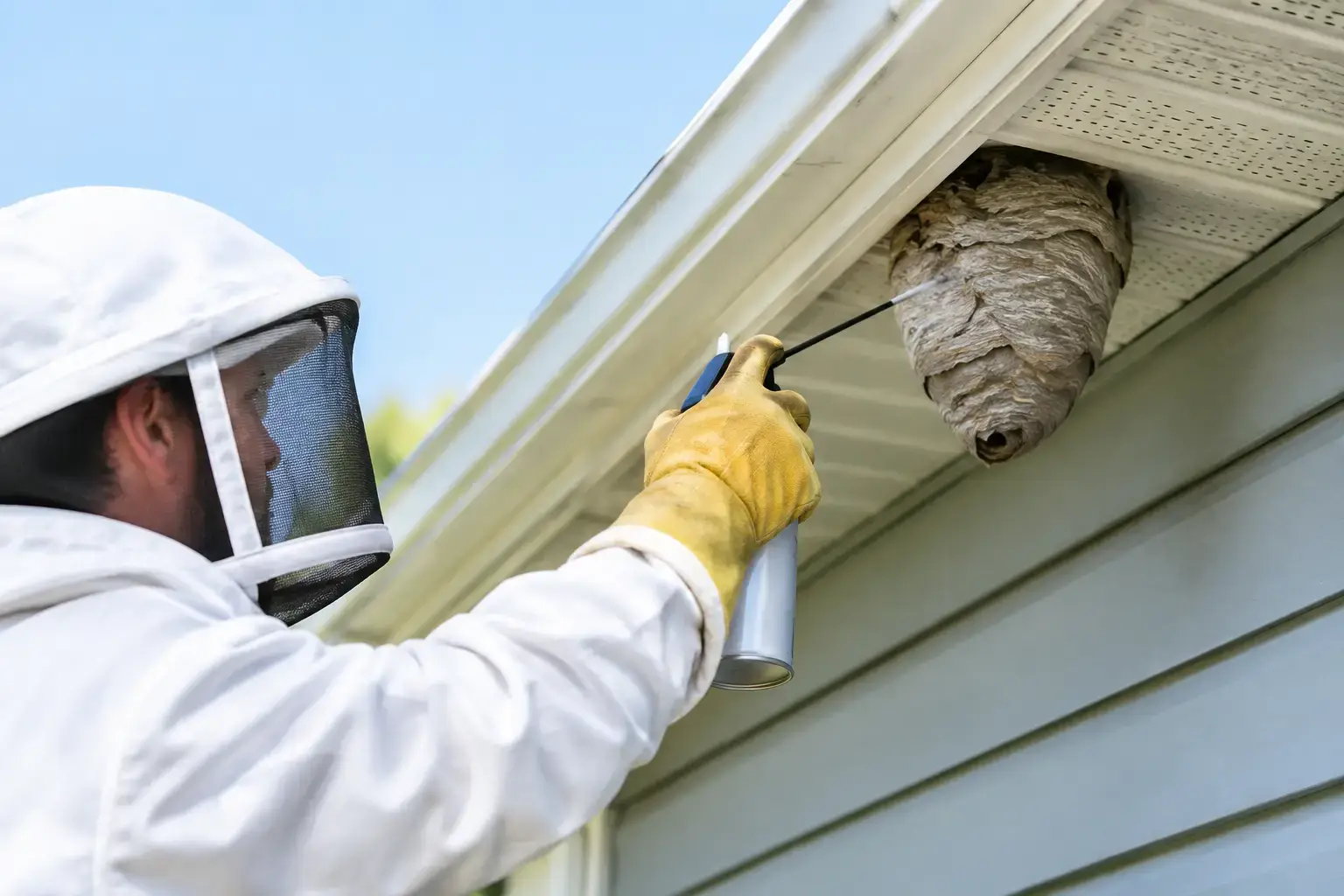
Learn how to remove wasps safely, recognize high-risk nests, and prevent repeat activity around your Utah home, rental property, or business quickly.
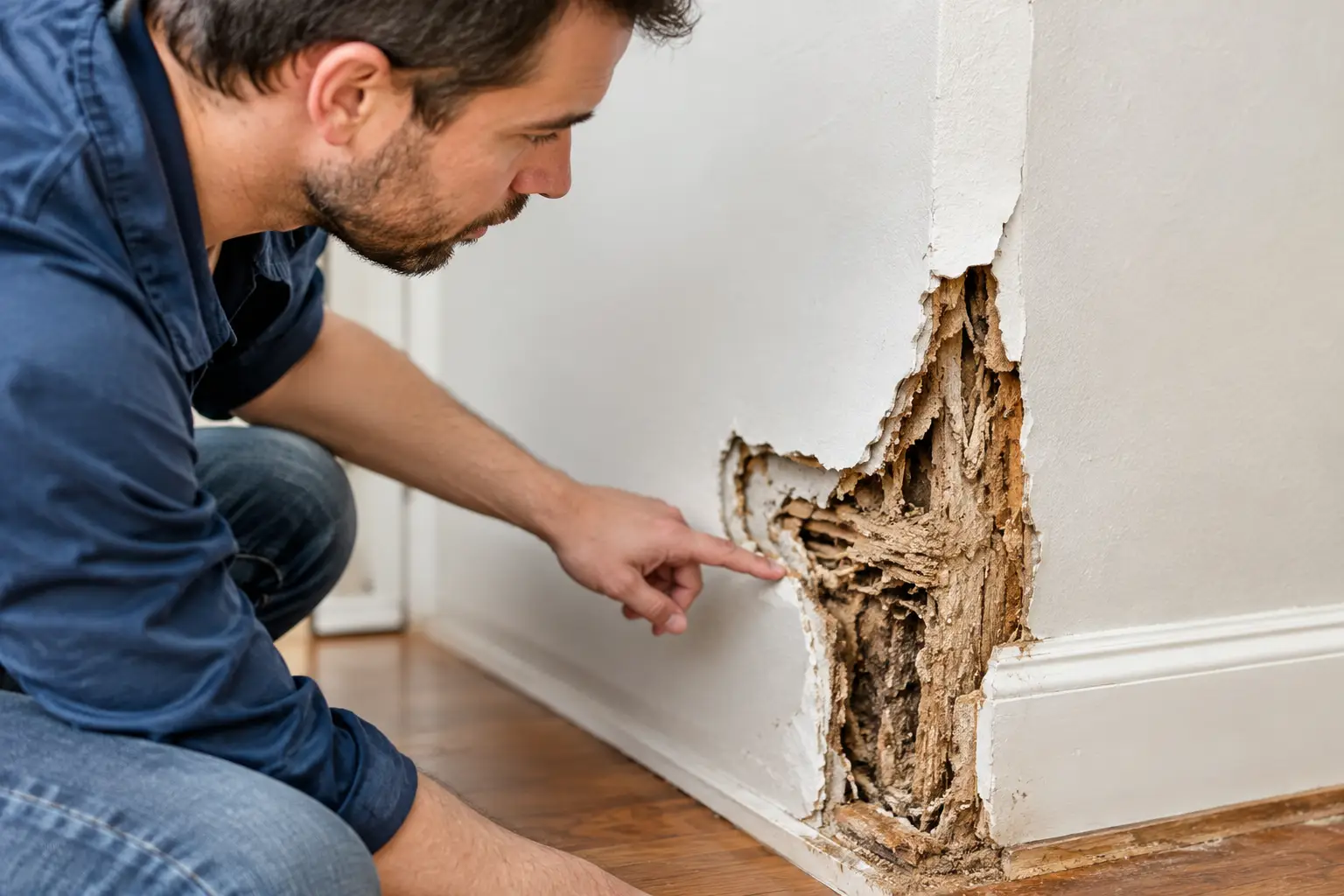
Learn the termite damage signs that merit a professional inspection, from mud tubes and hollow wood to stuck doors, bubbling paint, and swarmers indoors.

Professional versus store pesticides differ in more than strength. Learn when DIY products help and when expert pest treatment better protects Utah homes.