
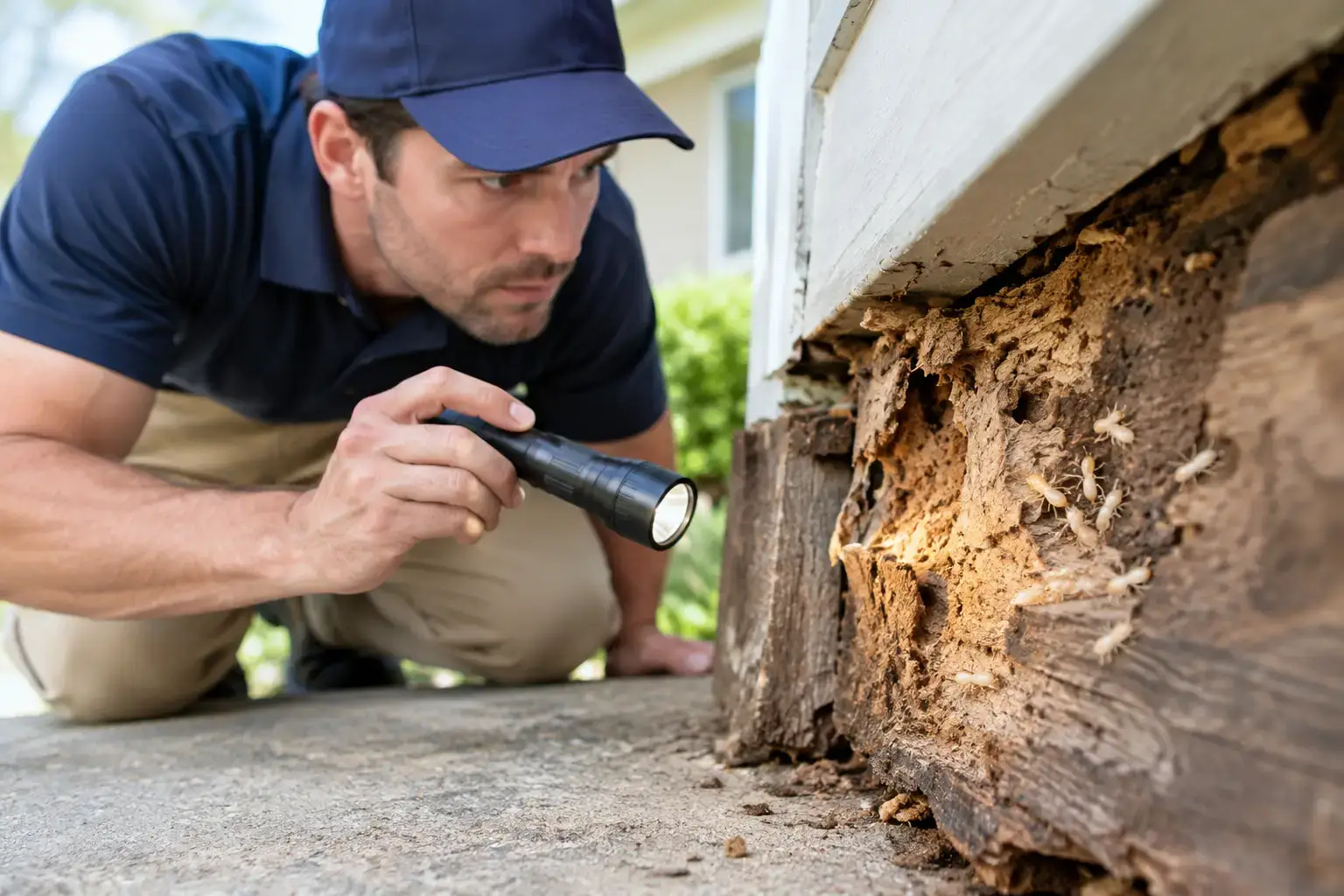
A warm spring afternoon can bring an unwelcome surprise: small, winged insects gathering near windows, lights, or doors. For Utah property owners, termite activity season is the time to take those sightings seriously, not panic. A quick response can help protect the parts of a home or building that termites often damage out of sight.
Termites do not follow a single calendar date. Their activity depends on soil temperature, moisture, food sources, and the construction of the property. Knowing when conditions favor termites – and what evidence to look for – gives homeowners, landlords, and property managers a better chance to address a concern before repairs become extensive.
When Is Termite Activity Season in Utah?
In Northern and Central Utah, termite activity commonly becomes more noticeable in spring as the ground warms. This is when mature colonies may produce swarmers, also called reproductive termites. These winged termites leave the colony to begin new ones, often after rain or during a stretch of warm weather.
For many properties, the most visible period runs from spring into early summer. That does not mean termites disappear for the rest of the year. Subterranean termites live below ground or within protected wood, where temperatures and moisture are more stable. If a colony has access to moisture and a home provides a path to wood, it can continue feeding beyond the short window when swarmers are seen.
Utah’s dry climate can make termite risk seem less urgent than it is. Dry conditions may reduce activity in some locations, but irrigation, leaking plumbing, poor drainage, mulch, and shaded areas near a foundation can create the moisture termites need. A well-watered landscape beside a home can offer very different conditions than the rest of the yard.
Why Spring Swarms Matter
A swarm does not automatically mean termites are inside the structure. Winged termites can come from a colony in the soil, a woodpile, landscaping material, or a neighboring area. Still, swarmers around the interior of a home, especially near windowsills, doors, or light fixtures, deserve prompt attention.
After a swarm, termites shed their wings. Homeowners may find small, matching pairs of wings on a windowsill, in a basement, or near an exterior door. That detail helps distinguish termites from flying ants. Termites generally have straight antennae, a broad waist, and wings that are similar in length. Flying ants have bent antennae, narrow waists, and front wings that are noticeably longer than their back wings.
The difference matters because the treatment approach is not the same. A professional assessment can identify what you are seeing and determine whether it points to an active termite concern, another insect issue, or a colony located away from the building.
Termite Signs That Often Appear Before You See Insects
Termites are called silent destroyers because they feed inside wood, walls, and other protected spaces. The absence of visible insects is not proof that there is no activity. Instead, watch for changes around the foundation, crawl space, basement, garage, and areas with known moisture.
Mud tubes are one of the clearest warning signs of subterranean termites. These narrow, earth-colored tunnels can appear on foundation walls, support piers, plumbing penetrations, or other surfaces between the soil and wood. The tubes help termites travel while staying protected from dry air and predators.
Damaged wood can also provide clues, though it is not always obvious. Wood may sound hollow when tapped, feel soft beneath paint, or show blistering and unusual surface ripples. In more advanced cases, doors may stick, baseboards may become damaged, or a floor can feel uneven. These symptoms can have other causes, including moisture damage, so they should be evaluated rather than assumed to be termites.
For multi-family properties, tenant reports are especially valuable. A resident may notice wings near a window, bubbling paint around a baseboard, or insects emerging from a wall before a maintenance team sees the issue. Clear reporting procedures and fast inspections help prevent a small concern in one unit from becoming a larger property-management problem.
Conditions That Increase Termite Pressure
Termites need food, moisture, and access. Wood touching soil gives them a direct route into a structure, while damp conditions make an area more attractive and can hide damage for longer. The goal is not to make a property perfectly sterile. It is to reduce the conditions that make termite activity easier.
Pay attention to grading around the building. Water should move away from the foundation rather than collect beside it. Gutters and downspouts should direct water away from the home, and leaking exterior faucets, irrigation lines, or plumbing should be repaired quickly. In crawl spaces and utility areas, recurring moisture should be investigated instead of covered up.
Wood storage deserves attention as well. Firewood, old lumber, cardboard, and wood debris are best kept off the ground and away from the structure. Mulch can be useful for landscaping, but heavy layers pressed against siding or foundation walls can hold moisture and make inspections more difficult. Keep a visible inspection gap where possible.
Cracks around utility lines, foundation openings, and gaps near exterior doors should be sealed when appropriate. Sealing is helpful, but it is not a complete termite solution. Subterranean termites can use very small openings and may travel through concealed areas. Prevention works best when moisture management, property maintenance, and professional inspection are considered together.
What to Do If You See Possible Termites
First, avoid spraying the insects or tearing down mud tubes before an inspection. Those actions can make evidence harder to evaluate and may not reach the colony. If possible, take a clear photo of the insect, wings, tube, or damaged area. Note where it was found and whether the area has had water leaks, irrigation, or other moisture issues.
Then arrange a professional termite inspection. A thorough inspection looks beyond the spot where insects were seen. It may include accessible foundation areas, crawl spaces, garages, utility penetrations, exterior wood, and interior locations where signs have appeared. The right recommendation depends on the building’s layout, the extent of evidence, moisture conditions, and whether there is confirmed active activity.
That property-specific approach is particularly important for apartments, townhomes, and commercial buildings. A treatment plan for one unit may need to account for shared walls, nearby units, maintenance access, landscaping, and tenant communication. Treating only the most visible location can leave the underlying conditions unaddressed.
Prevention Is Worth Scheduling Before Peak Season
The best time to think about termites is before you find wings indoors or discover damaged wood. Spring is a practical time to inspect the exterior, correct drainage issues, and schedule an assessment if your property has a history of termites, moisture problems, or wood-to-soil contact.
Older homes and properties with additions, decks, finished basements, crawl spaces, or frequent irrigation deserve added attention because access points can be harder to see. Newer construction is not automatically exempt, either. Landscaping changes, settling, and water-management issues can create new vulnerabilities over time.
For landlords and property managers, seasonal inspections also support better budgeting. Early identification can make it easier to plan repairs and treatment around occupancy rather than responding during an urgent maintenance situation. It also gives residents confidence that the property is being actively protected.
If you are unsure whether a spring insect sighting is a termite, do not wait for more damage to make the answer clear. Pest Xperts can assess the evidence, inspect the property, and recommend a plan suited to your home or facility. A timely inspection is a simple step that helps protect the place your family, tenants, or business depend on.
continue reading
Related Posts

A pest outbreak can move fast through homes and properties. Learn warning signs, smart first steps, and when treatment protects people and buildings safely.
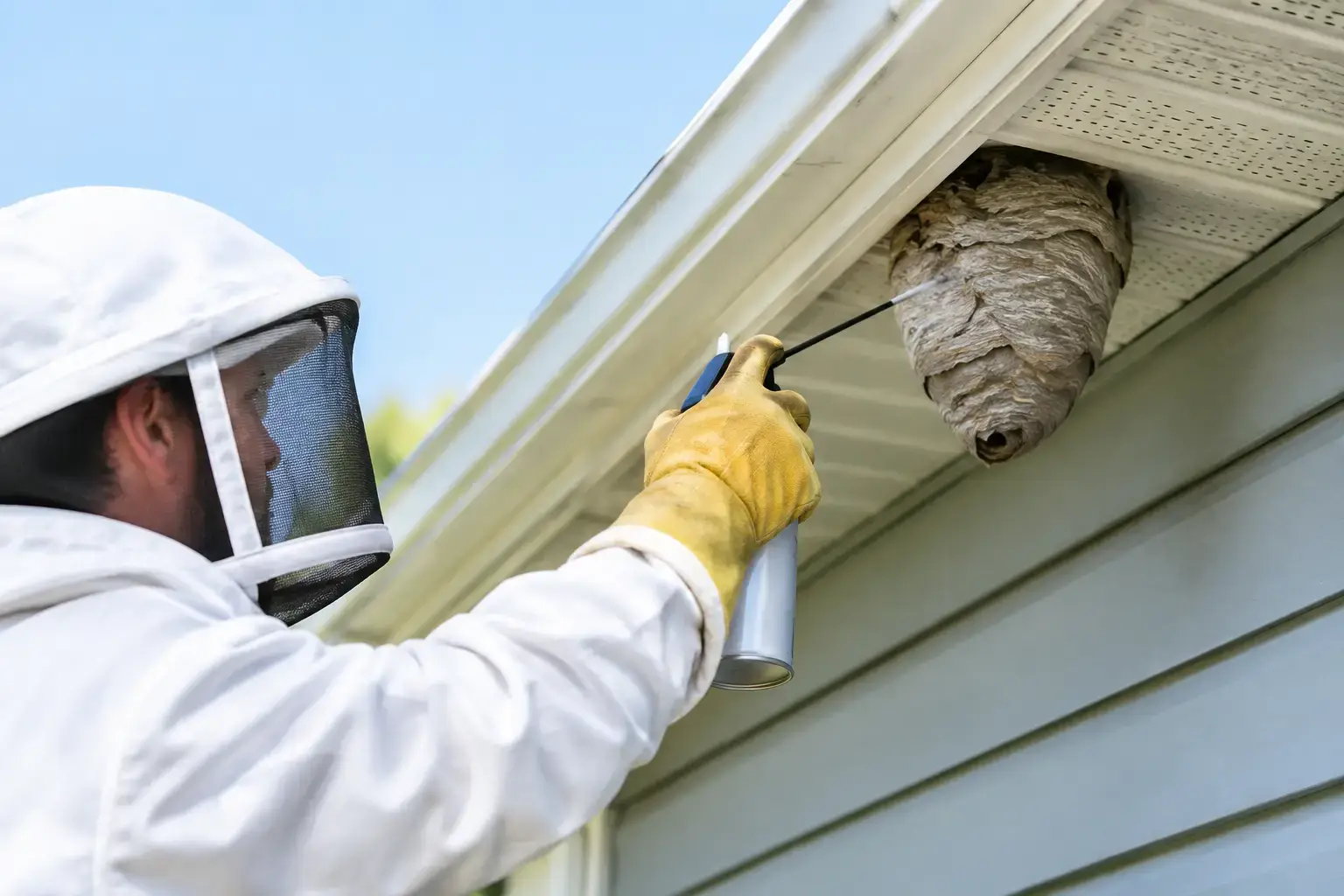
Learn how to remove wasps safely, recognize high-risk nests, and prevent repeat activity around your Utah home, rental property, or business quickly.
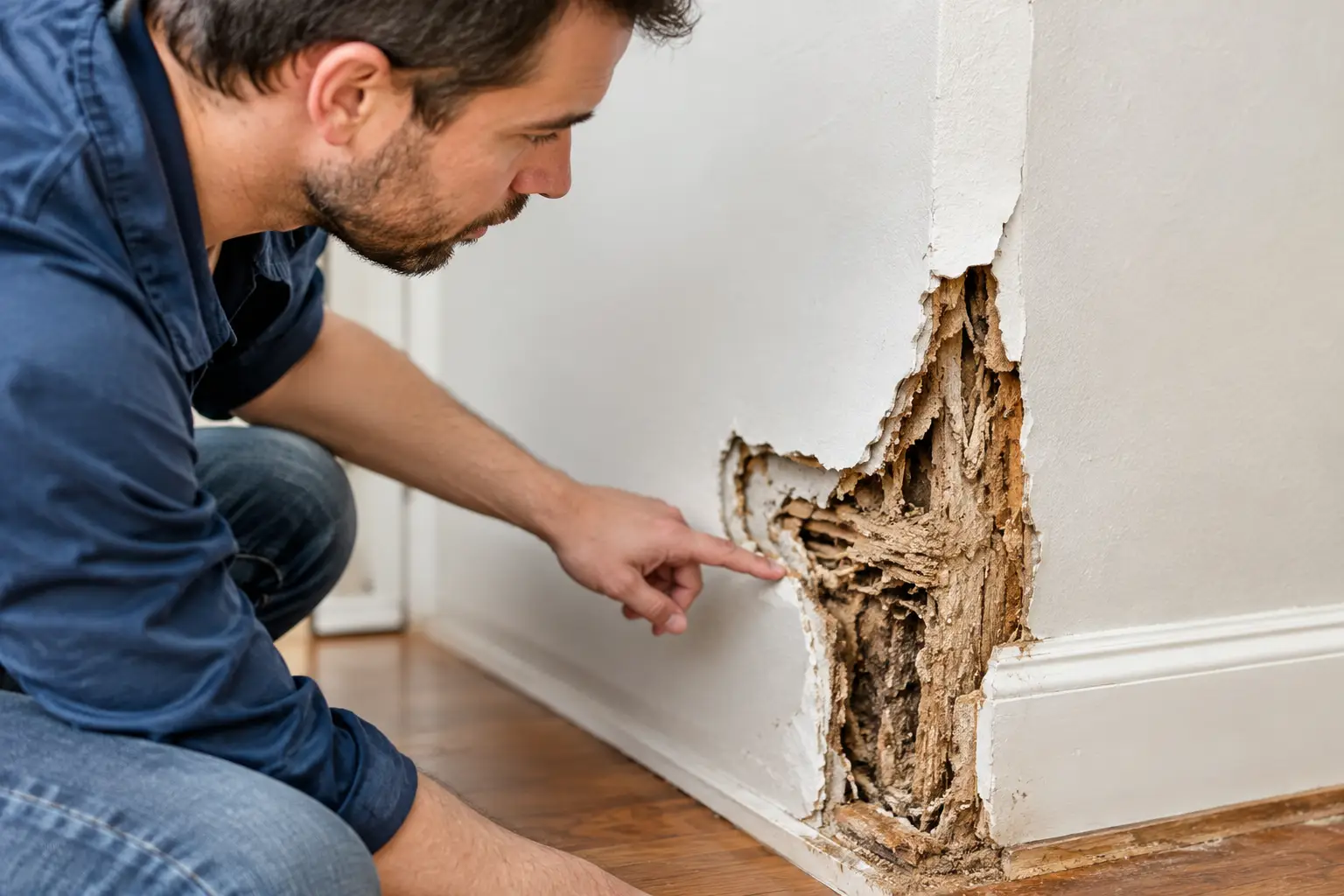
Learn the termite damage signs that merit a professional inspection, from mud tubes and hollow wood to stuck doors, bubbling paint, and swarmers indoors.