
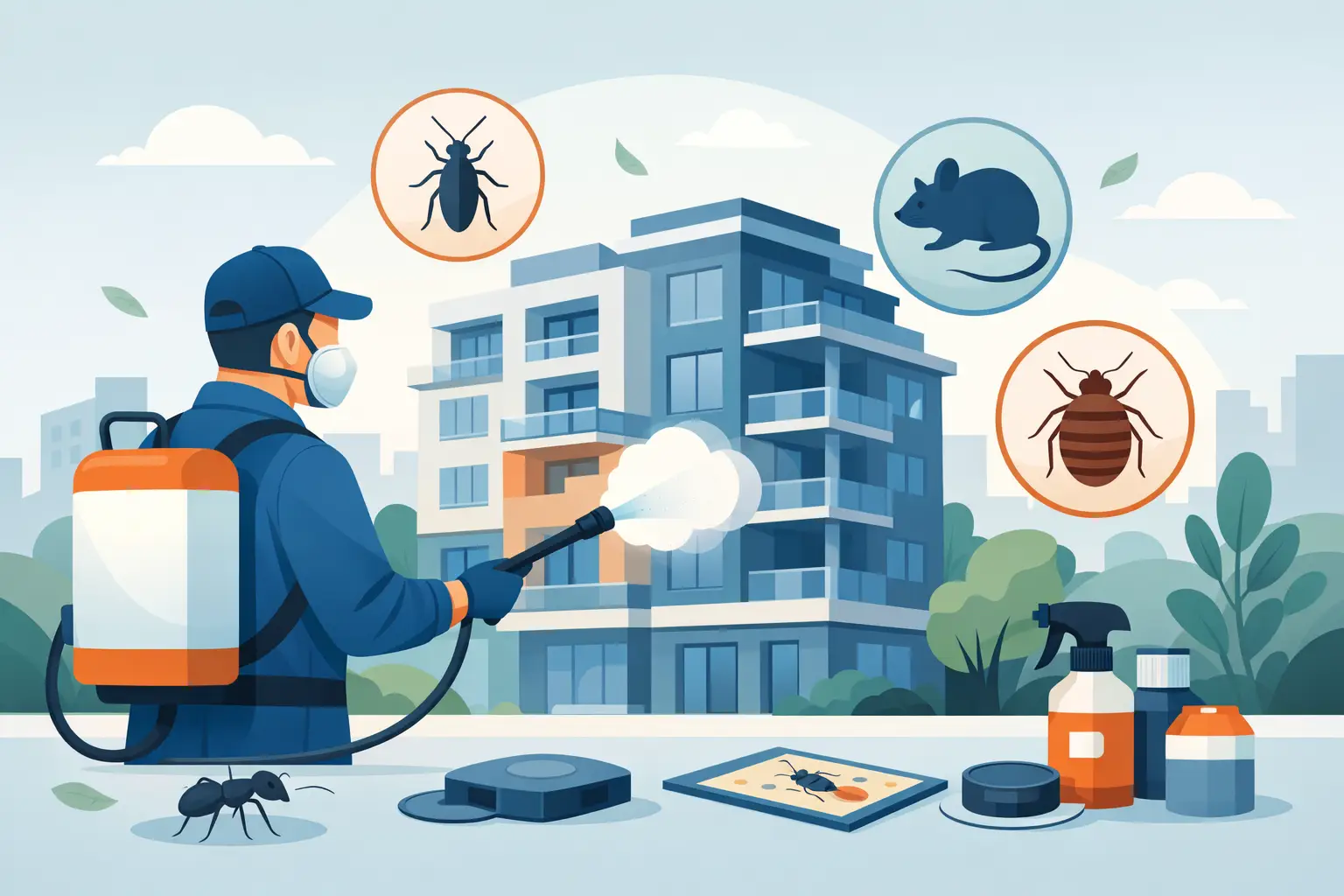
A single cockroach sighting in one unit can quickly become a building-wide concern. In multi-family housing, pests travel through shared walls, plumbing lines, utility openings, hallways, laundry rooms, and trash areas. Effective pest control for apartment buildings must address those connections, not simply treat the unit where a tenant first reports a problem.
For Utah property managers and landlords, the goal is bigger than removing pests after a complaint. It is protecting tenant comfort, preserving the property, reducing repeat service calls, and responding quickly enough that a small issue does not affect occupancy or your reputation.
Why apartment pest problems spread differently
A detached home has clear boundaries. An apartment building does not. Bed bugs can move with furniture and belongings, cockroaches can follow water sources and wall voids, and rodents can enter through exterior gaps before reaching storage rooms, mechanical areas, and individual units. Even ants can establish routes between landscaping, foundations, and kitchens.
That is why a one-time, unit-by-unit approach often falls short. Treating only the visible activity may reduce the immediate problem, but it can leave the source untouched. A lasting plan looks at the entire property: the affected apartment, neighboring units, common areas, exterior conditions, waste handling, entry points, and maintenance concerns.
The right scope depends on the pest and the building. A few pavement ants near a ground-floor entry call for a different response than recurring cockroach activity in several units. The important part is making decisions from evidence, not assumptions.
Start with a property-wide inspection
A professional inspection gives property managers a clear picture of where pests are active, how they are getting in, and what conditions are helping them remain. This should include more than a quick look inside one apartment.
Technicians should assess reported units and, when appropriate, adjacent units above, below, and beside them. They should also inspect utility rooms, laundry facilities, trash enclosures, storage spaces, landscaping near the foundation, and exterior penetrations around pipes, vents, and doors.
This process helps answer practical questions. Is there a leak attracting cockroaches? Are dumpsters being kept too close to the building? Is a damaged door sweep creating a rodent entry point? Are tenants seeing activity in one area because pests are nesting elsewhere?
Property-specific information matters. Building size, number of units, layout, lot conditions, pest history, and the type of activity all affect the treatment plan. A smaller fourplex may need a focused service and follow-up, while a large apartment community may benefit from scheduled preventive treatments, monitoring, and coordinated communication with on-site staff.
Build prevention into apartment pest control
Extermination is sometimes necessary, especially when an infestation is active. But prevention is what keeps recurring issues from becoming a normal part of property operations. The strongest plans combine professional treatment with exclusion, sanitation, moisture control, and regular monitoring.
Close the routes pests use
Pests do not need much space to enter. Small gaps around utility lines, torn screens, unsealed wall penetrations, and worn weatherstripping can create easy access. Rodents can also exploit damaged vents, gaps beneath doors, and openings around foundations.
Maintenance teams play an essential role here. When pest control and maintenance efforts are coordinated, repairs can target the exact areas identified during service. Sealing an entry point will not solve every issue on its own, but it removes one more pathway that pests can use.
Reduce food, water, and shelter
Apartment communities naturally create high-traffic areas where pests can find what they need. Overflowing trash, grease around dumpsters, pet waste, standing water, cluttered storage rooms, and plumbing leaks all increase the chance of activity.
Common areas deserve the same attention as individual units. Keep trash enclosures clean, make sure lids close properly, address leaks promptly, and avoid allowing cardboard or unused materials to build up in maintenance spaces. Exterior landscaping should also be managed so plants and mulch do not create a direct bridge to the building.
Tenant cooperation matters, but it should be handled respectfully. Clear notices can explain how residents can prepare for service, report activity early, store food properly, and avoid moving potentially infested items into shared spaces. The message should never place blame. Pests can affect even clean, well-managed homes, and early reporting is always better than silence.
Treat active infestations with a coordinated plan
When an active infestation is confirmed, speed and coordination matter. Delayed treatment can give pests time to spread through adjoining units or become established in harder-to-reach areas.
For cockroaches, treatment may involve targeted products in harborages, monitoring, sanitation recommendations, and follow-up visits. Because cockroaches are drawn to moisture and food sources, addressing leaks and kitchen conditions is often part of the solution. Nearby units may need inspection even if residents have not yet reported activity.
Rodent control typically requires both removal and exclusion. Trapping without sealing access points can lead to repeat problems. Bed bug service often requires detailed preparation, treatment of affected areas, careful follow-up, and tenant communication that helps prevent pests from being moved to other units.
The trade-off is that thorough treatment can require more coordination upfront. Access scheduling, resident notices, preparation requirements, and follow-up appointments take time. Still, this is generally less disruptive and less expensive than allowing an infestation to spread across floors or buildings.
Create a reporting process tenants will use
Residents are often the first people to notice pest activity. A simple, responsive reporting process helps management act before a problem grows. Encourage tenants to report what they saw, where they saw it, when it happened, and whether they have noticed signs such as droppings, shed skins, bites, or unusual odors.
Avoid asking tenants to identify the pest with certainty. A blurry photo or a general description can still be useful, and a trained technician can confirm the issue. What matters most is documenting reports, spotting patterns, and responding with appropriate urgency.
For example, one report of a mouse near an exterior stairwell may lead to an inspection and exclusion work. Multiple reports of small roaches in kitchens on the same stack of units may require a broader inspection and treatment plan. Patterns reveal the real scope of the problem.
Choose service that fits the property
Apartment buildings need a pest partner that understands multi-family operations. The lowest-cost service is not always the best value if it only reacts to complaints and does not identify why they keep happening. Look for a provider that can assess the building, communicate clearly with management, work around resident access needs, and recommend a plan matched to the property’s size and conditions.
Regular service is often the best fit for properties with ongoing exposure risks, such as older buildings, high resident turnover, shared trash areas, or a history of cockroaches or rodents. For a newer or smaller property with limited activity, a targeted service plan may be enough. There is no one-size-fits-all schedule, which is why an on-site consultation is valuable.
Pest Xperts provides customized multi-family pest management for properties throughout the Wasatch Front and surrounding Utah communities. The right plan can combine active treatment with recurring prevention, helping managers protect residents and keep concerns from becoming larger maintenance problems.
What property managers can do this week
You do not need to wait for a major infestation to improve pest prevention. Walk the exterior and look for gaps, damaged screens, overgrown landscaping, standing water, and dumpster issues. Check common areas for clutter, leaking pipes, and signs of activity. Review recent tenant reports to see whether multiple complaints point to the same floor, building section, or pest type.
Then make sure your team knows who handles what. Maintenance should know how to report entry points and moisture concerns. Leasing and management staff should know how to document tenant reports and send preparation instructions. Your pest control provider should receive enough property detail to recommend the right scope of service.
A clean, comfortable apartment community is built through consistent attention, not panic after the first complaint. When pests do appear, a fast, property-specific response helps protect your tenants, your building, and the trust they place in your management team.
continue reading
Related Posts
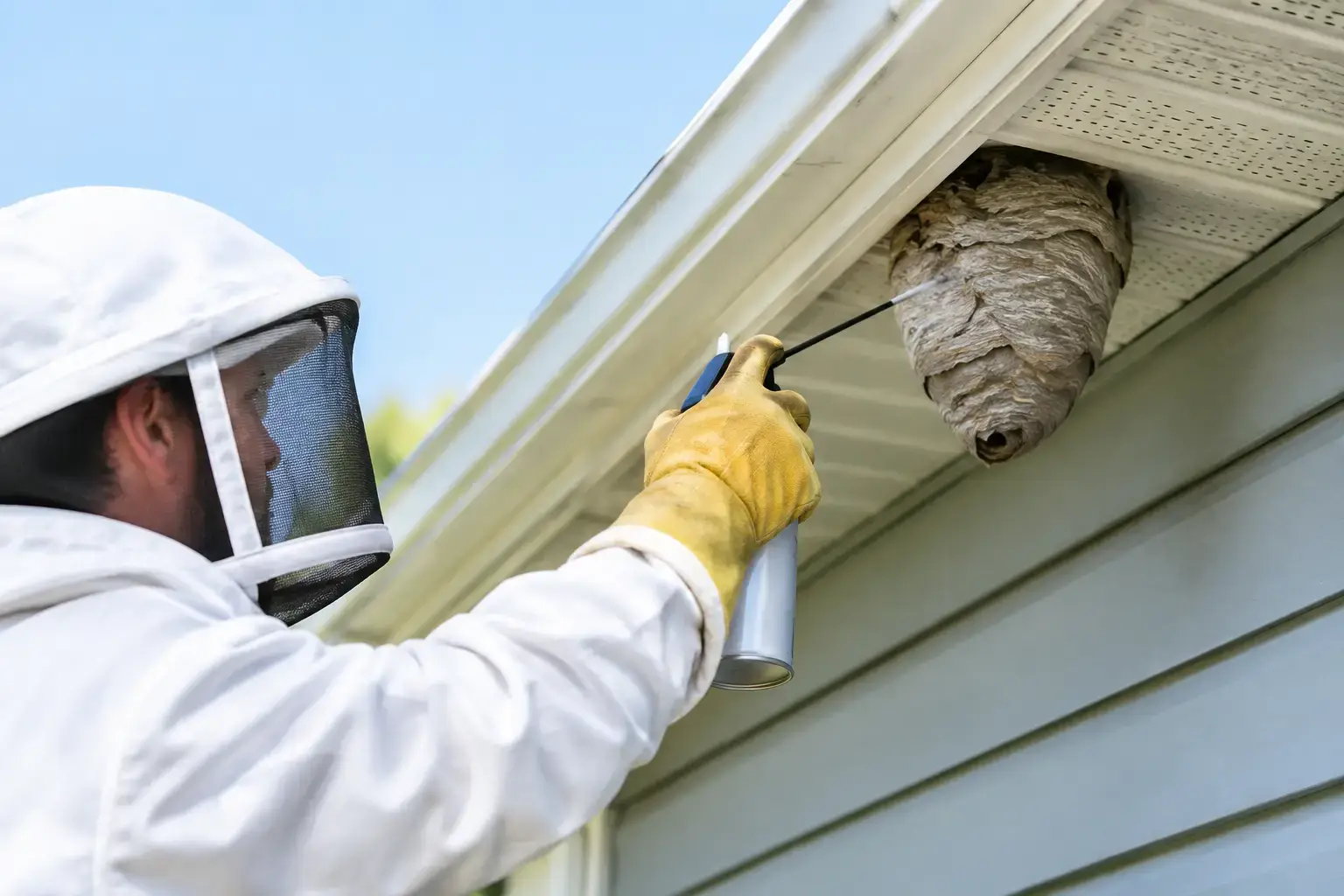
Learn how to remove wasps safely, recognize high-risk nests, and prevent repeat activity around your Utah home, rental property, or business quickly.
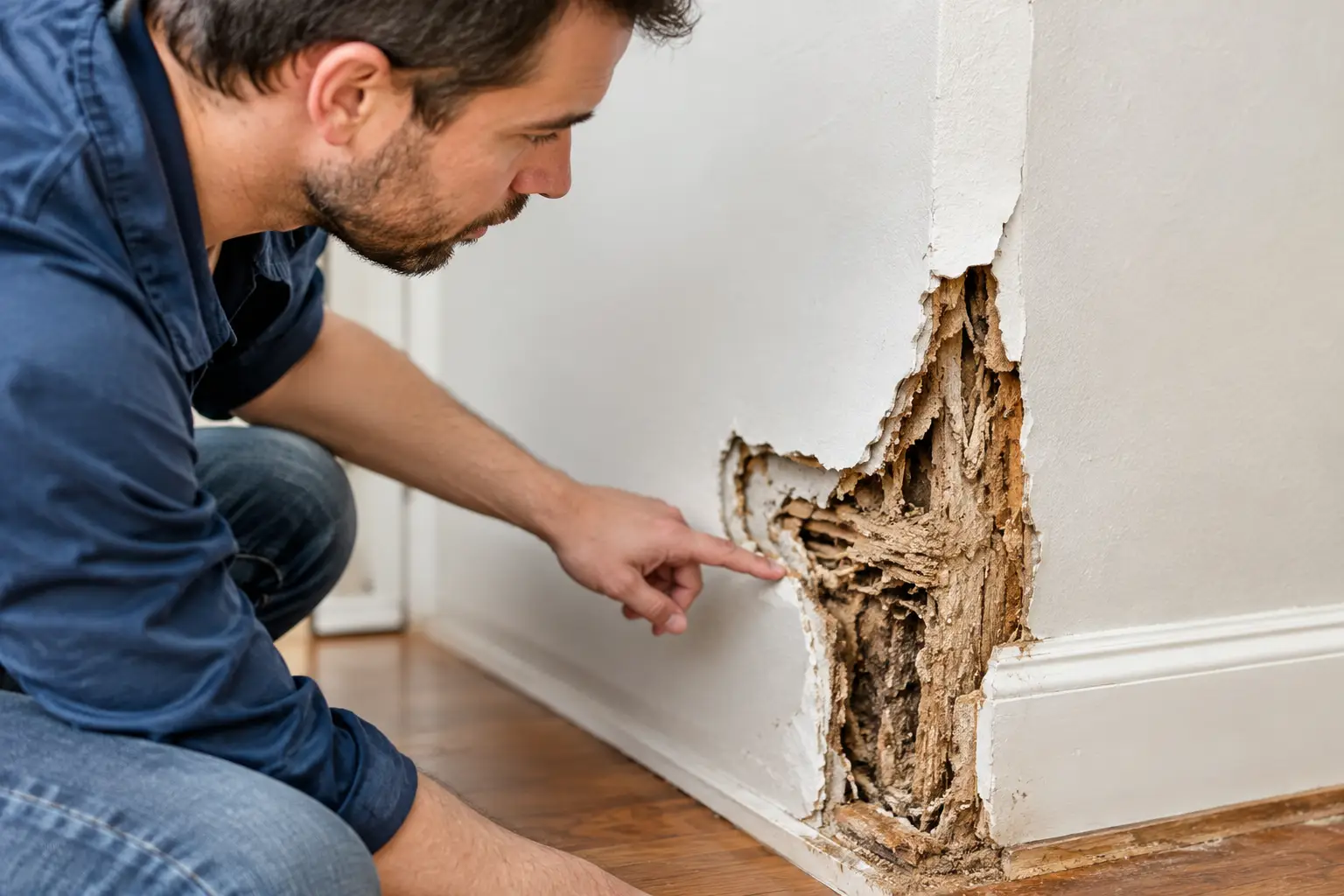
Learn the termite damage signs that merit a professional inspection, from mud tubes and hollow wood to stuck doors, bubbling paint, and swarmers indoors.

Professional versus store pesticides differ in more than strength. Learn when DIY products help and when expert pest treatment better protects Utah homes.