

A single cockroach report in an apartment building rarely stays a single report. Tenants share walls, plumbing lines, utility openings, hallways, and sometimes unwanted pests. This apartment remediation case example shows why effective multi-family pest control requires more than treating the unit where activity was first reported.
The scenario below is representative of the remediation approach Pest Xperts may recommend after an on-site assessment. Every building has its own construction, occupancy patterns, pest pressure, and maintenance needs. The goal is not to promise a one-visit fix. It is to identify the source, reduce active activity quickly, and create conditions that make reinfestation much less likely.
The Apartment Remediation Case Example
A property manager contacted a pest control provider after receiving several tenant complaints from a 24-unit apartment building. The first report came from a second-floor resident who had seen small cockroaches near the kitchen sink at night. Within a week, two nearby units reported similar activity.
The property had received routine pest service in the past, but the building had not had a coordinated inspection after the new reports began. That distinction mattered. A spray treatment in one kitchen might temporarily reduce what a tenant sees, but it does not address roaches moving through shared voids, reproducing in neighboring units, or finding food and moisture in common areas.
During the initial assessment, the technician worked with management to inspect the reporting units, the apartments directly beside, above, and below them, and selected common areas. Evidence was strongest in two occupied units, but monitoring also identified low-level activity in an adjacent apartment that had not yet submitted a complaint.
This is a common challenge in multi-family housing. Tenants may not see pests until activity has increased, and some residents may hesitate to report a problem because they worry they will be blamed. A professional response needs to focus on the building conditions and the pest pathway, not on fault.
What the inspection found
The inspection pointed to several factors supporting cockroach activity. Small gaps around plumbing under kitchen sinks gave pests a route between units. Grease residue behind an appliance, accessible pet food, and overnight dishes created reliable food sources in the most affected apartments. A slow leak beneath one sink added moisture.
There were also practical access issues. One unit had heavy clutter that limited treatment and monitoring placement. Another had recently received a store-bought fogger treatment, which had scattered roaches deeper into cracks and wall voids without solving the source.
None of these conditions alone explained the problem. Together, they showed why a building-wide remediation plan was needed. The technician documented findings for management, identified the units requiring treatment, and explained what residents and maintenance staff would need to do before service.
Building the Remediation Plan
The plan was built around three priorities: reduce the active population, remove the conditions helping it survive, and verify that control was holding between visits. That required cooperation from the property manager, maintenance team, residents, and pest professional.
The first service focused on targeted treatment in the affected units and nearby apartments. Rather than relying on broad applications alone, the technician placed professional materials where cockroaches were likely to travel, harbor, and feed – behind appliances, beneath sinks, around plumbing penetrations, and in protected cracks and voids. Monitoring devices were also installed to measure activity and identify areas that needed follow-up.
Treatment selection and placement matter. In occupied apartments, safety depends on using products according to their label, applying them only where appropriate, and giving residents clear preparation and reentry instructions when required. The best treatment is not simply the strongest product. It is the right method for the pest, the building, and the people living there.
Resident preparation made the difference
Management sent clear instructions before treatment. Residents in the targeted units were asked to empty lower kitchen cabinets, clean food debris and grease, store food in sealed containers, remove pet food overnight, and report plumbing leaks or new sightings. They were also asked not to use over-the-counter sprays or foggers between professional visits.
That communication was as important as the treatment itself. Tenants are more likely to cooperate when they understand why preparation is needed and what will happen next. Clear notice also helps management show residents that the issue is being handled seriously and professionally.
Maintenance addressed the slow leak, sealed accessible gaps around pipes, and corrected a few door-sweep and caulking concerns in common areas. Pest control cannot replace building maintenance. At the same time, maintenance alone usually cannot eliminate an established cockroach population. The two efforts work best together.
Follow-Up Turned Treatment Into Control
At the follow-up visit, monitoring showed a significant reduction in the original reporting unit. Activity remained in one neighboring apartment, though at a lower level. Because the remediation plan included adjacent units from the beginning, the technician could respond before the issue spread further.
Additional targeted treatment was completed where monitoring supported it. The technician also reviewed preparation concerns with the resident in the cluttered unit and helped management set a realistic timeline for access and housekeeping improvements. This is where a customized service plan is valuable. Not every apartment can be prepared perfectly on day one, and a good remediation process accounts for real occupancy challenges without ignoring them.
By the third visit, monitoring in the affected cluster was clear or near clear, and no new tenant reports had been received. Management did not treat that as a reason to stop paying attention. The building moved into a prevention-focused service schedule, with continued monitoring in higher-risk areas and a process for responding promptly to future reports.
Why One Apartment Cannot Be Treated in Isolation
In a detached home, pest activity may be mostly contained within one structure and one household. In an apartment community, the picture is different. Pests can travel through shared walls, plumbing channels, electrical openings, trash areas, laundry rooms, and deliveries moving between units.
That does not mean every complaint requires treatment of every apartment. The right scope depends on inspection findings, the pest involved, the building layout, and the number and location of reports. However, treating only the apartment that called first can leave the actual source untouched.
Cockroaches are especially good at exploiting gaps that residents never see. A unit may look clean and still experience activity if pests are entering through wall voids or plumbing connections. On the other hand, sanitation, food storage, moisture control, and clutter reduction still play a major role in how quickly a population grows. Effective remediation addresses both sides of the problem.
What Property Managers Can Take From This Case
The most useful lesson from this apartment remediation case example is to act on patterns, not just individual complaints. A fast response protects tenant comfort and can reduce the size and cost of the remediation needed later.
Property managers should have a clear reporting process so residents know whom to contact and what details to provide. Dates, locations, photos when available, and descriptions of the pest can help identify a pattern. Management should also coordinate access, communicate preparation requirements clearly, and involve maintenance early when leaks, gaps, damaged seals, or trash concerns are identified.
Routine service is valuable, but it should not become a checkbox. If reports increase or monitoring finds activity, the service plan may need to expand temporarily to include inspections, targeted treatment, neighboring units, exclusion work, and follow-up visits. The right response is based on evidence from the property, not a one-size-fits-all schedule.
For apartment operators along the Wasatch Front, seasonal changes, move-ins, maintenance turnover, and the age of the building can all affect pest pressure. A consultation-led assessment gives the pest professional and property team a clearer view of what the building actually needs.
A Better Next Step After a Tenant Report
A tenant report is an opportunity to solve a problem early, not an inconvenience to manage quietly. Document the concern, inspect the right area around it, communicate respectfully with residents, and use follow-up monitoring to confirm that the plan is working.
When a multi-family pest issue needs more than routine service, Pest Xperts can help property managers build a treatment scope around the building, the pest activity, and the safety of the people who call it home. A timely assessment can protect tenants, support your property team, and prevent a small report from becoming a building-wide concern.
continue reading
Related Posts
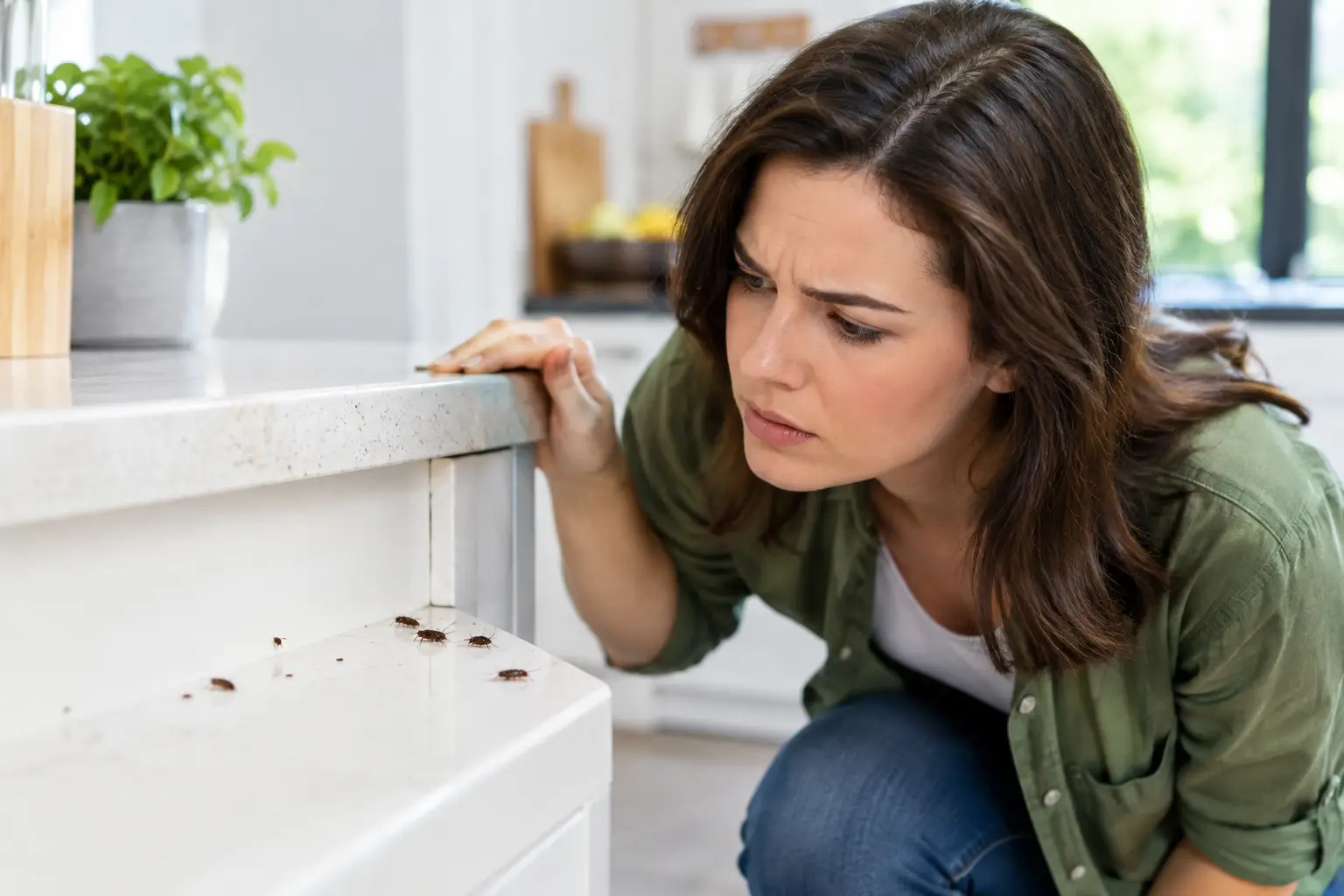
A pest outbreak can move fast through homes and properties. Learn warning signs, smart first steps, and when treatment protects people and buildings safely.
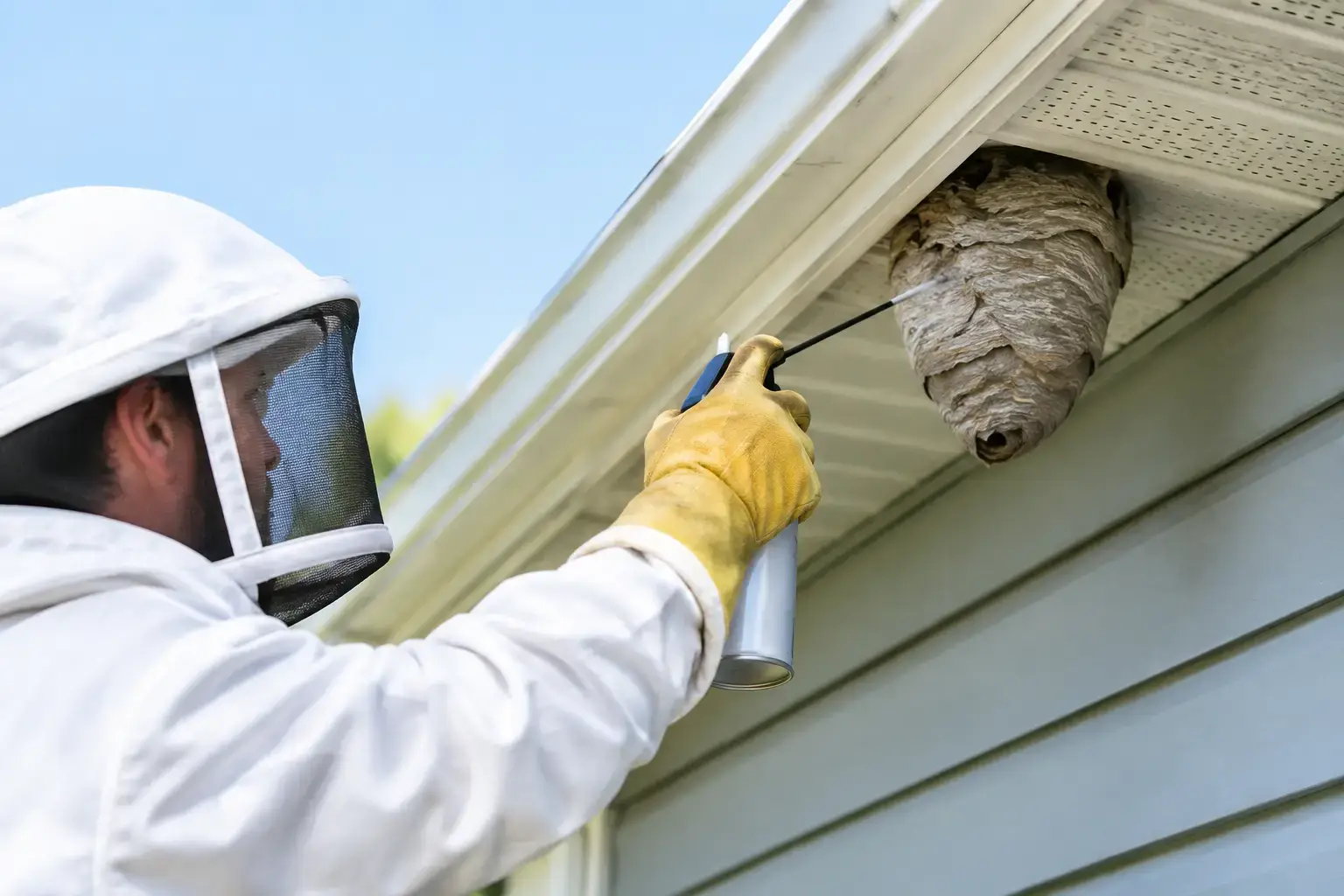
Learn how to remove wasps safely, recognize high-risk nests, and prevent repeat activity around your Utah home, rental property, or business quickly.
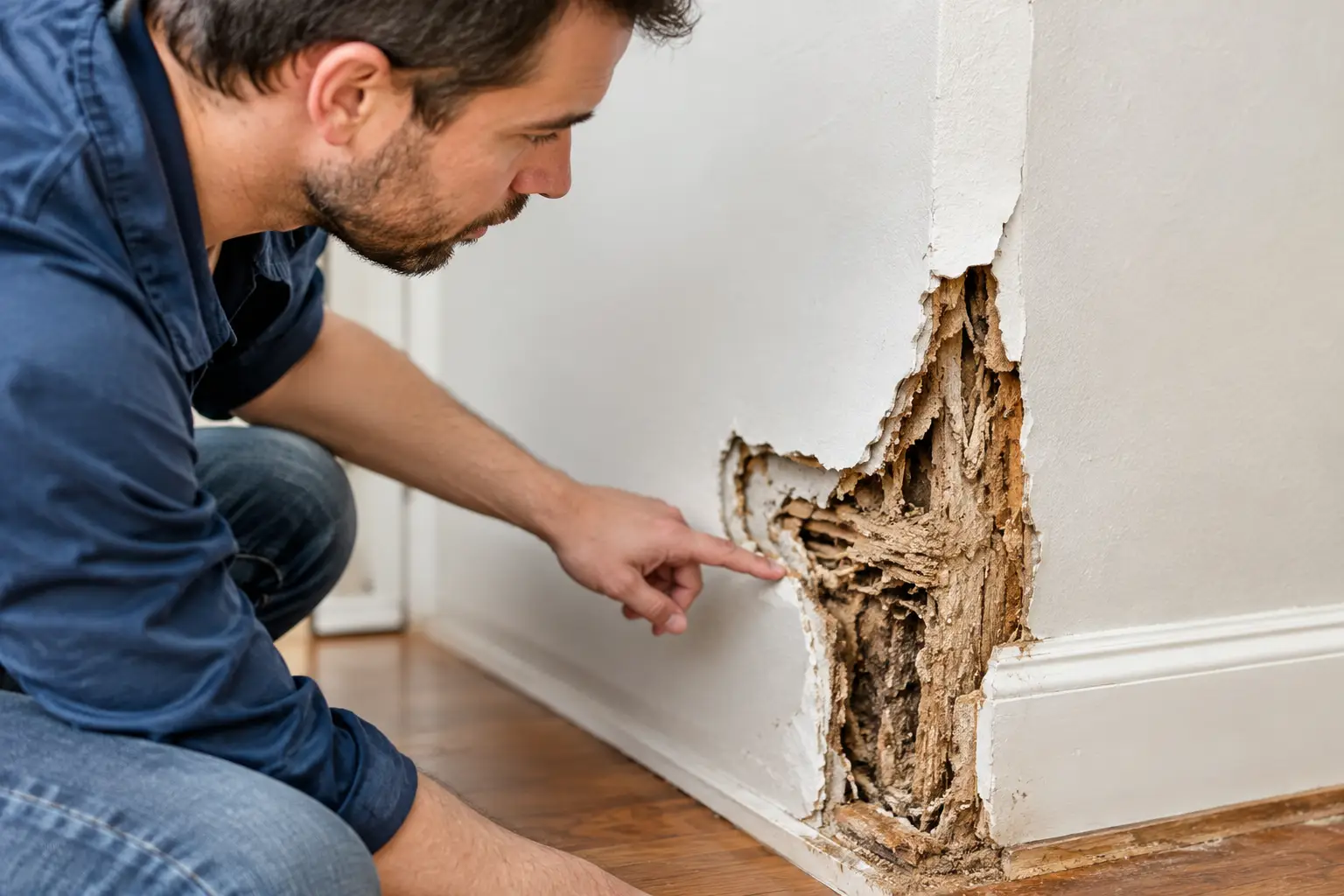
Learn the termite damage signs that merit a professional inspection, from mud tubes and hollow wood to stuck doors, bubbling paint, and swarmers indoors.