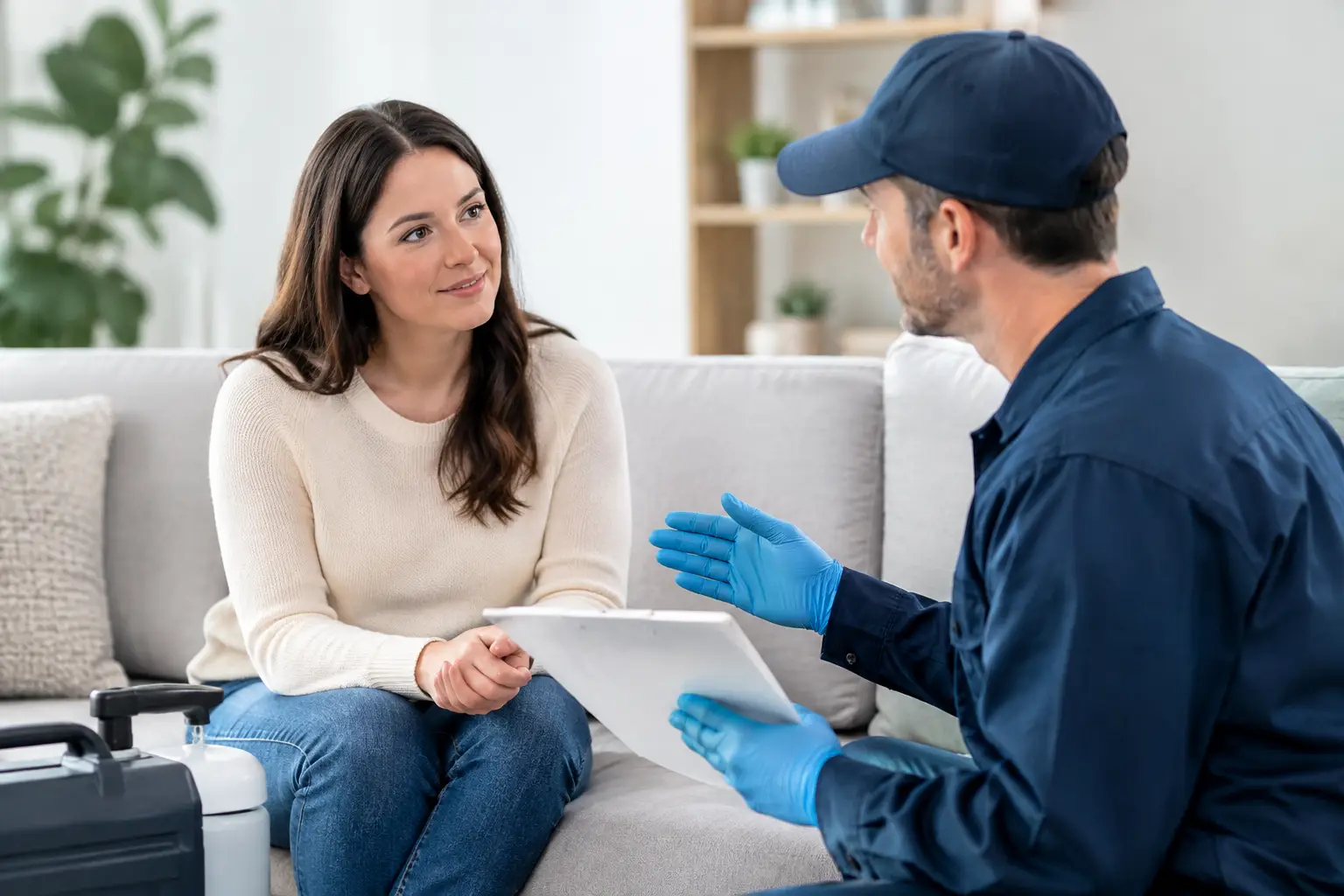
A pest problem inside your home can feel urgent, especially when you see cockroaches in the kitchen, ants near food storage, or spiders in living areas. But before treatment begins, most homeowners have the same concern: will it be safe for the people and pets who live here? Asking indoor treatment safety questions is the right place to start. A qualified pest professional should explain what will be used, where it will be applied, what you need to do before service, and when the space is ready to use again.
Indoor pest control is not a one-size-fits-all process. The right treatment depends on the pest, the level of activity, the areas involved, the construction of the home, and who occupies it. That is why a property-specific plan matters more than a generic promise that every treatment is completely risk-free.
The indoor treatment safety questions worth asking
Safety begins with clear communication. Before an indoor treatment, ask your technician what pest is being targeted and why a particular treatment method is recommended. Cockroach work, for example, may involve carefully placed bait in cracks and voids, while a treatment for occasional invaders may focus on entry points and protected perimeter areas. The approach should match the problem rather than applying more product than needed.
You should also ask whether the treatment will be applied as a bait, crack-and-crevice application, dust, liquid treatment, or another method. Each has different preparation and reentry instructions. Knowing the method helps you plan for children, pets, food preparation, and daily routines without guessing.
Other good questions include whether you need to leave during service, how long you should wait before returning, which rooms are being treated, and what follow-up will be needed. If you have concerns about allergies, respiratory conditions, pregnancy, infants, elderly family members, or medically sensitive occupants, bring them up before the technician starts. Your pest professional can review the product directions and adjust the treatment plan when appropriate.
Is it safe to stay in the house during treatment?
It depends on the product, application method, and the areas being treated. Some targeted indoor services allow occupants to remain in unaffected parts of the home. Other treatments require everyone, including pets, to leave until the treated surfaces are dry or until the technician gives a specific reentry time.
Do not assume that a quick application means there are no precautions. Follow the instructions you receive for that service, even if you have had pest control before. A technician may ask you to remain out of a room, avoid touching a treatment area, or wait until floors, baseboards, or other surfaces are completely dry.
For households with babies or toddlers, the biggest practical concern is access. Children explore at floor level and frequently touch baseboards, cabinets, and furniture before putting hands in their mouths. Keep them away from treated locations for the stated reentry period, and continue normal handwashing habits. If a child’s play area needs special consideration, point it out during the inspection so it can be addressed in the treatment plan.
What about pregnancy, asthma, or chemical sensitivities?
Be direct about these concerns. Tell the technician if anyone in the home has asthma, severe allergies, a compromised immune system, or a history of chemical sensitivity. The answer may be as simple as avoiding a specific room until the application is dry, choosing a more targeted method, or scheduling service when a sensitive occupant can be elsewhere.
No responsible company should dismiss a health concern. At the same time, your pest professional cannot replace advice from a physician. If a medical provider has given your family specific restrictions, share those details before treatment is scheduled.
How should I prepare food, dishes, and surfaces?
Food preparation is one of the most common indoor treatment safety questions, and it has a straightforward answer: remove or protect items that could come into contact with a treatment. Put away exposed food, fruit bowls, pet food, dishes, utensils, and small appliances as directed. Wipe down food-prep surfaces after service if your technician recommends it.
Do not move everything out of cabinets or empty the pantry unless you are asked to. In many situations, unnecessary cleaning or rearranging can make it harder to reach the pest’s hiding places or can remove a bait that needs to remain undisturbed. Your preparation instructions should be specific to the service being performed.
For active cockroach problems, sanitation is part of the solution. Clean crumbs and grease, take out trash regularly, repair leaks, and avoid leaving pet food out overnight. These steps do not replace professional treatment, but they reduce the food and moisture sources that help cockroaches persist.
Keeping pets safe during indoor pest service
Pets need the same thoughtful planning as people, with a few extra considerations. Dogs and cats should be out of treatment areas until you are told it is safe to return. Keep pet beds, toys, food bowls, and water bowls away from areas that will be treated. If an item cannot be moved, mention it before service begins.
Aquariums require special attention. Fish are especially sensitive, so tell your technician about any aquarium, terrarium, bird cage, or small-animal enclosure before treatment. You may need to cover the enclosure, turn off air pumps temporarily, move it, or follow other service-specific instructions. Never make assumptions about aquarium safety based on what worked for another home.
After treatment, prevent pets from licking or chewing treated areas, bait placements, monitoring devices, or dead insects. If you believe a pet has contacted or consumed a pest control product, use the product information provided by your technician and contact your veterinarian or an animal poison resource promptly.
Do I need to ventilate the home afterward?
Sometimes, but only when it is part of the instructions for your treatment. Ventilation can be helpful after certain applications, yet opening windows immediately is not a universal rule. It may be unnecessary, uncomfortable during a Utah winter, or counterproductive for a treatment that needs time to settle or dry.
Your technician should tell you whether to run ventilation, open windows, leave HVAC systems as usual, or avoid a treated room for a period of time. The practical rule is simple: follow the label-based instructions for the products and application used in your home, not advice from social media or a neighbor’s past experience.
What should I do after the technician leaves?
The first priority is to respect the reentry and drying instructions. Once you can return to treated areas, avoid deep-cleaning baseboards, cracks, crevices, or bait placements unless you have been told to do so. Cleaning every surface immediately can reduce the effectiveness of a targeted treatment and may spread product beyond the area where it was intended to work.
Continue routine cleaning of countertops, tables, and food-contact surfaces. Keep an eye on the original pest activity, but understand that seeing some insects after treatment does not automatically mean it failed. Depending on the pest and treatment method, activity can change before it stops. Ask your technician what to expect and when to report continued sightings.
For apartment communities, condos, and other multi-family properties, communication matters just as much as treatment. Pests can move through shared walls, utility openings, hallways, and neighboring units. Property managers should provide clear preparation instructions, coordinate access, and address sanitation or maintenance issues that may contribute to recurring activity. A treatment plan that considers the building as a whole is often more effective than treating one unit in isolation.
When a safer result starts with better prevention
The least intrusive indoor treatment is often the one you do not need because a pest issue was caught early. Seal gaps around pipes and utility lines, repair moisture problems, store food in closed containers, and reduce clutter near kitchens, laundry rooms, and utility spaces. These measures make a home less inviting to pests and give a technician a clearer path to targeted treatment if service becomes necessary.
If you are in the Wasatch Front and have an active pest problem, Pest Xperts can assess the conditions in your home or property before recommending a plan. The goal is not simply to treat where pests are visible. It is to address the source of activity while giving you clear, practical instructions to protect the people, pets, and spaces that matter most.
A safe indoor treatment should never feel mysterious. Ask the questions, follow the preparation and reentry guidance you are given, and speak up about the needs of your household. Clear expectations make pest control more effective and help you feel comfortable in your home again.
continue reading
Related Posts
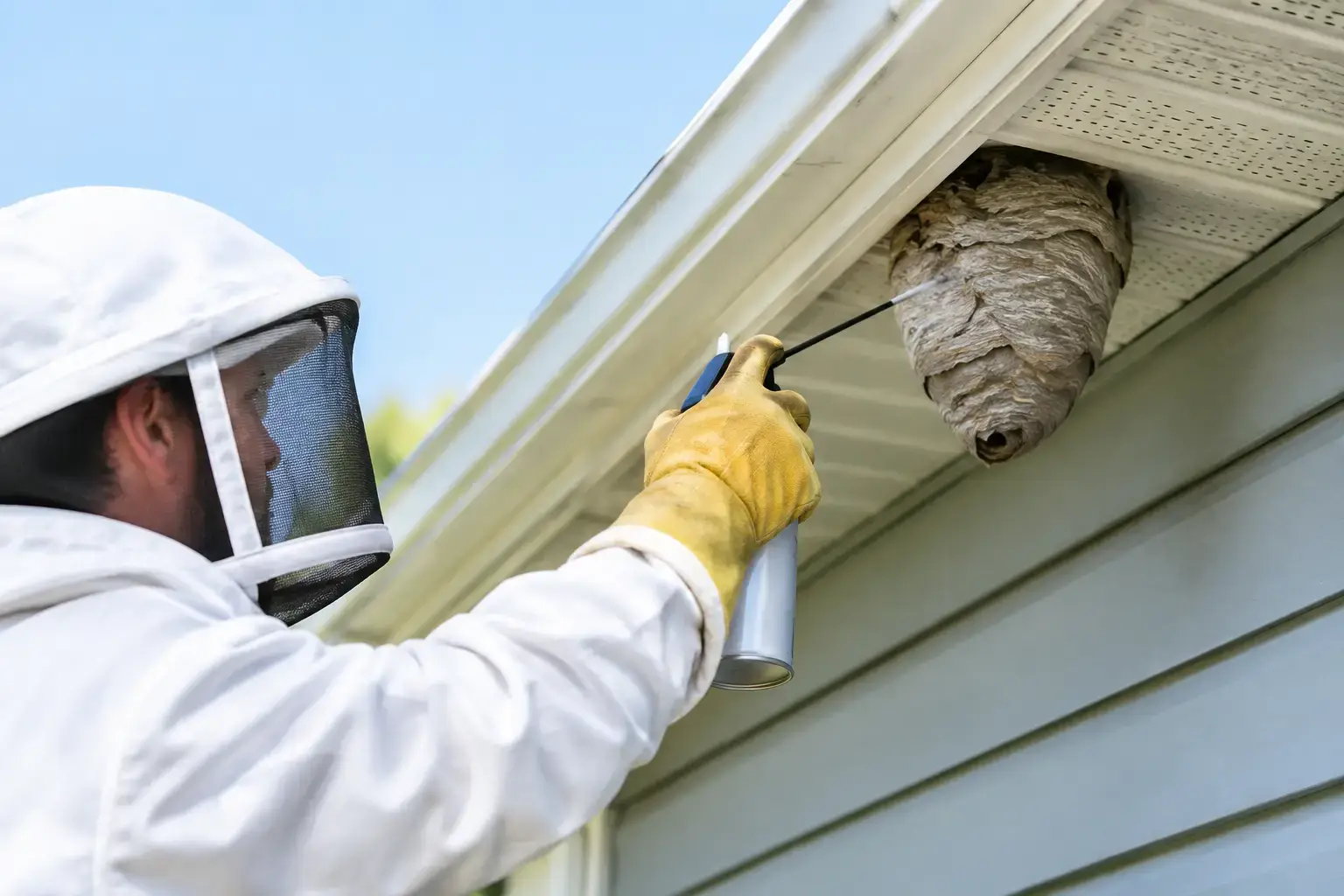
Learn how to remove wasps safely, recognize high-risk nests, and prevent repeat activity around your Utah home, rental property, or business quickly.
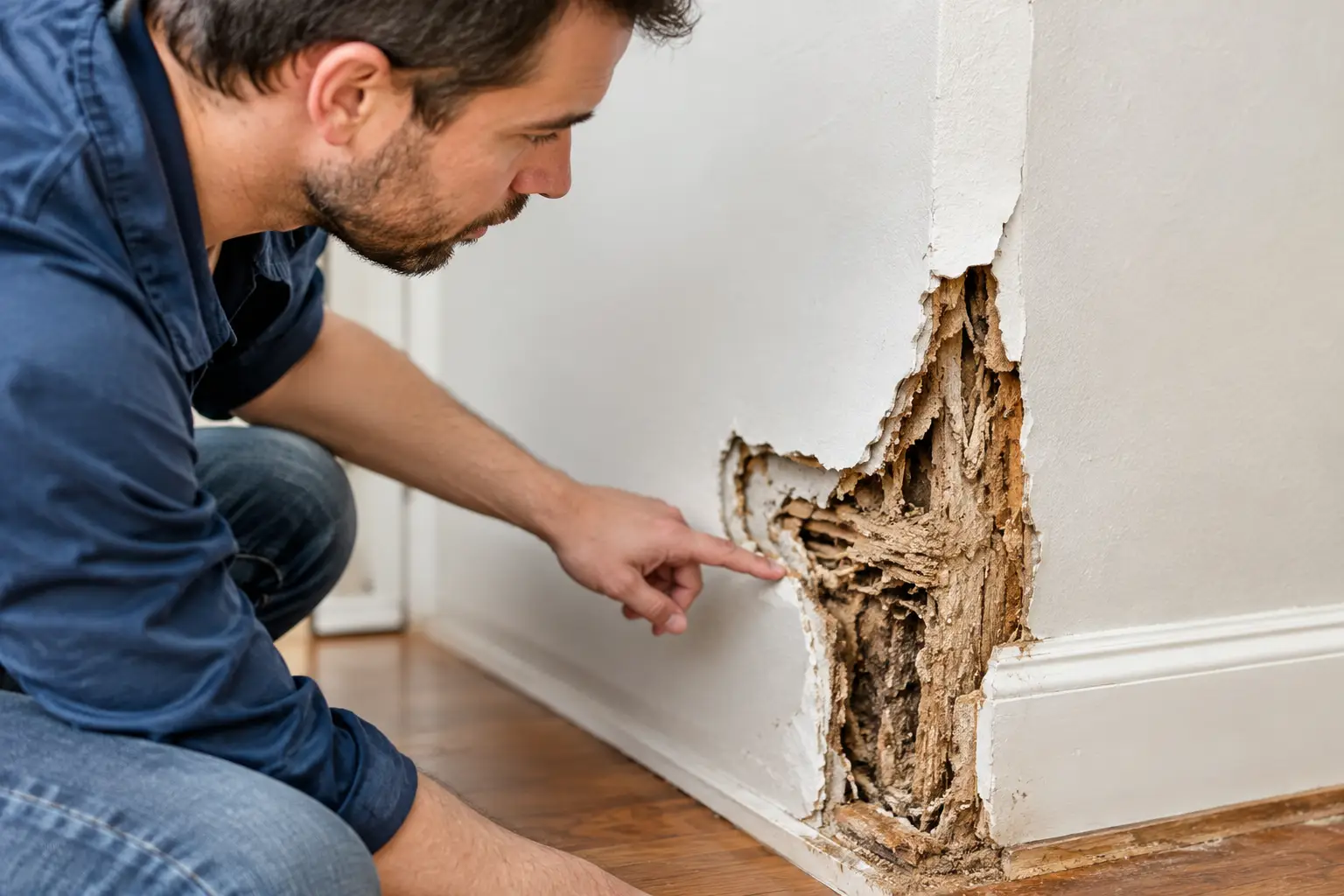
Learn the termite damage signs that merit a professional inspection, from mud tubes and hollow wood to stuck doors, bubbling paint, and swarmers indoors.
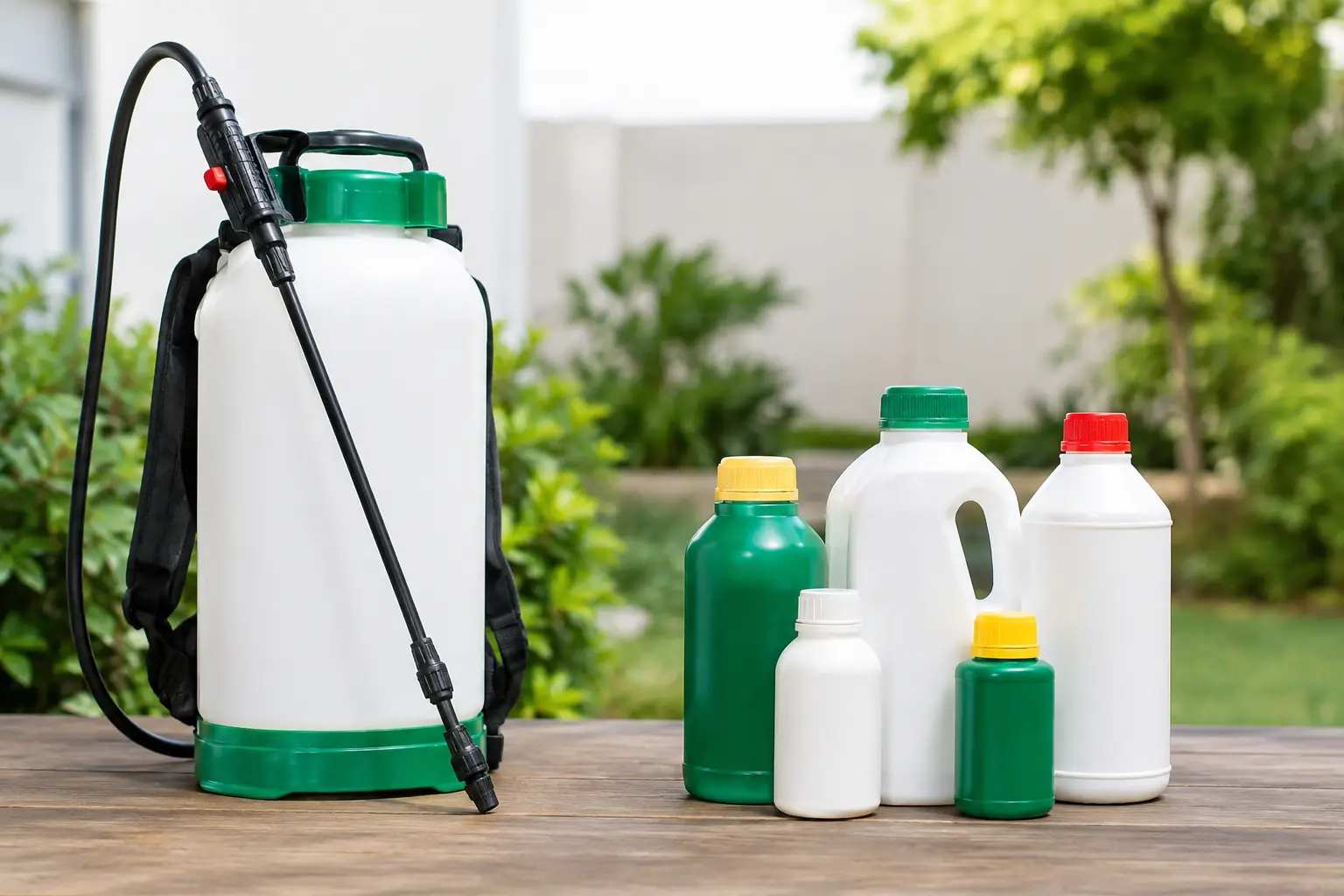
Professional versus store pesticides differ in more than strength. Learn when DIY products help and when expert pest treatment better protects Utah homes.