

The moving boxes are still stacked in the garage, and you spot a line of ants near the kitchen sink or a spider web in a basement corner. That is a common first-home surprise. Pest control for new homeowners is not about assuming a house is unclean or poorly maintained. It is about learning how the property works, finding the conditions that attract pests, and addressing small warning signs before they become a larger problem.
A new home can come with unknowns: previous repairs, landscaping changes, gaps around utility lines, stored items left behind, or a pest issue that was quiet during the showing. A practical prevention plan gives you more confidence in the home you just worked hard to buy.
Start Pest Control for New Homeowners With an Inspection
Before settling into a routine, take a slow walk around the property. Do this in daylight and bring a flashlight for the garage, crawlspace access, utility room, basement, and attic entry. You are not trying to diagnose every pest problem yourself. You are looking for conditions that deserve attention.
Outside, check where the foundation meets soil, mulch, rock, and plants. Shrubs pressed against siding, heavy mulch against the foundation, standing water, and clutter near the home can give pests shelter and easy access. Look at door sweeps, window screens, vents, and the points where plumbing, electrical, and cable lines enter the structure. A gap that seems too small to matter can be enough for spiders, ants, mice, and other unwanted guests.
Inside, pay attention to more than live insects. Small droppings, shed insect skins, webbing, damaged pantry goods, grease-like marks near baseboards, and a persistent musty smell can all provide useful clues. Check under sinks and behind appliances for leaks. Moisture supports many pest problems, especially when it goes unnoticed in a bathroom cabinet, laundry area, or basement.
If you find evidence of significant activity, especially cockroaches, rodents, or stinging insects near high-traffic areas, do not wait to see whether it disappears. Early treatment is usually simpler than responding after pests have had time to spread or establish nesting areas.
Make the Home Less Inviting to Pests
Prevention works best when it is part of normal home care, not a one-time weekend project. The goal is to limit food, water, shelter, and access points.
Start in the kitchen. Keep pantry foods in sealed containers, wipe counters after meals, and avoid leaving pet food out overnight. Take garbage out regularly and rinse recyclable containers before placing them in indoor bins. These small habits matter because ants, cockroaches, and rodents are often drawn to a home by reliable food sources rather than a single large spill.
Water deserves equal attention. Repair dripping faucets, clear slow drains, and make sure gutters move water away from the foundation. Outside faucets, sprinkler heads, and air-conditioning drainage should also be checked periodically. Utah’s dry climate can make water sources especially attractive to pests, so a minor leak can create more activity than homeowners expect.
The outside of the home should be maintained with a little space in mind. Trim vegetation away from siding and rooflines, keep firewood elevated and stored away from the house, and reduce piles of lumber, pots, leaves, or yard equipment near the foundation. You do not need a bare yard. Healthy landscaping is compatible with pest prevention when it is kept tidy and not allowed to create a bridge into the home.
Focus on Utah’s Seasonal Pest Pressure
Pest activity changes throughout the year along the Wasatch Front. A home in Logan may have different weather patterns than one in Spanish Fork or Park City, but seasonal shifts affect every property.
Spring often brings ants, spiders, and emerging insect activity as temperatures rise. It is a good time to inspect screens, seal openings, and address moisture around the foundation. Summer can increase pressure from wasps, hornets, mosquitoes, and outdoor spiders. Pay close attention to nests around eaves, decks, play areas, sheds, and exterior lighting.
In fall, rodents and spiders may look for warmer shelter as temperatures drop. This is when exterior exclusion becomes especially valuable. Replace worn door sweeps, repair torn screens, and seal appropriate gaps around utility penetrations. Winter is quieter outdoors, but it can reveal indoor problems because pests are more likely to remain near consistent warmth, food, and water.
The right schedule depends on the property. A newer home with open land behind it, a house beside irrigation, a wooded lot, or a home near active construction can face different pest pressure than a tightly spaced neighborhood property. Square footage, lot size, landscaping, and the home’s history all matter when building a prevention plan.
Know When a DIY Fix Is Enough
Many small prevention tasks belong on a homeowner’s regular checklist. Cleaning up a spill, replacing weather stripping, storing food properly, trimming branches, and eliminating standing water are all worthwhile steps. For an isolated ant trail, cleaning the area and removing the food or moisture source may reduce activity.
However, do-it-yourself products have limits. A spray may kill the pests you see while leaving the nest, breeding area, or entry point untouched. This is particularly true with cockroaches, where activity can spread into cracks, appliances, wall voids, or neighboring units in multi-family housing. Overapplying store-bought products can also create unnecessary exposure for children, pets, and the people using the space.
Professional help is a smart choice when activity keeps returning, you are seeing pests in multiple rooms, you find droppings or signs of rodents, or there is a nest near an entrance or outdoor living area. It is also appropriate when you simply do not know what you are seeing. Correct identification guides correct treatment, and that saves time, frustration, and repeat spending.
Protect the Areas Pests Reach First
New homeowners often focus on visible rooms, but the most useful pest-control work happens at the edges of the property. Garages, utility rooms, unfinished basements, crawlspace entries, attic access points, exterior storage, and the perimeter of the home deserve regular attention.
The garage is especially easy to overlook. It may contain cardboard boxes, pet food, recycling, sporting equipment, holiday decorations, and gaps under the door. Keep stored items on shelves when possible, reduce cardboard buildup, and avoid pushing boxes tightly against walls. This makes inspections easier and removes hiding places.
For homes with a basement, check storage areas every few months rather than waiting until you need something. Basements can hold moisture, clutter, and small cracks that support pest activity. In a multi-family property, property managers and landlords should also recognize that pest prevention requires coordination. A problem in one unit can affect neighboring homes, shared walls, trash areas, hallways, and maintenance spaces.
Build a Service Plan Around Your Actual Property
A good pest plan should not be identical for every home. A consultation should consider what you are seeing, where it is happening, the age and layout of the home, lot conditions, and the people and pets who live there. Prevention may be the right first step for one household, while an active infestation needs targeted treatment and follow-up.
For homeowners throughout Northern and Central Utah, Pest Xperts provides property-specific pest management designed to protect homes and families with a safety-centered approach. Whether you have just moved in, found an active issue, or want recurring protection before peak pest season, a professional assessment can clarify the next step.
Keep a simple record of what you notice: where pests appear, when activity increases, and any recent weather, plumbing, landscaping, or construction changes. That information makes treatment more precise. Your new home should feel like the place where your family settles in, not the place where a small pest concern keeps growing in the background.
continue reading
Related Posts

Learn the right pest inspection frequency for Utah homes, rentals, and businesses, plus the warning signs that call for a professional inspection now.
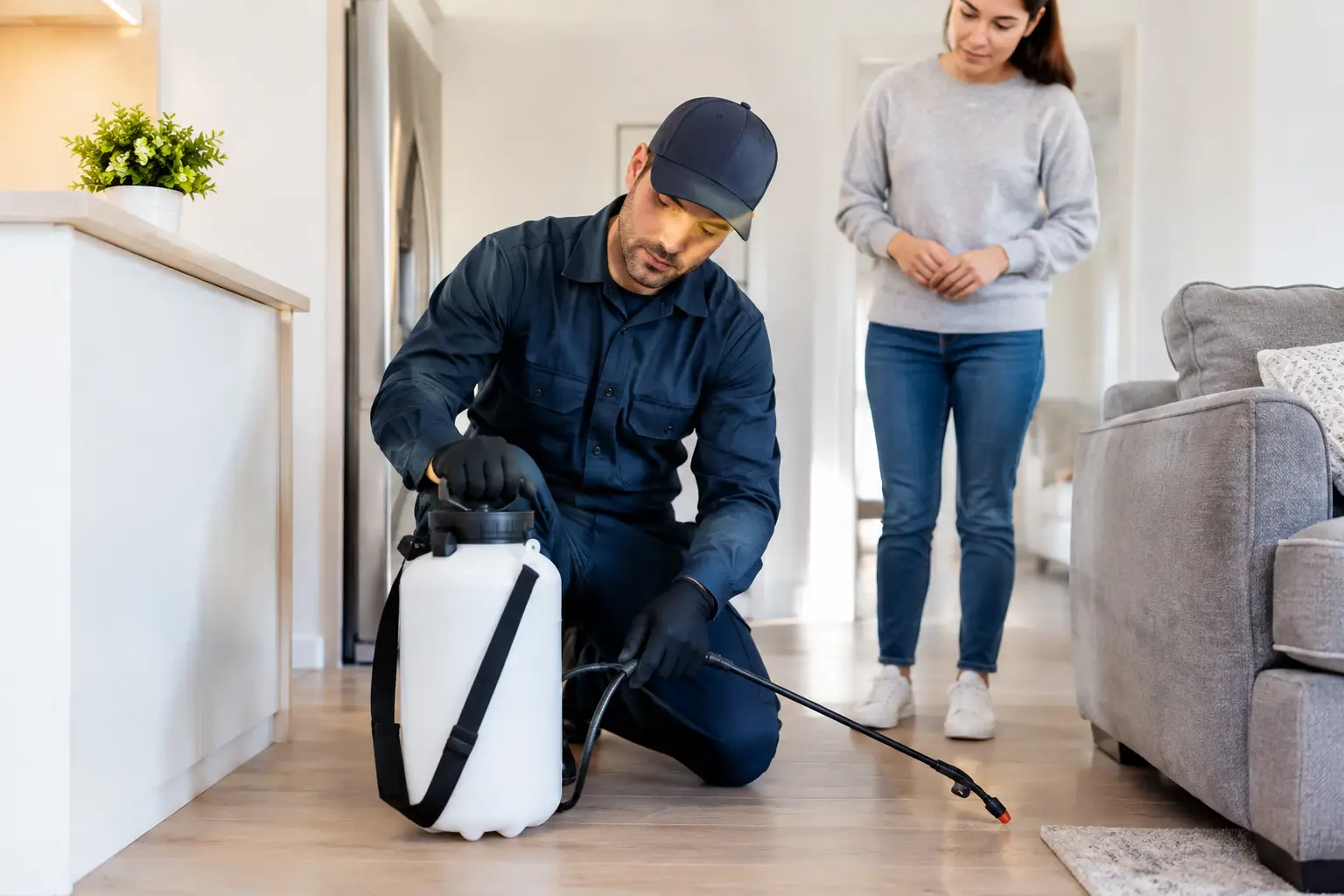
Learn how to prepare for extermination with simple steps that protect your family, improve treatment results, and help your Utah property return to normal.
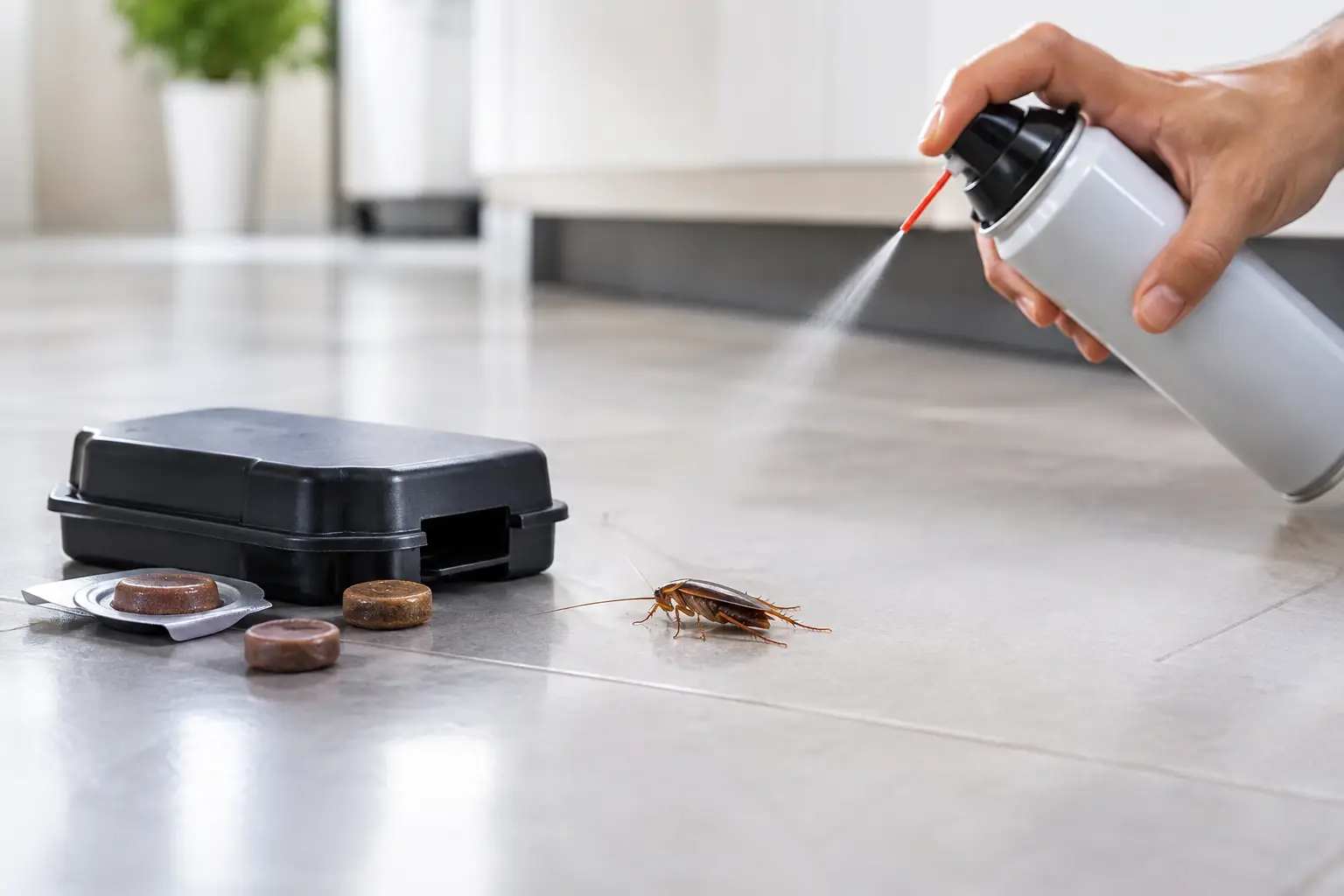
Cockroach bait versus sprays can affect safety, speed, and lasting control. Learn when each treatment works and when professional help is needed at home.