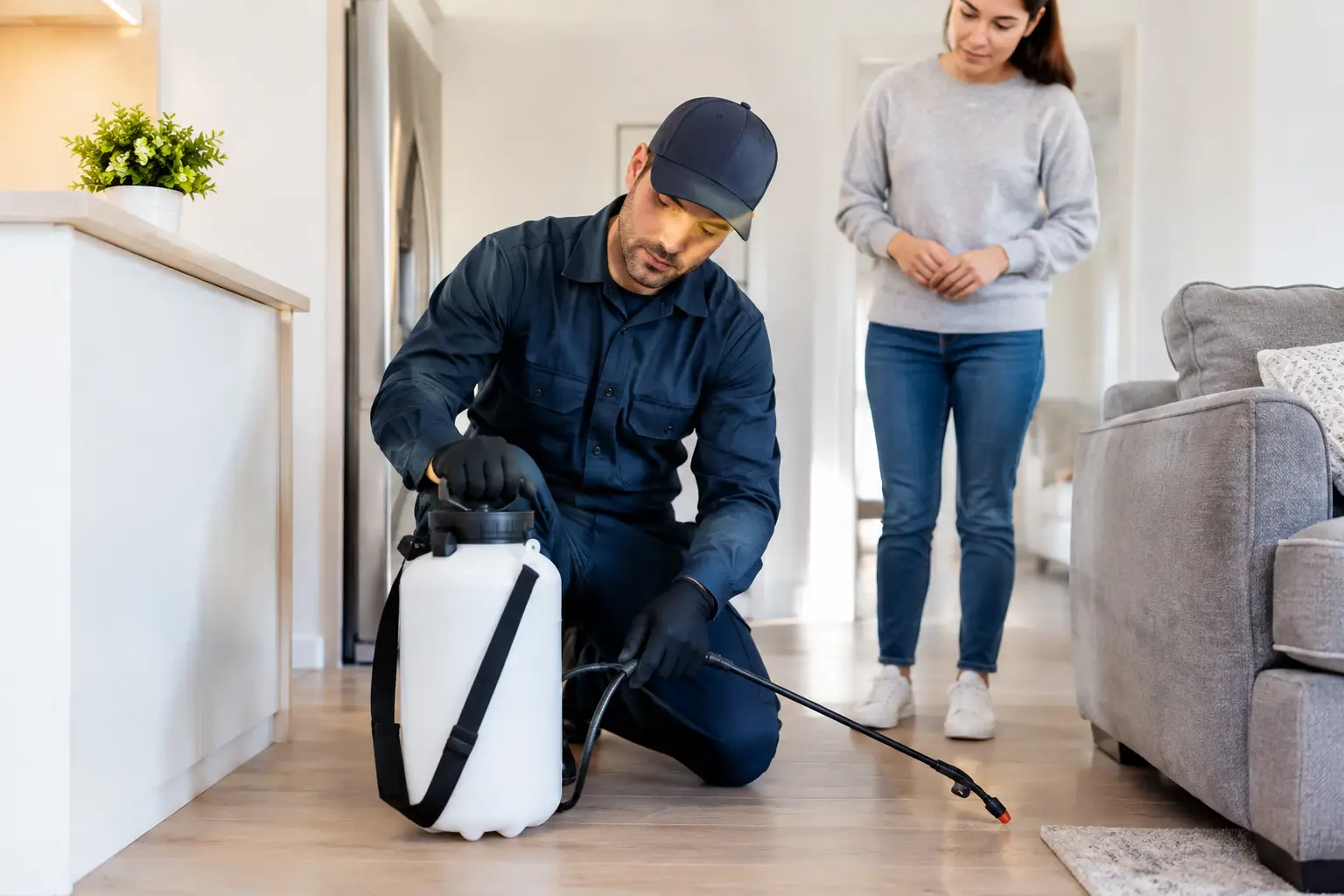
A technician can bring the right tools and treatment plan, but the condition of the property still affects the result. When you prepare for extermination before your appointment, you give the treatment access to the places pests travel, hide, feed, and breed. That can mean faster control, fewer return visits, and less disruption for your family, tenants, or business.
Preparation is not about making your home look perfect. It is about clearing access, protecting food and personal items, and following the instructions that fit the pest and treatment being used. A cockroach service, for example, may call for more detailed kitchen preparation than a seasonal exterior treatment for spiders or ants.
Prepare for Extermination: Start With Your Technician’s Instructions
Your service instructions should always come first. Pest treatments vary based on the pest, the layout of the property, the level of activity, and whether the work is indoors, outdoors, or both. Ask what areas will be treated, whether anyone needs to leave during service, and when it is safe to return to treated spaces.
Be clear about who uses the property. Tell your technician if young children, pets, elderly family members, people with respiratory sensitivities, or medically vulnerable tenants will be present. Safety-centered pest control starts with a treatment plan that accounts for the people and animals who live or work there.
If you manage a multi-family property, share access details early. A technician may need entry to utility rooms, trash areas, vacant units, shared hallways, or units reporting activity. Coordinating access before the appointment helps prevent gaps that allow pests to move from one area to another.
Clear Access Where Pests Are Active
Pests tend to stay close to food, moisture, warmth, shelter, and travel routes. Treatment works best when your technician can inspect and reach those locations without moving heavy belongings or working around clutter.
In a home, focus first on kitchens, bathrooms, laundry rooms, basements, garages, utility spaces, and any room where you have seen pests or droppings. Move stored items away from walls when practical. Clear floor clutter from under sinks, near appliances, and around plumbing lines. If a bed bug, flea, or cockroach issue is involved, ask for pest-specific preparation instructions rather than assuming a general cleanup is enough.
For an exterior service, unlock gates, secure access to the yard, and move toys, patio items, pet bowls, and other belongings away from the foundation where possible. Trimmed access around the foundation, window wells, and entry points lets the technician inspect the areas pests use to enter.
You do not need to pull apart every room unless you are instructed to do so. Moving too much before an inspection can sometimes scatter pests or make it harder to identify their source. Clear the areas your technician identifies, then leave the rest of the plan to the professionals.
Kitchens Need Extra Attention
Kitchens are often the most important preparation area, especially for cockroaches, ants, pantry pests, and rodents. Store food, dishes, utensils, and small appliances as directed. Wipe crumbs and grease from counters, stovetops, and floors, then take out the trash before service.
Do not leave pet food out overnight if pests are actively feeding on it. Store dry food in sealed containers and clean spills promptly. This is not just housekeeping. Reducing available food helps make a treatment plan more effective after the appointment.
For cabinet or under-sink treatments, empty only the spaces your technician requests. Keep cleaning supplies, paper products, and personal care items organized so the technician can reach plumbing penetrations and corners. Avoid applying store-bought sprays right before service unless you have been told to do so. Those products can interfere with professional treatment, repel pests into harder-to-reach areas, or create unnecessary chemical overlap.
Protect Food, Pets, and Personal Belongings
Before treatment, cover or put away food preparation items and anything that could come into contact with food. That may include dishes, cookware, cutting boards, coffee makers, and countertop appliances. Follow the instructions you receive for items in treated cabinets or pantries.
Aquariums need special attention. Tell your technician about fish tanks before the appointment so you can receive appropriate guidance. Depending on the treatment, tanks may need to be covered, and air pumps may need temporary adjustments.
Pets should be kept away from treatment areas until the technician says it is safe for them to return. This includes dogs, cats, birds, reptiles, and small animals in cages or enclosures. Pick up pet toys, food dishes, bedding, and litter boxes when requested. If you have a pet with a habit of licking floors or baseboards, mention it during the consultation.
Personal belongings usually do not need to be removed from the home. However, clothing, children’s toys, bedding, and frequently handled items should be moved or covered when they are directly beside a treatment area. Your technician can tell you what is necessary for your specific service.
Plan for People to Be Out of the Way
Some treatments allow residents to remain on site, while others require everyone to leave for a defined period. The right approach depends on the products used, the target pest, and the areas being treated. Never guess about re-entry timing. Ask directly and follow the instructions provided.
Arrange child care, pet care, or temporary work space ahead of time if needed. In apartment communities, property managers should communicate the appointment window and preparation requirements clearly. Tenants are more likely to cooperate when they understand why access matters and what they need to do.
For commercial properties, plan around customer traffic and employee operations. A restaurant, office, warehouse, or multi-family community may need treatment scheduled around deliveries, maintenance work, tenant access, or peak business hours. Good preparation protects normal operations while allowing the technician to do thorough work.
Do Not Clean Away a Fresh Treatment
After the service, follow the post-treatment instructions just as carefully as the preparation steps. You may be asked to avoid mopping treated edges, wiping baseboards, pressure-washing exterior areas, or disturbing bait placements for a certain period. Cleaning too soon can remove the material before it has time to work.
That does not mean living with a mess. You can usually continue normal cleaning in non-treated areas and address spills as needed. The key is knowing which surfaces were treated and how long they should remain undisturbed.
You may also see increased pest activity shortly after treatment. For some pests, this can happen as they leave hiding places or encounter the treatment. It does not automatically mean the service failed. Keep notes on what you see, where you see it, and how activity changes over the following days. That information helps your technician determine whether follow-up service is needed.
Help Prevent the Next Problem
Extermination addresses active pest pressure, but lasting control also depends on reducing what attracts pests back. Repair leaks, dry damp areas, keep outdoor trash contained, and seal obvious gaps around pipes, doors, and utility lines. Store pantry goods and pet food in secure containers, especially if rodents or cockroaches have been present.
In Utah, changing seasons can also shift pest activity. Cooler weather may push pests toward warm indoor spaces, while spring and summer can increase ant, spider, and wasp activity around the exterior. Ongoing prevention is often less disruptive than waiting until activity becomes visible indoors.
Pest Xperts can tailor service to the size and needs of your home, rental property, or business, because a small kitchen issue and a multi-building property concern should not receive the same approach. The most useful thing you can do before any appointment is simple: communicate what you have seen, clear the needed access, and let the treatment plan work as intended.
continue reading
Related Posts
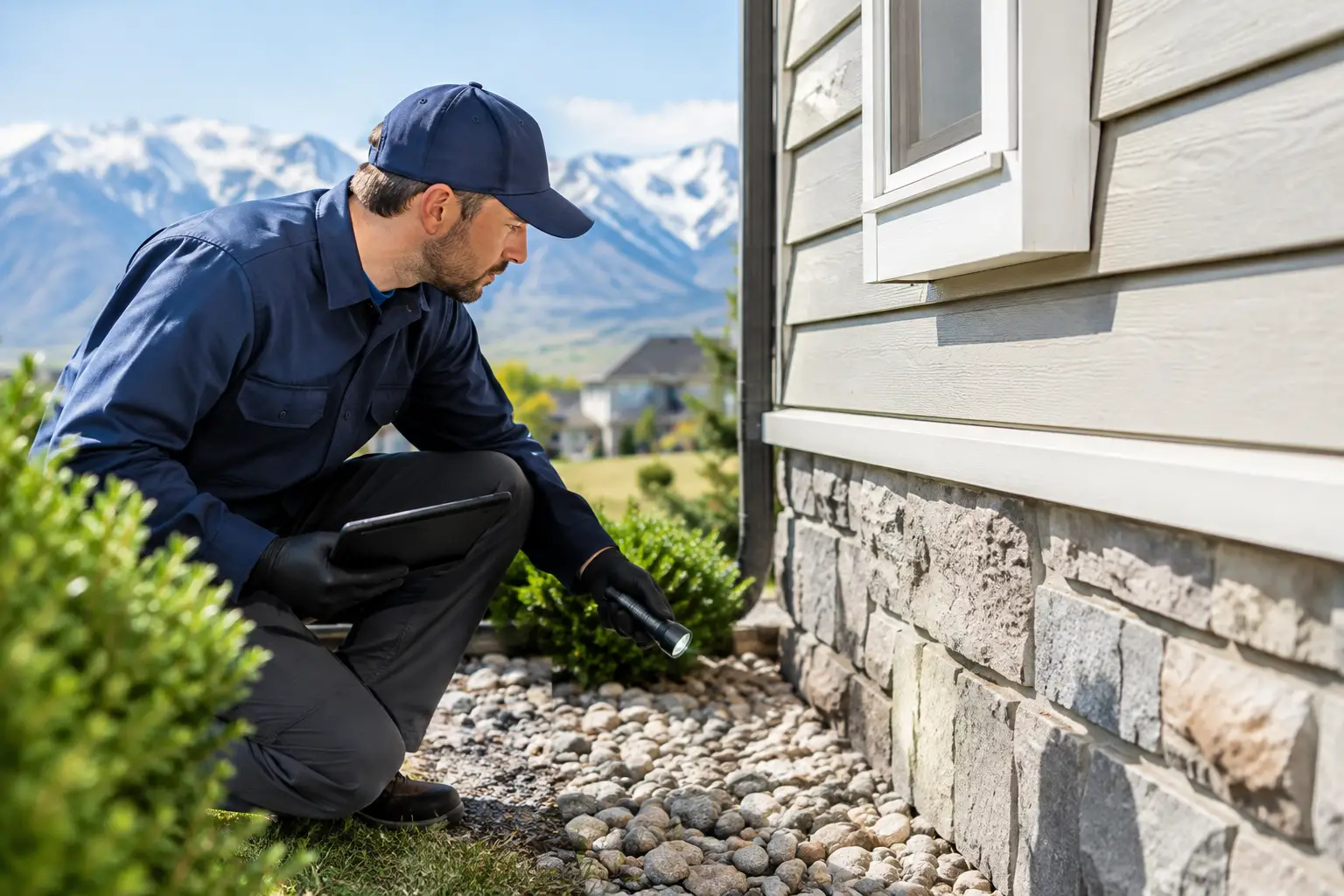
Learn the right pest inspection frequency for Utah homes, rentals, and businesses, plus the warning signs that call for a professional inspection now.
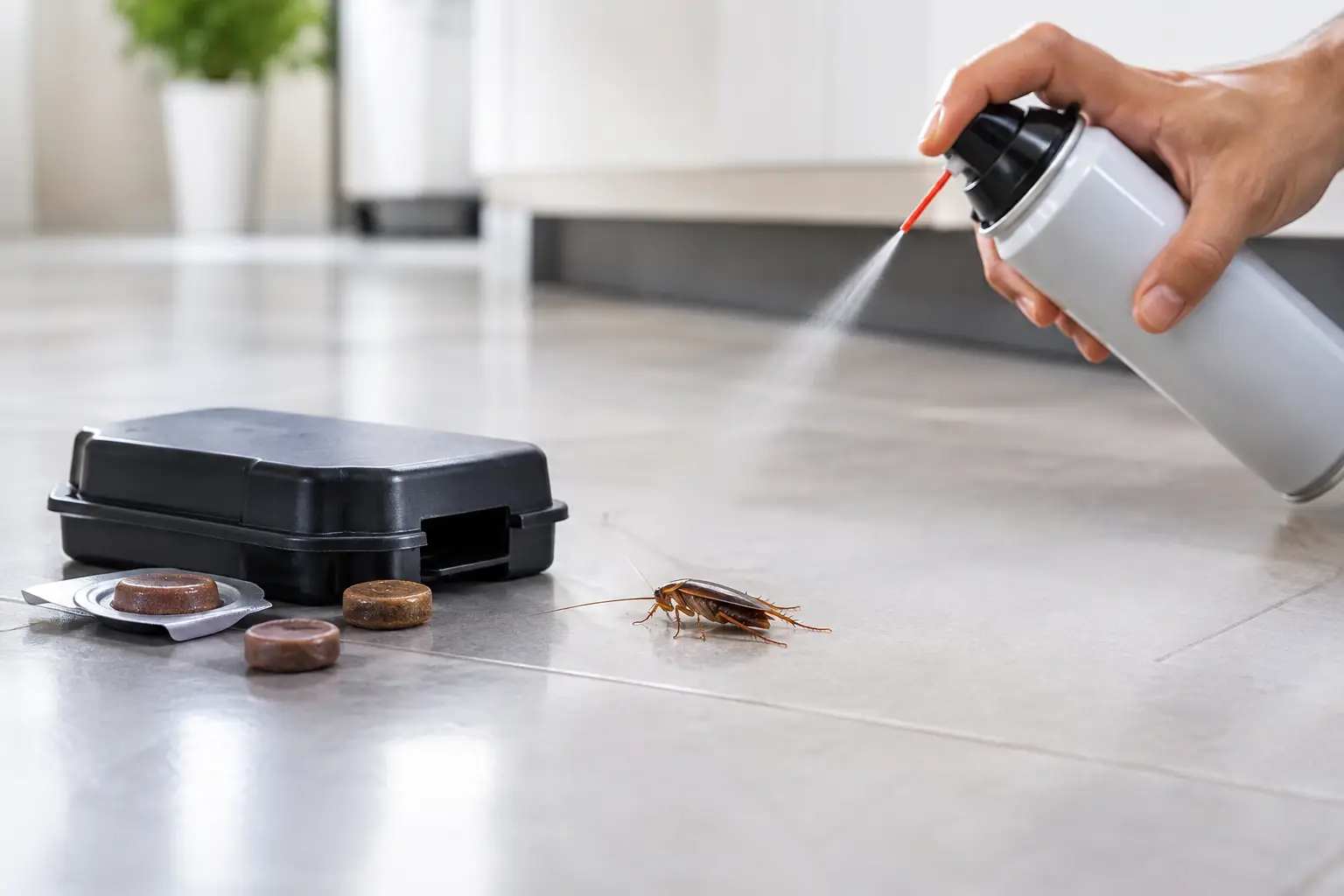
Cockroach bait versus sprays can affect safety, speed, and lasting control. Learn when each treatment works and when professional help is needed at home.
Can cockroaches trigger asthma? Learn how roach allergens affect breathing, what signs to watch for, and how to make your Utah property safer today, too.