
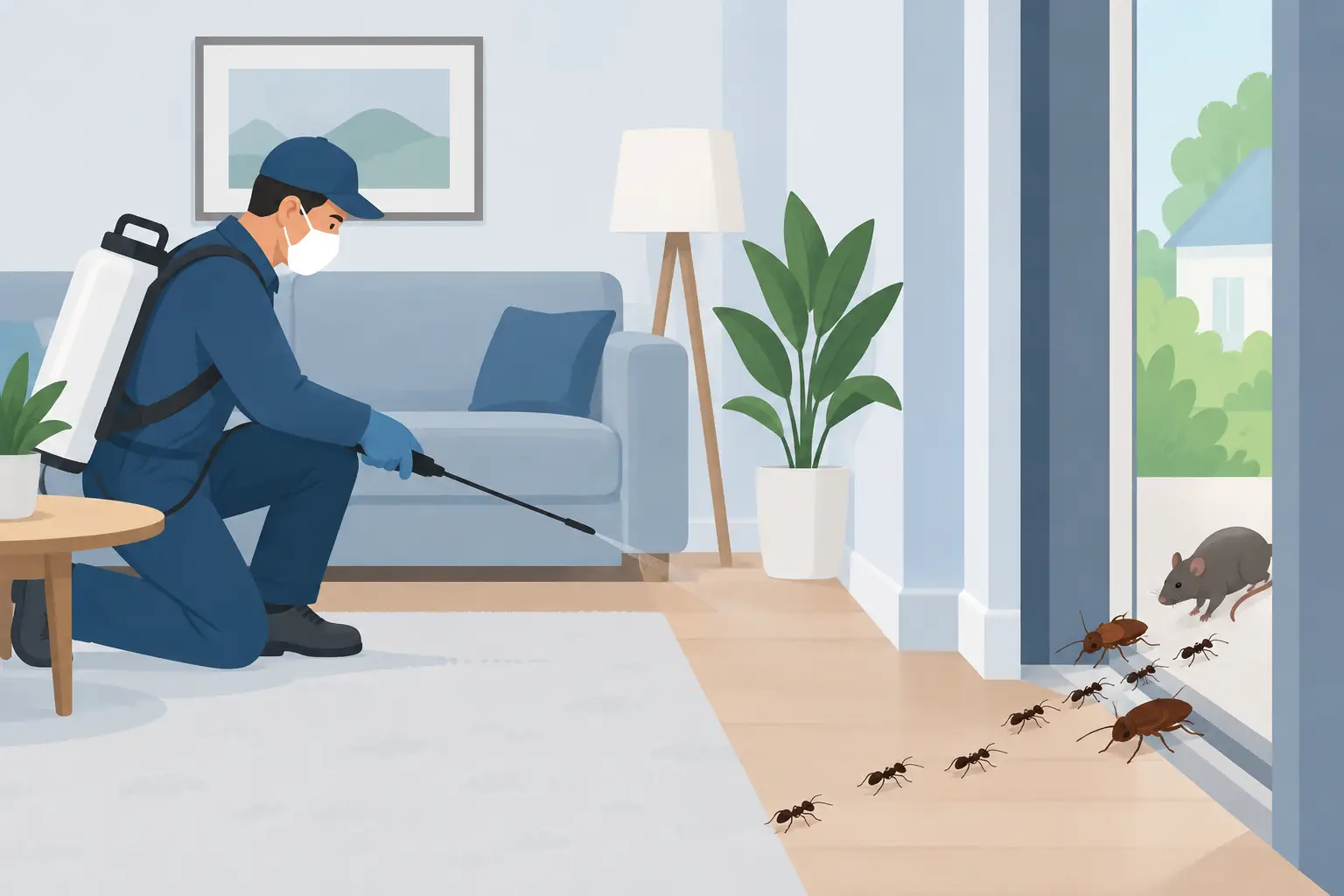
A few ants along the kitchen baseboard, a spider in the bathroom, or a cockroach sighting weeks after service can feel like proof that a treatment failed. Usually, that is not the full story. Understanding why pests return indoors starts with recognizing that pest control is not a single event. It is a process of removing active pests, reducing the conditions that support them, and blocking the routes that bring new pests inside.
For homes, apartments, and commercial properties along Utah’s Wasatch Front, changing weather adds another factor. Hot, dry stretches can push pests toward water indoors. Cool fall nights can send them looking for warmth. When outdoor pressure increases, even a well-maintained property can see occasional activity unless prevention keeps pace.
Treatment Removes Pests, but Conditions Can Remain
Most pest treatments are designed to address the pest activity found at the time of service. That can mean eliminating cockroaches in a kitchen, treating ant trails near an entry point, or reducing spiders around a structure. But pests do not appear without a reason. If food, moisture, shelter, or access remains available, the property may still attract new activity.
This distinction matters because a pest seen after treatment is not always a surviving pest. It may be a new pest entering from outside, one emerging from an overlooked harborage area, or an insect moving through treated areas before it dies. The type of pest, its life cycle, the severity of the original problem, and the conditions on the property all affect what happens next.
Cockroaches, for example, often hide in gaps behind appliances, wall voids, cabinet hinges, and plumbing areas. A visible roach may represent a larger population nearby, especially in multi-family housing where pests can travel between units through shared walls, utility lines, and hallways. Ants may change foraging paths when a colony is disturbed, creating activity in a new area before the colony is fully controlled.
Why Pests Return Indoors: The Most Common Causes
Small Entry Points Stay Open
Pests need very little space to enter. Ants can use cracks around windows, doors, foundation lines, and utility penetrations. Spiders, earwigs, and occasional invaders can slip through damaged weatherstripping, gaps beneath garage doors, torn screens, or openings where pipes and cables enter the building.
A treatment can reduce the pests already present, but it cannot permanently close a gap in siding or repair a door sweep. Exclusion work and routine property maintenance are essential parts of long-term control. On older homes and commercial buildings, minor settling and wear can create new openings over time.
Food and Moisture Keep the Property Attractive
Pests are practical. They stay where they can eat, drink, and hide with minimal disturbance. Crumbs beneath a stove, pet food left out overnight, overflowing trash, leaking pipes, and standing water in utility areas can all support repeat activity.
This does not mean a clean home will never have pests. Many pest problems begin outdoors or originate from neighboring units. Still, sanitation and moisture control make a meaningful difference because they reduce what pests gain by staying inside. In a restaurant, office break room, rental unit, or family kitchen, consistent cleaning supports professional treatment rather than replacing it.
Outdoor Pressure Changes With the Seasons
Utah’s seasons create predictable pest movement. During warmer months, insects reproduce and forage more actively. When temperatures climb and outdoor moisture is limited, pests may enter buildings in search of water. As fall arrives, spiders, rodents, and other occasional invaders look for protected spaces.
Landscaping can also contribute to pressure around the structure. Dense vegetation against exterior walls, mulch piled near the foundation, clutter stored beside the building, and overgrown shrubs can create shelter close to entry points. The goal is not to make a property look bare. It is to create a little space between pest habitat and the building.
Eggs, Nests, and Hidden Harborages Take Time
Some pests are not controlled on the same timetable. Eggs may hatch after an initial service, and pests concealed deep within wall voids, insulation, appliances, or storage areas may not contact a treatment immediately. This is one reason follow-up service can be necessary for established infestations.
The right approach depends on the pest. A small number of seasonal invaders may respond well to exterior prevention and exclusion. A cockroach infestation, on the other hand, often requires a more detailed plan, sanitation recommendations, monitoring, and follow-up visits. Fast results matter, but complete control requires enough time to interrupt the pest’s life cycle.
Multi-Family Properties Have Shared Pest Pathways
For property managers and landlords, repeat pest activity often has a building-wide component. Tenants may do everything right in one unit, but pests can still move through shared plumbing, electrical chases, laundry rooms, trash areas, and neighboring apartments.
Treating only the unit where pests were reported can provide temporary relief without addressing the source. A stronger plan identifies patterns: which units have activity, where moisture is present, whether trash handling needs attention, and how pests may be moving between spaces. Communication with residents also matters. Clear preparation instructions and prompt reporting help prevent a small issue from becoming a recurring property-wide concern.
What Helps Prevent Repeat Pest Activity
Long-term prevention works best when professional service and property care support each other. Start with the basics: store food in sealed containers, clean spills promptly, avoid leaving pet food out overnight when possible, and keep trash contained. Repair dripping faucets, address moisture under sinks, and use ventilation in bathrooms, laundry areas, and other damp spaces.
Outside, keep shrubs and tree branches from resting against the building. Move stored items away from exterior walls, reduce unnecessary clutter around the foundation, and make sure gutters and drainage direct water away from the structure. Check door sweeps, window screens, and gaps around pipes or utility lines regularly, particularly before seasonal weather changes.
For larger properties, prevention should be documented rather than handled only after complaints arise. A recurring service schedule, inspection notes, tenant communication, and targeted treatment of high-risk areas create a more reliable system. This is especially valuable in multi-family communities, where a delayed response in one unit can affect many others.
When Another Visit Is the Right Next Step
Seeing an occasional pest after service is not automatically an emergency. A single spider or outdoor insect that wanders inside may be normal, especially during seasonal transitions. However, repeated sightings, daytime cockroach activity, fresh droppings, new ant trails, or pests appearing in multiple rooms are signs that the issue needs attention.
Take note of where and when activity occurs. A photo, the room location, and the time of day can help identify the pest and its likely route. Avoid spraying random store-bought products over treated areas, since this can scatter pests, interfere with baiting strategies, or make the source harder to identify.
A property-specific inspection is often the fastest way to determine whether the problem is an entry-point issue, an indoor harborage, a moisture condition, or ongoing outdoor pressure. Pest Xperts builds treatment plans around the actual size and needs of the home, facility, or multi-family property, rather than assuming every pest problem has the same cause.
Pests are persistent because they are always looking for shelter, food, and water. With the right follow-up, a few practical property changes, and service matched to the situation, your home or building can become a much less inviting place for them to return.
continue reading
Related Posts
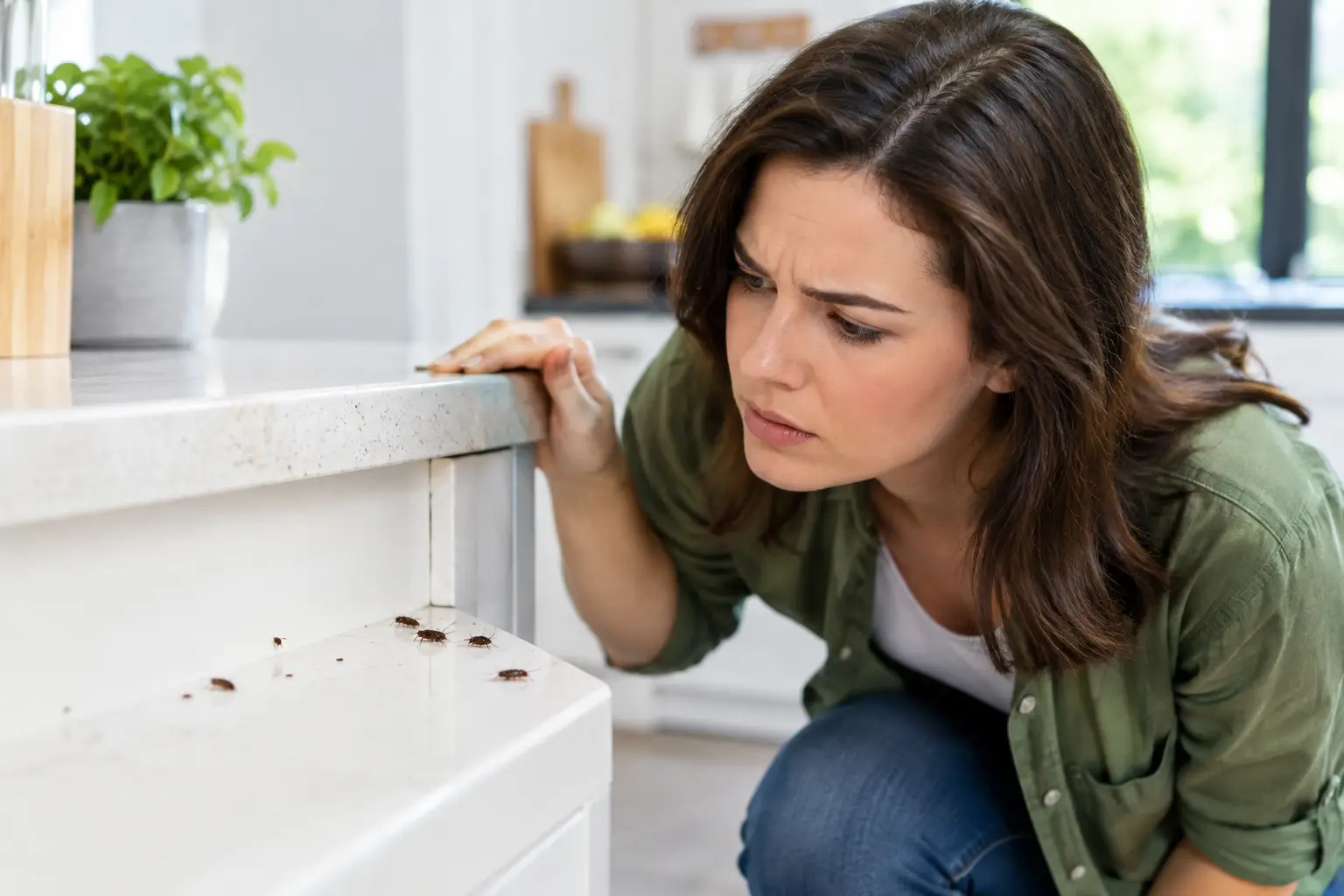
A pest outbreak can move fast through homes and properties. Learn warning signs, smart first steps, and when treatment protects people and buildings safely.
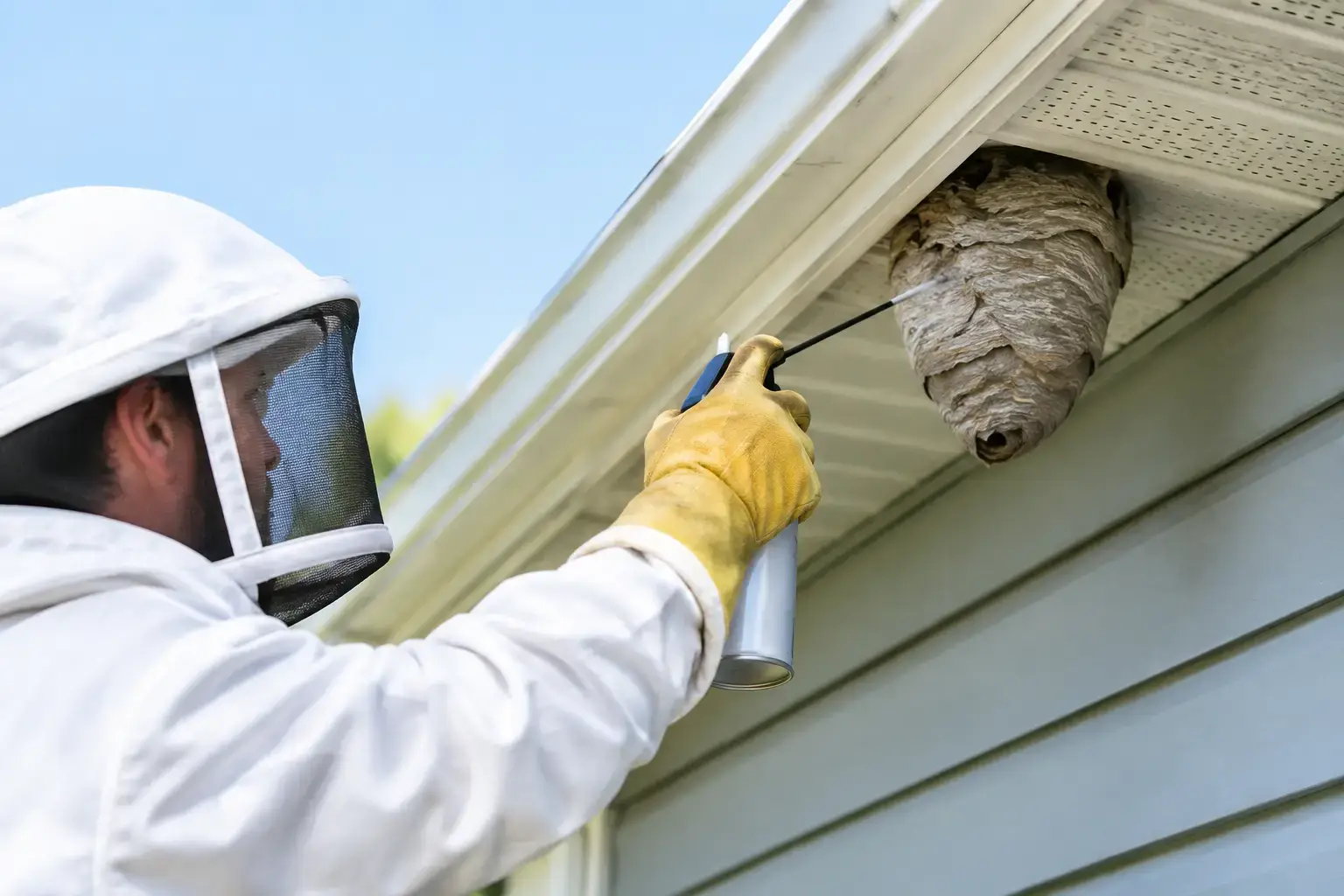
Learn how to remove wasps safely, recognize high-risk nests, and prevent repeat activity around your Utah home, rental property, or business quickly.
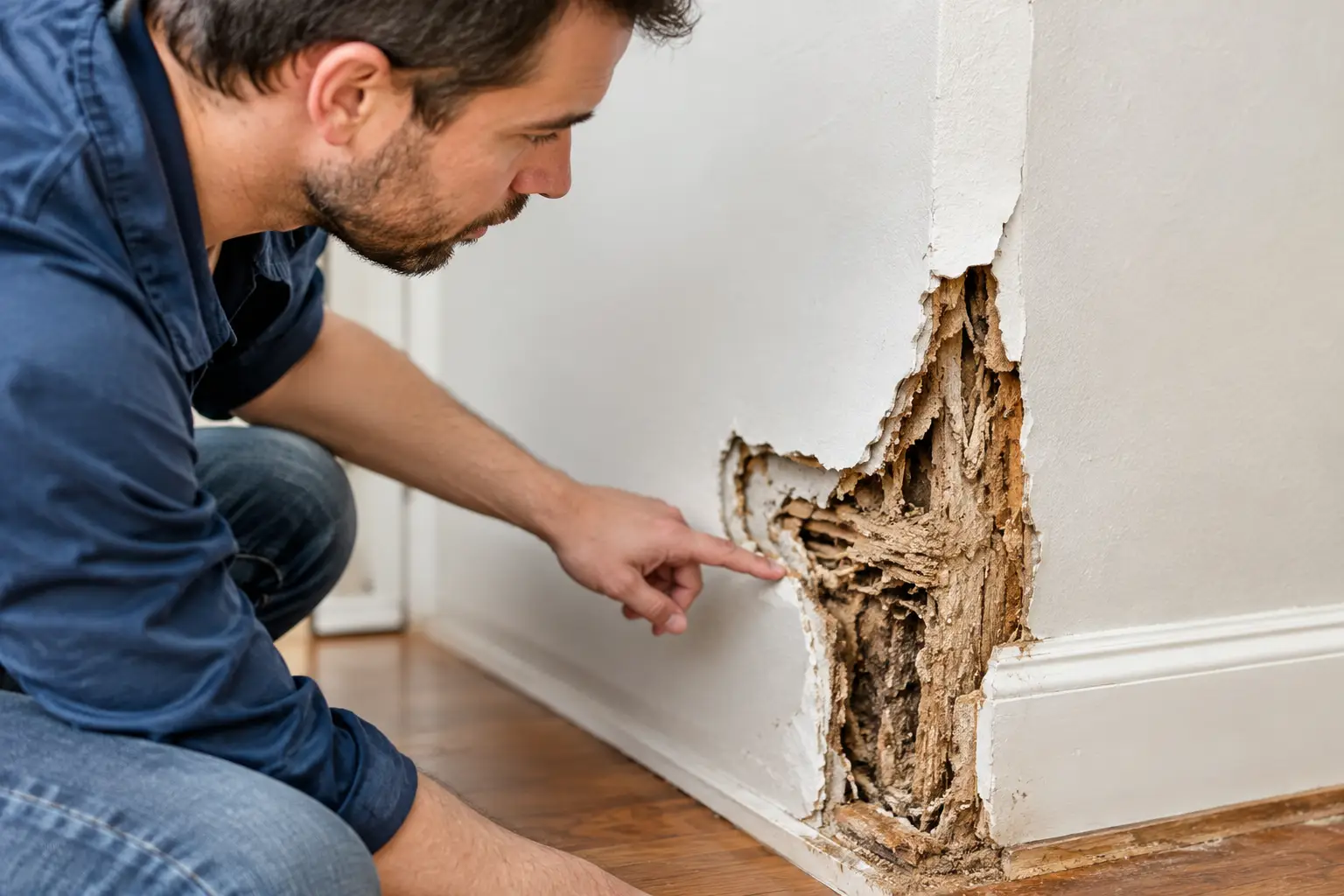
Learn the termite damage signs that merit a professional inspection, from mud tubes and hollow wood to stuck doors, bubbling paint, and swarmers indoors.